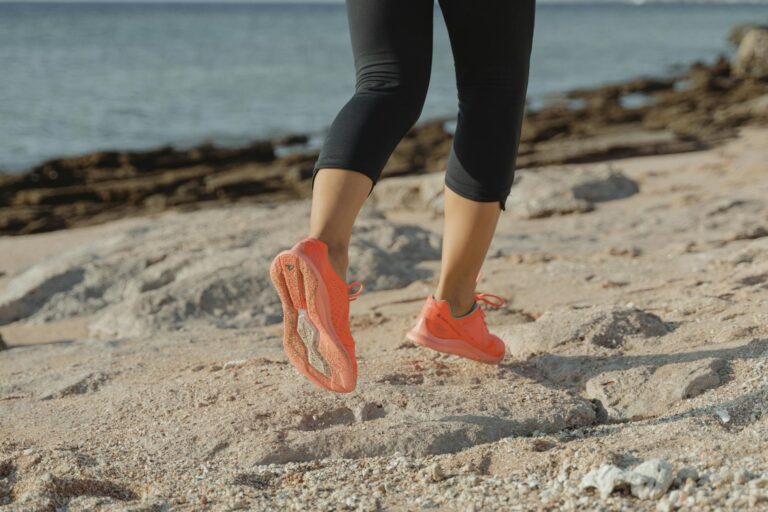
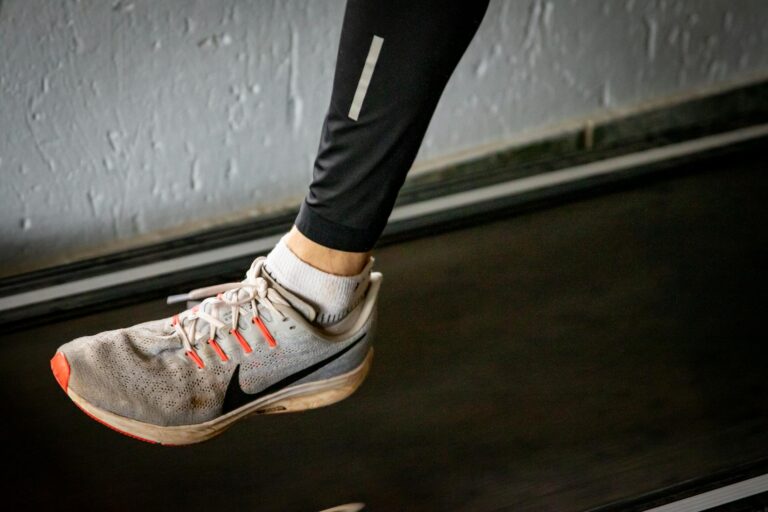
The most effective running shoes for preventing foot pain on long runs combine adequate cushioning, proper arch support matched to your foot type, and a fit that allows natural toe splay without heel slippage. Shoes like the Brooks Ghost, ASICS Gel-Nimbus, and New Balance Fresh Foam 1080 consistently rank among the best for runners prone to foot pain because they offer balanced cushioning without excessive softness that can cause instability. A runner training for a marathon, for example, might find that switching from a minimalist shoe to a moderately cushioned trainer eliminates the metatarsal pain that typically sets in around mile fifteen. However, no single shoe works for everyone, and the “best” shoe depends entirely on your individual biomechanics, foot shape, and the specific type of pain you experience.
Plantar fasciitis sufferers need different features than runners dealing with Morton’s neuroma or general forefoot soreness. This article covers how to identify which shoe features address your specific pain points, the role of cushioning and stability in long-distance comfort, how to properly fit shoes for endurance running, and when shoe selection alone cannot solve the problem. Understanding the relationship between shoe construction and foot pain requires looking beyond marketing claims. The sections below break down the science of cushioning materials, the importance of heel-to-toe drop, how stack height affects fatigue, and practical steps for testing shoes before committing to long training runs.
Table of Contents
- What Types of Running Shoes Best Prevent Foot Pain During Long Distances?
- Understanding Cushioning Technology and Its Role in Foot Comfort
- How Arch Support and Foot Shape Influence Long-Run Pain Prevention
- Selecting the Right Heel-to-Toe Drop for Your Running Style
- Common Fitting Mistakes That Cause Long-Run Foot Pain
- When Running Shoes Alone Cannot Solve Foot Pain
- How to Prepare
- How to Apply This
- Expert Tips
- Conclusion
- Frequently Asked Questions
What Types of Running Shoes Best Prevent Foot Pain During Long Distances?
running shoes fall into three primary categories relevant to pain prevention: neutral cushioned, stability, and motion control. Neutral cushioned shoes work best for runners with normal arches who do not overpronate significantly. These shoes, such as the Nike Pegasus or Saucony Ride, provide shock absorption without corrective features that could interfere with natural gait. Stability shoes add medial posting or guide rails to prevent excessive inward rolling, making them ideal for mild to moderate overpronators who develop arch or heel pain during longer efforts. Motion control shoes represent the most structured option, designed for severe overpronators or heavier runners who need maximum support.
However, these shoes have fallen out of favor somewhat as research suggests that comfort-based selection often outperforms biomechanical prescriptions. A 2015 study in the British Journal of Sports Medicine found that soldiers assigned running shoes based on foot type had no fewer injuries than those given neutral shoes, challenging the traditional approach to shoe prescription. The practical takeaway is that while shoe categories provide a starting framework, individual response matters more than theoretical matching. A runner with flat feet might thrive in neutral shoes if they have strong intrinsic foot muscles, while someone with normal arches could need stability features due to hip weakness that causes late-run form breakdown. Testing multiple options during actual runs, not just in-store jogs, provides the most reliable guidance.

Understanding Cushioning Technology and Its Role in Foot Comfort
Modern running shoe cushioning relies on foam compounds that vary dramatically in density, responsiveness, and durability. EVA foam, the traditional standard, offers reliable cushioning but compresses over time, losing up to forty percent of its shock absorption after three hundred miles. Newer materials like Nike’s ZoomX, Saucony’s PWRRUN PB, and Adidas Boost maintain their properties longer and return more energy, though they typically cost more and may feel less stable underfoot. Stack height, the total thickness of material between your foot and the ground, directly affects how much cushioning you experience. Maximalist shoes with stack heights exceeding thirty millimeters provide substantial protection for heavy runners or those with joint issues.
However, if you have a history of ankle sprains or struggle with proprioception, these tall platforms can increase instability and actually cause different problems. The extra height raises your center of gravity and reduces ground feel, making technical terrain or fatigued late-run miles riskier. The heel-to-toe drop, or offset, describes the difference in cushioning height between the rearfoot and forefoot. Traditional shoes feature drops of ten to twelve millimeters, encouraging heel striking. Lower-drop shoes, from zero to six millimeters, promote midfoot or forefoot striking patterns that some runners find reduce heel and knee pain while potentially increasing calf and Achilles strain. Transitioning drop heights should happen gradually over several weeks to allow tissue adaptation.
How Arch Support and Foot Shape Influence Long-Run Pain Prevention
Arch support in running shoes ranges from minimal to aggressive, and matching your foot type matters less than matching your comfort preferences and injury history. Runners with very low arches often benefit from shoes with built-in medial support or aftermarket orthotics, but many flat-footed runners perform well in neutral shoes if they have adapted over years of running. The key is observing where your pain occurs and whether it correlates with fatigue-related form breakdown. Foot shape extends beyond arch height to include width, toe box volume, and heel-to-forefoot proportions. Brands vary significantly in their lasts, the foot-shaped molds around which shoes are built. New Balance traditionally offers wider options, while Nike tends to run narrow.
Altra specializes in foot-shaped toe boxes that allow toes to spread naturally, which can relieve metatarsal pain and neuromas. A runner with bunions might find that a shoe technically rated as “wide” still causes compression because the widest point falls in the wrong location. For example, a forty-five-year-old runner developed persistent ball-of-foot pain despite using well-cushioned shoes. The culprit turned out to be a narrow toe box that compressed her metatarsal heads during the push-off phase of each stride. Switching to Altra Torin shoes with their anatomical toe box eliminated the pain within two weeks, even though the overall cushioning was similar to her previous shoes. This illustrates how fit details often matter more than cushioning specifications.
Selecting the Right Heel-to-Toe Drop for Your Running Style
Heel-to-toe drop selection should reflect your natural running form, injury history, and transition timeline rather than current trends. Runners who naturally heel strike and have no associated injuries can continue using traditional ten to twelve millimeter drops without concern. Forcing a forefoot strike through low-drop shoes when your body has adapted to heel striking over decades can create new problems while solving none. Lower-drop shoes, in the four to eight millimeter range, offer a middle ground that accommodates various striking patterns without extreme demands on the lower leg.
The Saucony Kinvara at four millimeters and Brooks Launch at ten millimeters represent different points on this spectrum. Comparing these shoes during test runs reveals which drop allows you to maintain form longest before fatigue-related pain appears. The tradeoff with lower drops involves increased calf and Achilles loading versus reduced knee and hip impact. Zero-drop shoes like Altra models eliminate any built-in forward lean, which some runners find reduces lower back pain by encouraging more upright posture. However, runners with tight calves or previous Achilles tendinitis should approach zero-drop cautiously, increasing weekly mileage in new shoes by no more than ten percent per week over a transition period of at least a month.
Common Fitting Mistakes That Cause Long-Run Foot Pain
The most prevalent fitting error is buying shoes too small, driven by vanity sizing expectations from dress shoes. Running shoes should have a thumbnail’s width of space between your longest toe and the shoe’s end when standing. Feet swell during long runs, sometimes increasing by half a size or more, and shoes that feel perfect during a five-minute store visit become torture chambers at mile eighteen. Lacing technique represents an overlooked cause of foot pain that no amount of shoe shopping can fix. Runners with high arches often benefit from skipping the middle eyelets to reduce pressure on the midfoot, while those with narrow heels should use heel-lock lacing to prevent slippage that causes blisters and compensation patterns.
A runner might return multiple shoe models thinking none fit properly when the actual issue is a lacing pattern that creates pressure points. Width issues require particular attention because most shoes come in standard width, leaving runners with wide or narrow feet to either tolerate poor fit or seek out the limited expanded-width options. Warning signs of width problems include numbness, tingling, or visible bulging at the sides of the shoe. However, going too wide creates its own issues, allowing the foot to slide within the shoe and causing friction injuries. The goal is a fit snug enough to feel secure without any pressure points.
When Running Shoes Alone Cannot Solve Foot Pain
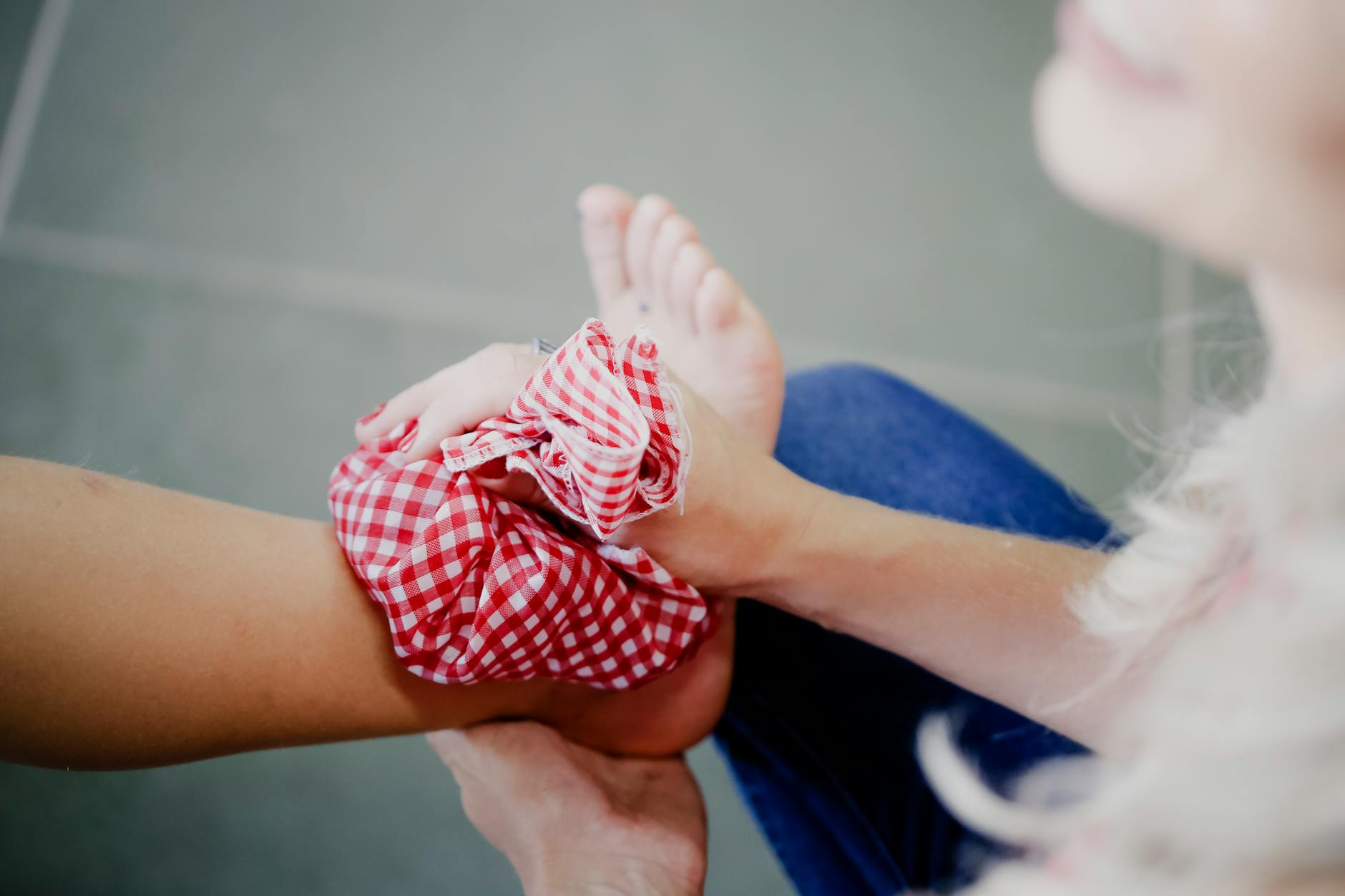
Some foot pain stems from structural or biomechanical issues that no shoe can correct, requiring additional interventions like custom orthotics, physical therapy, or training modifications. Plantar fasciitis, for instance, often responds partially to supportive shoes but fully resolves only with targeted stretching, strengthening, and sometimes night splints. Relying entirely on shoe changes while ignoring these complementary treatments leads to chronic, recurring pain.
Stress fractures represent a serious example where shoe cushioning cannot compensate for underlying bone weakness caused by overtraining, nutritional deficiencies, or biomechanical faults. A runner developing metatarsal stress fractures needs medical evaluation and training volume adjustments, not just a switch to more cushioned shoes. Using shoes as a band-aid for problems requiring rest or treatment delays healing and risks more serious injury.
How to Prepare
- Document your current pain patterns by keeping a log for two to three weeks noting when pain occurs, its location, intensity, and what makes it better or worse. This information guides shoe feature selection.
- Have your gait analyzed at a specialty running store or by a sports medicine professional. Video analysis reveals pronation patterns, foot strike location, and any asymmetries that affect shoe needs.
- Measure both feet late in the day when they are largest, including length, width at the ball, and arch height. Recognize that your feet may differ in size and fit the larger one.
- Research shoes that match your identified needs using reliable sources like Runner’s World reviews, running forums, and specialty store recommendations rather than general retail sites.
- Order multiple pairs or visit stores with extensive inventory so you can compare options directly. Never settle for “close enough” because minor discomfort during a store test becomes major pain during long runs.
How to Apply This
- Test shoes on actual runs, not just treadmill jogs or store walk-arounds. Most specialty running stores allow thirty-day return policies even after outdoor use. Take advantage of this for at least one run of six miles or more.
- Introduce new shoes gradually, alternating with your current footwear for the first few weeks. This allows your body to adapt while providing comparison data on comfort and pain patterns.
- Pay attention to how shoes feel in the last miles of your longest weekly run, not just the first few. Many shoes feel adequate initially but cause problems as feet swell and form deteriorates.
- Keep a brief log comparing pain levels, hot spots, and overall comfort between shoe options. Memory is unreliable, and written notes reveal patterns you might otherwise miss.
Expert Tips
- Replace running shoes every three hundred to five hundred miles regardless of visible wear, as midsole cushioning degrades before the outsole shows damage.
- Do not buy shoes based solely on a brand you have used before, as models change significantly between versions and what worked last year may not work now.
- Consider rotating between two or more different shoes to vary the stresses on your feet and extend the life of each pair.
- If you run primarily on trails, prioritize grip and protection over cushioning, as uneven surfaces already provide natural shock absorption through varied foot placement.
- Avoid breaking in new shoes during races or important long runs. Test them thoroughly in training first, even if this means postponing their debut.
Conclusion
Preventing foot pain during long runs starts with understanding your individual needs and matching them to appropriate shoe features. Cushioning, stability, drop, and fit all contribute to comfort, but the relative importance of each factor depends on your biomechanics, injury history, and running goals. There is no universally “best” shoe, only the best shoe for your specific feet and circumstances.
Moving forward, prioritize proper fitting, gradual transitions when changing shoe types, and realistic expectations about what shoes can accomplish. When pain persists despite appropriate footwear, seek professional evaluation rather than continuing to search for a magic shoe solution. Combining well-chosen shoes with strength training, flexibility work, and sensible training progression provides the most reliable path to pain-free long runs.
Frequently Asked Questions
How long does it typically take to see results?
Results vary depending on individual circumstances, but most people begin to see meaningful progress within 4-8 weeks of consistent effort. Patience and persistence are key factors in achieving lasting outcomes.
Is this approach suitable for beginners?
Yes, this approach works well for beginners when implemented gradually. Starting with the fundamentals and building up over time leads to better long-term results than trying to do everything at once.
What are the most common mistakes to avoid?
The most common mistakes include rushing the process, skipping foundational steps, and failing to track progress. Taking a methodical approach and learning from both successes and setbacks leads to better outcomes.
How can I measure my progress effectively?
Set specific, measurable goals at the outset and track relevant metrics regularly. Keep a journal or log to document your journey, and periodically review your progress against your initial objectives.
When should I seek professional help?
Consider consulting a professional if you encounter persistent challenges, need specialized expertise, or want to accelerate your progress. Professional guidance can provide valuable insights and help you avoid costly mistakes.
What resources do you recommend for further learning?
Look for reputable sources in the field, including industry publications, expert blogs, and educational courses. Joining communities of practitioners can also provide valuable peer support and knowledge sharing.