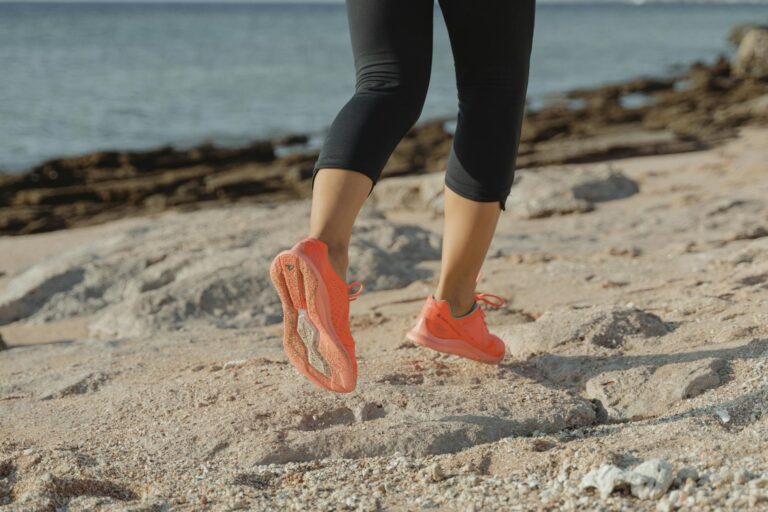
The running shoes that help maintain pace over long distances share several key characteristics: they feature responsive yet cushioned midsoles, weigh under 10 ounces, provide energy return above 80 percent, and include carbon fiber or nylon plates that reduce fatigue in the calf muscles and Achilles tendon. Models like the Nike Vaporfly 3, Saucony Endorphin Pro 4, and Adidas Adizero Adios Pro 3 have become the gold standard for marathon and ultra-marathon runners specifically because they address the biomechanical breakdown that occurs after 90 minutes of sustained effort. A runner averaging 8-minute miles in a marathon, for example, will typically slow by 15 to 20 seconds per mile in the final 10K””but research from the British Journal of Sports Medicine suggests that super shoes with plate technology can reduce this fade by nearly half. What separates pace-maintaining footwear from everyday trainers comes down to three factors: the foam compound, the geometric design of the midsole, and the presence of embedded propulsive structures.
The thick, nitrogen-infused or PEBA-based foams used in modern distance shoes compress under impact but snap back faster than traditional EVA, effectively giving runners a small push forward with each stride. This article covers how these technologies work together, which specific shoes excel for different distance goals, how to determine if your current shoes are contributing to pace fade, and practical strategies for transitioning to more performance-oriented footwear without increasing injury risk. Beyond the technology itself, maintaining pace over long distances requires matching shoe characteristics to your running style, weekly mileage, and target race distance. A shoe that works brilliantly for a sub-3-hour marathoner may actually slow down a 4-hour finisher due to the different ground contact times and force application patterns involved. The sections that follow break down these variables and provide actionable guidance for selecting and using distance shoes effectively.
Table of Contents
- What Makes Running Shoes Capable of Maintaining Pace Over 20 or More Miles?
- Understanding Midsole Geometry and Its Effect on Late-Race Pace Retention
- The Role of Upper Construction in Long-Distance Pace Consistency
- Selecting the Right Pace-Maintaining Shoe for Your Target Distance
- Common Mistakes That Undermine Pace-Maintaining Shoe Benefits
- Training in Race Shoes Versus Reserving Them for Competition
- How to Prepare
- How to Apply This
- Expert Tips
- Conclusion
- Frequently Asked Questions
What Makes Running Shoes Capable of Maintaining Pace Over 20 or More Miles?
The primary enemy of consistent pacing in long-distance running is muscular fatigue, and the shoes that combat this problem do so by reducing the metabolic cost of each stride. Research conducted at the University of Colorado found that for every 100 grams of shoe weight, oxygen consumption increases by approximately 1 percent””which translates directly to slower times over marathon distances. However, weight alone doesn’t tell the whole story. A 6-ounce racing flat with minimal cushioning will leave most runners struggling after mile 18, while a 7.5-ounce shoe with proper energy return technology often produces faster finishing times despite the extra mass. The carbon fiber plates embedded in premium distance shoes work by stiffening the forefoot and acting as a lever that reduces the work required from the calf muscles and toe flexors during push-off.
A 2021 study published in Sports Medicine estimated that this mechanism alone saves between 1 and 4 percent of energy expenditure depending on running speed and individual biomechanics. For comparison, a 3 percent improvement in running economy would take the average 3:30 marathoner down to approximately 3:24″”a significant chunk of time from a single equipment change. The foam matters as much as the plate. PEBA-based compounds like Nike ZoomX, Saucony PWRRUN PB, and Adidas Lightstrike Pro deliver energy return rates between 85 and 90 percent, compared to 65 to 70 percent for standard EVA foams. This difference becomes pronounced after 15 miles, when leg muscles begin losing their ability to absorb and redirect impact forces efficiently. The shoe essentially takes over some of the work that fatiguing muscles can no longer perform optimally.

Understanding Midsole Geometry and Its Effect on Late-Race Pace Retention
Stack height and rocker geometry determine how efficiently force transfers from footstrike through toe-off, and these measurements vary significantly across distance-focused models. Most pace-maintaining shoes feature stack heights between 35 and 40 millimeters, which provides sufficient foam depth for energy return while remaining within competition regulations. The rocker””the curved shape of the sole from heel to toe””creates a rolling motion that reduces ankle dorsiflexion demands and helps maintain stride length even as hip flexors fatigue. However, if you have a history of ankle instability or tend to run on technical terrain with uneven surfaces, aggressive rocker geometries can actually increase injury risk. The elevated platform and curved sole reduce ground feel and proprioceptive feedback, making it harder to react to sudden surface changes.
Runners training for road marathons on primarily flat, paved routes benefit most from these designs, while those who mix trail and road running may find hybrid options like the Hoka Mach X or New Balance FuelCell SC Elite more versatile. The heel-to-toe drop also influences how pace-maintaining features interact with individual biomechanics. Most super shoes use drops between 8 and 10 millimeters, which suits heel strikers and midfoot strikers alike. Forefoot strikers sometimes find this excessive and may experience calf strain during the transition period. Brooks and Saucony both offer lower-drop alternatives in their premium lines, though these require careful break-in periods of 4 to 6 weeks with gradual mileage increases to allow Achilles tendons to adapt.
The Role of Upper Construction in Long-Distance Pace Consistency
While midsole technology receives most attention, the upper construction directly affects pace maintenance by controlling foot movement, managing heat buildup, and contributing to overall shoe weight. Engineered mesh uppers with strategic reinforcement zones keep the foot secure without adding unnecessary material, typically weighing between 50 and 80 grams for the entire upper assembly. When the foot slides within the shoe””even by a few millimeters per stride””energy bleeds away through compensatory muscle activation, and this inefficiency compounds over thousands of footstrikes. The Asics Metaspeed Sky Paris provides an instructive example of upper design done well.
Its Motion Wrap technology uses a single piece of thermoplastic material that curves under the foot and connects to the lacing system, creating a secure lockdown that eliminates heel slip without requiring tight lacing that would restrict blood flow. Runners who have experienced toe numbness or metatarsal pain in the final miles of long races often trace the problem to uppers that require excessive tightening to achieve stability. Breathability becomes critical in races lasting longer than 90 minutes, as heat accumulation causes feet to swell and changes the fit dynamics established at the start. Premium distance shoes incorporate mesh zones with high air permeability””measured in cubic feet per minute of airflow””in the forefoot and midfoot regions while maintaining structural support around the heel counter. Some runners find that sizing up by half a size in their race shoes compared to daily trainers accounts for this swelling effect, though this adjustment requires testing in training runs of similar duration.
Selecting the Right Pace-Maintaining Shoe for Your Target Distance
The optimal shoe for a half marathon differs meaningfully from the optimal shoe for a full marathon or ultramarathon, and this distinction often gets overlooked in general recommendations. For distances up to 13.1 miles, slightly lighter and more responsive options like the Adidas Adizero Adios Pro Evo 1 or Nike Alphafly 3 work well because muscular fatigue hasn’t yet reached the threshold where maximum cushioning becomes necessary. These races reward aggressive shoes that may feel less forgiving but produce faster turnover. Marathon distances present a tradeoff between cushioning and responsiveness that depends heavily on expected finish time. Runners completing marathons in under 3 hours spend less total time on their feet and can often use the same aggressive shoes that work for half marathons.
Those in the 3:30 to 4:30 range benefit from slightly more cushioning and a less aggressive rocker, as their ground contact times are longer and they’ll accumulate more total impacts””roughly 50,000 footstrikes versus 35,000 for faster finishers. The Saucony Endorphin Pro 4 and Nike Vaporfly 3 occupy this middle ground effectively. Ultra-marathon distances above 26.2 miles shift priorities toward durability and cushioning over pure speed. The foam compounds in super shoes, while excellent for energy return, compress permanently after extended use and may lose effectiveness beyond 4 or 5 hours of continuous running. Some ultra runners rotate between two pairs of shoes during 100-mile races for this reason, though this strategy requires careful planning and support crew coordination. The Hoka Rocket X 2 and Brooks Hyperion Elite 3 offer durability profiles better suited to ultra-distance events.
Common Mistakes That Undermine Pace-Maintaining Shoe Benefits
Purchasing high-performance distance shoes does not automatically translate to improved race times, and several common errors prevent runners from realizing the benefits these shoes offer. The most frequent mistake is insufficient break-in time””wearing new shoes for the first time on race day or attempting long runs without prior shorter efforts. PEBA foams require 30 to 50 miles of use before reaching optimal responsiveness, and carbon plates may feel awkward until running mechanics adapt to the altered foot dynamics. Racing in shoes that don’t match your actual pace represents another significant issue. Super shoes are optimized for specific cadence ranges and ground contact times, and runners moving significantly slower than these design parameters may not achieve meaningful energy return.
A 5-hour marathoner, for instance, may find that the stiff carbon plate in an elite racing shoe actually increases energy expenditure because their longer ground contact time doesn’t engage the plate’s spring mechanism effectively. For these runners, well-cushioned trainers without plates often produce better results. Ignoring wear indicators costs runners both money and performance. The midsole foams in pace-maintaining shoes degrade faster than those in traditional trainers due to their high-rebound properties, with most models losing significant energy return characteristics after 150 to 200 miles. Unlike the outsole wear that provides visible evidence of shoe degradation, foam breakdown is largely invisible. Tracking mileage per pair and retiring shoes before major competitions””even if they look fine externally””prevents the frustrating experience of unexplained pace fade despite proper training.
Training in Race Shoes Versus Reserving Them for Competition
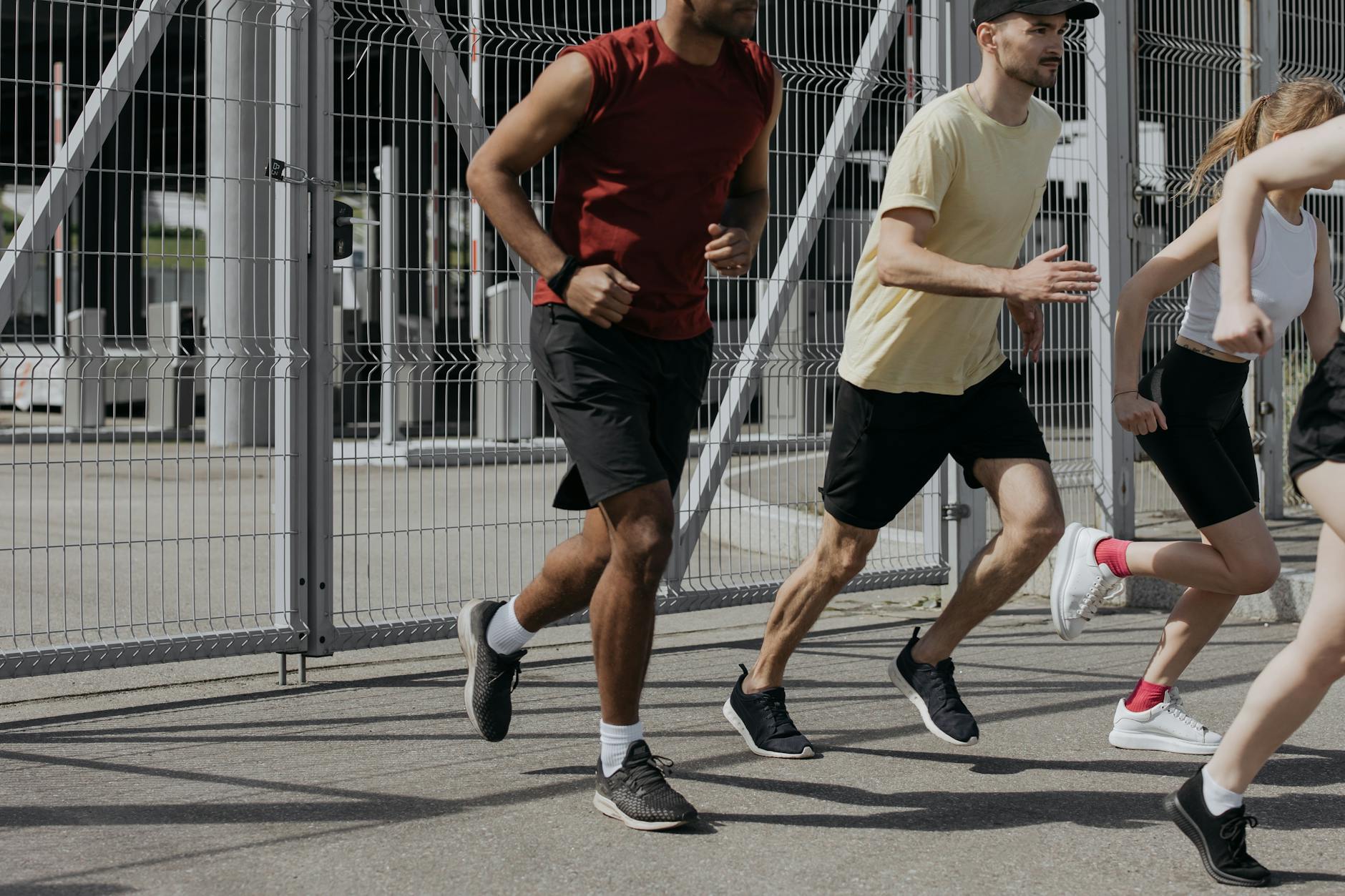
The debate over whether to train in super shoes or save them exclusively for races involves genuine tradeoffs that depend on individual circumstances and training philosophy. Running regularly in race shoes builds neuromuscular familiarity with the altered foot dynamics and allows you to practice pacing with the same equipment you’ll use in competition. Elite athletes typically include one or two runs per week in their race shoes for this purpose, often during tempo sessions or race-pace long runs.
However, the limited lifespan of performance foam means that training miles directly subtract from race-day effectiveness. A runner who logs 50 training miles in their marathon shoes before race day has already used 25 to 33 percent of the shoe’s optimal performance window. The compromise most coaches recommend involves using previous-generation race shoes for training””benefiting from similar geometry and plate feel””while reserving the newest model for actual competition. For example, training in the Nike Vaporfly 2 while racing in the Vaporfly 3 captures most adaptation benefits while preserving premium foam responsiveness for when it matters most.
How to Prepare
- Assess your current running mechanics by recording video of yourself running at race pace from the side and behind, noting your footstrike pattern, cadence, and any asymmetries that might affect how you interact with plated shoes.
- Begin with short test runs of 2 to 3 miles in your new shoes, gradually extending distance over 4 to 6 weeks while monitoring for calf tightness, Achilles soreness, or unusual fatigue patterns that indicate incomplete adaptation.
- Complete at least two runs of 15 miles or longer in your race shoes before your target competition to confirm that fit, cushioning, and energy return feel appropriate at race-relevant distances.
- Practice your exact race-day routine””including sock choice, lacing technique, and pacing strategy””in the same shoes to eliminate variables.
- Confirm that your race shoes have between 20 and 100 miles on them by race day; this provides adequate break-in without significant foam degradation. Warning: Skipping this break-in period is the most common cause of blisters and unexpected discomfort during long races, even in shoes that felt perfect during store try-ons.
How to Apply This
- Lay out your race shoes the night before and inspect them for any debris in the outsole grooves or damage to the upper that could cause problems mid-race.
- Arrive early enough to walk in your race shoes for at least 10 minutes before warming up, allowing the foam to reach optimal temperature and your feet to settle into the fit.
- Run the first 3 miles of your race at your planned pace rather than faster, allowing the shoes’ energy return to establish a sustainable rhythm before you begin relying on it for pace maintenance.
- Use the shoes’ natural momentum to resist surging with other runners, trusting that steady effort will produce consistent splits rather than chasing accelerations that spike your heart rate and compromise later miles.
Expert Tips
- Do not switch to a different model of race shoes within 4 weeks of a goal race, even if newer technology becomes available, as neuromuscular adaptation requires time.
- Rotate your training between at least two pairs of daily trainers with different drop heights and cushioning profiles to maintain foot strength and prevent over-reliance on any single shoe geometry.
- Store race shoes at room temperature away from direct sunlight, as heat accelerates foam degradation even when shoes aren’t being used.
- Consider your body weight when selecting stack height, as runners over 180 pounds often bottom out softer foams and benefit from firmer, more resilient compounds despite their slightly lower energy return percentages.
- Skip race-day shoe changes in marathons unless you have practiced transitions extensively; the time lost and rhythm disruption typically outweigh any theoretical benefits from fresh foam.
Conclusion
Running shoes designed to maintain pace over long distances succeed by reducing the metabolic cost of running through lightweight construction, high-energy-return foams, and embedded propulsive structures like carbon fiber plates. These technologies address the fundamental challenge of muscular fatigue that causes most runners to slow significantly in the final miles of marathons and beyond. However, realizing these benefits requires matching shoe characteristics to individual running mechanics, target distances, and finish-time expectations rather than simply purchasing the most expensive or most hyped model available.
The practical steps for selecting and using pace-maintaining shoes involve honest assessment of your running patterns, adequate break-in periods, and disciplined reservation of premium shoes for races rather than daily training. Tracking mileage on each pair, understanding the limitations of foam lifespan, and adapting gradually to plated shoes all contribute to race-day success. With proper preparation and realistic expectations, modern distance footwear offers meaningful performance benefits that translate directly to faster times and more consistent pacing.
Frequently Asked Questions
How long does it typically take to see results?
Results vary depending on individual circumstances, but most people begin to see meaningful progress within 4-8 weeks of consistent effort. Patience and persistence are key factors in achieving lasting outcomes.
Is this approach suitable for beginners?
Yes, this approach works well for beginners when implemented gradually. Starting with the fundamentals and building up over time leads to better long-term results than trying to do everything at once.
What are the most common mistakes to avoid?
The most common mistakes include rushing the process, skipping foundational steps, and failing to track progress. Taking a methodical approach and learning from both successes and setbacks leads to better outcomes.
How can I measure my progress effectively?
Set specific, measurable goals at the outset and track relevant metrics regularly. Keep a journal or log to document your journey, and periodically review your progress against your initial objectives.
When should I seek professional help?
Consider consulting a professional if you encounter persistent challenges, need specialized expertise, or want to accelerate your progress. Professional guidance can provide valuable insights and help you avoid costly mistakes.
What resources do you recommend for further learning?
Look for reputable sources in the field, including industry publications, expert blogs, and educational courses. Joining communities of practitioners can also provide valuable peer support and knowledge sharing.