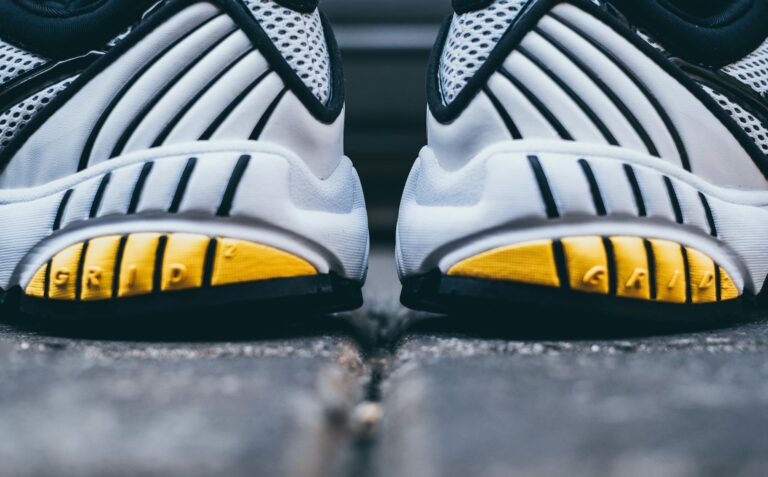
The best running shoes for endurance and comfort combine substantial cushioning in the midsole, a secure but non-restrictive fit, and a weight under 10 ounces for neutral trainers. Models like the Brooks Ghost 16, ASICS Gel-Nimbus 26, and New Balance Fresh Foam 1080v13 consistently rank among the top choices because they balance energy return with plush landing without sacrificing durability over hundreds of miles. For runners logging 30 or more miles per week, these characteristics prevent the cumulative fatigue that turns long runs into survival exercises rather than productive training sessions. What separates a true endurance shoe from a lightweight racer comes down to the midsole compound and stack height.
Racing flats prioritize responsiveness at the cost of protection, which works for a 5K but breaks down your legs over a marathon training cycle. Endurance-focused trainers typically feature 30-35mm of stack height in the heel and use nitrogen-infused foams or dual-density constructions that maintain their cushioning properties beyond the 300-mile mark where cheaper foams go flat. The Brooks Ghost, for example, uses DNA LOFT v2 foam that independent testing shows retains 85% of its original cushioning at 400 miles. This article examines how to identify genuine endurance features versus marketing claims, what trade-offs exist between cushioning and ground feel, how your running gait affects which shoe construction will work best, and practical methods for testing shoes before committing to them for your next training block.
Table of Contents
- What Makes a Running Shoe Truly Built for Endurance and Comfort?
- Understanding Cushioning Technology in Modern Running Footwear
- How Fit and Construction Affect Long-Distance Performance
- Selecting the Right Shoe for Your Running Gait and Biomechanics
- Breaking In Endurance Shoes Without Compromising Your Training
- Durability Factors That Affect Long-Term Comfort
- The Role of Sock Choice in Running Shoe Comfort
- How to Prepare
- How to Apply This
- Expert Tips
- Conclusion
- Frequently Asked Questions
What Makes a Running Shoe Truly Built for Endurance and Comfort?
The defining characteristic of an endurance running shoe is midsole resilience””how well the cushioning material bounces back after compression rather than packing out and becoming dense. EVA foam, the traditional midsole material, loses approximately 40% of its energy return properties within the first 150 miles. Newer compounds like Nike ZoomX, Saucony PWRRUN PB, and HOKA’s proprietary EVA blend maintain energy return rates above 60% for 400+ miles. This difference means the shoe that felt perfect on your first run still feels supportive during your long run eight weeks into a training program. Comfort in distance running differs fundamentally from comfort in daily wear. A plush, soft shoe might feel luxurious standing in a store but create instability during mile 18 of a long run when your stabilizing muscles fatigue.
Effective endurance comfort comes from consistent support rather than maximum softness. The ASICS Gel-Nimbus illustrates this balance well””its gel inserts in the heel provide impact absorption at footstrike, while the FlyteFoam midsole stays firm enough to prevent excessive wobble during the toe-off phase. Weight plays a more nuanced role than marketing suggests. Research from the University of Colorado found that every 100 grams of shoe weight increases metabolic cost by approximately 1%. However, this calculation only matters at race pace. During easy runs and long slow distance, the protection from a slightly heavier shoe (10-11 ounces versus 7-8 ounces) prevents the micro-damage that accumulates into injuries. Elite marathoners may race in 6-ounce carbon-plated shoes, but most train in shoes weighing 9-10 ounces.
Understanding Cushioning Technology in Modern Running Footwear
Midsole foam technology has advanced more in the past decade than in the previous forty years combined. The introduction of thermoplastic polyurethane foams, marketed under names like Adidas Boost and Saucony PWRRUN+, fundamentally changed what runners could expect from cushioning. These materials compress under impact and return energy during toe-off, creating a sensation often described as “bouncy” compared to the “dead” feeling of compressed EVA. The New Balance FuelCell compound exemplifies this approach, with lab testing showing 70% energy return compared to 55% for standard EVA. However, maximum cushioning does not automatically translate to maximum comfort or injury prevention. Runners transitioning from minimal shoes to maximalist cushioning often experience calf and Achilles issues because the elevated heel-to-toe drop changes their gait mechanics.
If you currently run in shoes with 8mm or less of drop, jumping to a 12mm drop maximally cushioned shoe requires a gradual transition of 3-4 weeks with reduced mileage. The body adapts to whatever surface and support it trains on, and sudden changes create injury risk regardless of how “protective” the new shoe claims to be. Stack height””the total thickness of material between your foot and the ground””affects both cushioning and stability. Shoes with stack heights above 35mm provide substantial impact protection but reduce proprioceptive feedback, the sensory information your feet send to your brain about ground contact. Some runners find this disconnect unsettling, particularly on technical terrain. The HOKA Clifton 9 addresses this with a meta-rocker geometry that guides the foot through a consistent roll despite its 33mm stack, but runners who prefer to feel the ground should look at lower-stack options like the Saucony Kinvara (32mm) or Nike Pegasus (33mm with firmer foam).
How Fit and Construction Affect Long-Distance Performance
The upper construction of an endurance shoe matters as much as the midsole for comfort over distance. Engineered mesh has replaced traditional woven textiles in quality running shoes because it allows targeted stretch zones and rigid support zones within a single piece of material. The heel counter””the rigid cup surrounding your heel””should lock your foot in place without causing pressure points. Too loose creates blister-inducing friction; too tight restricts blood flow and causes numbness after an hour of running. Toe box dimensions represent one of the most common fit failures in running shoes. Feet swell during extended running, sometimes by a full shoe size over a marathon distance.
Shoes that fit perfectly in a store often feel constrictive by mile 15. The Altra Torin and Topo Athletic Phantom offer specifically widened toe boxes for runners who experience this swelling, while most major brands now offer wide (2E for men, D for women) options in their endurance models. The Brooks Ghost, for instance, comes in standard, wide, and extra-wide widths, addressing a complaint that affected many runners in previous generations of the shoe. Lacing systems and tongue construction influence both fit and comfort but receive less attention than they deserve. A gusseted tongue””attached to the upper on both sides””prevents the tongue from sliding sideways during runs, eliminating a common source of irritation. Speed laces or elastic lacing systems allow quick adjustment but provide less precise fit control than traditional laces. For runners with high arches or narrow heels, traditional lacing with a heel-lock technique (using the extra eyelet at the top of the shoe) provides the most secure fit.

Selecting the Right Shoe for Your Running Gait and Biomechanics
Gait analysis sounds technical but comes down to a few observable factors: whether your foot rolls inward (pronation), outward (supination), or stays relatively neutral upon landing; where on your foot you make initial ground contact; and how much your knee tracks inward during stance phase. Running specialty stores offer free gait analysis using treadmills and video recording, and this 10-minute assessment can prevent months of injury setbacks from wearing the wrong shoe type. Neutral runners””those with minimal pronation””have the widest selection of endurance shoes because most cushioned trainers assume neutral mechanics. Overpronators need stability features: a firmer foam on the medial (inner) side of the midsole, a stiffer heel counter, or a guidance system like the Brooks GuideRails that limits excessive knee movement. The ASICS Kayano 31 and Saucony Guide 17 represent the current generation of stability-cushioned hybrids that provide support without the heavy, clunky feel of traditional motion-control shoes.
However, recent research complicates the traditional stability shoe paradigm. A 2023 systematic review in the British Journal of Sports Medicine found limited evidence that matching shoe type to pronation level actually reduces injury rates. The researchers suggested that comfort””how the shoe feels to the individual runner””may be a more reliable guide than biomechanical categories. This finding explains why some overpronators run injury-free in neutral shoes while some neutral runners develop issues in the “correct” shoe type. Use gait analysis as a starting point, not a prescription.
Breaking In Endurance Shoes Without Compromising Your Training
New running shoes require a break-in period, but not for the reasons most people assume. The shoe itself needs minimal breaking in””modern materials perform essentially the same out of the box as after 50 miles. Your body, however, needs time to adapt to the different support, cushioning, and geometry of a new shoe. This adaptation period matters most when switching between brands or shoe types, not when replacing an identical model. The standard recommendation involves wearing new shoes for short runs (3-5 miles) for the first week, then gradually incorporating them into longer efforts. Many coaches suggest alternating between old and new shoes during this period rather than switching completely.
This rotation strategy also extends the lifespan of both pairs””the foam recovers better with 48 hours between wearings. Running in the same shoes for consecutive days accelerates material breakdown. A common mistake involves waiting until race week to test new shoes. Even if you’ve worn the identical model before, manufacturing variations between production runs can create subtle differences in fit or feel. Break in your race shoes with at least 30-40 miles of training before any goal race, including several runs at or near race pace. Discovering that the new version of your favorite shoe fits slightly differently during mile 8 of a half marathon creates problems you could have avoided with earlier testing.
Durability Factors That Affect Long-Term Comfort
The lifespan of a running shoe depends on your weight, running surface, gait efficiency, and the shoe’s construction quality. The traditional guideline of replacing shoes every 300-500 miles provides a rough framework, but some shoes””particularly those with TPU-based midsoles””maintain performance well beyond 500 miles, while budget shoes may degrade before 250. Tracking mileage on each pair using a running app or simple notebook helps identify when performance decline begins. Outsole rubber wears faster than midsole foam in most shoes. Visible wear patterns on the bottom of the shoe indicate where your foot contacts the ground most heavily and can reveal gait asymmetries or mechanical issues. However, midsole breakdown””the invisible enemy””causes most injury-related shoe failures.
Compressed foam no longer absorbs impact effectively, transferring stress to joints and soft tissue. If a shoe suddenly feels “flat” or less responsive, the midsole has likely degraded even if the outsole looks fine. Several environmental factors accelerate shoe breakdown. Excessive heat””leaving shoes in a car trunk during summer, or using a dryer””degrades foam compounds quickly. Running exclusively on asphalt wears outsoles faster than softer surfaces. Storing wet shoes without allowing them to dry causes upper materials to break down and creates bacterial growth that produces odors. Removing insoles after wet runs and allowing shoes to air dry at room temperature extends both performance and hygiene.
The Role of Sock Choice in Running Shoe Comfort
Running socks interact with shoes to determine actual on-foot comfort more than most runners realize. Cotton socks retain moisture, creating friction that causes blisters during long runs. Technical fabrics””merino wool, polyester blends, nylon””wick moisture away from skin and dry quickly.
The thickness of the sock also affects fit; if you try on shoes wearing thin dress socks and then run in thick cushioned running socks, the fit changes significantly. The Balega Hidden Comfort and Feetures Elite series represent the current standard for distance running socks, with targeted cushioning zones, seamless toe construction, and compression features that prevent bunching. These socks cost $12-16 per pair, a significant investment, but runners who experience chronic blister issues often find that better socks solve the problem where different shoes failed. A sock that creates a hot spot in one shoe may work perfectly in another, so testing sock-shoe combinations matters.
How to Prepare
- Calculate your weekly mileage average over the past three months, as this determines the durability level you need””casual joggers under 15 miles weekly can prioritize comfort over longevity, while 40+ mile weeks require premium midsole compounds.
- Identify any recurring injury patterns from your training log or memory””shin splints often indicate excessive shoe drop or insufficient cushioning, while knee pain may suggest stability issues or shoes that have lost their support.
- Determine your foot measurements later in the day when feet are slightly swollen, measuring both length and width since many runners discover one foot is larger than the other and should fit to the larger foot.
- Note what brand and model you currently run in and whether any issues have emerged””this gives store staff or your own research a baseline for comparison.
- Set a realistic budget understanding that quality endurance shoes range from $130-180, and while sales on previous model years can save money, extremely cheap “running shoes” from non-specialty brands typically lack the foam technology and construction quality that define true endurance footwear.
How to Apply This
- Perform your first three runs in the new shoes at easy pace only, keeping distance under 5 miles to identify any pressure points or fit issues before they become blisters or bruises.
- Introduce one tempo run or faster workout during the second week of wear, as higher speeds create different foot movements and impact forces that may reveal problems not apparent at easy pace.
- Complete at least one long run of 10+ miles (or whatever your current long run distance is) before committing to the shoes for a race or high-mileage training week.
- Keep your previous shoes available for comparison during the break-in period””if the new shoes cause unusual fatigue or discomfort, alternating pairs prevents the issues from compounding while your body adapts.
Expert Tips
- Rotate between two or three pairs of running shoes to extend each pair’s lifespan by 30-40% and provide your body with varying stimuli that may reduce overuse injury risk.
- Do not buy running shoes based on appearance or brand loyalty alone””the flashiest colorway in your preferred brand may use different materials or construction than the version that won awards.
- Shop at specialty running stores rather than general sporting goods retailers when possible, as trained staff can observe your gait and make informed recommendations.
- Replace your running shoes proactively rather than reactively””waiting until obvious breakdown often means you’ve been running on degraded cushioning for 50-100 miles, potentially contributing to injury.
- Consider the terrain you run most frequently when selecting outsole rubber””road shoes on trails wear quickly, while aggressive trail outsoles feel clunky and slippery on pavement.
Conclusion
Finding running shoes that deliver both endurance and comfort requires understanding the relationship between midsole technology, fit, and your individual biomechanics. The highest-quality foams from major manufacturers genuinely perform better and last longer than budget alternatives, but the most expensive option is not automatically the best choice for every runner. Proper fit, appropriate stability level for your gait, and adequate break-in time matter as much as the specific foam compound in the midsole.
Your next step involves honest assessment of your current shoe situation””whether your existing shoes have degraded, whether they match your current training needs, and whether fit or comfort issues have emerged. Armed with information about your mileage, injury history, and foot shape, a visit to a specialty running store or careful online research can identify candidates worth testing. The goal is not finding a perfect shoe but finding a shoe that supports your training consistently across hundreds of miles.
Frequently Asked Questions
How long does it typically take to see results?
Results vary depending on individual circumstances, but most people begin to see meaningful progress within 4-8 weeks of consistent effort. Patience and persistence are key factors in achieving lasting outcomes.
Is this approach suitable for beginners?
Yes, this approach works well for beginners when implemented gradually. Starting with the fundamentals and building up over time leads to better long-term results than trying to do everything at once.
What are the most common mistakes to avoid?
The most common mistakes include rushing the process, skipping foundational steps, and failing to track progress. Taking a methodical approach and learning from both successes and setbacks leads to better outcomes.
How can I measure my progress effectively?
Set specific, measurable goals at the outset and track relevant metrics regularly. Keep a journal or log to document your journey, and periodically review your progress against your initial objectives.
When should I seek professional help?
Consider consulting a professional if you encounter persistent challenges, need specialized expertise, or want to accelerate your progress. Professional guidance can provide valuable insights and help you avoid costly mistakes.
What resources do you recommend for further learning?
Look for reputable sources in the field, including industry publications, expert blogs, and educational courses. Joining communities of practitioners can also provide valuable peer support and knowledge sharing.