Running seven miles after age 60 is not only achievable but can deliver substantial cardiovascular, metabolic, and cognitive benefits when approached with proper preparation and medical clearance. The key lies in gradual progression, honest assessment of your current fitness level, and recognition that recovery takes longer than it did in your thirties or forties. Most healthy adults over 60 can work toward this distance over six to twelve months, though those with underlying heart conditions, severe joint degeneration, or balance issues may need to pursue modified goals or alternative forms of cardio. Consider the case of a 64-year-old former recreational jogger who returned to running after a decade-long hiatus.
By starting with walk-run intervals three times weekly and increasing mileage by no more than ten percent per week, she completed her first seven-mile run within eight months. Her resting heart rate dropped from 78 to 62 beats per minute, and her physician noted improved cholesterol ratios at her annual physical. This outcome reflects what research consistently shows: endurance running in older adults correlates with reduced all-cause mortality and better cardiometabolic health. This article examines the specific health benefits of running seven miles at 60 and beyond, addresses the genuine risks involved, and provides practical guidance for training safely. You’ll find information on cardiovascular adaptations, joint health considerations, warning signs to watch for, and step-by-step preparation strategies tailored to older runners.
Table of Contents
- What Are the Cardiovascular Benefits of Running 7 Miles After 60?
- How Running at 60 Affects Joint Health and Bone Density
- Understanding Recovery Time for Older Distance Runners
- Practical Steps to Build Up to 7 Miles Safely After 60
- Warning Signs and Health Risks During Long Runs After 60
- Mental Health and Cognitive Benefits of Endurance Running in Your Sixties
- How to Prepare
- How to Apply This
- Expert Tips
- Conclusion
- Frequently Asked Questions
What Are the Cardiovascular Benefits of Running 7 Miles After 60?
Sustained aerobic exercise like running seven miles creates profound adaptations in the cardiovascular system, regardless of when you start. The heart becomes more efficient at pumping blood, stroke volume increases, and arterial walls maintain better elasticity compared to sedentary peers. A landmark study published in the Journal of the American College of Cardiology found that runners over 50 who maintained consistent training had vascular ages approximately 20 years younger than their chronological age. The seven-mile distance sits in a productive zone for cardiovascular conditioning.
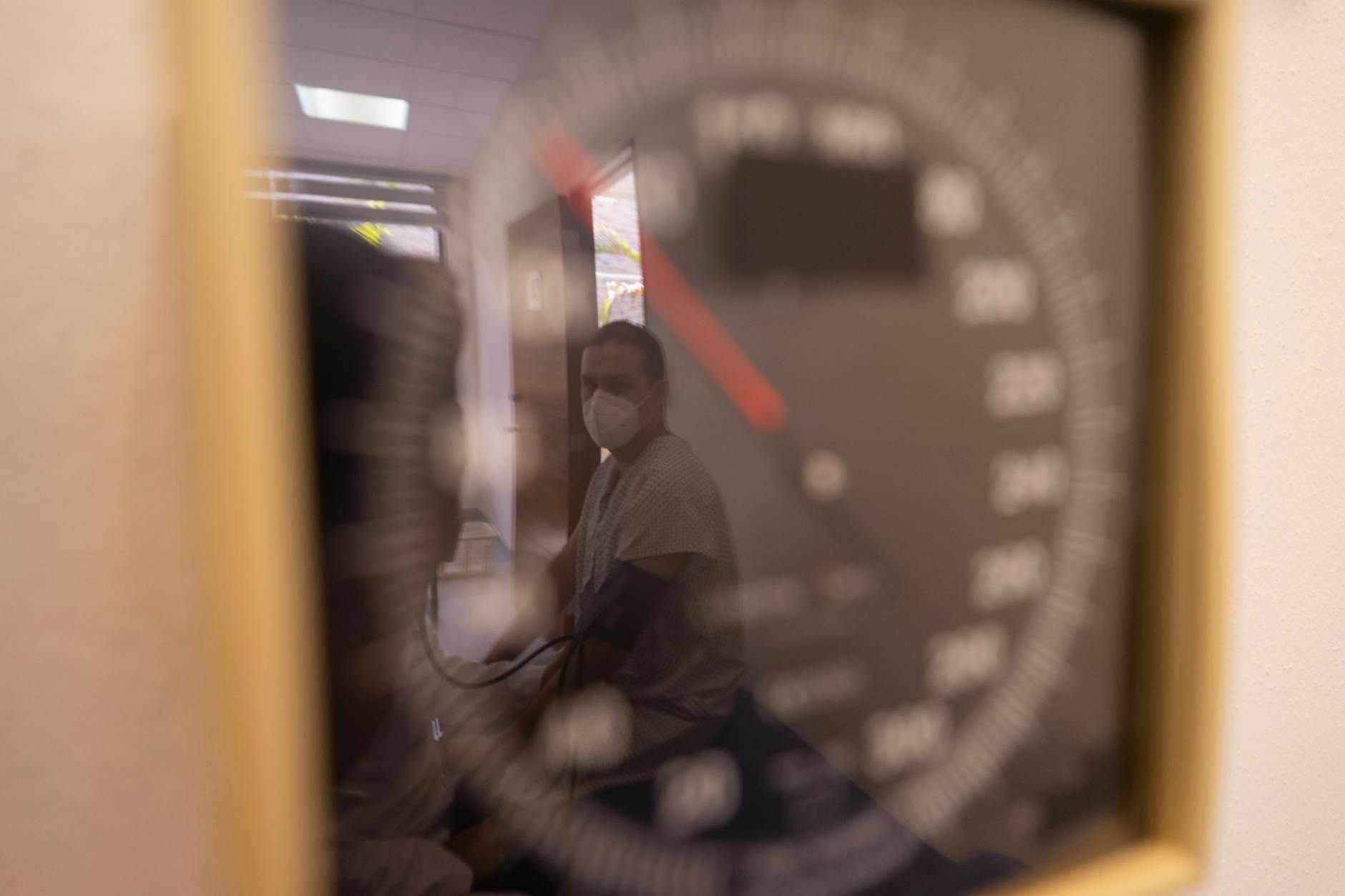
It’s long enough to require sustained aerobic effort, typically 70 to 90 minutes for most older recreational runners, which promotes mitochondrial density and capillary development in muscle tissue. These adaptations improve oxygen delivery and utilization throughout the body, translating to better stamina for daily activities and reduced fatigue during routine tasks like climbing stairs or walking through airports. However, these benefits assume a healthy cardiovascular baseline. The American Heart Association recommends that adults over 60 who plan to begin vigorous exercise undergo screening for coronary artery disease, particularly if they have diabetes, hypertension, or a family history of early heart disease. Running with undiagnosed blockages creates real risk, so the benefit-risk equation depends entirely on proper medical evaluation before ramping up training intensity.
How Running at 60 Affects Joint Health and Bone Density
Contrary to persistent myths, running does not destroy joints in healthy individuals. Multiple longitudinal studies, including a 21-year investigation published in the Archives of Internal Medicine, found that regular runners actually developed less osteoarthritis than non-runners of the same age. The mechanical loading from running stimulates cartilage turnover and maintains joint fluid viscosity, while also increasing bone mineral density in weight-bearing areas. The seven-mile distance, run at a moderate pace, delivers meaningful bone-strengthening stress without the extreme impact forces associated with sprinting or racing. For women past menopause and men over 65, this matters considerably.
Running counters the natural decline in bone density that accelerates with age, reducing fracture risk over time. One study found that older runners had hip bone density values comparable to adults 15 years younger. However, if you have existing cartilage damage, bone spurs, or significant osteoarthritis, the calculus changes. Running may accelerate deterioration in already-compromised joints, and the seven-mile threshold could prove too demanding. In these cases, low-impact alternatives like cycling, swimming, or elliptical training may provide cardiovascular benefits without the repetitive ground forces. A sports medicine evaluation can clarify whether your joints can handle the workload or whether modification is necessary.
Understanding Recovery Time for Older Distance Runners
Recovery represents the most significant difference between running at 60 and running at 30. Muscle protein synthesis slows with age, connective tissue becomes less resilient, and the inflammatory response to exercise takes longer to resolve. What once required 24 hours of recovery may now demand 48 to 72 hours. Ignoring this reality leads to overtraining syndrome, chronic fatigue, and injury. The practical implication for seven-mile runs is frequency limitation.
Most runners over 60 should aim for no more than one to two longer runs per week, with shorter easy runs or cross-training days between them. Sleep quality becomes paramount, as does nutrition timing; consuming protein within two hours after a long run supports muscle repair more effectively than waiting until the next meal. A specific example illustrates this point. A 62-year-old runner who completed seven miles every other day for three weeks developed persistent Achilles tendinitis that sidelined him for four months. When he returned, running the same distance only twice weekly with strength training and swimming between sessions, he experienced no further injury. The distance wasn’t the problem; the recovery interval was.

Practical Steps to Build Up to 7 Miles Safely After 60
Building to seven miles requires patience and a structured approach that respects physiological limits. The comparison between aggressive and conservative buildup strategies reveals stark differences in outcomes. Runners who increase weekly mileage by more than ten percent or add distance too quickly face injury rates exceeding 50 percent within the first year. Those who follow gradual progression protocols see injury rates below 20 percent. The walk-run method, popularized by Olympic coach Jeff Galloway, works particularly well for older adults building distance. Starting with three-minute run intervals followed by one-minute walks, runners gradually extend the running segments while shortening walks.
This approach keeps heart rate in productive training zones while reducing cumulative musculoskeletal stress. Many 60-plus runners find they can complete seven miles this way before transitioning to continuous running. The tradeoff involves time. A conservative six-month buildup requires dedication without immediate gratification. Runners must accept that the first month may involve more walking than running, and that peers who started running younger may cover the same distance faster. The reward comes in durability: runners who build slowly tend to maintain their training for years, while those who rush often cycle through periods of injury and forced rest.
Warning Signs and Health Risks During Long Runs After 60
Certain warning signs during or after running demand immediate attention, and ignoring them can have serious consequences. Chest pain, pressure, or tightness during exertion, even if mild, requires stopping and seeking medical evaluation. Dizziness, lightheadedness, or unusual shortness of breath disproportionate to effort level may indicate cardiac or metabolic problems. Pain that forces gait changes or doesn’t resolve with a day of rest suggests tissue damage requiring treatment. Heat tolerance decreases with age, making older runners more susceptible to heat exhaustion and heat stroke.
The thirst mechanism becomes less reliable after 60, meaning significant dehydration can develop before you feel thirsty. Running seven miles in warm conditions requires proactive hydration strategies and willingness to cut runs short when temperatures exceed safe thresholds. A critical limitation to recognize: some cardiovascular events occur without warning symptoms. Sudden cardiac arrest, while rare, accounts for most running-related deaths in older adults. This reality underscores the importance of pre-participation screening, particularly stress testing for those with risk factors. The benefits of running dramatically outweigh risks for properly screened individuals, but screening matters.

Mental Health and Cognitive Benefits of Endurance Running in Your Sixties
Running seven miles provides sustained aerobic activity that stimulates brain-derived neurotrophic factor (BDNF) production, a protein essential for cognitive function and memory formation. Older adults who maintain aerobic fitness show slower rates of hippocampal shrinkage, the brain region most affected by Alzheimer’s disease, compared to sedentary peers.
The mental health benefits extend beyond physiology. The accomplishment of completing seven miles provides genuine confidence and sense of capability that counters the cultural narrative of inevitable decline with age. A 67-year-old runner described her weekly long runs as “the thing that reminds me I’m still capable of hard things.” This psychological dimension shouldn’t be underestimated; feeling physically competent contributes meaningfully to overall wellbeing and life satisfaction in older adults.
How to Prepare
- **Obtain medical clearance** with specific attention to cardiovascular screening. Request a stress test if you have hypertension, diabetes, elevated cholesterol, or family history of heart disease. Don’t assume that feeling healthy equals being cleared for vigorous exercise.
- **Establish a baseline of consistent activity** before adding running. Walk briskly for 30 minutes at least four times weekly for one month. If walking causes joint pain or excessive fatigue, address these issues before progressing.
- **Begin with walk-run intervals** at short distances, typically one to two miles. Use a pattern like two minutes running followed by one minute walking. Complete this distance three times during the first week with at least one rest day between sessions.
- **Progress weekly mileage by no more than ten percent** and add no more than half a mile to your longest run each week. Track total weekly mileage and longest single run separately, as both metrics matter for injury prevention.
- **Incorporate strength training twice weekly** focusing on legs, core, and hip stabilizers. Single-leg exercises like lunges and step-ups build the stability older runners need to handle seven-mile distances without compensation injuries.
How to Apply This
- **Schedule runs in advance** and treat them as non-negotiable appointments. Older runners who rely on motivation rather than scheduling rarely achieve consistency. Put three to four weekly sessions on your calendar with specific days and times.
- **Track recovery markers** beyond simple soreness. Monitor resting heart rate each morning; elevation of more than five beats suggests incomplete recovery. Note sleep quality and general energy levels. Persistent fatigue indicates the need for additional rest regardless of what your training plan says.
- **Adjust based on response** rather than following any plan rigidly. If a four-mile run leaves you exhausted for two days, you’re not ready for five miles next week. Plans provide structure, but your body provides data that overrides any schedule.
- **Build a support system** that includes at least one running partner or group, even if you don’t run with them every session. Accountability improves consistency, and experienced running partners can recognize warning signs you might dismiss.
Expert Tips
- Run by time rather than distance during the buildup phase. A 60-minute run at comfortable effort adapts your body to sustained activity without the psychological pressure of hitting specific mileage targets.
- Do not run through joint pain that changes your gait. Any limp or compensation pattern signals tissue stress that will worsen with continued running. Stop and reassess.
- Replace running shoes every 300 to 400 miles, as midsole cushioning degrades before visible wear appears. Older runners benefit more from fresh cushioning than younger runners with more resilient connective tissue.
- Schedule your long run for the morning when body temperature and joint lubrication are naturally optimized after a night’s rest and adequate hydration.
- Include at least one day of complete rest weekly with no exercise beyond normal daily activity. Active recovery works for younger athletes; older runners genuinely need full rest days for systemic recovery.
Conclusion
Running seven miles after 60 delivers genuine cardiovascular, metabolic, cognitive, and psychological benefits that support healthier aging. The distance is achievable for most healthy adults willing to invest six to twelve months in gradual preparation, though the requirement for proper medical screening and realistic recovery expectations cannot be overstated. The runners who succeed at this distance long-term share common traits: patience during buildup, willingness to take rest days, and ego management that allows backing off when the body signals overload. The next step depends on your current fitness level.
If you’re sedentary, begin with the walking foundation described in the preparation section. If you’re already running shorter distances, assess your current weekly mileage and longest run, then map a gradual progression toward seven miles. Either way, schedule that medical evaluation before increasing training intensity. The benefits await, but so do the risks if preparation is skipped.
Frequently Asked Questions
How long does it typically take to see results?
Results vary depending on individual circumstances, but most people begin to see meaningful progress within 4-8 weeks of consistent effort. Patience and persistence are key factors in achieving lasting outcomes.
Is this approach suitable for beginners?
Yes, this approach works well for beginners when implemented gradually. Starting with the fundamentals and building up over time leads to better long-term results than trying to do everything at once.
What are the most common mistakes to avoid?
The most common mistakes include rushing the process, skipping foundational steps, and failing to track progress. Taking a methodical approach and learning from both successes and setbacks leads to better outcomes.
How can I measure my progress effectively?
Set specific, measurable goals at the outset and track relevant metrics regularly. Keep a journal or log to document your journey, and periodically review your progress against your initial objectives.
When should I seek professional help?
Consider consulting a professional if you encounter persistent challenges, need specialized expertise, or want to accelerate your progress. Professional guidance can provide valuable insights and help you avoid costly mistakes.
What resources do you recommend for further learning?
Look for reputable sources in the field, including industry publications, expert blogs, and educational courses. Joining communities of practitioners can also provide valuable peer support and knowledge sharing.