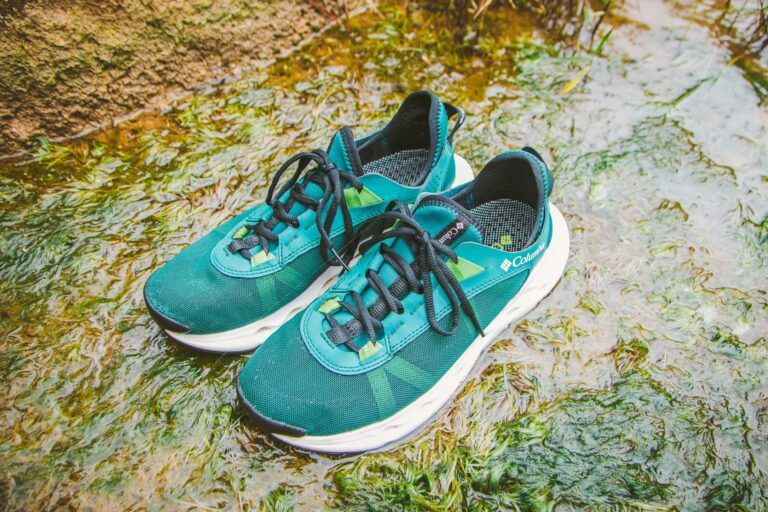
The best road running shoes combine responsive cushioning, durable outsole rubber, and lightweight construction to handle the repetitive impact of asphalt and concrete mile after mile. Current favorites among serious road runners include the Nike Pegasus line for daily training versatility, the Saucony Endorphin Speed for tempo work and racing, the Brooks Ghost for neutral cushioning, and the ASICS Gel-Nimbus for maximum shock absorption on longer distances. These shoes share common traits: midsole foams engineered to return energy without breaking down over hundreds of miles, outsole patterns designed for grip on wet and dry pavement, and upper materials that balance breathability with structure.
Choosing the right pavement shoe depends on your weekly mileage, foot mechanics, and training goals. A runner logging 50 miles per week needs more durable cushioning than someone running 15, and a neutral striker requires different support than an overpronator. For example, a marathoner training through Chicago winters might prioritize the Saucony Triumph’s plush cushioning and reliable wet-surface traction, while a 5K-focused runner could opt for the lighter, more responsive Adidas Adizero SL. This article covers what separates road-specific designs from trail or track shoes, how to match shoe characteristics to your running style, and practical guidance for building a rotation that extends shoe life while optimizing performance across different workout types.
Table of Contents
- What Makes Road Running Shoes Different From Other Running Footwear?
- Understanding Cushioning Systems in Modern Road Shoes
- How Outsole Design Affects Pavement Durability and Grip
- Building an Effective Road Shoe Rotation
- The Role of Drop in Road Shoe Selection
- How to Prepare
- How to Apply This
- Expert Tips
- Conclusion
- Frequently Asked Questions
What Makes Road Running Shoes Different From Other Running Footwear?
Road running shoes are engineered specifically for the predictable, hard surfaces of pavement, which creates distinct design requirements compared to trail or track footwear. The midsole foam in road shoes prioritizes consistent energy return and durability over the stability features needed for uneven terrain. Outsoles use flatter, less aggressive tread patterns with harder rubber compounds that resist the abrasive wear of concrete without adding unnecessary weight. The average road shoe weighs between 8 and 11 ounces, lighter than most trail shoes but heavier than racing flats, striking a balance between protection and efficiency.
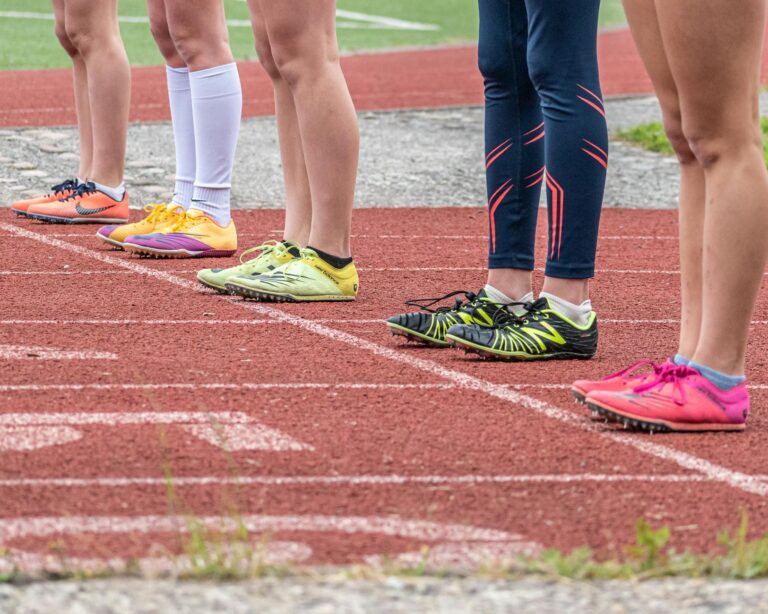
Trail shoes, by contrast, feature deeper lugs for grip on dirt and rock, reinforced toe caps for protection, and stiffer midsoles for stability on technical terrain. If you primarily run on pavement but occasionally hit packed dirt paths, a road shoe handles both adequately. However, if more than 30 percent of your running involves loose gravel, mud, or rooted trails, the shallow tread of road shoes becomes a liability, increasing slip risk and wearing down faster. Track spikes and racing flats sacrifice cushioning and durability for minimal weight, making them unsuitable for the accumulated impact of regular pavement training. The limitation of road-specific shoes is their specialization: they perform poorly on technical trails and wear quickly on abrasive surfaces like cinder tracks.

Understanding Cushioning Systems in Modern Road Shoes
Midsole technology has advanced significantly over the past decade, with foam compounds now offering more energy return with less weight penalty than previous generations. Nike’s ZoomX foam, Saucony’s PWRRUN PB, and Adidas Lightstrike Pro represent the current performance tier, typically found in racing and tempo shoes priced above $150. These foams return 80 to 87 percent of impact energy, reducing the metabolic cost of running by measurable percentages. daily trainers use slightly heavier but more durable foams like Nike React, Brooks DNA Loft, and ASICS FlyteFoam that maintain their properties past 400 miles.
The stack height, or total thickness of foam underfoot, ranges from around 20mm in minimalist road shoes to over 40mm in maximalist designs. Higher stacks provide more cushioning for longer distances and heavier runners but can reduce ground feel and stability. However, if you have a history of ankle instability or are transitioning from lower-profile shoes, jumping directly to high-stack models increases injury risk. A study published in the British Journal of Sports Medicine found that runners who increased stack height by more than 8mm without a transition period experienced higher rates of ankle and knee complaints. The practical approach is changing stack height gradually, increasing by no more than 4 to 6mm per shoe transition and allowing three to four weeks of adaptation.
How Outsole Design Affects Pavement Durability and Grip
Outsole rubber compound and pattern determine how long a shoe lasts on pavement and how confidently it grips in varying conditions. Most road shoes use blown rubber in the forefoot for cushioning and flexibility paired with carbon rubber in the heel for durability, since heel strikers generate the most wear in that zone. Premium models from ASICS and Brooks often feature proprietary high-abrasion rubber that extends outsole life by 15 to 20 percent compared to standard compounds, though this adds slight weight. Tread pattern matters more than many runners realize, particularly for those running in wet climates.
Shoes with shallow, widely spaced grooves like the Nike Vomero hydroplane more readily on wet pavement than designs with deeper flex grooves that channel water away from the contact patch. The Saucony Guide and Brooks Adrenaline feature excellent wet-surface traction due to their multi-directional groove patterns. For runners in consistently dry climates, tread pattern matters less than foam quality and fit. The tradeoff with aggressive tread patterns is slightly increased weight and marginally faster foam exposure as grooves deepen with wear.

Building an Effective Road Shoe Rotation
Running in multiple pairs of shoes rather than a single pair extends the life of each shoe and may reduce injury risk. Research from the Luxembourg Institute of Health found that runners who rotated between at least two pairs of shoes had 39 percent lower injury rates than single-pair runners. The theory is that varying the mechanical stimulus prevents repetitive stress on identical tissue loading patterns. A practical rotation for a runner training five days per week might include a cushioned daily trainer for easy runs, a lighter responsive shoe for tempo and interval work, and optionally a long-run specific shoe with maximum cushioning. The comparison between a two-shoe and three-shoe rotation involves diminishing returns. Going from one to two shoes provides the largest injury reduction benefit and meaningfully extends shoe lifespan since foam requires 24 to 48 hours to fully recover compression. Adding a third shoe helps if your training includes distinct workout types but increases upfront cost and storage needs. For runners covering fewer than 25 miles weekly, a single versatile trainer like the New Balance Fresh Foam 1080 or ASICS Gel-Cumulus handles all workout types adequately. The investment in rotation makes more sense for higher-mileage runners who would otherwise replace a single pair every two to three months.
## Common Fit Problems and How to Solve Them Improper fit causes more running injuries and shoe dissatisfaction than any other factor, yet many runners wear incorrect sizes or shapes for their feet. The most common mistake is choosing shoes too small, particularly in length. Feet swell during running, especially in warm conditions and during longer efforts, requiring approximately a thumb’s width of space between the longest toe and the shoe’s end. Width is equally important: a shoe that fits well in length but pinches across the forefoot causes numbness, blisters, and potential nerve compression issues like Morton’s neuroma. Brand sizing varies enough to make number-based purchasing unreliable across different manufacturers. A runner who wears size 10 in Nike often needs 10.5 in Brooks and 9.5 in New Balance. Trying shoes later in the day when feet have swollen slightly provides a more realistic fit assessment. However, if you order online without trying the specific model first, order two sizes and return the wrong one rather than guessing. Warning: running specialty stores provide valuable fitting expertise, but some use pressure mapping or gait analysis to upsell stability shoes to neutral runners who do not need them. Research your foot type independently before visiting to avoid unnecessary purchases.
The Role of Drop in Road Shoe Selection
Heel-to-toe drop, the height difference between heel and forefoot cushioning, influences running mechanics and should match your natural stride pattern. Traditional running shoes feature 10 to 12mm drops that accommodate heel striking, while lower-drop shoes in the 4 to 8mm range encourage midfoot contact. Zero-drop shoes position the heel and forefoot at equal heights, similar to being barefoot.
Lower-drop shoes shift loading toward the Achilles tendon and calf muscles, which can improve running economy in adapted runners but causes injury in those who transition too quickly. A runner who has always worn traditional 10mm drop shoes should not switch directly to 4mm shoes for high-mileage training. The safer approach involves stepping down in 2 to 4mm increments over several months, limiting initial mileage in lower-drop shoes to 20 percent of weekly volume. For example, if you currently run in the Brooks Glycerin at 10mm drop and want to try the Altra Escalante at zero drop, an intermediate shoe like the Saucony Kinvara at 4mm helps the transition.

How to Prepare
- Assess your current shoes by examining wear patterns on the outsole. Wear concentrated on the outer heel suggests neutral mechanics, while wear along the inner edge indicates overpronation that may benefit from stability features.
- Determine your weekly mileage and typical training surfaces to prioritize appropriate cushioning levels and durability requirements. Runners exceeding 40 miles weekly need shoes rated for 400-plus miles of cushioning retention.
- Identify any recurring pain or injury patterns that might indicate poor shoe matching. Knee pain sometimes correlates with excessive cushioning, while calf and Achilles issues may suggest inappropriate drop height.
- Measure both feet in the afternoon using a Brannock device or traceable outline, noting that most people have one foot slightly larger and should fit to the larger foot.
- Research three to five specific models in your category before visiting stores or ordering, reading reviews from runners with similar mileage and body types.
How to Apply This
- Visit a specialty running store with your current shoes and any foot measurement data, requesting to try at least three different models in your identified category that fit your biomechanical needs.
- Test each shoe on an in-store treadmill or, ideally, on actual pavement outside the store, running for at least two to three minutes to assess cushioning feel and fit during actual running motion rather than walking.
- Compare the shoes across specific criteria including heel lockdown, forefoot room, cushioning firmness, and responsiveness rather than relying on general impressions or immediate comfort, which can mislead.
- After purchasing, introduce new shoes gradually by alternating with your previous pair for the first 30 to 50 miles, monitoring for any new discomfort that might indicate fit issues masked during brief store testing.
Expert Tips
- Replace road shoes every 300 to 500 miles depending on your weight, running surface, and foam type. Heavier runners and those on rougher pavement should replace closer to 300 miles.
- Do not judge cushioning by finger-pressing the midsole. Foam compression during running differs entirely from static pressure, and some firm-feeling foams provide excellent impact protection.
- Avoid wearing running shoes for daily walking or errands. The foam compresses under body weight even without running impact, reducing effective shoe life by up to 30 percent.
- Store shoes at room temperature away from direct heat. Leaving shoes in hot car trunks accelerates foam breakdown and glue deterioration, sometimes destroying shoes within weeks.
- Do not chase the latest foam technology if your current shoes work well. Newer is not always better for your specific mechanics, and premium foam upgrades may not provide perceptible benefits for your running style.
Conclusion
Selecting road running shoes built for pavement performance requires matching your biomechanics, training volume, and goals to specific shoe characteristics rather than following trends or brand marketing. The cushioning system, outsole durability, heel drop, and fit work together to either support your running or create problems over accumulated miles. Understanding these elements transforms shoe shopping from guesswork into informed decision-making.
Moving forward, assess your current shoes honestly, identify what works and what causes issues, and use that information to guide your next selection. Consider building a rotation if your mileage justifies it, and always prioritize fit over features. The best road running shoe is ultimately the one that lets you train consistently without pain, and that answer differs for every runner based on their unique combination of foot shape, running style, and training demands.
Frequently Asked Questions
How long does it typically take to see results?
Results vary depending on individual circumstances, but most people begin to see meaningful progress within 4-8 weeks of consistent effort. Patience and persistence are key factors in achieving lasting outcomes.
Is this approach suitable for beginners?
Yes, this approach works well for beginners when implemented gradually. Starting with the fundamentals and building up over time leads to better long-term results than trying to do everything at once.
What are the most common mistakes to avoid?
The most common mistakes include rushing the process, skipping foundational steps, and failing to track progress. Taking a methodical approach and learning from both successes and setbacks leads to better outcomes.
How can I measure my progress effectively?
Set specific, measurable goals at the outset and track relevant metrics regularly. Keep a journal or log to document your journey, and periodically review your progress against your initial objectives.
When should I seek professional help?
Consider consulting a professional if you encounter persistent challenges, need specialized expertise, or want to accelerate your progress. Professional guidance can provide valuable insights and help you avoid costly mistakes.
What resources do you recommend for further learning?
Look for reputable sources in the field, including industry publications, expert blogs, and educational courses. Joining communities of practitioners can also provide valuable peer support and knowledge sharing.