The best outdoor running shoes for long distance comfort combine adequate cushioning, a secure fit, and enough room in the toe box to accommodate foot swelling during extended efforts. Runners covering 10 miles or more consistently report that shoes with at least 25mm of heel cushioning, a heel-to-toe drop between 8-12mm, and breathable mesh uppers reduce fatigue and prevent hot spots better than minimalist or racing-focused options. For example, a runner training for a marathon who switched from a lightweight racing flat to a more cushioned trainer found her knee pain disappeared and her weekly mileage increased by 15 miles before fatigue became an issue.
Choosing the right shoe requires understanding that long distance running places unique demands on footwear that shorter runs simply do not. Your feet swell by as much as half a size during runs exceeding 90 minutes, impact forces accumulate over thousands of footstrikes, and small irritations become blisters by mile 15. This article covers what features matter most for distance comfort, how terrain affects your shoe choice, the role of cushioning technology and stack height, fitting considerations specific to long runs, durability expectations, and common mistakes that undermine comfort during high-mileage training. The goal is not to recommend specific brands but to help you understand which characteristics to prioritize so you can evaluate any shoe against your distance running needs.
Table of Contents
- What Makes Outdoor Running Shoes Comfortable for Long Distance Efforts?
- Cushioning Technology and Stack Height for Distance Running
- How Terrain Influences Long Distance Shoe Selection
- Fitting Long Distance Running Shoes for All-Day Comfort
- Durability Expectations and Recognizing Worn Cushioning
- The Role of Sock and Insole Systems in Distance Comfort
- How to Prepare
- How to Apply This
- Expert Tips
- Conclusion
- Frequently Asked Questions
What Makes Outdoor Running Shoes Comfortable for Long Distance Efforts?
Long distance comfort in running shoes stems from three interconnected factors: energy return, foot security, and thermal management. Energy return refers to how much of the impact energy gets redirected into your next stride rather than dissipating as heat or compression. Shoes with modern foam compounds like EVA variants or TPU-based materials typically return 60-70% of impact energy, while older foam technologies might only return 50-55%. Over 20,000 footstrikes in a marathon, that difference translates to measurably less muscular effort. Foot security matters because even slight heel slippage or midfoot shifting forces your smaller stabilizing muscles to work overtime, leading to premature fatigue and potential injury.
A properly fitting distance shoe locks the heel in place without creating pressure points, wraps the midfoot snugly through the lacing system, and allows toes to spread naturally on impact. The difference between a secure fit and a sloppy one often becomes apparent only after mile 8 or 10, which is why testing shoes on longer runs before committing to them matters. Thermal management is frequently overlooked but becomes critical during summer training or runs exceeding two hours. Mesh density, moisture-wicking lining materials, and overall ventilation design affect how much heat builds up inside the shoe. Comparing two popular trainers, one with engineered mesh and one with knit construction, runners in warm conditions often report noticeably cooler feet in the engineered mesh version despite similar cushioning profiles.

Cushioning Technology and Stack Height for Distance Running
Modern running shoe cushioning has evolved dramatically, with stack heights ranging from 20mm in traditional trainers to 40mm or more in maximalist designs. Higher stack heights generally provide more material to absorb impact, which many distance runners find reduces leg fatigue during the final miles of long runs. However, the relationship between cushioning and comfort is not linear. Beyond a certain point, additional cushioning creates instability, reduces ground feel, and can actually increase injury risk by encouraging inefficient running mechanics. The foam compound matters as much as the quantity.
Shoes using nitrogen-infused foam, supercritical foam processing, or proprietary polymer blends maintain their cushioning properties longer than standard EVA. This durability consideration becomes important for distance runners who accumulate 40-60 miles weekly and need their shoes to perform consistently over 400-500 miles of use. A shoe that feels perfect at mile 50 but dead at mile 200 offers poor value for serious training. However, if you are a lighter runner under 140 pounds or you have excellent running economy, maximalist cushioning may actually work against you. The additional weight and reduced proprioceptive feedback can slow your turnover and mask minor form issues that accumulate into larger problems over time. Runners in this category often find that moderate cushioning between 25-32mm of stack height offers the best balance between protection and performance.
How Terrain Influences Long Distance Shoe Selection
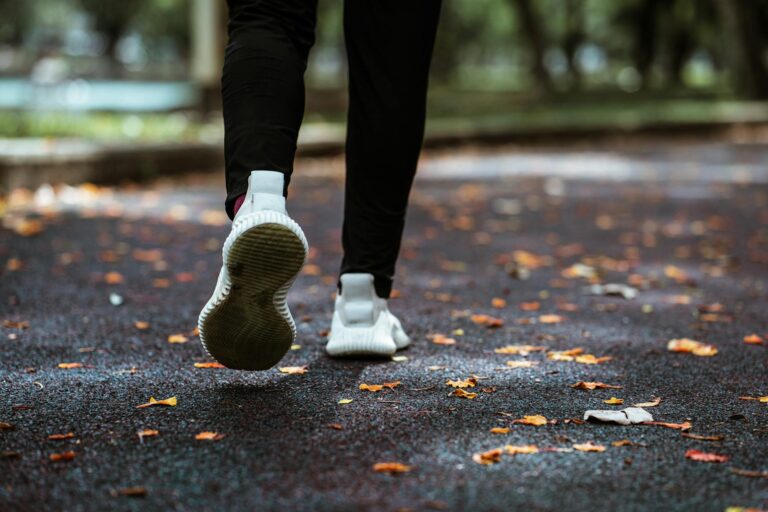
Outdoor running encompasses everything from smooth asphalt paths to technical mountain trails, and the terrain you cover most frequently should heavily influence your shoe choice. road-specific distance shoes prioritize smooth energy transfer and consistent cushioning response, with relatively flat outsoles designed for pavement grip. Trail-oriented distance shoes add aggressive lugs for traction, reinforced toe caps for protection against rocks, and often firmer midsoles to prevent stone bruising. The hybrid category of trail-road shoes attempts to serve runners who transition between surfaces during their long runs, which describes many suburban and rural runners. These shoes typically feature moderate tread patterns that work acceptably on both packed dirt and sidewalks without excelling on either.
A runner logging weekly long runs through a park system with paved paths and crushed gravel sections might find this compromise ideal, while someone running exclusively on mountain singletrack would find the traction inadequate. Outsole rubber compound also varies by terrain intent. Road shoes use softer rubber for grip on smooth surfaces, which wears quickly on rough terrain. Trail shoes use harder rubber compounds with deeper lugs that feel harsh on pavement but last considerably longer on rocky trails. Understanding your primary terrain helps you select rubber durometer and lug patterns that will both perform well and last through your training cycle.

Fitting Long Distance Running Shoes for All-Day Comfort
Proper fit for distance running differs from fit for shorter efforts because your feet change during extended activity. Most runners should size up by half a size from their casual shoe measurement for long distance trainers, ensuring adequate room for toe splay and swelling. The thumbnail test remains useful: with the shoe laced and your foot weighted, you should be able to fit approximately a thumb’s width between your longest toe and the end of the shoe. The tradeoff with extra length is potential heel slippage, which is why heel counter construction matters enormously in distance shoes.
A rigid heel counter that cups the calcaneus prevents the foot from sliding forward and back within the shoe, even as the forefoot area allows expansion. Some runners find heel lock lacing techniques helpful for securing their heel while maintaining roomy toe boxes, threading the laces through the extra eyelet holes near the ankle to create additional tension. Width options have expanded significantly, with most major manufacturers now offering regular, wide, and extra-wide versions of their distance trainers. Runners with high-volume feet or those prone to bunions and hammertoes should explore wide models rather than simply sizing up in length, as the latter approach creates excess material that bunches and causes friction. Trying shoes later in the day when feet are naturally slightly swollen more accurately simulates the conditions they will experience during long runs.
Durability Expectations and Recognizing Worn Cushioning
Distance running shoes face tremendous stress, and most trainers designed for long efforts lose meaningful cushioning between 300-500 miles depending on runner weight, gait efficiency, and running surface. The challenge for many runners is recognizing when cushioning has degraded before injury occurs, since the decline happens gradually and is often imperceptible run-to-run. Tracking mileage on each pair and rotating multiple shoes helps maintain consistent cushioning and extends the lifespan of each individual pair. Warning signs of worn cushioning include new aches in knees or hips that appear only in your older pair, visible compression lines or wrinkles in the midsole foam, outsole wear that has exposed the midsole material, and a general sense that runs feel harder than they should at easy paces.
Many runners make the mistake of evaluating shoe condition based solely on outsole wear, but the midsole typically fails first. A shoe with plenty of tread remaining may have already lost 30-40% of its cushioning capacity. The limitation of relying on mileage tracking alone is that running surface dramatically affects cushioning longevity. Trail running produces less midsole wear than road running due to softer surfaces and more varied footstrikes, while track running accelerates compression due to constant hard impacts. Runners who mix surfaces should weight their mileage tracking accordingly, counting track miles at perhaps 1.5x their actual distance for cushioning degradation purposes.

The Role of Sock and Insole Systems in Distance Comfort
Even the best-designed distance shoe can be undermined by poor sock choice or degraded insoles. Running socks engineered for long efforts typically feature graduated compression in the arch area, seamless toe construction, and moisture-wicking fibers that prevent the saturation that leads to blisters. A runner who experienced chronic hot spots despite trying multiple shoes finally solved the problem by switching from cotton-blend socks to dedicated running socks with targeted padding and discovered her shoe choice had been fine all along.
Custom or aftermarket insoles can address specific biomechanical needs that stock insoles cannot accommodate. Runners with flat feet often benefit from insoles providing medial arch support, while those with high arches may need insoles with deeper heel cups and metatarsal support. However, adding thicker insoles to shoes not designed to accommodate them can alter fit, raise the heel position, and reduce toe box volume, potentially creating new problems while solving old ones.
How to Prepare
- **Calculate your average weekly mileage and longest regular run.** This determines whether you need a true distance trainer or whether a lighter, less-cushioned option might serve double duty for tempo work and long runs alike.
- **Identify your primary running surfaces.** Note the percentage breakdown between pavement, crushed gravel, dirt trails, and technical terrain to guide your outsole requirements.
- **Measure your feet in the afternoon or evening.** Foot measurements taken when feet are naturally expanded provide more accurate sizing for distance running purposes.
- **Review your injury history.** Previous Achilles issues suggest avoiding zero-drop shoes; plantar fasciitis history indicates need for arch support; recurring blisters point to fit or upper construction problems.
- **Assess your current shoes if applicable.** Examining wear patterns on your existing trainers reveals gait tendencies that should influence your next selection.
How to Apply This
- **Visit a specialty running store during off-peak hours** when staff can provide unhurried attention. Bring your current running socks and any custom insoles you use, and request to try multiple shoes in your size range.
- **Test candidates on store treadmills or, ideally, outside** for at least 5-10 minutes each. Pay attention to immediate comfort signals while recognizing that true distance comfort only reveals itself over longer runs.
- **Purchase from retailers with generous return policies** that allow for 30-day or 60-day trials with actual outdoor use. Several major retailers and brands now offer these policies specifically because fitting distance shoes requires real-world testing.
- **Gradually transition your long runs to new shoes** rather than immediately jumping to maximum distances. Run your first outing in new trainers at 3-5 miles, then build to 8-10 miles, then attempt your full long run distance over a period of two to three weeks.
Expert Tips
- Rotate between at least two pairs of distance trainers to allow foam recovery between runs and extend the life of each pair by up to 40%.
- Do not trust shoe store gait analysis machines as definitive; they provide data points but cannot account for how your gait changes during fatigue at mile 18.
- Replace insoles at half the interval you replace shoes, typically every 150-250 miles, even when the shoes themselves remain functional.
- Test new shoe models during your training base phase rather than peak weeks, giving yourself time to return unsuitable pairs without disrupting race preparation.
- Avoid using distance training shoes for non-running activities like gym workouts or walking errands, as lateral movements and standing compress foam differently than running and accelerate degradation.
Conclusion
Selecting outdoor running shoes for long distance comfort requires understanding that comfort over extended efforts depends on adequate cushioning that maintains its properties over hundreds of miles, fit that accommodates foot swelling and movement patterns, and terrain-appropriate outsole design. No single shoe suits every runner, but evaluating options against these criteria narrows the field considerably and prevents expensive trial-and-error purchases.
The investment in proper distance footwear pays dividends beyond individual runs. Appropriate shoes enable higher training volumes, reduce injury frequency, and make long runs genuinely enjoyable rather than something to endure. Taking time to understand your specific needs, testing options thoroughly, and tracking shoe mileage systematically ensures your feet remain your most reliable allies throughout marathon training cycles and high-mileage seasons.
Frequently Asked Questions
How long does it typically take to see results?
Results vary depending on individual circumstances, but most people begin to see meaningful progress within 4-8 weeks of consistent effort. Patience and persistence are key factors in achieving lasting outcomes.
Is this approach suitable for beginners?
Yes, this approach works well for beginners when implemented gradually. Starting with the fundamentals and building up over time leads to better long-term results than trying to do everything at once.
What are the most common mistakes to avoid?
The most common mistakes include rushing the process, skipping foundational steps, and failing to track progress. Taking a methodical approach and learning from both successes and setbacks leads to better outcomes.
How can I measure my progress effectively?
Set specific, measurable goals at the outset and track relevant metrics regularly. Keep a journal or log to document your journey, and periodically review your progress against your initial objectives.
When should I seek professional help?
Consider consulting a professional if you encounter persistent challenges, need specialized expertise, or want to accelerate your progress. Professional guidance can provide valuable insights and help you avoid costly mistakes.
What resources do you recommend for further learning?
Look for reputable sources in the field, including industry publications, expert blogs, and educational courses. Joining communities of practitioners can also provide valuable peer support and knowledge sharing.