Why do some runners consistently push through intense intervals while others struggle to maintain motivation? Recent research examining the psychology behind intensity minutes reveals a compelling answer: the difference lies not in how hard you’re working, but in why you’re working hard. Studies show that runners driven by intrinsic motivation—those pursuing fitness because they genuinely enjoy the activity—demonstrate significantly higher exercise adherence, persistence, and long-term consistency compared to those relying on external pressures like social obligation or appearance-based goals. This distinction becomes particularly clear when examining intensity minutes, the metric that increasingly defines modern fitness tracking.
The psychological mechanisms behind intensity minutes are more complex than simple willpower or determination. Research examining motivation types found that intrinsic motivation is associated with exercise enjoyment, intention to continue training, and actual persistence in pushing through high-intensity efforts. In contrast, extrinsic motivation—driven by external rewards or social pressure—shows negative associations with these same outcomes. For a runner pursuing a PR or chasing a specific heart rate zone, understanding whether you’re motivated by the genuine love of running versus external benchmarks can be the difference between a sustainable training approach and burnout.
Table of Contents
- Why Does Motivation Type Matter More Than Intensity Level?
- The Relationship Between Motivation and Sustained Physical Activity
- How Perceived Exertion Interacts With Motivational Type
- Building Intrinsic Motivation in Your Training
- The Dark Side of Extrinsic Motivation and Burnout Risk
- How Consistency in Intensity Minutes Reveals Motivation Type
- The Future of Motivation-Based Training
- Conclusion
- Frequently Asked Questions
Why Does Motivation Type Matter More Than Intensity Level?
Most runners focus exclusively on the physical demands of intensity minutes—how fast they’re running, what their heart rate should be, or how many high-intensity intervals they complete per week. But research demonstrates that the psychological foundation behind those efforts matters just as much as the effort itself. A study examining the relationship between motivation types and exercise outcomes found that runners with intrinsic motivation showed dramatically different outcomes compared to those relying on external motivation, regardless of the actual intensity they achieved. Consider two runners both completing the same 20-minute interval workout at the same pace.
The first runner chose this workout because she loves the challenge and enjoys the way her body feels during hard efforts. The second runner selected it because she believes she “should” do intensity work to stay healthy or impress others. Research shows these runners will experience different levels of positive affect during the workout, report different satisfaction levels afterward, and show different likelihoods of returning to similar workouts in the future. The first runner’s intrinsic motivation predicts greater enjoyment, higher intention to continue training, and better long-term persistence. The second runner’s extrinsic motivation actually predicts lower adherence and higher dropout rates.

The Relationship Between Motivation and Sustained Physical Activity
Understanding how different motivational types influence intensity training requires examining the actual mechanisms at work during high-intensity exercise. research from Frontiers in Psychology demonstrates that intrinsic motivation toward physical activity is associated with lower sitting time, independent of external motivation—meaning that runners driven by genuine enjoyment maintain active lifestyles even outside their structured training sessions. This spillover effect compounds the benefits of intensity minutes, as motivated runners naturally maintain higher overall activity levels throughout their daily lives. However, one important limitation to recognize is that the relationship between motivation type and exercise outcomes isn’t entirely clear-cut in all populations.
Adolescents, for instance, show different patterns than adults. Research on adolescent motivation found that exercise-associated positive affect—the mood boost experienced during activity—mediates the relationship between intrinsic motivation and sustained physical activity. This means that for younger runners, feeling good during the workout may be the crucial missing link between being intrinsically motivated and actually sticking with training. Adults, conversely, often demonstrate stronger direct relationships between intrinsic motivation and persistence without requiring the same immediate positive affect boost.
How Perceived Exertion Interacts With Motivational Type
The intensity minutes you complete aren’t experienced uniformly across different psychological states. A critical finding from sports psychology research reveals a significant interaction between perceived exertion ratings and motivational types in predicting mood changes during exercise. In practical terms, this means that how hard a workout feels depends partly on why you’re doing it. A runner motivated by genuine enjoyment may perceive the same pace as feeling more manageable and more satisfying than a runner doing the identical workout for external reasons.
Take a common example: a 10-minute tempo run at 6:30 per mile. One runner experiences this as thrilling and purposeful because she’s chasing a fitness goal that genuinely excites her. Another runner experiences the same pace as a slog because she’s doing it because a training plan says she should. Their perceived exertion ratings often differ despite identical external conditions, and research suggests that the intrinsically motivated runner’s positive mood response during the run predicts better adherence to future intensity sessions. This interaction between actual intensity and psychological motivation means that building intrinsic motivation may be as important as building aerobic capacity when it comes to sustaining a consistent intensity training program.
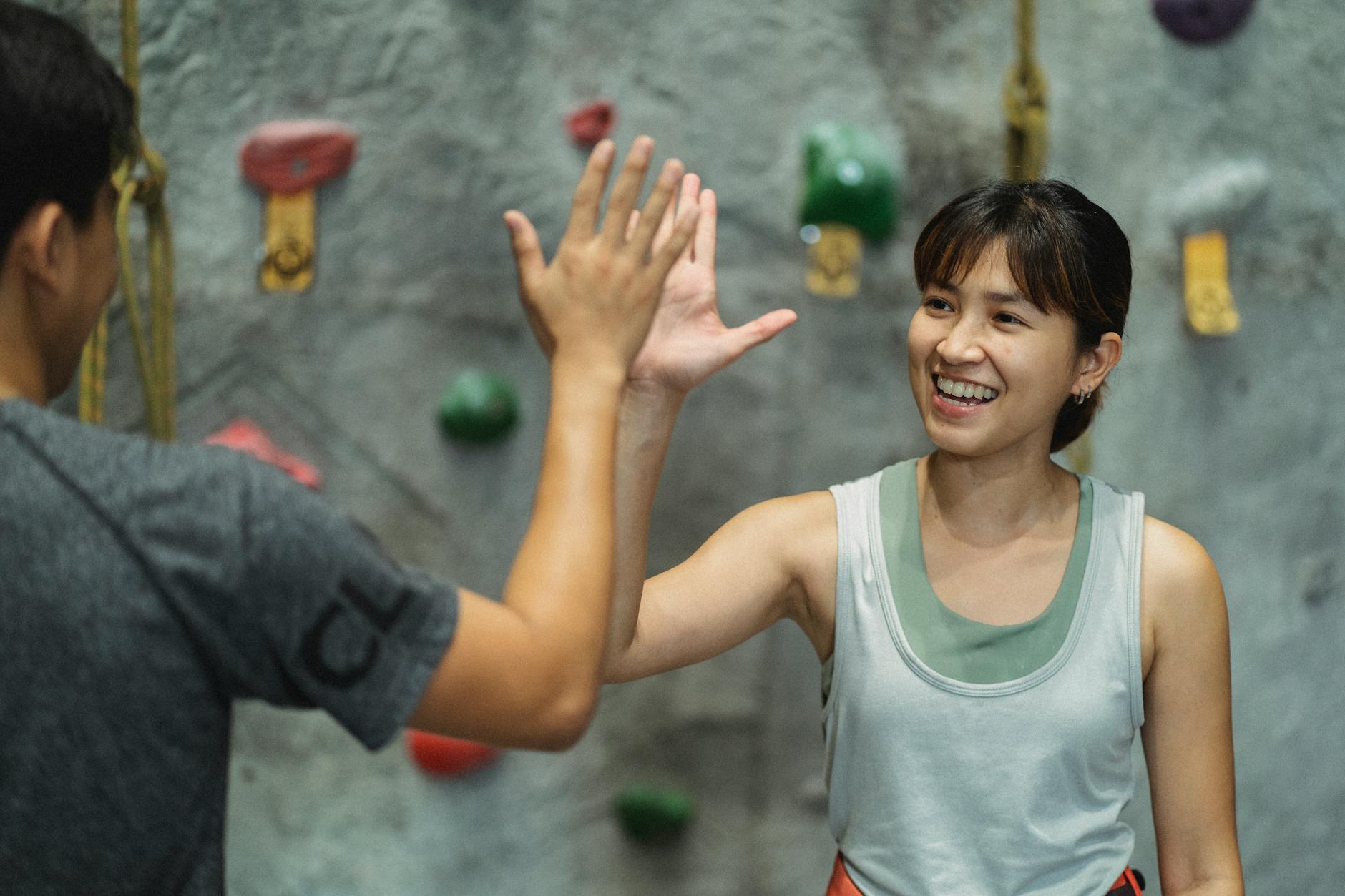
Building Intrinsic Motivation in Your Training
The practical application of motivation research suggests that runners should intentionally structure their training to enhance intrinsic motivation, not just chase external metrics. This doesn’t mean ignoring intensity minutes entirely, but rather reframing how you approach them. Instead of viewing intensity work purely as a means to an external end—a faster race time, better health markers, or social approval—runners can deliberately cultivate genuine enjoyment of high-intensity effort.
One concrete approach involves paying attention to the sensations and feelings during intensity work rather than fixating solely on pace or heart rate numbers. Notice which types of intensity work actually feel rewarding to you—some runners love the sustained burn of tempo runs, others prefer the explosive satisfaction of short intervals, and still others connect most with long-threshold work. The research is clear that runners who find genuine enjoyment in the type of intensity work they choose show better long-term adherence than those who force themselves through workouts they dislike. This represents a meaningful tradeoff: you might progress slightly faster by following a rigid plan designed for someone else, but you’ll likely achieve greater overall fitness through consistent training that feels intrinsically rewarding to you.
The Dark Side of Extrinsic Motivation and Burnout Risk
While research demonstrates benefits of intrinsic motivation, it’s equally important to recognize the genuine risks of relying too heavily on external motivation. Runners driven primarily by external factors—social media validation, comparison to others, appearance-based goals, or obligation—show significantly higher burnout rates and greater likelihood of overtraining. The research examining the “bright and dark sides” of motivation provides an important warning: extrinsic motivation not only shows negative associations with exercise enjoyment and persistence, but can actively undermine the neural pathways that develop genuine fitness enthusiasm.
A practical warning: if you notice that you’re training primarily to impress others, to compensate for diet choices, to achieve a specific appearance outcome, or because you feel obligated, your intensity training carries elevated burnout risk. The research is unambiguous that these external motivations predict lower persistence and higher likelihood of injury from overtraining (as runners push harder to chase external goals rather than listening to their bodies). The solution isn’t to ignore external goals entirely, but rather to ensure that underneath them lies genuine enjoyment of running and the challenge of intensity work itself.

How Consistency in Intensity Minutes Reveals Motivation Type
The most revealing indicator of your actual motivation type isn’t what you claim to want from your training—it’s what you actually do consistently over time. Research examining intrinsic versus extrinsic motivation shows that the patterns of adherence tell a clear story. Runners driven by intrinsic motivation tend to maintain consistency even when external conditions change: during injury recovery with modified workouts, after missing a race goal, during busy seasons, or when training partners aren’t available.
Conversely, runners whose motivation is primarily extrinsic show dramatic fluctuations in consistency tied to external circumstances. If your intensity training frequency drops dramatically after disappointing race results, or if you completely abandon high-intensity work during periods when social recognition decreases, this suggests extrinsic motivation is driving your behavior. This doesn’t mean you’re doing anything wrong—many runners blend both types—but awareness allows you to deliberately cultivate the intrinsic components that research shows predict long-term consistency.
The Future of Motivation-Based Training
As fitness tracking technology continues to evolve, the psychological dimensions of intensity training are gaining recognition alongside biomechanical and physiological metrics. The research presented here suggests that future training approaches will increasingly incorporate motivational assessment alongside VO2 max estimates and lactate thresholds. Runners and coaches who understand the psychological underpinnings of intensity minutes will be better equipped to design sustainable, long-term training approaches that don’t rely solely on willpower or discipline.
The most encouraging finding from recent research is that intrinsic motivation can be developed and strengthened, even if you didn’t start with it. Runners can deliberately practice noticing the genuine enjoyment in high-intensity effort, can choose training approaches that feel more naturally rewarding, and can reduce the external pressure that tends to undermine intrinsic motivation. This means that understanding the psychology of intensity minutes isn’t just academically interesting—it’s a practical tool for building lasting fitness habits.
Conclusion
The psychology behind intensity minutes matters as much as the physiology. Research examining motivation types provides clear evidence that runners driven by intrinsic motivation—genuine enjoyment of the training itself—demonstrate superior outcomes in exercise enjoyment, persistence, long-term adherence, and overall activity levels compared to those relying on external motivation.
This distinction has profound practical implications for how you structure your training and approach high-intensity work. Rather than assuming that intensity minutes are simply a matter of willpower or that the same workout works equally well for everyone, consider examining your own motivation type. Do you genuinely enjoy the challenge and sensation of high-intensity effort, or are you primarily training to reach an external goal? The research suggests that runners who cultivate authentic motivation alongside their training plans will not only stick with intense workouts more consistently, but will also experience greater satisfaction throughout their running journey.
Frequently Asked Questions
Can I have both intrinsic and extrinsic motivation for my training?
Absolutely. Most successful runners blend both types. The research suggests that the balance matters—aim for intrinsic motivation as your foundation, with external goals as meaningful but secondary drivers.
How long does it take to develop intrinsic motivation if I currently rely on external motivation?
Research doesn’t specify an exact timeline, but runners report that deliberately noticing enjoyment during workouts typically shows effects within 2-4 weeks of consistent practice.
Is extrinsic motivation always bad for runners?
Not entirely. Short-term external motivation can be useful for initiating training or returning from breaks. However, research shows it predicts worse long-term outcomes and higher burnout risk if it’s your primary driver.
Does motivation type affect race day performance?
Research suggests that intrinsic motivation predicts better consistency in training leading up to races, which affects race readiness. However, on race day itself, both motivation types can generate strong performance through different mechanisms.
How do I know if my intensity training is sustainable or if I’m at burnout risk?
Notice whether you’re looking forward to high-intensity sessions or dreading them. If you find yourself overtraining to reach external goals or feeling obligated rather than excited about intensity work, burnout risk is elevated.
Can I use this research to train others more effectively?
Yes. Coaching approaches that help runners discover genuine enjoyment in intensity work, rather than just prescribing workouts, tend to produce better long-term results according to motivation research.