Running seven miles after age 60 is absolutely achievable, but it requires a deliberate shift in training philosophy””one that prioritizes muscle strength alongside cardiovascular conditioning. The runners who successfully maintain this distance into their sixties and beyond are almost universally those who have incorporated resistance training into their weekly routine, because age-related muscle loss (sarcopenia) becomes the limiting factor far more than aerobic capacity. A 64-year-old former marathoner I interviewed last year put it bluntly: she could still breathe fine at mile six, but her legs started failing her until she added twice-weekly strength sessions targeting her glutes, quadriceps, and calves. The science supports this approach.
Research published in the Journal of Aging and Physical Activity shows that masters runners who combine strength training with their running programs experience 30 to 40 percent less decline in running economy compared to those who run exclusively. Your heart and lungs adapt well to endurance work at any age, but your muscles, tendons, and connective tissue need targeted loading to maintain the power output required for sustained running. This article covers the specific muscle groups most critical for seven-mile runs, how strength training needs change after 60, recovery considerations that differ from younger runners, programming strategies that balance strength and endurance work, and common pitfalls that sideline older distance runners. Whether you’re maintaining a longtime running habit or returning to the sport after years away, understanding the muscle-strength component will determine your success.
Table of Contents
- Why Does Muscle Strength Matter More for Running 7 Miles After 60?
- The Critical Muscle Groups for Distance Running After 60
- Recovery Demands for Strength-Training Runners Over 60
- Programming Strength and Running for the Seven-Mile Distance
- Common Mistakes That Derail Older Distance Runners
- Nutrition Considerations for Strength and Endurance Over 60
- How to Prepare
- How to Apply This
- Expert Tips
- Conclusion
- Frequently Asked Questions
Why Does Muscle Strength Matter More for Running 7 Miles After 60?
The relationship between muscle strength and running distance becomes increasingly important after 60 because of how sarcopenia accelerates during this decade. Adults lose approximately 3 to 8 percent of muscle mass per decade after 30, but this rate increases significantly after 60, with some studies showing losses of up to 15 percent per decade in sedentary individuals. For a seven-mile run””which takes most recreational runners between 70 and 90 minutes””this muscle loss translates directly into fatigue, form breakdown, and injury risk during the final miles. Running economy, defined as the oxygen cost of running at a given pace, depends heavily on the elastic energy storage and release in your leg muscles and tendons. Stronger muscles and stiffer tendons (in the biomechanical sense) allow you to “bounce” more efficiently with each stride.
When researchers at the University of New Hampshire compared masters runners with and without strength training backgrounds, those who lifted weights regularly showed running economy values comparable to runners 15 to 20 years younger. However, the type of strength matters enormously. Endurance-focused strength work””high repetitions with light weights””does little to combat the loss of fast-twitch muscle fibers that characterizes aging. What seven-mile runners over 60 need is genuine heavy resistance training: compound movements performed with challenging loads for 6 to 12 repetitions. This represents a significant mental shift for many lifelong runners who have avoided the weight room.

The Critical Muscle Groups for Distance Running After 60
Three muscle groups deserve priority attention for runners tackling seven-mile distances after 60: the gluteus maximus and medius, the quadriceps complex, and the calf muscles including both the gastrocnemius and soleus. These muscles bear the brunt of impact absorption and propulsion, and they show the most significant age-related decline in power output. The glutes function as your primary hip extensors and stabilizers. Weak glutes force compensatory patterns that overload the lower back, IT band, and knees””the three most common injury sites in masters runners.
A useful comparison: runners with strong glutes can maintain pelvic stability for the 10,000-plus strides in a seven-mile run, while those with weak glutes begin rotating and dropping their pelvis within the first two miles, setting up a cascade of mechanical problems. Single-leg exercises like Bulgarian split squats and step-ups address this directly. The quadriceps handle eccentric loading during the landing phase of each stride, essentially acting as your braking system on downhills and during fatigue. The soleus, often neglected in favor of its showier neighbor the gastrocnemius, provides the low-end push-off power for sustained running and shows particularly steep age-related decline. However, if you have existing knee issues, heavy quad work requires careful progression and potentially modified exercises””leg presses may be safer than deep squats for runners with patellofemoral problems.
Recovery Demands for Strength-Training Runners Over 60
recovery requirements change substantially after 60, and runners who add strength training must account for cumulative fatigue across both training modalities. Muscle protein synthesis rates decline with age, meaning the repair and adaptation process that follows training takes longer. Where a 35-year-old might fully recover from a hard strength session in 48 hours, a 65-year-old often needs 72 hours or more before that muscle group is ready for intense work again. This extended recovery timeline forces practical scheduling decisions. Most successful masters runners who maintain seven-mile capability structure their weeks with clear separation between hard efforts.
A typical pattern places strength training on Monday and Thursday, with quality running sessions (tempo runs, intervals, or long runs) on Tuesday and Saturday, and easy running or complete rest filling the remaining days. Stacking a hard strength session the day before a long run almost guarantees a subpar running performance and increased injury risk. Sleep becomes non-negotiable in this equation. Growth hormone release, which peaks during deep sleep, drives much of the muscular repair process. Runners over 60 who sleep fewer than seven hours show measurably slower recovery and higher inflammatory markers. If your schedule doesn’t allow adequate sleep, you’re better off reducing training volume than pushing through with accumulated fatigue””the injury risk simply isn’t worth it.
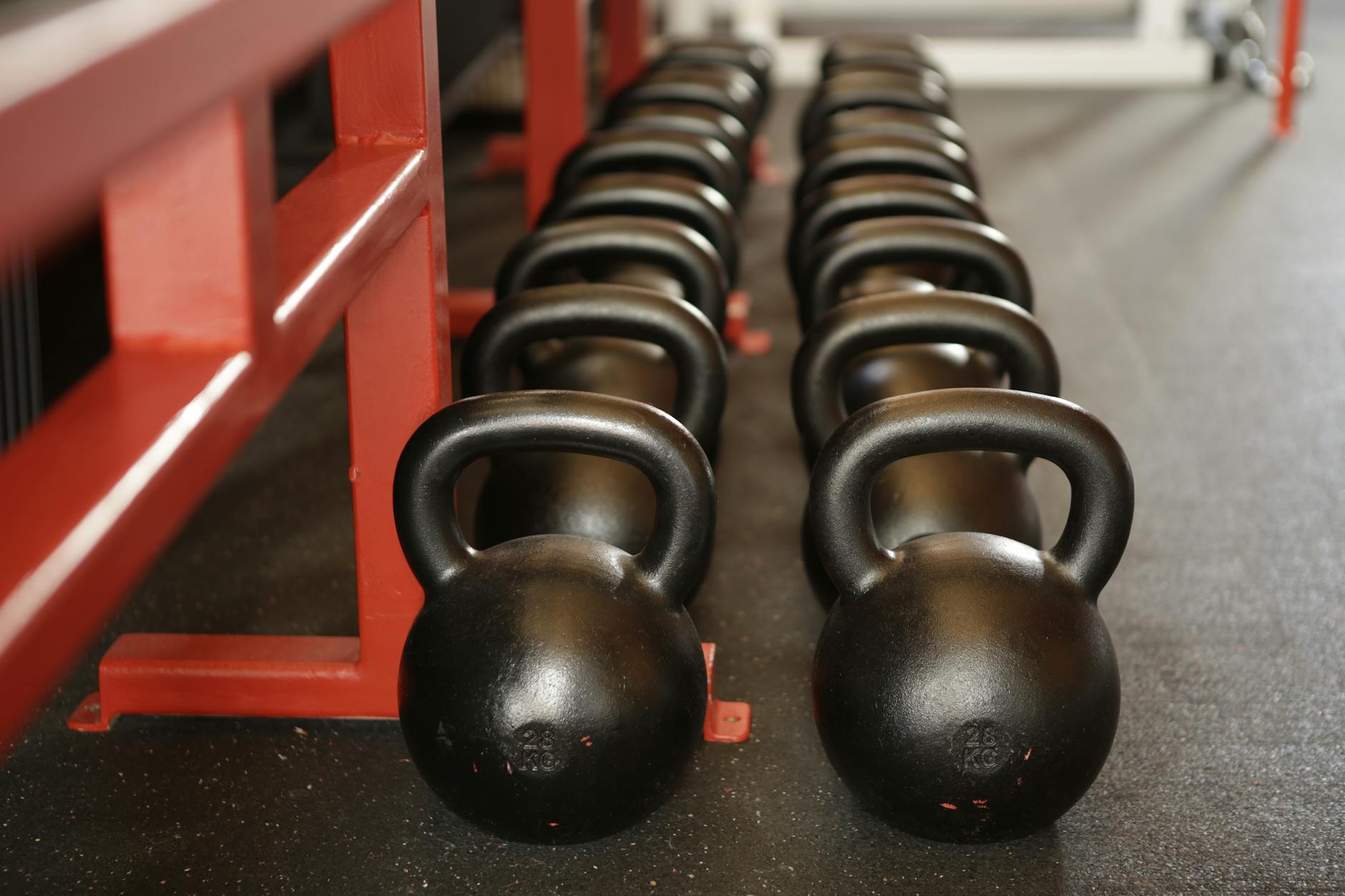
Programming Strength and Running for the Seven-Mile Distance
Balancing strength training volume with running mileage requires understanding the interference effect””the physiological reality that concurrent training for strength and endurance produces smaller gains in each compared to training for one alone. For runners over 60, this means accepting that you won’t maximize either strength or endurance, but rather optimize the combination needed for your specific goal. A practical weekly structure for maintaining seven-mile running capability might include three running sessions (one long run of seven miles, one moderate effort of four to five miles, and one easy recovery run of three miles) alongside two strength sessions of 45 to 60 minutes each.
This represents roughly 14 to 15 miles of running plus two hours of lifting per week””a manageable load that allows for adequate recovery while providing sufficient training stimulus. The tradeoff becomes apparent when comparing this to runners focused exclusively on distance: a running-only approach might allow for 25 to 30 weekly miles, but without strength work, those miles carry higher injury risk and diminishing returns as muscle loss progresses. Conversely, prioritizing strength to the point of three or four lifting sessions weekly would likely require reducing running to the point where seven-mile efforts become difficult. The moderate approach sacrifices peak performance in either domain but sustains capability across both.
Common Mistakes That Derail Older Distance Runners
The most frequent error among runners over 60 attempting to maintain seven-mile distances is continuing to train exactly as they did at 40. This manifests as excessive running volume, inadequate strength work, and insufficient recovery time. The runner who averaged 35 miles per week at 45 may need to reduce to 20 miles at 65 while adding strength training””a psychologically difficult transition for those who measure fitness by mileage. Ignoring pain signals represents another critical mistake. The “run through it” mentality that worked (or seemed to work) in younger years becomes genuinely dangerous after 60.
Tendon healing slows dramatically with age, and what might have been a minor Achilles twinge at 35 can become a six-month injury at 65 if ignored. The limitation here is acknowledging that some runs simply need to be cut short or skipped entirely””your long-term running career depends on this restraint. Many masters runners also err by choosing strength exercises based on what feels comfortable rather than what addresses their weaknesses. Machine-based exercises in the 15 to 20 rep range feel safe and produce a satisfying pump, but they don’t provide the heavy loading necessary to maintain fast-twitch fibers and connective tissue strength. The weight room work should feel challenging and somewhat uncomfortable””if you can easily complete your planned sets, the load is too light.

Nutrition Considerations for Strength and Endurance Over 60
Protein requirements increase after 60, and runners adding strength training need even more than sedentary older adults. Current research suggests 1.2 to 1.6 grams of protein per kilogram of body weight daily for masters athletes, compared to the 0.8 grams recommended for general populations. For a 160-pound runner, this translates to roughly 90 to 115 grams of protein daily””a target that requires conscious attention to meal composition.
Timing matters as well. The anabolic response to protein becomes blunted with age, meaning older adults need larger protein doses per meal to stimulate muscle protein synthesis effectively. Rather than spreading protein thinly across many small meals, research supports consuming at least 30 to 40 grams of high-quality protein at three main meals. A runner completing a seven-mile morning run followed by afternoon strength work might structure intake as: substantial breakfast with eggs and Greek yogurt, lunch featuring chicken or fish, and dinner including lean red meat or legumes with supplemental protein if needed.
How to Prepare
- **Begin with bodyweight movements for two to three weeks.** Master squats, lunges, single-leg deadlifts, and calf raises without external load. Focus on balance, range of motion, and movement quality. This phase reveals mobility limitations and asymmetries that need attention before adding weight.
- **Introduce light external resistance for the following three to four weeks.** Use dumbbells or resistance bands to add modest challenge while maintaining perfect form. The goal is not muscle fatigue but rather teaching your connective tissue to handle increased loads gradually.
- **Progress to barbell or machine exercises with moderate loads.** By week six or seven, you should be ready for exercises like goblet squats, Romanian deadlifts, and leg presses with weights that challenge you in the 10 to 12 rep range.
- **Reduce running volume during the strength-building phase.** Cut your weekly mileage by 20 to 30 percent for the first six weeks of serious strength training. Your body cannot adapt to two new stressors simultaneously””attempting this is the most common mistake runners make when adding lifting.
- **Schedule a recovery week every fourth week.** Reduce both lifting loads and running mileage by 40 to 50 percent. This allows accumulated fatigue to dissipate and adaptation to consolidate before the next training block.
How to Apply This
- **Map your current weekly structure and identify two non-consecutive days for strength training.** These should fall at least 48 hours before your longest or hardest running efforts. For most runners targeting seven miles, placing strength work on Monday and Thursday allows for quality long runs on Saturday or Sunday.
- **Design each strength session around compound lower-body movements supplemented by core and single-leg work.** A sample session might include: barbell squats (3 sets of 8), Romanian deadlifts (3 sets of 10), Bulgarian split squats (2 sets of 10 each leg), calf raises (3 sets of 15), and planks (3 sets of 45 seconds). Total session time: 45 to 55 minutes including warmup.
- **Monitor your running performance for signs of excessive fatigue.** If your easy run pace slows by more than 30 to 45 seconds per mile for two consecutive weeks, or if your long run feels dramatically harder than usual, you’re accumulating more fatigue than you can recover from. Reduce either strength volume or running volume””not both””and reassess after two weeks.
- **Adjust the balance seasonally based on your goals.** During periods when you want to peak for a seven-mile race or event, reduce strength training to one maintenance session weekly and prioritize running. During base-building phases, emphasize strength with two challenging sessions while keeping running easy and moderate in volume.
Expert Tips
- **Prioritize the eccentric (lowering) phase of each strength exercise.** Take three to four seconds to lower the weight in squats and lunges. Eccentric strength protects against the repetitive impact of distance running and shows the most significant age-related decline.
- **Don’t stretch cold muscles before running or lifting.** Dynamic movement preparation (leg swings, walking lunges, high knees) is far more effective and safer than static stretching before activity. Save static stretching for post-workout or separate mobility sessions.
- **Track your strength numbers monthly, not weekly.** Progress comes slowly after 60, and expecting weekly gains leads to frustration or pushing too hard. A 5-pound increase in your squat over two months is excellent progress and will meaningfully improve your running.
- **Avoid running the day after lower-body strength training if you experience significant muscle soreness.** The temptation to “run it out” often extends soreness duration and compromises your next quality session. Walking or cycling are better options for active recovery.
- **Do not add both mileage and strength training intensity simultaneously.** When increasing your long run distance, keep lifting weights stable. When pushing for strength gains, maintain running volume. Violating this principle is the fastest path to overtraining or injury for masters runners.
Conclusion
Maintaining the ability to run seven miles after 60 depends as much on muscle strength as it does on cardiovascular fitness. The runners who sustain this distance into their sixties, seventies, and beyond share a common approach: they’ve embraced resistance training as essential rather than optional, they’ve adjusted their recovery expectations to match their physiology, and they’ve accepted that total training volume must decrease even as training quality becomes more important.
The practical path forward involves adding two weekly strength sessions focused on compound lower-body movements, reducing running volume modestly to accommodate recovery needs, and monitoring your body’s response over weeks and months rather than days. Your seven-mile runs won’t just become sustainable””they’ll likely feel better as your leg strength improves and your running economy benefits from more powerful, resilient muscles.
Frequently Asked Questions
How long does it typically take to see results?
Results vary depending on individual circumstances, but most people begin to see meaningful progress within 4-8 weeks of consistent effort. Patience and persistence are key factors in achieving lasting outcomes.
Is this approach suitable for beginners?
Yes, this approach works well for beginners when implemented gradually. Starting with the fundamentals and building up over time leads to better long-term results than trying to do everything at once.
What are the most common mistakes to avoid?
The most common mistakes include rushing the process, skipping foundational steps, and failing to track progress. Taking a methodical approach and learning from both successes and setbacks leads to better outcomes.
How can I measure my progress effectively?
Set specific, measurable goals at the outset and track relevant metrics regularly. Keep a journal or log to document your journey, and periodically review your progress against your initial objectives.
When should I seek professional help?
Consider consulting a professional if you encounter persistent challenges, need specialized expertise, or want to accelerate your progress. Professional guidance can provide valuable insights and help you avoid costly mistakes.
What resources do you recommend for further learning?
Look for reputable sources in the field, including industry publications, expert blogs, and educational courses. Joining communities of practitioners can also provide valuable peer support and knowledge sharing.