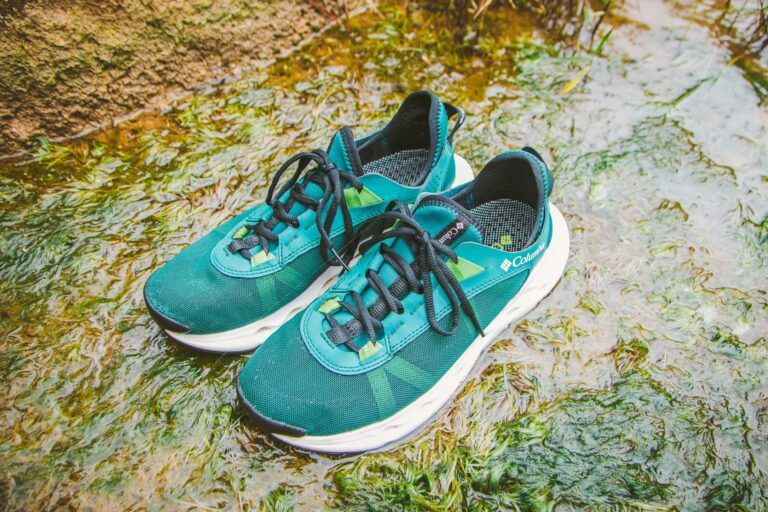
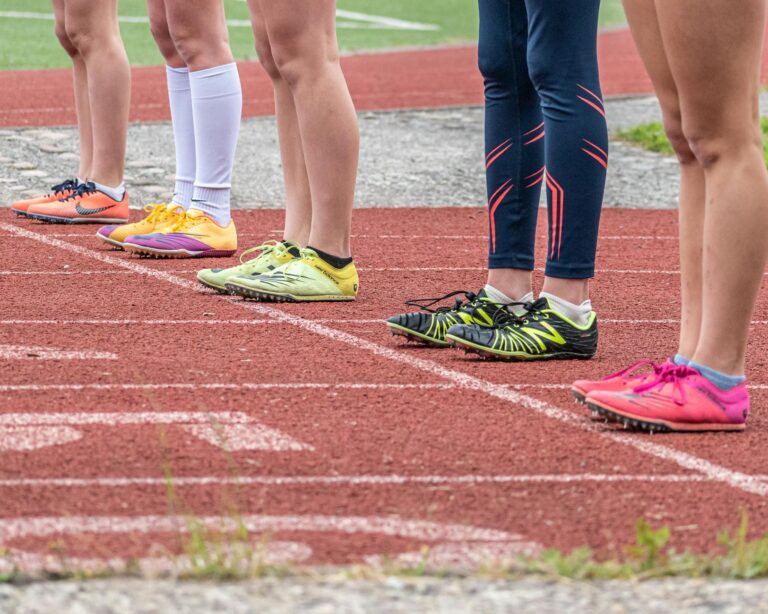
Maximum cushion running shoes reduce joint stress by absorbing and dispersing impact forces that would otherwise travel directly through your ankles, knees, and hips with each footstrike. The thick midsole foam in these shoes””typically ranging from 35mm to 40mm in stack height””compresses upon landing to extend the deceleration time of your foot, which can reduce peak impact forces by 20 to 30 percent compared to minimalist footwear. For runners dealing with osteoarthritis, recovering from injury, or logging high weekly mileage on hard surfaces, this cushioning buffer can mean the difference between sustainable training and chronic pain.
A 185-pound runner landing 1,500 times per mile generates cumulative forces equivalent to hundreds of tons over a typical training run, making impact mitigation a genuine biomechanical concern rather than marketing fluff. However, maximum cushion shoes are not a universal solution, and understanding when they help versus when they might hinder your running is essential for making an informed choice. A runner with healthy joints who primarily trains on soft trails may find excessive cushioning reduces ground feel and proprioception without providing meaningful benefit. This article examines how cushioned shoes actually work to reduce joint loading, which runners benefit most from this technology, the tradeoffs involved in choosing maximum cushion models, and how to properly transition into these shoes without creating new problems.
Table of Contents
- How Do Maximum Cushion Shoes Actually Reduce Joint Stress?
- Who Benefits Most from High-Cushion Running Footwear
- The Tradeoffs of Choosing Maximum Cushion Over Traditional Running Shoes
- Specific Foam Technologies That Deliver Joint Protection
- When Maximum Cushion Shoes May Increase Rather Than Decrease Injury Risk
- Matching Cushioning Level to Body Weight and Running Surface
- How to Prepare
- How to Apply This
- Expert Tips
- Conclusion
- Frequently Asked Questions
How Do Maximum Cushion Shoes Actually Reduce Joint Stress?
The primary mechanism behind joint stress reduction in maximum cushion shoes involves energy absorption and force distribution through foam compression. When your foot strikes the ground during running, the midsole material deforms and then slowly recovers, converting kinetic energy into heat rather than transmitting it through your skeletal system. Modern foams like Hoka’s EVA compounds, Nike’s ZoomX, and Asics’ FF Blast absorb between 40 and 60 percent of impact energy, with the remainder returned as mild propulsion. This compares to harder, thinner midsoles that may only absorb 20 to 30 percent of impact forces. The stack height””the total thickness of material between your foot and the ground””directly influences how much cushioning travel is available before your foot bottoms out. A shoe with 40mm of stack height under the heel provides roughly twice the compression distance of a 20mm shoe, allowing for gentler deceleration.
Think of it like the difference between landing on a thick gymnastics mat versus a thin yoga mat. Research from the University of Calgary found that higher cushioning reduced the loading rate on the tibia by approximately 12 percent in recreational runners, though individual responses varied significantly based on running form. Beyond simple shock absorption, rocker geometries built into many maximum cushion shoes alter the loading pattern throughout your gait cycle. Brands like Hoka and New Balance build curved soles that shift pressure forward continuously, reducing the time your joints spend absorbing stationary load. This mechanical advantage explains why some runners report relief even when foam softness alone seems similar to standard shoes. The combination of stack height, foam properties, and sole geometry creates a system where joint stress reduction occurs through multiple complementary pathways.
Who Benefits Most from High-Cushion Running Footwear
Runners with existing joint conditions experience the most pronounced benefits from maximum cushion shoes. Those diagnosed with knee osteoarthritis, for example, often find that high-stack shoes allow them to continue running when conventional footwear causes pain. A 2019 study in the British Journal of Sports Medicine found that runners with mild to moderate knee arthritis reported 28 percent lower pain scores when using highly cushioned shoes compared to standard models over a six-week training period. Similarly, runners recovering from stress fractures or bone bruises frequently use maximum cushion shoes during their return-to-running protocols because the reduced impact loading lowers the mechanical demand on healing tissue. High-mileage runners who accumulate 50 or more miles per week also tend to benefit from rotating maximum cushion shoes into their training.
The cumulative impact forces over these distances stress joint surfaces and surrounding connective tissues regardless of running form, and additional cushioning provides a protective buffer during easy recovery runs. Elite ultramarathon runners routinely choose maximum cushion models for races lasting six hours or longer specifically because joint fatigue becomes a limiting factor in events of that duration. Jim Walmsley and Courtney Dauwalter, both among the world’s top ultrarunners, have credited highly cushioned shoes with extending their competitive careers. However, if you are a lighter runner with no history of joint problems who trains primarily on soft surfaces like grass or trails, maximum cushion shoes may not provide meaningful additional benefit over moderate cushioning. In fact, some research suggests that excessive cushioning in healthy runners can alter natural running mechanics in ways that potentially increase loading on certain structures while reducing it on others. The key is matching cushioning level to actual need rather than assuming more is always better.
The Tradeoffs of Choosing Maximum Cushion Over Traditional Running Shoes
Every benefit in shoe design comes with corresponding compromises, and maximum cushion shoes are no exception. The most significant tradeoff involves ground feel and proprioception””your body’s ability to sense foot position and terrain through sensory feedback. Standing on 40mm of foam inherently reduces the tactile information your nervous system receives from the ground, which can affect balance and responsiveness. Trail runners navigating technical terrain often find that maximum cushion models feel vague and disconnected compared to lower-stack alternatives, increasing the risk of ankle rolls on uneven surfaces. Weight represents another practical tradeoff. The additional foam required for maximum cushioning adds mass to the shoe, typically ranging from 1.5 to 3 ounces more than comparable standard models.
Over the course of a marathon, each additional ounce on your feet requires extra energy expenditure, which accumulates into measurable performance differences. Studies estimate that roughly 1 percent of running economy is lost for every 100 grams of added shoe weight. For competitive runners prioritizing speed, this penalty may outweigh the cushioning benefits, which explains why most racing flats and super shoes use moderate cushioning combined with energy-return plates rather than maximum stack heights. Stability also diminishes as stack height increases. Elevating your foot higher above the ground creates greater leverage for sideways forces, similar to how high-heeled shoes are less stable than flat ones. Runners with overpronation issues or a history of ankle sprains may find that maximum cushion shoes exacerbate instability unless the specific model includes additional stability features. Some manufacturers address this through wider bases or guide rails, but the physics of a high stack inherently creates a less stable platform than a low one.
Specific Foam Technologies That Deliver Joint Protection
Not all maximum cushion shoes perform equally in reducing joint stress, as foam technology varies dramatically between brands and models. Nike’s ZoomX foam, used in shoes like the Invincible, delivers some of the highest energy return measurements in the industry at approximately 85 percent, meaning it absorbs impact while also giving back significant propulsion. This combination reduces the net work your joints must perform with each stride. By comparison, traditional EVA foams return only 50 to 60 percent of energy, with the remainder lost as heat””still protective but less efficient. Hoka’s compression-molded EVA foams prioritize plush feel over energy return, creating a sensation often described as running on marshmallows. The Bondi line exemplifies this approach with foams that score lower on energy return but higher on pure cushioning softness.
For runners whose primary goal is comfort and joint protection rather than speed, this softer approach often feels more protective subjectively even when objective force measurements are similar. The Bondi 8, for instance, uses 39mm of stack height under the heel combined with a meta-rocker geometry that smooths the entire gait cycle. Brooks uses DNA Loft foam in maximum cushion models like the Glycerin, which balances softness with durability better than many competitors. One limitation of extremely soft foams is that they can break down quickly under repeated compression, losing their protective properties after 300 to 400 miles. DNA Loft maintains consistent cushioning characteristics for closer to 500 miles in testing, making it more economical for high-mileage runners despite a less plush initial feel. Saucony’s PWRRUN+ foam offers similar durability characteristics while weighing less than traditional EVA, addressing the weight penalty that concerns faster runners.
When Maximum Cushion Shoes May Increase Rather Than Decrease Injury Risk
Counterintuitively, some runners experience increased joint stress when switching to maximum cushion shoes, particularly if they alter their natural running mechanics in response to the changed foot position. Research from the University of Massachusetts found that a subset of runners unconsciously landed harder when wearing highly cushioned shoes, apparently because the soft feel encouraged more aggressive footstrikes. This behavioral adaptation can negate or even reverse the protective benefits of additional cushioning. If you find yourself stomping more heavily in cushioned shoes, you may be undermining their intended purpose. Runners with significant pronation or supination patterns face particular risks with high-stack neutral shoes.
The elevated platform amplifies rotational forces through the ankle and knee, potentially accelerating wear on cartilage and increasing strain on stabilizing ligaments. A runner who functions well in low-stack stability shoes may develop new knee or hip symptoms when switching to maximum cushion neutral models despite the softer landing. This explains why maximum cushion stability shoes like the Brooks Glycerin GTS and New Balance Fresh Foam More v4 exist””they combine high stacks with motion control features for runners who need both. Additionally, the altered proprioception from maximum cushioning can contribute to falls and acute injuries on uneven terrain. Trail runners report higher rates of ankle sprains in maximum cushion trail shoes compared to lower-stack alternatives, as the reduced ground feel delays reaction time to unexpected surface changes. If your running includes technical trails, single-track paths, or surfaces with roots and rocks, you may be trading one type of injury risk for another by choosing maximum cushion designs.
Matching Cushioning Level to Body Weight and Running Surface
Body weight significantly influences optimal cushioning requirements, as heavier runners compress foam more deeply with each stride. A 200-pound runner may bottom out cushioning that feels appropriately protective for a 130-pound runner, reaching the firm base layer and losing the impact absorption benefit. Manufacturer weight recommendations rarely address this explicitly, but as a general guideline, runners over 180 pounds often benefit from choosing the most cushioned option within a product line rather than standard cushioning levels. The Hoka Bondi and Brooks Glycerin, for example, provide substantially more protection for heavier runners than the same brands’ moderate cushioning models.
Running surface also dictates appropriate cushioning levels. Concrete sidewalks and asphalt roads transmit impact forces more harshly than rubber tracks, grass fields, or packed dirt trails. A runner training primarily on hard urban surfaces faces cumulative joint loading roughly 30 percent higher than someone covering equivalent mileage on softer natural terrain. Maximum cushion shoes make the most sense for road runners and treadmill users, while trail runners on soft surfaces may gain adequate protection from moderate cushioning while retaining better ground feel. A marathoner training primarily on Chicago’s concrete lake path has fundamentally different cushioning needs than someone running Colorado mountain trails.
How to Prepare
- **Assess your current running mechanics** by having a gait analysis performed at a specialty running store or by filming yourself running from behind and from the side. Note your foot strike pattern, pronation tendency, and cadence. This baseline helps determine whether maximum cushion neutral shoes suit your mechanics or whether you need stability-enhanced cushion models.
- **Select two or three candidate shoes** based on your assessment rather than buying the first maximum cushion model you find. Try each for at least a mile on an in-store treadmill or via a trial-period return policy. Pay attention to how your knees and hips feel, not just how your feet feel””joint stress affects structures above the ankle.
- **Phase out your current shoes gradually** rather than switching cold turkey. Alternate between your existing shoes and the new maximum cushion pair for the first two to three weeks, starting with the cushioned shoes for only 25 percent of weekly mileage.
- **Reduce total weekly mileage by 20 percent** during the first two weeks of transition to account for the muscular adaptations required by the new heel-to-toe drop and stack height. Your calves and Achilles tendons will work differently in high-stack shoes, and this reduction prevents overuse injuries during adaptation.
- **Monitor for new aches in unexpected locations** such as hip flexors, lower back, or opposite knee. Warning: Some runners unconsciously change their stride length or cadence in maximum cushion shoes, which can create problems distant from the feet. If new discomfort emerges, reduce cushioned shoe usage and reassess whether that model suits your mechanics.
How to Apply This
- **Reserve maximum cushion shoes for easy runs and recovery days** when pace is slower and accumulated fatigue increases joint vulnerability. The speed penalty from additional weight matters least during these sessions, while the protective benefits are most valuable when your body is already stressed from harder workouts.
- **Consider using moderate cushion or racing shoes for tempo runs, intervals, and races** where performance matters and impact forces per stride are lower due to faster turnover and shorter ground contact times. Many elite runners rotate between three or more shoe types based on workout purpose.
- **Prioritize maximum cushion shoes during high-mileage training blocks** leading up to goal races when weekly volume peaks. The cumulative protection across 60, 70, or 80-mile weeks compounds meaningfully even if individual runs feel similar across shoe types.
- **Replace maximum cushion shoes earlier than minimalist shoes** because foam breakdown occurs faster in thick midsoles than in thinner ones. Most maximum cushion shoes lose significant protective properties between 300 and 500 miles, while racing flats may last longer due to less material degradation. Track mileage diligently and retire shoes before cushioning fails.
Expert Tips
- Rotate between two pairs of maximum cushion shoes on alternating days, as foam requires 24 to 48 hours to fully recover its cushioning properties after compression. Running daily in a single pair means each run occurs on partially fatigued foam with reduced protection.
- Check heel-toe drop specifications carefully, as maximum cushion shoes range from 0mm drop to 12mm or more. Switching drop significantly changes calf and Achilles loading, so match new shoes within 2 to 4mm of your previous drop to avoid transition injuries.
- Do not assume maximum cushion shoes will fix form-related joint stress. If your pain stems from overstriding, excessive vertical oscillation, or muscular weakness, cushioning addresses symptoms rather than causes. Combine appropriate footwear with gait improvement and strength training for comprehensive joint protection.
- Replace insoles with higher-quality aftermarket options if the factory insoles compress quickly or lack arch support. The midsole provides cushioning, but the insole influences foot positioning within that cushion system. A collapsed insole can undermine an otherwise protective shoe.
- Test maximum cushion shoes specifically for the conditions you train in most frequently. A shoe that feels perfect during a store treadmill test may perform differently on cambered roads, hot asphalt that softens foam, or hilly terrain that shifts loading patterns. When possible, use trial periods to test under real conditions.
Conclusion
Maximum cushion running shoes offer genuine biomechanical benefits for reducing joint stress, particularly for heavier runners, those with existing joint conditions, high-mileage athletes, and anyone training primarily on hard surfaces. The combination of thick foam midsoles, energy-absorbing materials, and rocker geometries can meaningfully decrease the impact forces transmitted through ankles, knees, and hips with each stride. Modern foam technologies from leading brands deliver both cushioning and energy return, addressing historical concerns about dead-feeling maximalist shoes.
However, maximum cushion shoes involve real tradeoffs including reduced stability, diminished ground feel, added weight, and potential mechanical changes that can backfire for certain runners. The most effective approach treats high-cushion footwear as one tool among many rather than a universal solution””strategic rotation based on training purpose, surface, and individual needs optimizes both protection and performance. Take time to transition properly, monitor how your joints respond, and recognize when maximum cushioning helps versus when it might create new problems. Your ideal cushioning level depends on factors specific to your body, training, and goals rather than marketing claims about revolutionary foam technology.
Frequently Asked Questions
How long does it typically take to see results?
Results vary depending on individual circumstances, but most people begin to see meaningful progress within 4-8 weeks of consistent effort. Patience and persistence are key factors in achieving lasting outcomes.
Is this approach suitable for beginners?
Yes, this approach works well for beginners when implemented gradually. Starting with the fundamentals and building up over time leads to better long-term results than trying to do everything at once.
What are the most common mistakes to avoid?
The most common mistakes include rushing the process, skipping foundational steps, and failing to track progress. Taking a methodical approach and learning from both successes and setbacks leads to better outcomes.
How can I measure my progress effectively?
Set specific, measurable goals at the outset and track relevant metrics regularly. Keep a journal or log to document your journey, and periodically review your progress against your initial objectives.
When should I seek professional help?
Consider consulting a professional if you encounter persistent challenges, need specialized expertise, or want to accelerate your progress. Professional guidance can provide valuable insights and help you avoid costly mistakes.
What resources do you recommend for further learning?
Look for reputable sources in the field, including industry publications, expert blogs, and educational courses. Joining communities of practitioners can also provide valuable peer support and knowledge sharing.