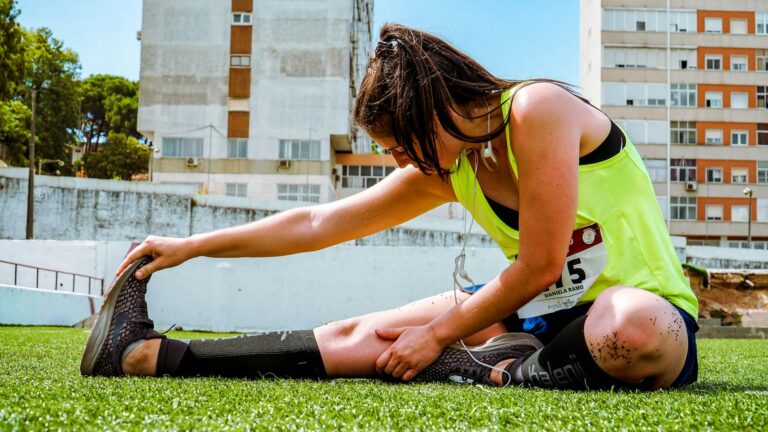
The right shoe for your weekly mileage depends primarily on cushioning durability and support needs: runners logging under 20 miles per week can typically wear lightweight trainers or even racing-oriented shoes for daily runs, while those covering 30 to 50 miles weekly need midsoles with denser foam compounds and more substantial heel counters to withstand repetitive impact. High-mileage runners exceeding 50 miles per week should prioritize maximum-cushion trainers built with dual-density foam systems, as these shoes maintain their protective qualities beyond 400 miles. A runner training for a marathon at 45 miles per week, for example, would break down a lightweight racing flat within six weeks, whereas a purpose-built trainer designed for that volume can last through an entire training cycle. Understanding this relationship between mileage and shoe construction prevents both injury and wasted money.
Many runners make the mistake of selecting shoes based on weight or appearance rather than matching the shoe’s intended use case to their actual training demands. This article covers how different mileage levels affect shoe requirements, the role cushioning breakdown plays in determining replacement timing, how to identify signs that your current shoes no longer match your training load, and practical strategies for building a rotation that serves various weekly volumes. The connection between weekly mileage and shoe selection also extends beyond just the primary trainer. Runners accumulating significant weekly volume often benefit from maintaining multiple pairs with different characteristics, allowing foam recovery between runs while also providing appropriate footwear for different workout types within the same training week.
Table of Contents
- How Does Weekly Mileage Affect Which Running Shoe Type You Need?
- Understanding Cushioning Breakdown and Mileage Thresholds
- Matching Shoe Categories to Training Volume Ranges
- Building a Shoe Rotation Based on Weekly Mileage
- Warning Signs That Your Mileage Has Outgrown Your Current Shoes
- Special Considerations for Ultramarathon and Very High Mileage Weeks
- How to Prepare
- How to Apply This
- Expert Tips
- Conclusion
- Frequently Asked Questions
How Does Weekly Mileage Affect Which Running Shoe Type You Need?
Weekly mileage directly influences how quickly a running shoe loses its protective capacity, which in turn determines what category of shoe makes practical and economic sense for a given runner. Shoe midsoles compress under load, and this compression becomes permanent over time. A runner covering 15 miles per week applies roughly one-third the cumulative force to their shoes compared to someone running 45 miles weekly, meaning the lower-mileage runner can reasonably select from a wider range of shoe types without concern about premature breakdown. The foam compounds used in different shoe categories vary significantly in their durability characteristics. Lightweight trainers and racing shoes often use softer, more responsive foams that feel faster underfoot but compress permanently after 200 to 300 miles.
Traditional trainers employ firmer, denser foam formulations that sacrifice some immediate responsiveness for longevity, often maintaining adequate cushioning beyond 500 miles. For a runner averaging 40 miles per week, a lightweight trainer would need replacement every five to seven weeks, while a durability-focused trainer might last twelve to fourteen weeks. However, mileage alone does not tell the complete story. A 180-pound runner covering 30 miles weekly subjects their shoes to substantially more cumulative force than a 130-pound runner at the same volume. Similarly, runners who land heavily or run primarily on concrete experience faster foam degradation than those with lighter footstrikes or who train on softer surfaces. These factors should adjust the baseline shoe selection, pushing heavier or harder-landing runners toward more robust options even at moderate weekly volumes.
Understanding Cushioning Breakdown and Mileage Thresholds
The relationship between mileage and cushioning loss follows a predictable pattern that varies by shoe construction. Most running shoes maintain roughly 80 percent of their original cushioning capacity through the first 150 miles, then begin a steeper decline. By 300 miles, many lightweight shoes have lost enough resilience that impact forces transmitted to the runner increase measurably. Studies examining midsole degradation have found that EVA-based foams lose approximately 40 percent of their shock-absorbing capacity by 500 miles, while newer TPU-based compounds like Adidas Boost or Saucony PWRRUN PB retain cushioning longer but still degrade significantly by 400 to 450 miles. This degradation timeline creates practical thresholds for different weekly volumes.
A runner consistently hitting 50 miles per week will cycle through the functional lifespan of most trainers in six to ten weeks, making durability a primary purchase consideration. At 25 miles weekly, that same shoe lasts twelve to twenty weeks, giving the runner more flexibility to prioritize other characteristics like weight or responsiveness over pure longevity. The math shifts shoe selection priorities substantially depending on where a runner falls on the mileage spectrum. The limitation here is that cushioning breakdown does not announce itself obviously. Runners often accommodate gradual degradation by unconsciously adjusting their gait, potentially increasing injury risk without realizing their shoes have functionally expired. Those running higher weekly volumes should track shoe mileage explicitly rather than relying on feel alone, as the body adapts to diminished cushioning in ways that mask the problem until an injury occurs.
Matching Shoe Categories to Training Volume Ranges
Running shoe categories exist partly because different runners need different durability profiles based on their training loads. The traditional trainer category, exemplified by shoes like the Brooks Ghost or Asics Gel-Nimbus, prioritizes cushioning longevity and consistent ride characteristics over hundreds of miles. These shoes typically weigh between 10 and 12 ounces and use midsole constructions that sacrifice some energy return for stability and durability. For runners consistently exceeding 35 miles weekly, this category often represents the practical choice for daily training. Lightweight trainers and uptempo shoes occupy a middle ground, offering more responsive ride characteristics with moderate durability.
Models like the Saucony Kinvara or New Balance FuelCell Rebel work well for runners in the 20 to 35 mile weekly range or as secondary rotation options for higher-mileage runners who reserve them for faster workouts. A runner covering 40 miles per week might use a lightweight trainer for interval sessions and tempo runs totaling 12 miles while accumulating the remaining 28 miles in a more durable daily trainer. At the lower end of the mileage spectrum, runners covering under 20 miles weekly have genuine flexibility in shoe selection. The durability concerns that constrain higher-mileage runners matter less when a single pair of shoes might last six months or longer. These runners can reasonably select racing-oriented shoes for daily training if they prefer the lighter weight and more responsive feel, accepting that they are paying a premium per mile but staying within practical replacement timelines.

Building a Shoe Rotation Based on Weekly Mileage
A multi-shoe rotation becomes increasingly valuable as weekly mileage climbs, though the specific rotation structure should match both training volume and workout variety. Research indicates that runners who rotate between multiple pairs of shoes experience lower injury rates than those using a single pair exclusively, likely because different shoe geometries distribute stress across tissues differently, preventing repetitive strain accumulation. For runners exceeding 30 miles weekly, maintaining at least two distinct shoe options provides both physical benefits and practical foam recovery time between runs. The rotation structure that makes sense at 35 miles weekly differs from what works at 60 miles. A moderate-mileage runner might maintain one primary trainer for most runs and a lighter shoe for occasional faster workouts.
A high-mileage runner benefits from a deeper rotation: perhaps a maximum-cushion shoe for easy long runs, a standard trainer for moderate daily mileage, a lightweight trainer for tempo work, and racing flats or super shoes reserved for workouts and competitions. This approach distributes wear across multiple pairs while providing appropriate tools for different training stimuli. The tradeoff involves cost and complexity. Maintaining four pairs of running shoes simultaneously requires more upfront investment and attention to tracking which shoes suit which runs. Some runners find this management burdensome and prefer simplifying to two versatile options. The practical compromise often involves selecting one durable daily trainer and one lighter workout shoe, which covers most training needs while remaining manageable for runners who prefer not to analyze footwear before every run.
Warning Signs That Your Mileage Has Outgrown Your Current Shoes
Several indicators suggest that accumulated mileage has degraded a shoe beyond its useful training life, though these signs often appear subtly before becoming obvious. The most reliable early warning is increased post-run muscle soreness without corresponding changes in training intensity or volume. When cushioning degrades, muscles in the lower leg work harder to absorb impact forces, leading to fatigue patterns that differ from normal training adaptation. Runners experiencing new tightness in their calves, shins, or feet should examine their shoe mileage before assuming they have developed an injury. Visual inspection provides additional clues, though some foam degradation occurs internally without visible evidence. Compression wrinkles in the midsole, particularly beneath the heel, indicate permanent foam deformation.
Uneven outsole wear patterns can shift a shoe’s geometry enough to alter ground contact mechanics, even if the midsole retains adequate cushioning. When the upper begins pulling away from the midsole or develops holes, the shoe has clearly exceeded its lifespan regardless of mileage tracking estimates. The warning that many runners miss involves pace degradation at constant effort levels. As shoes lose their energy-return properties, runners unconsciously slow down to maintain the same perceived exertion. This effect is subtle, often amounting to only 10 to 15 seconds per mile, but accumulates across weeks of training in compromised footwear. Runners who notice their easy paces drifting slower without explanation should consider shoe condition as a possible factor, particularly if they have been tracking mileage loosely.

Special Considerations for Ultramarathon and Very High Mileage Weeks
Runners regularly exceeding 60 or 70 weekly miles face shoe selection challenges that standard recommendations do not fully address. At these volumes, even durable trainers require replacement every four to six weeks, making cost a significant long-term consideration. Some ultra-distance runners gravitate toward maximum-cushion shoes from brands like Hoka or Altra, which provide additional foam volume that extends functional lifespan somewhat while reducing per-mile impact stress. A runner peaking at 80 miles weekly during ultramarathon preparation, for instance, might find that a heavily cushioned trainer survives the buildup period while a standard-cushion shoe would require mid-cycle replacement.
The physics of very high mileage also change the risk-benefit calculation around shoe weight. Carrying an extra ounce of shoe weight matters less when the goal is surviving training volume rather than optimizing race-day performance. Many accomplished ultrarunners train almost exclusively in maximum-cushion shoes, reserving lighter options only for races or key workouts. This approach prioritizes protection and longevity over the marginal efficiency gains that lightweight shoes offer.
How to Prepare
- **Calculate your honest weekly average over the past eight weeks.** Peak weeks and recovery weeks distort single-week snapshots, so examine your training log or fitness app data to find the true average. Include all running, not just structured workouts.
- **Account for planned changes in training volume.** If you are building toward a goal race, your mileage in three months may exceed current levels significantly. Select shoes for where your training is headed, not only where it stands today.
- **Identify your current shoe mileage and condition.** Many running apps track shoe mileage if you assign shoes to activities. If you have not been tracking, estimate based on purchase date and typical weekly volume.
- **Note any recurring soreness patterns or injury history.** Specific injury histories may indicate needs for particular shoe characteristics beyond general mileage considerations. Prior stress fractures, for example, suggest prioritizing cushioning even if mileage is moderate.
- **Assess your running surfaces and body weight.** Heavier runners or those training primarily on concrete should adjust toward more protective shoes than mileage alone would suggest.
How to Apply This
- **Use mileage brackets as starting guidance.** Under 20 miles weekly allows broad shoe selection; 20 to 40 miles weekly suggests prioritizing proven daily trainers; over 40 miles weekly warrants focusing on maximum-cushion or high-durability options as primary training shoes.
- **Plan rotation structure based on volume.** Runners under 25 miles weekly can function well with a single versatile trainer. Those between 25 and 45 miles benefit from two distinct options. Over 45 miles weekly justifies three or more shoes with different purposes.
- **Calculate expected replacement timeline before purchasing.** Divide the shoe’s estimated lifespan (typically 300 to 500 miles depending on construction) by your weekly average to determine how many weeks each pair will serve. Budget accordingly.
- **Reassess the match every three months or after significant training changes.** As fitness improves, weekly mileage often increases. Shoes that matched your training six months ago may no longer align with current demands.
Expert Tips
- Track shoe mileage from the first run and retire shoes based on accumulated miles rather than calendar time or appearance. Foam degradation is not visible until well past the point of compromised protection.
- Do not use racing shoes or super shoes for daily training unless your weekly mileage is under 15 miles. The performance benefits do not offset the rapid breakdown and high replacement cost at higher volumes.
- Rotate shoes even within the same model. Having two pairs of identical trainers and alternating between them extends the functional life of both pairs beyond what running one pair exclusively would achieve, as foam recovers elasticity during rest.
- Buy your next pair of trainers when your current pair reaches 250 miles, not when they feel worn out. This ensures overlap for transitioning gradually and prevents training in compromised shoes while waiting for new ones to arrive.
- Reassess your shoe needs whenever your weekly mileage changes by more than 25 percent sustainably. The shoes that worked at 30 miles per week may not serve you well at 40 miles, even if the model remains the same.
Conclusion
Matching weekly mileage to appropriate shoe selection requires understanding how running volume accelerates cushioning breakdown and adjusting footwear choices accordingly. Low-mileage runners enjoy flexibility to choose based on preference and feel, while high-mileage runners must prioritize durability and often benefit from maintaining rotations of multiple shoes with distinct purposes. The fundamental principle remains consistent: shoes degrade at predictable rates, and aligning your training load with shoes designed for that load prevents both injury and unnecessary expense.
Taking time to accurately assess your weekly volume, track shoe mileage systematically, and plan replacements proactively distinguishes runners who support their training with appropriate footwear from those who accumulate preventable injuries in compromised shoes. Consider examining your current shoe mileage this week and evaluating whether your footwear still matches your actual training demands. Small adjustments in shoe selection often yield disproportionate benefits in comfort, performance, and long-term running health.
Frequently Asked Questions
How long does it typically take to see results?
Results vary depending on individual circumstances, but most people begin to see meaningful progress within 4-8 weeks of consistent effort. Patience and persistence are key factors in achieving lasting outcomes.
Is this approach suitable for beginners?
Yes, this approach works well for beginners when implemented gradually. Starting with the fundamentals and building up over time leads to better long-term results than trying to do everything at once.
What are the most common mistakes to avoid?
The most common mistakes include rushing the process, skipping foundational steps, and failing to track progress. Taking a methodical approach and learning from both successes and setbacks leads to better outcomes.
How can I measure my progress effectively?
Set specific, measurable goals at the outset and track relevant metrics regularly. Keep a journal or log to document your journey, and periodically review your progress against your initial objectives.
When should I seek professional help?
Consider consulting a professional if you encounter persistent challenges, need specialized expertise, or want to accelerate your progress. Professional guidance can provide valuable insights and help you avoid costly mistakes.
What resources do you recommend for further learning?
Look for reputable sources in the field, including industry publications, expert blogs, and educational courses. Joining communities of practitioners can also provide valuable peer support and knowledge sharing.