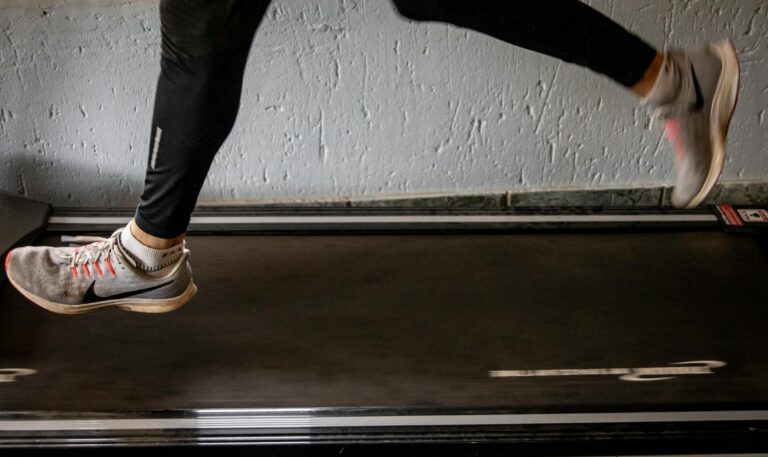
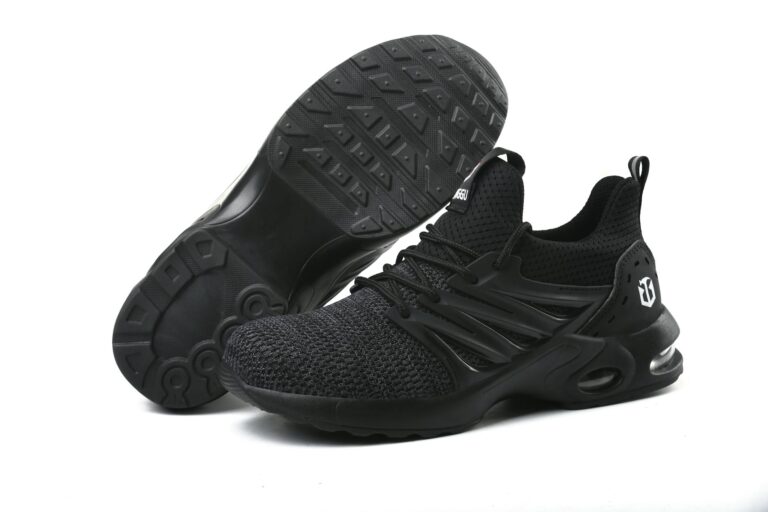
The best lightweight shoes for long runs strike a balance between minimal weight and adequate cushioning, with models like the Nike Vaporfly 3, Saucony Endorphin Pro, and ASICS Magic Speed consistently delivering strong performance across marathon distances. These shoes typically weigh between 6 and 8 ounces, feature responsive foam midsoles such as Pebax or TPU-based compounds, and provide enough protection to prevent late-race fatigue without the heaviness that drags down your stride. A runner transitioning from a traditional 10-ounce trainer to a well-designed lightweight option often shaves 10 to 20 seconds per mile simply from reduced energy expenditure, though this benefit only materializes if the shoe provides sufficient support for your foot mechanics and running style. Choosing the right lightweight long-run shoe requires understanding that not all light shoes serve the same purpose. Racing flats built for 5K efforts often lack the cushioning durability needed beyond 15 miles, while some cushioned trainers marketed as lightweight still tip the scales at 9 ounces or more.
This article examines what makes certain lightweight shoes excel over long distances, how to evaluate cushioning-to-weight ratios, which foam technologies deliver the best energy return, and how to determine whether your biomechanics can handle minimal footwear. We also cover preparation strategies, application methods for different training contexts, and common mistakes that lead runners to abandon lightweight options prematurely. The distinction matters because long runs place unique demands on footwear. Unlike short races where adrenaline masks discomfort, runs exceeding 90 minutes expose every weakness in shoe design, from inadequate arch support to foam that compresses and loses responsiveness. Getting this choice right can transform your long run from a grinding survival effort into sustainable, efficient mileage.
Table of Contents
- What Makes Lightweight Shoes Effective for Long-Distance Running?
- Understanding Cushioning-to-Weight Ratios in Performance Running Shoes
- How Foam Technology Affects Long-Run Performance
- Selecting the Right Lightweight Shoe for Your Running Mechanics
- The Role of Carbon Plates in Lightweight Distance Shoes
- How to Prepare
- How to Apply This
- Expert Tips
- Conclusion
- Frequently Asked Questions
What Makes Lightweight Shoes Effective for Long-Distance Running?
Weight reduction in running shoes translates directly to energy savings, with research from the University of Colorado finding that every 100 grams removed from footwear reduces oxygen consumption by approximately one percent. For a marathoner, this means a shoe weighing 200 grams instead of 300 grams could theoretically improve finishing time by two to three minutes, assuming all other factors remain equal. However, this calculation assumes the lighter shoe provides comparable cushioning and support, which is where many lightweight models fail for long-distance applications. The engineering challenge lies in achieving low weight without sacrificing the foam density and thickness needed to absorb thousands of foot strikes over two or more hours. Traditional EVA foam requires substantial volume to provide adequate cushioning, making truly lightweight shoes either too firm or too thin for extended efforts.
The breakthrough came with nitrogen-infused foams like Nike’s ZoomX and Adidas’s Lightstrike Pro, which deliver cushioning equivalent to much heavier EVA while weighing 30 to 40 percent less. These materials also maintain their properties longer into a run, resisting the compression that makes the final miles of a marathon feel punishing in older foam technologies. Upper construction contributes significantly to overall weight, with engineered mesh and knit materials replacing the layered synthetic overlays common in previous generations. A shoe like the Saucony Kinvara demonstrates this evolution, dropping from nearly 9 ounces in its original version to under 7 ounces in recent iterations primarily through upper redesign. The tradeoff involves durability and structure, as these minimal uppers may stretch or wear faster than heavier alternatives, and they provide less containment for runners with wide feet or those who overpronate significantly.

Understanding Cushioning-to-Weight Ratios in Performance Running Shoes
The cushioning-to-weight ratio represents the most critical specification for evaluating lightweight long-run shoes, measuring how much impact protection you receive relative to the mass you carry. A ratio above 4 millimeters of stack height per ounce of shoe weight generally indicates efficient design, though this metric must be interpreted alongside foam responsiveness data. The Hoka Mach 5, for example, offers 39 millimeters of stack height at 7.7 ounces, yielding a ratio of approximately 5:1, making it one of the more efficient options for runners prioritizing cushioning in a lightweight package. However, raw stack height tells only part of the story. Foam density and energy return determine whether that cushioning feels protective or dead underfoot. A shoe with 35 millimeters of dense, unresponsive foam may feel harder on mile 20 than a 30-millimeter platform using high-rebound Pebax.
Testing protocols from independent labs rate energy return as a percentage, with top-performing foams returning 85 to 90 percent of impact energy compared to 60 percent for standard EVA. If you weigh over 180 pounds, these differences become more pronounced, as heavier runners compress foam more aggressively and benefit proportionally more from resilient materials. The limitation of chasing maximum cushioning-to-weight efficiency is ground feel and proprioception. Some runners, particularly those with extensive barefoot or minimalist backgrounds, find heavily cushioned lightweight shoes destabilizing. The tall foam stacks required to achieve high ratios elevate the foot from the ground, potentially increasing ankle instability and reducing the sensory feedback that helps regulate stride mechanics. Runners transitioning from firm, traditional trainers should allow four to six weeks of gradual adaptation to high-stack lightweight options, starting with shorter runs and increasing duration as neuromuscular control develops.
How Foam Technology Affects Long-Run Performance
Pebax-based foams have dominated the lightweight performance category since Nike introduced ZoomX in 2017, with competitors now offering similar formulations under various brand names. This thermoplastic elastomer provides exceptional energy return at low density, enabling thick midsoles that weigh far less than equivalent EVA constructions. The material performs consistently across temperature ranges from 40 to 90 degrees Fahrenheit, unlike some foams that stiffen dramatically in cold conditions or become overly soft in heat. For runners training through seasonal changes, this temperature stability prevents the jarring experience of a familiar shoe suddenly feeling like a different model. Super-critical foam processing represents another technological approach, injecting nitrogen or carbon dioxide into traditional EVA or TPU to create a lighter, more responsive material.
Adidas Boost and Brooks DNA Flash exemplify this category, offering a middle ground between conventional foams and Pebax in terms of weight, responsiveness, and durability. These foams typically last 400 to 500 miles before significant degradation, compared to 300 to 400 miles for pure Pebax compounds, making them financially practical for high-mileage runners who would otherwise replace shoes frequently. The practical difference emerges most clearly in the final third of long runs. Runners testing identical distances in conventional versus advanced foam shoes consistently report lower perceived exertion ratings and reduced muscle soreness in the 24 hours following efforts in high-rebound footwear. A specific example comes from controlled studies at the University of Massachusetts, where runners completing 20-mile treadmill efforts in Pebax-based shoes demonstrated 4 percent lower heart rates at equivalent paces compared to traditional trainers. This efficiency gain compounds over distance, explaining why elite marathoners universally choose advanced foam technology despite higher costs and reduced durability.

Selecting the Right Lightweight Shoe for Your Running Mechanics
Foot strike pattern significantly influences which lightweight shoes will perform well over long distances, as forefoot and midfoot strikers can tolerate less heel cushioning than rearfoot strikers. A runner who lands predominantly on the heel generates peak impact forces up to three times body weight at that contact point, requiring substantial foam depth under the heel to prevent bottoming out. Lightweight shoes designed for racing often minimize heel cushioning to reduce weight, making them unsuitable for heel-striking long runs despite excellent performance in shorter events where form remains consistent. Pronation control presents another consideration largely absent from the lightweight performance category. Most sub-7-ounce shoes assume neutral mechanics, providing no medial posting or structured support for runners who overpronate. If you require stability features in your daily trainers, transitioning to neutral lightweight shoes for long runs may cause medial knee pain, plantar fascia irritation, or posterior tibial tendon stress. The Brooks Hyperion Tempo represents a rare exception, offering mild stability at 7.8 ounces, though it sacrifices some of the responsiveness found in fully neutral competitors. Comparing the Nike Vaporfly 3 and New Balance FuelCell RC Elite illustrates how similar specifications can yield different ride experiences. Both weigh approximately 6.6 ounces and feature carbon-fiber plates with Pebax-type foams, yet the Vaporfly’s more aggressive rocker geometry suits runners with faster cadences and shorter ground contact times, while the FuelCell’s flatter profile accommodates a wider range of mechanics. Runners with slower cadences, longer strides, or heel-strike patterns often find the FuelCell more comfortable beyond 15 miles, despite the Vaporfly’s reputation as the faster shoe. Testing both options before committing to race-day footwear prevents discovering incompatibilities mid-marathon. ## Common Problems with Lightweight Long-Run Shoes and How to Avoid Them Premature foam breakdown represents the most frequent complaint from runners using lightweight shoes for long runs, with some models losing noticeable responsiveness after only 150 miles.
This degradation occurs gradually, making it difficult to identify until comparing the worn shoes to a fresh pair, by which point training quality may have suffered for weeks. Tracking mileage meticulously and rotating between two pairs of the same model helps extend useful life while providing a reference point for assessing foam condition. Most manufacturers design their lightweight performance shoes for 200 to 300 miles, making them impractical as everyday trainers regardless of how well they perform during peak condition. Inadequate lockdown and heel slippage plague runners with narrow heels or low-volume feet in minimally structured lightweight uppers. The engineering mesh and single-layer knits that reduce weight also eliminate the padding and reinforcement that secures the heel in traditional shoes. This slippage causes blisters initially and inefficient toe-off mechanics over longer distances as the foot shifts within the shoe. Heel-lock lacing techniques help, but some foot shapes simply require more structured footwear. If you experience persistent heel movement after trying various lacing methods, the shoe likely does not suit your anatomy regardless of its performance potential. A warning for runners considering lightweight shoes for hilly long runs: the reduced structure and minimal outsole coverage common in this category provide less traction and stability on descents. Shoes optimized for flat road racing may feel precarious on technical downhills or loose surfaces, and the lack of rock plates leaves feet vulnerable to stone bruising on unpaved sections. Runners whose long routes include significant elevation change or trail crossings should consider lightweight trainers with more substantial outsoles, accepting a small weight penalty for improved versatility. The Saucony Endorphin Speed and Nike Pegasus Turbo series address this need, providing competitive weight with more comprehensive protection.
The Role of Carbon Plates in Lightweight Distance Shoes
Carbon-fiber plates embedded in midsoles have become nearly universal in elite-level lightweight distance shoes, providing a rigid lever that improves running economy by 2 to 4 percent in most tested runners. The plate stiffens the forefoot, reducing energy lost to toe flexion during push-off while the curved geometry creates a rolling transition from heel strike through toe-off. For runners maintaining paces below 7 minutes per mile, this efficiency gain translates to meaningful time savings over marathon distances, explaining the technology’s rapid adoption despite regulatory concerns and cost implications. However, carbon plates present biomechanical considerations that limit their suitability for all runners. The stiffness alters loading patterns through the lower leg, potentially increasing calf and Achilles stress while reducing demands on foot intrinsic muscles.
Runners with histories of calf strain, Achilles tendinopathy, or plantar plate injuries should approach plated shoes cautiously, beginning with shorter efforts and monitoring tissue response carefully. Several professional athletes have reported Achilles injuries they attribute to excessive use of carbon-plated shoes, suggesting the technology may trade immediate performance gains for increased injury risk with overuse. The Asics Metaspeed Sky provides an example of plate geometry influencing performance across different runner types. This shoe’s curved plate design benefits “stride” runners who increase speed through longer steps, while the Metaspeed Edge’s less aggressive curve suits “cadence” runners who accelerate through faster turnover. Testing both options revealed performance differences of up to 30 seconds per 10K based on individual running styles, demonstrating that plate design matters as much as plate presence. Most recreational runners fall somewhere between these archetypes, making either option functional while leaving potential performance untapped.

How to Prepare
- **Assess your current shoe weight and specifications.** Weigh your existing long-run shoes and note their stack height, heel-to-toe drop, and any stability features. This baseline helps you select an appropriate lightweight alternative and understand how significant the transition will be. Jumping from a 12-ounce stability shoe to a 6-ounce neutral racer represents a dramatic change requiring longer adaptation than moving from a 9-ounce neutral trainer to a 7-ounce alternative.
- **Select a transitional shoe if the gap is substantial.** If your current shoes weigh more than 10 ounces or include significant stability features, consider an intermediate option before progressing to your target lightweight model. Spending 6 to 8 weeks in a moderately light neutral trainer builds the foot strength and proprioceptive awareness needed for more minimal footwear. Skipping this step frequently leads to metatarsal stress reactions or plantar fascia inflammation.
- **Introduce the new shoes on shorter easy runs initially.** Begin with 3 to 5-mile recovery efforts in your lightweight shoes, assessing comfort and any unusual sensations. Complete these introductory runs on flat, smooth surfaces to isolate the shoe variable from terrain challenges. Most adaptation occurs during the first 15 to 20 miles in new footwear, after which you can evaluate whether the shoes suit your mechanics.
- **Gradually extend duration over four to six weeks.** Add 2 to 3 miles per week to your lightweight shoe runs, monitoring for calf tightness, arch fatigue, or unusual soreness. If symptoms emerge, reduce mileage temporarily rather than pushing through, as minor irritation can progress to significant injury if ignored. Aim to complete at least three runs exceeding 12 miles before using the shoes for your goal long-run distance.
- **Maintain foot strength work throughout transition.** Single-leg calf raises, towel scrunches, and barefoot walking on varied surfaces build the intrinsic foot strength that lightweight shoes demand. Dedicating 10 minutes three times weekly to these exercises accelerates adaptation and reduces injury risk. Warning: neglecting this strength work while increasing lightweight shoe mileage is the most common mistake in transitioning, and the resulting injuries often sideline runners for months.
How to Apply This
- **Reserve your lightest shoes for goal-pace or faster long runs.** Workout-style long runs incorporating tempo segments, race-pace miles, or progressive finishes benefit most from lightweight, responsive footwear. Save your performance shoes for these sessions rather than wearing them on every long effort, extending their useful life while maximizing their impact on key workouts.
- **Use moderately lightweight trainers for standard aerobic long runs.** Easy-effort long runs prioritize time on feet over pace, making durability and comfort more important than weight savings. Shoes in the 8 to 9-ounce range with more substantial foam and outsoles provide better value for these sessions while still offering meaningful weight reduction compared to traditional trainers.
- **Match shoe selection to surface and conditions.** Reserve your lightest, most minimal shoes for favorable conditions on smooth surfaces. When long runs involve rain, cold, rough pavement, or technical sections, choose lightweight trainers with better traction and weather resistance over pure racing shoes that may compromise safety or comfort.
- **Practice race-day protocols in your target shoes.** Complete at least two long runs matching your goal race distance and pace in the shoes you plan to race in. This confirms the shoes perform as expected under fatigue and allows testing of sock pairings, lacing configurations, and any protective measures like tape or lubricant that you might need on race day.
Expert Tips
- Rotate between two pairs of the same lightweight model if using them frequently, allowing foam recovery between runs and providing a comparison reference for detecting degradation. Most responsive foams require 24 to 48 hours to fully rebound after compression during running.
- Do not use lightweight racing shoes for long runs during base-building phases when weekly mileage is highest. Save performance footwear for race-specific training blocks when you can afford the reduced durability, and build your aerobic foundation in more substantial trainers.
- Pay attention to how lightweight shoes affect your mechanics in the final miles of long runs. If you notice deteriorating form, increasing ground contact time, or altered foot strike patterns, the shoes may not provide sufficient support for your current fitness level. Address conditioning before equipment.
- Lacing adjustments can solve many fit issues in minimal uppers. Skipping eyelets near pressure points, using a heel-lock configuration, or running laces through all available loops changes how the shoe conforms to your foot. Experiment during short runs before committing to a long effort.
- Consider the road surface hardness in your typical long-run environment. Runners training primarily on concrete may need more cushioning than those running on asphalt or softer surfaces, potentially pushing them toward the higher end of the lightweight spectrum rather than the most minimal options.
Conclusion
Lightweight shoes can transform long-run performance when selected thoughtfully and introduced progressively. The key factors are foam technology, cushioning-to-weight ratio, compatibility with your running mechanics, and realistic expectations about durability. Models featuring Pebax-based foams or super-critical TPU provide the responsiveness needed to maintain efficiency over marathon distances, while stack heights above 35 millimeters protect against late-run fatigue. Carbon plates add efficiency for faster runners but require careful monitoring for tissue stress.
Success with lightweight long-run shoes depends on matching the shoe to your specific needs rather than chasing the lightest option available. Heel strikers need adequate rear cushioning, overpronators may require the rare stability-lightweight hybrids, and runners on varied terrain should prioritize outsole coverage over minimal weight. Building adequate foot strength, transitioning gradually, and reserving performance shoes for key sessions maximizes both results and equipment lifespan. With proper preparation and strategic application, lightweight shoes become a valuable tool for running longer with less effort.
Frequently Asked Questions
How long does it typically take to see results?
Results vary depending on individual circumstances, but most people begin to see meaningful progress within 4-8 weeks of consistent effort. Patience and persistence are key factors in achieving lasting outcomes.
Is this approach suitable for beginners?
Yes, this approach works well for beginners when implemented gradually. Starting with the fundamentals and building up over time leads to better long-term results than trying to do everything at once.
What are the most common mistakes to avoid?
The most common mistakes include rushing the process, skipping foundational steps, and failing to track progress. Taking a methodical approach and learning from both successes and setbacks leads to better outcomes.
How can I measure my progress effectively?
Set specific, measurable goals at the outset and track relevant metrics regularly. Keep a journal or log to document your journey, and periodically review your progress against your initial objectives.
When should I seek professional help?
Consider consulting a professional if you encounter persistent challenges, need specialized expertise, or want to accelerate your progress. Professional guidance can provide valuable insights and help you avoid costly mistakes.
What resources do you recommend for further learning?
Look for reputable sources in the field, including industry publications, expert blogs, and educational courses. Joining communities of practitioners can also provide valuable peer support and knowledge sharing.