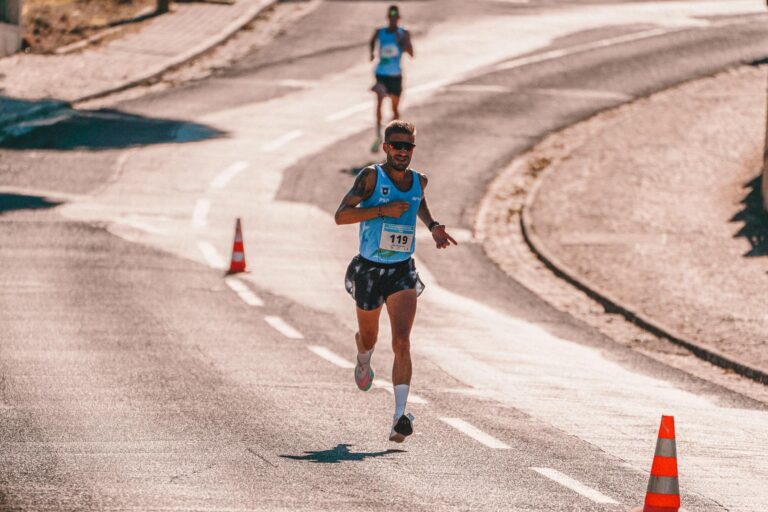
Training for your first trail run requires building a foundation of endurance on roads before transitioning to uneven terrain over 8 to 12 weeks, incorporating strength work, hill sessions, and progressive exposure to technical surfaces. If you can currently run 5 to 10 kilometers on pavement, you are ready to begin preparing for a shorter trail distance of 5 to 15 kilometers. The key difference from road running preparation is that trail training emphasizes strength, balance, and comfort with variable footing rather than hitting specific pace targets. Consider a runner who has been jogging three times per week on neighborhood sidewalks and wants to tackle a local 10K trail race through forest paths.
That person would benefit from an 8 to 10 week training block that starts on gravel roads and gentle forest trails before progressing to muddier, rockier terrain in the final weeks. This graduated approach allows tendons, ligaments, and stabilizing muscles to adapt to the lateral forces and irregular surfaces that make trail running both rewarding and physically demanding. This article covers how to structure your training timeline, what strength and hill work to include, essential gear considerations, injury prevention strategies backed by research data, and race day execution tactics. Each section draws on verified guidelines and published studies to help you reach the start line prepared and the finish line smiling.
Table of Contents
- How Long Does It Take to Train for Your First Trail Race?
- Building Trail-Specific Strength and Stability
- Mastering Hills and Technical Terrain
- Essential Gear for Trail Running Beginners
- Understanding and Preventing Trail Running Injuries
- Race Day Strategy and Execution
- The Long-Term Trail Running Path
- Conclusion
How Long Does It Take to Train for Your First Trail Race?
The answer depends on your target distance. For a 5K trail race, allow at least 4 to 6 weeks of dedicated trail-specific preparation assuming you already have a base of regular running. For a 10K trail event, plan for 8 to 10 weeks. Beginner training plans typically span 8 to 12 weeks and follow a gradual mileage increase while incorporating rest days to allow adaptation and recovery. These timelines assume you are not starting from zero.
Someone who has never run before would need additional months building aerobic fitness on roads or a track before transitioning to trails. Conversely, an experienced road runner might compress the timeline slightly, though the neuromuscular demands of uneven terrain still require dedicated adaptation time regardless of cardiovascular fitness. When choosing your first trail race, prioritize events with minimal navigation requirements and less technical terrain. This allows you to focus on the running experience and enjoyment rather than worrying about getting lost or negotiating boulder fields. A well-marked forest loop on packed dirt represents an ideal starting point compared to a remote mountain course with exposed scrambling sections.

Building Trail-Specific Strength and Stability
Strength training deserves a prominent place in any trail running program, with at least 1 to 2 sessions per week recommended to improve running stride, posture, balance, and injury resilience. Unlike road running where the surface is predictable, trails demand constant micro-adjustments from ankle stabilizers, hip abductors, and core muscles. Exercises like single-leg squats, lateral band walks, calf raises, and plank variations address these requirements directly. Research on injury prevalence among trail runners reveals why this matters.
One study found that 1 in 4 trail race entrants sustained an injury during the 12 months of training leading up to their event. The most common injuries include rolled or sprained ankles, which are far more prevalent in trail running than road running where knee injuries dominate. Strengthening the muscles that support the ankle joint and improving proprioception through balance exercises can reduce this risk. However, if you have limited time and must choose between an additional easy run or a strength session, the strength work often provides better value for trail-specific preparation. A runner who logs high mileage but neglects strength training may have excellent endurance yet remain vulnerable to the lateral ankle sprains that occur when a foot lands unexpectedly on a root or rock.
Mastering Hills and Technical Terrain
Hill training is essential for building the strength and stamina required on trails, where flat sections are the exception rather than the rule. When climbing, take shorter strides and accept a slower pace than you would maintain on flat ground. Walking steep uphills is normal and practiced even by elite runners who hike technical ascents to conserve energy for runnable sections. The terrain progression in your training should mirror what you expect on race day.
Start with gravel roads and smooth forest trails during the first weeks, then deliberately seek out muddy and rocky terrain as your body adapts. This progression teaches your feet and ankles to respond to changing surfaces while building confidence in your ability to navigate technical ground without falling. A practical example would be a runner in the Pacific Northwest who begins training on flat gravel rail trails, then advances to rooty forest paths in local parks, and finally incorporates weekend runs on rocky mountain trails with significant elevation gain. Each stage introduces new challenges while the previous adaptations remain intact. Attempting to skip directly to the most technical terrain often leads to injury or discouragement.

Essential Gear for Trail Running Beginners
Trail running shoes with good grip and support represent the most important equipment investment. Brands like La Sportiva, Salomon, Hoka One One, and Altra produce models specifically designed for off-road conditions with aggressive outsole lugs, protective toe caps, and stable platforms. Approximately 75 percent of trail runners wear trail-specific footwear, though interestingly, research has found no association between trail-specific shoes and reduced injury risk compared to standard running shoes. Beyond footwear, essential items include moisture-wicking clothing, a running vest or small backpack for carrying water and snacks on longer efforts, a waterproof jacket, a headlamp for early morning or evening runs when light fades, and a mobile phone for safety.
The vest or pack becomes particularly important for trail runs exceeding an hour where you cannot rely on water fountains or aid stations. The tradeoff with gear involves weight versus preparedness. Carrying more safety items adds burden and slows you down, but being caught in a sudden mountain storm without a jacket or running out of water on a remote trail creates far greater problems. Beginners should err toward carrying slightly more than they think necessary until they learn through experience what their specific routes and conditions require.
Understanding and Preventing Trail Running Injuries
Injury statistics for trail runners vary widely depending on the study population and methodology, with prevalence ranging from 12.3 percent to 100 percent and incidence rates spanning 2.2 to 65 injuries per 1,000 hours of running. One large study tracking 5,205 participants found that 35 percent sustained a running-related injury during tracked sessions. The knee is the most frequently injured region overall, followed by the ankle and Achilles tendon. Research published in 2025 identified several risk factors for trail running injuries: higher body weight, less interval training, lower weekly training volume and yearly elevation gain, inadequate passive recovery practices, and lower sleeping time.
Additionally, double training sessions and more than 6 years of running experience emerged as risk factors in a study of Greek trail runners. This last finding may seem counterintuitive, but experienced runners often push harder and attempt more challenging terrain, increasing exposure to injury-causing situations. These findings suggest that beginners can protect themselves by building volume gradually, incorporating varied training including intervals, prioritizing sleep and recovery, and maintaining a healthy body weight. The warning here is that enthusiasm for a new sport sometimes leads to rapid mileage increases that outpace tissue adaptation. A conservative approach during the first months of trail running pays dividends in long-term participation.

Race Day Strategy and Execution
Running by effort rather than pace is essential on race day because elevation changes, trail conditions, and altitude make pace comparisons unreliable. A 9-minute-per-mile pace that feels easy on flat roads might be impossible to maintain on a trail with 2,000 feet of climbing. Using perceived exertion or heart rate to guide your effort produces more consistent results than chasing pace numbers that bear no relationship to the terrain.
At mass starts where all runners begin together, ease into the race and let faster participants pull ahead during the first quarter mile. Settling into a comfortable position among runners of similar ability prevents the early overcooking that leads to late-race suffering. Set realistic goals beyond finishing time, such as completing the event with a smile, enjoying the scenery, or running the entire final mile. These process-oriented objectives remain achievable regardless of unexpected course difficulties or weather conditions.
The Long-Term Trail Running Path
Trail running rewards patience and consistency over months and years. The skills developed during your first race, including reading terrain, managing effort on climbs, and executing technical descents, continue refining with every subsequent event. Many runners find that what began as a single race goal evolves into a lifelong pursuit that takes them to mountains, deserts, and forests around the world.
The community aspect also deepens with experience. Group training runs, destination races, and shared post-run meals create connections with others who understand the particular satisfaction of moving through natural landscapes under their own power. Your first trail race is less an endpoint than an entrance.
Conclusion
Preparing for your first trail run involves building progressively from your current road running base over 8 to 12 weeks, incorporating 1 to 2 strength sessions per week, training on increasingly technical terrain, and acquiring essential gear including proper trail shoes, hydration capacity, and safety items. The injury research indicates that gradual progression, adequate recovery, and attention to sleep and body composition provide meaningful protection against the ankle and knee injuries that commonly affect trail runners.
Your next steps should include selecting a beginner-friendly race 8 to 12 weeks out, purchasing trail shoes from a reputable brand, identifying local trails for training progression, and establishing a consistent strength routine. Start conservatively, embrace walking on steep climbs, and keep your focus on finishing your first event healthy and happy rather than chasing an arbitrary time goal.