You increase energy and motivation by addressing five core systems simultaneously: sleep, movement, nutrition, hydration, and goal structure. There is no single fix. Research from Harvard Health, Cleveland Clinic, and Cambridge University consistently points to the same conclusion — sustainable energy is the product of layered habits, not quick supplements or caffeine binges. A runner who sleeps seven hours, eats balanced meals throughout the day, stays hydrated, and sets concrete training targets will outperform someone with superior genetics who neglects any one of those pillars. The body produces energy at the cellular level through mitochondria, and recent 2025 research from the Cleveland Clinic confirms that lifestyle changes — exercise, sleep, and nutrition — can actually increase the number of mitochondria in your cells, directly improving how much energy your body generates. If you have ever hit mile three of a run and felt like your legs were filled with sand, or stared at your training plan on a Monday morning and could not summon the will to lace up your shoes, the problem is almost certainly not laziness.
It is a breakdown somewhere in the chain of physical and psychological systems that produce what we experience as energy and drive. The good news is that each link in that chain responds to specific, evidence-backed interventions. This article covers sleep optimization, the surprising power of short movement bursts, how blood sugar regulation shapes your motivation, the nutrients most directly tied to fatigue, and the psychology of goal-setting that actually triggers your brain’s reward system. What makes this particularly relevant for runners and cardiovascular athletes is that your training demands amplify everything. A sedentary person who sleeps poorly might feel groggy. A runner who sleeps poorly will feel groggy, recover inadequately, and watch their performance decline across every metric. The stakes are higher, but so is the payoff when you get these fundamentals right.
Table of Contents
- What Actually Creates Energy and Motivation in Your Body?
- How Sleep Quality Directly Determines Your Running Performance and Drive
- The 20-Minute Rule and Why Short Workouts Build More Momentum Than You Expect
- Fueling for Sustained Energy — What and When to Eat as a Runner
- Why Dehydration Quietly Destroys Your Energy and How to Stay Ahead of It
- Setting Goals That Actually Trigger Your Brain’s Motivation System
- Intentional Recovery and the Future of Energy Science
- Conclusion
What Actually Creates Energy and Motivation in Your Body?
Energy is not abstract. It is a biochemical product. Your mitochondria — small structures inside nearly every cell — create adenosine triphosphate, or ATP, which serves as the energy currency for everything your body does, from contracting your quadriceps during a hill sprint to maintaining focus during a long tempo run. When researchers at the Cleveland Clinic talk about “boosting energy naturally,” they are largely talking about increasing mitochondrial density and efficiency. The practical implication is straightforward: the same habits that make you a better runner also make your cells produce more energy. Exercise, adequate sleep, and proper nutrition have all been shown to increase the number of mitochondria in your cells. Motivation operates through a different but related pathway. Dopamine, a neurotransmitter critical for motivation, is released when your brain anticipates or achieves a reward. Physical activity is one of the most effective ways to increase dopamine levels, according to BBC Science Focus.
This is why a morning run often transforms your outlook for the entire day — it is not just a mood boost, it is a neurochemical shift. However, dopamine is not unlimited. Chronic stress, poor sleep, and nutrient deficiencies can suppress dopamine production, which is why you can want to train in the abstract but find yourself unable to start. The solution is not to push harder through willpower. It is to fix the upstream systems that feed your motivation circuits. Consider the difference between two runners preparing for a half marathon. One sleeps inconsistently, skips breakfast, and sets a vague goal of “doing well.” The other sleeps on a fixed schedule, eats nutrient-dense meals throughout the day, and targets a specific finishing time of 1:45. The second runner is not more disciplined by nature. They have simply structured their life to support dopamine release and sustained energy production. The distinction matters because it means motivation is largely buildable, not innate.

How Sleep Quality Directly Determines Your Running Performance and Drive
Sleep is not passive recovery. It is an active process where the brain reorganizes neural pathways, clears metabolic toxins, boosts immune function, and consolidates memories — including the motor patterns you develop during training. Harvard Health and Cambridge University research both emphasize that poor sleep leads to reduced focus, lower motivation, and increased illness susceptibility. For runners, this translates to slower reaction times, impaired pacing judgment, and a suppressed desire to train. Aim for seven to eight hours per night, and more importantly, keep a consistent sleep schedule. Going to bed and waking up at the same time daily is one of the most impactful single changes you can make for energy levels. The consistency piece is where most runners fail.
Many athletes are diligent about their mileage but treat sleep like a flexible variable — staying up late on weekends, sleeping in after a rest day, or cutting sleep short to fit in an early morning run. This irregular pattern disrupts circadian rhythm, which governs not just sleepiness but hormone release, body temperature regulation, and appetite. A runner who gets six hours on a rigid schedule may actually feel more energized than one who averages seven and a half hours but varies bedtime by two hours nightly. However, if you are in a heavy training block and finding that seven hours leaves you still exhausted, the issue may not be duration. Overtraining syndrome can impair sleep quality even when quantity seems adequate. Signs include elevated resting heart rate, persistent muscle soreness, and irritability. In that case, the fix is not more sleep — it is less training volume, at least temporarily. Sleep optimization only works when the demands placed on your body are reasonable enough for recovery to occur within the available window.
The 20-Minute Rule and Why Short Workouts Build More Momentum Than You Expect
Research cited by Harvard Health found that just 20 minutes of low-to-moderate aerobic activity, three days a week, can significantly increase energy levels. For runners who are stuck in a motivation rut, this finding is liberating. You do not need to complete a full training session to benefit. A short, easy jog around the block can shift your neurochemistry enough to make the next workout feel possible. This is especially valuable during periods of burnout or when returning from injury, when the gap between where you are and where your training plan says you should be feels insurmountable. Even shorter efforts have measurable effects.
Researchers found that five-minute “microbursts” of walking — done six times throughout a work shift — boosted energy and improved overall mood for the entire day. For a runner with a desk job, this translates to a practical strategy: take a five-minute walk every 90 minutes during the workday, and you arrive at your evening run with meaningfully more energy than if you sat continuously for eight hours. The mechanism is partly circulatory — movement increases blood flow and oxygen delivery — and partly neurological, as even brief physical activity stimulates dopamine release. Strength training deserves mention here because many runners dismiss it as irrelevant to their energy levels. The Cleveland Clinic’s research confirms that strength training has the same energy-boosting effect as aerobic exercise. A runner who replaces one easy run per week with a 30-minute strength session is not sacrificing energy — they are diversifying the stimulus that produces it. The added benefit is injury prevention, which protects long-term motivation by keeping you healthy enough to train consistently.
Fueling for Sustained Energy — What and When to Eat as a Runner
Blood sugar regulation directly affects motivation, and this is not a vague nutritional platitude. Research from ZOE, conducted in collaboration with King’s College London and Massachusetts General Hospital, found that people who experience larger blood sugar spikes after eating show measurable differences in how they learn from rewards, linked to lower mood and reduced drive. For runners, this means that a pre-run meal of white toast and jam might provide quick fuel but could leave you feeling flat and unmotivated two hours later when blood sugar crashes. A meal combining complex carbohydrates with protein and fat — oatmeal with nuts and Greek yogurt, for example — provides a slower, more sustained release. Harvard Health recommends eating smaller, more frequent “mini-meals” of nutrient-dense food rather than three large meals. This approach provides sustained energy without overloading the digestive system.
For runners, this might look like breakfast at 7 a.m., a mid-morning snack at 10, lunch at noon, an afternoon snack at 3, and dinner at 6:30 — with each eating occasion including some protein, some complex carbohydrate, and some healthy fat. The tradeoff is that this requires more planning and preparation than simply eating three times a day, but the energy stability is significant, particularly on days with afternoon or evening training sessions. The nutrients most directly tied to energy production are B vitamins — particularly B12 and B6 — iron, magnesium, and vitamin D. According to Medical News Today and GoodRx, deficiencies in any of these are directly linked to fatigue. Runners are at elevated risk for iron depletion due to foot-strike hemolysis and sweat losses, and for magnesium depletion due to its role in muscle contraction. Before supplementing blindly, get blood work done. Supplementing a nutrient you are not deficient in rarely improves energy, but correcting an actual deficiency can feel like flipping a switch.
Why Dehydration Quietly Destroys Your Energy and How to Stay Ahead of It
Even mild dehydration causes fatigue. Studies cited by the Cleveland Clinic and Harvard Health show that losing as little as one to two percent of body water can impair mood, concentration, and energy. For a 160-pound runner, that is just 1.5 to 3 pounds of fluid — an amount easily lost during a moderate-effort run on a warm day. The insidious part is that thirst is a lagging indicator. By the time you feel thirsty, you are already experiencing cognitive and physical effects. This is why many runners feel inexplicably sluggish on their second run of the day or the morning after a long effort — they never fully rehydrated.
The limitation of hydration advice is that it is highly individual. The old “eight glasses a day” guideline has no strong scientific basis. Sweat rate varies enormously between people and conditions. A more reliable approach is to monitor urine color — pale yellow indicates adequate hydration — and to weigh yourself before and after runs during different weather conditions to understand your personal sweat rate. If you lose two pounds during an hour-long run, you need roughly 32 ounces of fluid to replace what was lost, plus your baseline daily intake. Electrolytes matter too, particularly sodium. Drinking large volumes of plain water without replacing sodium can dilute blood sodium levels, a condition called hyponatremia that ironically causes many of the same symptoms as dehydration: fatigue, confusion, and nausea.

Setting Goals That Actually Trigger Your Brain’s Motivation System
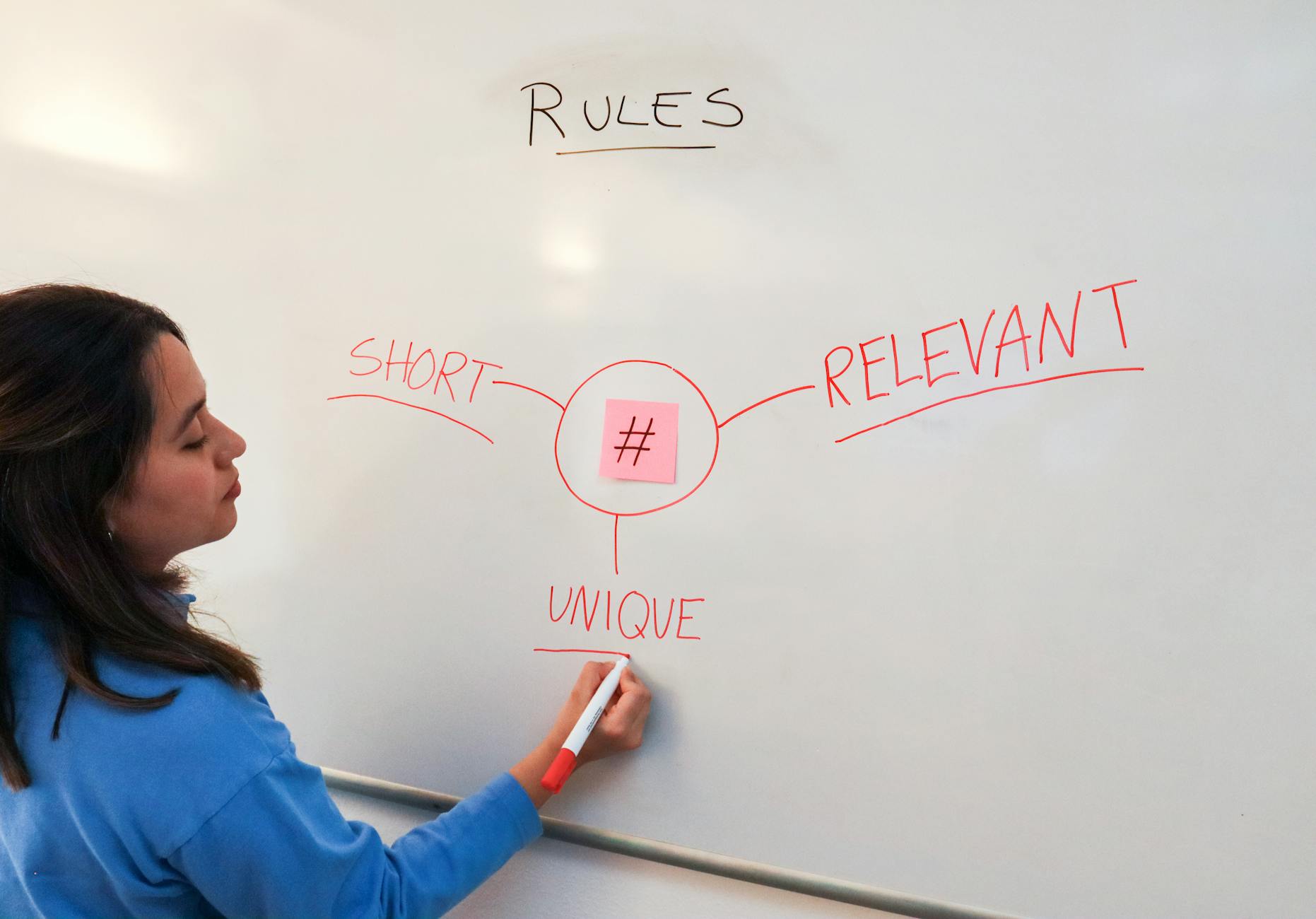
Not all goals are equal in their neurological effect. Research from Dr. Michelle Rozen and Science of People shows that specific, measurable goals trigger the brain’s reward system, while vague goals like “run more” or “get faster” do not release the same motivation-boosting neurochemicals. The reason is that your brain needs a clear target to anticipate a reward. “Run a sub-50-minute 10K by June” gives your dopamine system something to lock onto. “Improve my running” does not.
For runners building a training plan, this means translating every phase into concrete, time-bound targets — a weekly mileage number, a specific long-run pace, a target race finish time. Intrinsic motivation — the feeling that a goal is personally meaningful rather than externally imposed — significantly increases the likelihood of follow-through, according to BetterUp. A runner training for a marathon because they genuinely want to test their limits will sustain motivation through hard training blocks more reliably than one running because their coworker signed them up. Additionally, self-compassion reduces anxiety and increases resilience, making people more likely to bounce back from setbacks and stay engaged, per BBC Science Focus. Missing a workout or having a bad race does not need to become a narrative about failure. Treating setbacks as data rather than verdicts preserves the psychological conditions that motivation requires.
Intentional Recovery and the Future of Energy Science
Taking intentional breaks — especially outdoors or involving movement — restores mental clarity and sustains motivation throughout the day, according to 2026 research from Cambridge University. For runners, this reinforces what experienced coaches have always known: rest days and easy weeks are not concessions to weakness. They are investments in the biological systems that produce energy and drive. A recovery walk in a park on a rest day is not just pleasant — it is actively restoring the neural and hormonal resources that will fuel your next hard session. The broader trajectory of energy science is moving toward a more integrated understanding of how mitochondrial health, gut microbiome composition, and circadian biology interact.
The 2025 research highlighting that lifestyle changes can increase mitochondrial count is likely just the beginning. As these mechanisms become better understood, runners will have increasingly precise tools for optimizing energy. But the foundation will remain the same: sleep well, move consistently, eat real food, stay hydrated, and set goals that matter to you. These are not revolutionary suggestions. They are revolutionary in their cumulative effect when actually practiced together.
Conclusion
Increasing energy and motivation is not about finding one secret technique. It is about building a system where sleep, movement, nutrition, hydration, and purposeful goal-setting reinforce each other. For runners and cardiovascular athletes, every element carries extra weight because training creates additional demands on each system. Seven to eight hours of consistent sleep fuels cellular repair. Twenty minutes of easy movement on off days sustains neurochemical balance. Nutrient-dense meals spaced throughout the day stabilize blood sugar and motivation. Adequate hydration prevents the silent drain that undermines everything else.
And specific, meaningful goals give your brain a reason to show up. Start with the area where you are weakest. If you are sleeping erratically, fix your schedule before overhauling your diet. If your nutrition is solid but you have not had blood work in years, check your iron, B12, magnesium, and vitamin D levels. If you are physically healthy but cannot find the will to train, examine whether your goals are specific enough and personally meaningful. Address one system at a time, give it two to three weeks, and then layer in the next change. The compounding effect of getting these basics right is far greater than any supplement, gadget, or motivational podcast.