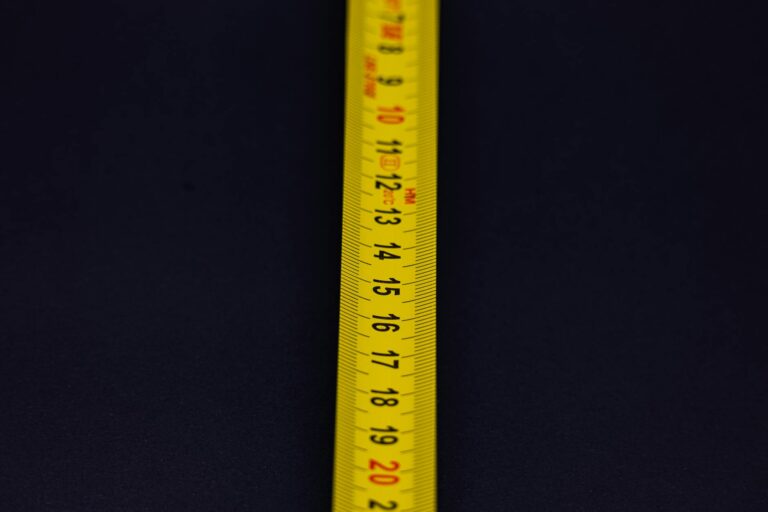
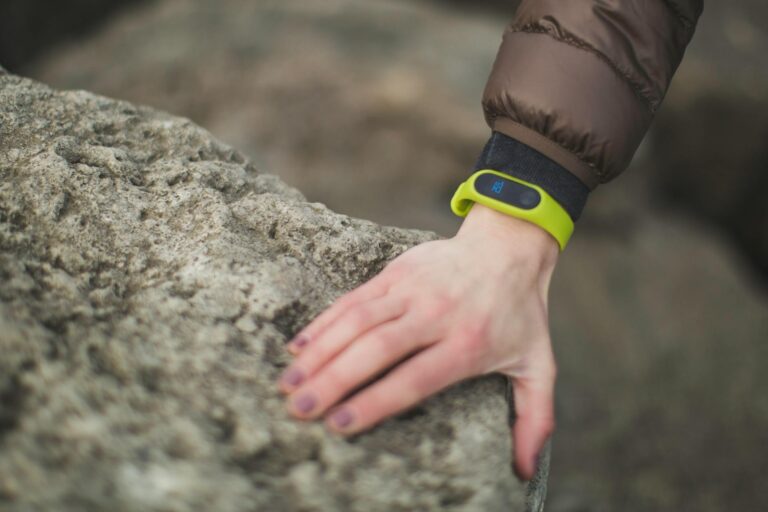
You can turn walking into intensity minutes by increasing your pace to a brisk walk, typically defined as 3.5 to 4.5 miles per hour or roughly 100-120 steps per minute. Most fitness trackers and health apps classify sustained walking at this pace as “vigorous intensity” or the lower end of “moderate intensity,” meaning it counts toward your daily intensity minute goals. The key is consistency and sustained effort—a casual stroll won’t qualify, but a purposeful, faster-paced walk that elevates your heart rate will. Walking qualifies as intensity minutes because the metabolic demand is high enough to raise your heart rate into a target zone.
For most people, this means walking fast enough that conversation becomes difficult but not impossible—what fitness experts call the “talk test.” If you can walk and talk in short sentences but not carry on a full conversation, you’re likely hitting the intensity threshold. For someone tracking 150 minutes of moderate intensity activity per week (a common health guideline), fast walking is one of the simplest ways to accumulate these minutes without running or jumping. The appeal of walking-based intensity minutes is practical: it requires no equipment, minimal risk of injury, and can be integrated into daily routines like commuting or errands. Many people find they can sustain a brisk walk longer than a run, which means they accumulate more total intensity minutes over the course of a week.
Table of Contents
- What Pace and Heart Rate Do You Actually Need?
- Understanding How Fitness Apps Measure Intensity Minutes
- The Role of Incline and Terrain in Boosting Intensity
- Practical Strategies to Build and Maintain Intensity Minutes
- Common Mistakes That Prevent Walking From Counting
- Combining Walking With Other Activities for Maximum Intensity Minutes
- The Future of Walking and Intensity Tracking
- Conclusion
- Frequently Asked Questions
What Pace and Heart Rate Do You Actually Need?
The threshold for intensity minutes depends on your fitness level and age. For most adults, moderate-intensity activity means walking at 60-70% of your maximum heart rate, while vigorous intensity sits at 70-85%. A simple way to estimate your maximum heart rate is to subtract your age from 220—so a 40-year-old would have an estimated max of 180 beats per minute. Moderate intensity for that person would be roughly 108-126 bpm, which is usually achievable with a brisk walk. However, a very fit person might need to walk even faster or incline a treadmill to reach that zone, while someone with lower fitness might reach moderate intensity at a slower pace.
The practical takeaway: you need to walk fast enough that you feel the effort. If you’re using a fitness tracker with heart rate monitoring, aim for the moderate to vigorous zone as it displays on your device. Without a tracker, use the talk test—you should be breathing noticeably harder than at rest, but not gasping for air. One common comparison: intense walking feels like you’re late for an appointment and walking with purpose, not strolling or exercising casually. A real example: a 50-year-old person might achieve moderate intensity at 3.5 mph on flat ground, while a very fit athlete might need to hit 4.5 mph or add a 5-10% incline to reach the same heart rate zone. This is why it’s important to assess intensity by how your body feels, not just by a fixed speed number.

Understanding How Fitness Apps Measure Intensity Minutes
Most fitness trackers and health apps use heart rate data to classify activity as moderate or vigorous intensity. Apple Health, Fitbit, Garmin, and similar platforms monitor your heart rate during walking and calculate intensity minutes based on whether your heart rate stays elevated above your individual threshold. This means the same walking pace might count as intense for one person and casual for another—it’s personalized to your baseline fitness. The limitation here is significant: if you don’t have a heart rate monitor built into your device or wear, many apps default to speed-based or estimated calorie-burn calculations. These estimates are often less accurate than actual heart rate data.
For example, walking uphill might elevate your heart rate to the moderate intensity zone at just 2.5 mph, but some apps might not recognize this unless they factor in the incline. Similarly, someone with a higher resting heart rate might reach intensity zones more easily than someone with a lower baseline, but basic speed thresholds don’t account for individual variation. Another consideration: different apps use different thresholds. Apple Health might classify the same walk as moderate intensity while Fitbit categorizes it as light intensity. This is why understanding your personal heart rate zones is more reliable than relying on app estimates alone.
The Role of Incline and Terrain in Boosting Intensity
Walking uphill is one of the most effective ways to turn a walk into intensity minutes without significantly increasing your pace. A 5-10% incline on a treadmill can push your heart rate into the moderate or vigorous zone even at 3.0-3.5 mph. Outdoor terrain variations—hills, uneven ground, sand, or gravel—naturally demand more effort and elevate your heart rate, which is why a walk in a park or on a trail often counts toward intensity minutes more easily than a flat neighborhood walk. Here’s the trade-off: while incline makes walking more effective for intensity minutes, it’s also more demanding on your joints, particularly your knees and hips.
Someone returning from injury or with lower-body joint issues might need to stick to flat ground and rely on speed instead. Additionally, not everyone has access to hills or varied terrain—urban walkers on flat streets may need to use a treadmill with adjustable incline, walk faster, or add other variables like carrying a light backpack to increase effort. A practical comparison: walking at 3.5 mph on flat ground might accumulate 30 intensity minutes over an hour, but the same hour on a treadmill with a 5% incline at 3.2 mph could easily exceed 50 intensity minutes. This is why many fitness enthusiasts mix flat-ground speed walking with inclined walking sessions to manage impact while still meeting intensity goals.

Practical Strategies to Build and Maintain Intensity Minutes
Building a sustainable routine starts with realistic expectations. Rather than trying to walk hard every single day, consider alternating between moderate-intensity brisk walks (3-4 times per week) and easier-paced active recovery walks. This approach prevents burnout and reduces injury risk. You might do a 40-minute brisk walk on Monday, Wednesday, and Friday, plus casual walks on other days. Over a week, this could easily accumulate 120+ intensity minutes.
Another strategy is interval-style walking: alternate between 2-3 minutes of brisk walking and 1-2 minutes of easier pace, then repeat. This trains your body to sustain higher intensity while giving you brief recovery periods, and many people find it more sustainable than maintaining a constant hard pace. For example, a 40-minute walk with four 2-minute brisk intervals and 3-minute recovery periods might yield 40+ intensity minutes depending on how hard you push during the intervals. The comparison worth noting: continuous fast walking (one steady 4.2 mph pace for 45 minutes) typically accumulates more intensity minutes than variable-pace walking, but variable-pace walking feels less monotonous and may be easier to sustain long-term. Your choice depends on whether you prioritize total intensity minutes or workout enjoyment and adherence.
Common Mistakes That Prevent Walking From Counting
One of the biggest mistakes is overestimating your pace. Many people believe they’re walking at 4.0 mph when they’re actually closer to 3.2 mph. Without a treadmill, tracking app with GPS, or measuring actual distance and time, it’s easy to misjudge. If your fitness tracker isn’t recording intensity minutes during walks you thought were brisk, the issue is likely that you’re not reaching the heart rate threshold, even if the pace feels fast to you. Another common error is inconsistency in effort level. Walking at 3.8 mph for 5 minutes, then slowing to 3.2 mph for 10 minutes, then speeding back up makes it difficult for trackers to register consistent intensity time.
Your heart rate will fluctuate, and you may only accumulate scattered intensity minutes rather than a continuous block. Sticking to a more consistent pace throughout a walk ensures better tracking and more predictable results. A warning: pushing too hard too fast can lead to overuse injuries, particularly in the hips, knees, and feet. If you’re new to brisk walking or haven’t exercised in months, build up gradually. Increase your pace or duration by about 10% per week, and listen to your body for signs of pain (not just the discomfort of effort). Soreness after a workout is normal; sharp pain during or pain that persists for days is not.
Combining Walking With Other Activities for Maximum Intensity Minutes
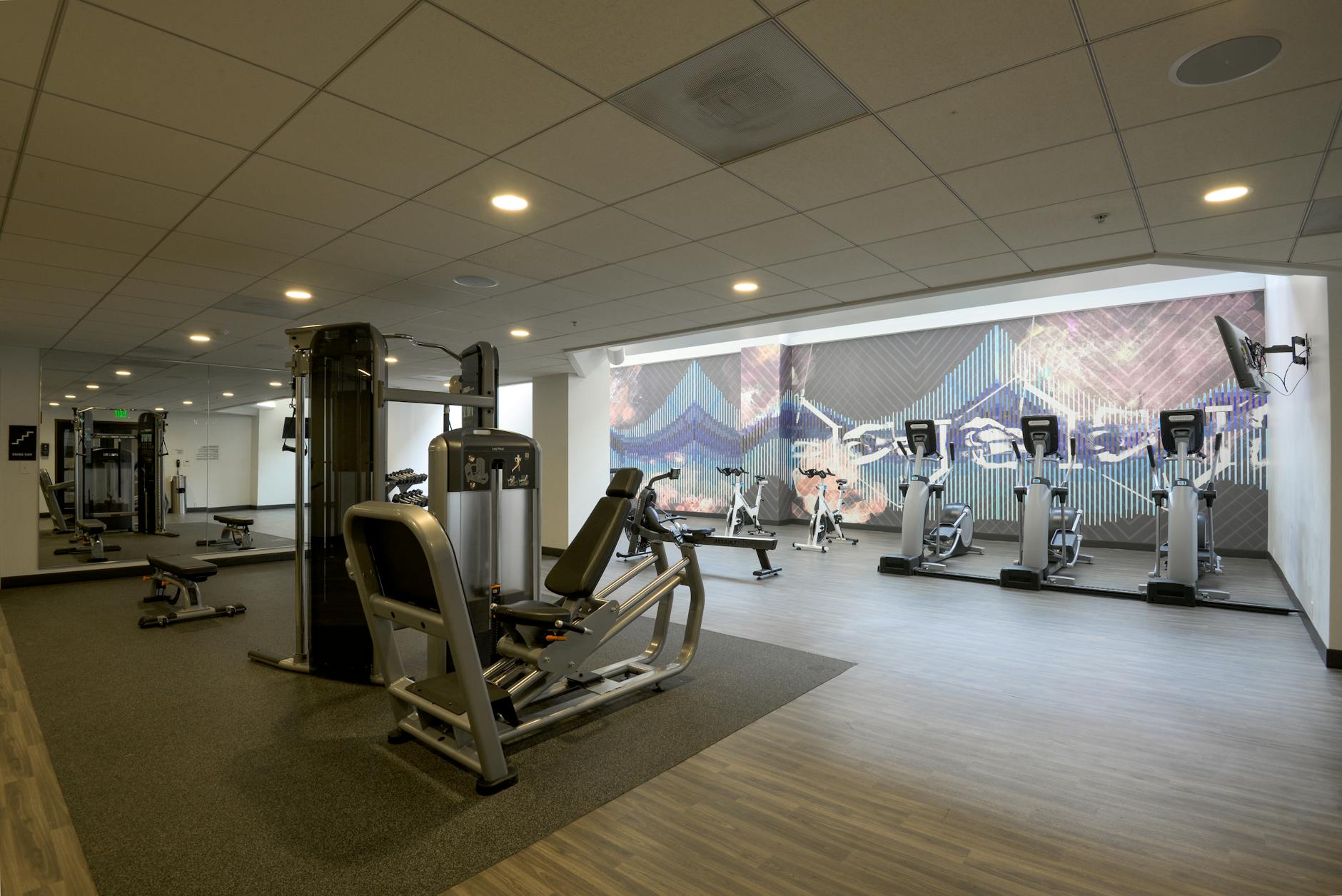
Many people find that adding light resistance work or bodyweight exercises during or between walks amplifies their intensity benefits. For example, a 30-minute walk interrupted by 5-minute bodyweight circuits (10 squats, 10 lunges, 10 push-ups, repeat) maintains elevated heart rate and burns more total calories while often qualifying all 30 minutes as intensity time. Similarly, walking to and from a gym or training facility means you’re accumulating intensity minutes during the commute.
A practical example: a person might do a 20-minute brisk walk to a park, then 15 minutes of bodyweight exercises, then a 20-minute brisk walk back. The total time is 55 minutes, and depending on heart rate, the entire session might count as 50+ intensity minutes. This blended approach appeals to people who want variety and who find pure walking eventually becomes monotonous.
The Future of Walking and Intensity Tracking
As wearable technology advances, the definition and measurement of intensity minutes is becoming more sophisticated. Newer devices use multiple sensors (heart rate, motion, temperature, oxygen saturation) to provide more accurate intensity classifications. Artificial intelligence in fitness apps increasingly learns your personal patterns and adjusts recommendations—suggesting when to push harder or when to ease off based on recovery metrics and historical data.
The landscape is also shifting as health organizations update their activity guidelines. Some researchers argue that the simple “150 minutes of moderate intensity” goal misses nuance—that shorter bouts of very high intensity activity might be more efficient for health outcomes than extended moderate-intensity sessions. For walking enthusiasts, this could mean that future guidance values shorter, harder walks more than it currently does.
Conclusion
Turning walking into intensity minutes is fundamentally about pace, heart rate, and consistency. By walking at a brisk speed (typically 3.5-4.5 mph), using incline, or varying terrain, you can reach the moderate to vigorous intensity zone where your fitness tracker registers intensity minutes. The most reliable way to verify you’re hitting this zone is to monitor your heart rate with a device and use the talk test as a reality check—if you can’t maintain a conversation, you’re working hard enough.
The practical advantage of this approach is that brisk walking is sustainable, low-injury, and can be woven into daily life. Whether you accumulate intensity minutes through three dedicated 45-minute walks per week or through varied terrain and intervals, consistency matters more than perfection. Start at a pace that feels challenging but maintainable, track your results with a fitness app or device, and adjust incrementally as your fitness improves. Within a few weeks, you’ll develop the intuition to know when you’re hitting intensity zones, and your intensity minute accumulation will become automatic.
Frequently Asked Questions
Does walking on a treadmill count the same as outdoor walking?
Yes, if your heart rate reaches the same zone. However, treadmill walking is slightly easier because the belt assists movement; you may need to add 1-2% incline to match the effort of outdoor walking on flat ground. Outdoor walking often feels harder due to wind resistance and terrain variation.
How do I know if my fitness tracker is accurately measuring intensity minutes?
Compare the tracker’s recorded intensity time with your own perception of effort using the talk test. If you were walking hard enough that conversation was difficult, but the tracker shows zero or very few intensity minutes, there’s likely a calibration issue. Check that your age, weight, and maximum heart rate are correctly entered, or try syncing and restarting the app.
Can I accumulate 150 intensity minutes per week just from walking?
Yes, absolutely. Three 50-minute brisk walks per week, or four 40-minute walks, would reach the target. The question is whether brisk walking will consistently register as intensity time on your specific tracker, which depends on your baseline fitness.
Is there an age limit for using walking to build intensity minutes?
No. People in their 60s, 70s, and beyond can reach intensity zones through brisk walking. The intensity threshold is lower for older adults (because max heart rate decreases with age), so a slower pace might qualify as vigorous for someone over 75 than for someone over 40.
Should I do brisk walking every day?
It’s safer to mix brisk walks with easier-paced walks or rest days. Walking hard daily increases injury risk, particularly for the knees and feet. Most health guidelines suggest 3-5 days per week of moderate to vigorous activity with recovery days in between.