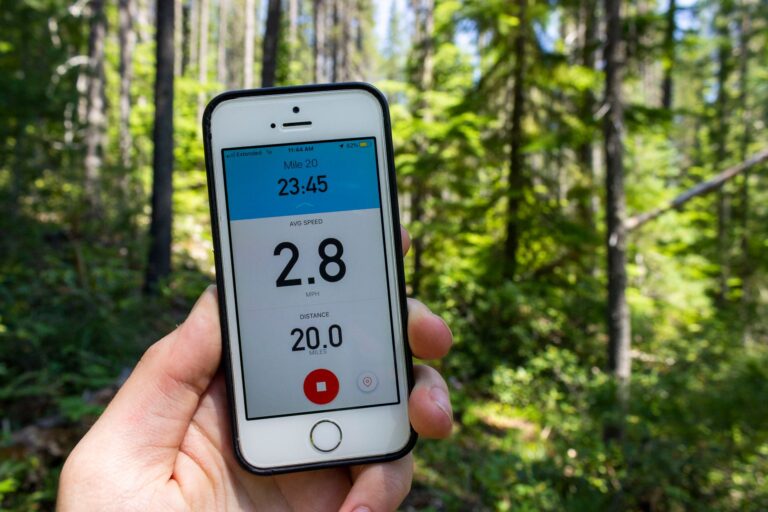
Yes, hiking absolutely counts as active recovery—but only when you keep the intensity low enough. The key is maintaining a heart rate between 30-60% of your maximum, which feels like an easy conversation pace where you’re barely breathing hard. I’ve learned to distinguish between my recovery hikes, where I’m genuinely letting my body repair itself after hard workouts, and my hiking days that are actually training sessions in disguise. For example, a gentle 45-minute forest loop on flat terrain where I can chat with a friend is recovery.
A steep two-hour mountain climb with significant elevation gain? That’s a workout, and it should count toward my weekly training volume, not my recovery days. The reason this matters is that active recovery hiking actually enhances your fitness gains rather than replacing them. When I hike at an easy pace, my muscles get increased blood flow that helps flush out metabolic waste from hard training days while simultaneously delivering fresh oxygen and nutrients for faster recovery. This process is measurable—low-intensity hiking keeps your heart rate in the sweet spot where your body can efficiently recover while still maintaining aerobic fitness. I’ve found that incorporating 90 minutes of weekly hiking at this easy intensity has become one of the most effective recovery tools in my training arsenal, and the science backs this up.
Table of Contents
- When Does a Hike Count as Active Recovery Instead of a Workout?
- The Science of How Hiking Recovers Your Body Better Than Rest Days
- Building Bone Strength While You Recover
- Finding Your Recovery Pace—A Practical Guide
- When Hiking Becomes a Workout, Not Recovery
- The Vitamin D and Mental Health Double Win
- Making Hiking Part of Your Weekly Training Plan
- Conclusion
When Does a Hike Count as Active Recovery Instead of a Workout?
The distinction comes down to intensity and duration. Active recovery is defined as exercise where your heart rate stays between 30-60% of your maximum heart rate. For someone like me with a max of around 190, that means keeping my heart rate between 57 and 114 beats per minute during a hike. This is the zone where your breathing feels easy, you can hold a full conversation without gasping, and your muscles aren’t burning. A 30-minute gentle slope hike at 2-3 mph with minimal elevation is clearly recovery.
But here’s where runners often mess up: if you hike for 60-90 minutes, even at a moderate pace, or you’re doing 30-45 minutes on a steep incline, you’ve shifted into workout territory and should track it as training, not recovery. I learned this the hard way when I logged a 75-minute mountain trail hike as a recovery day, only to feel wrecked the next morning during my speed workout. The combination of the long duration and the constant elevation change had pushed my intensity far higher than I realized. Now I use a simple rule: if I’m huffing on climbs, if my legs are burning, or if the outing lasts longer than 45 minutes on flat terrain or 30 minutes on inclines, it counts as a workout in my training log. This distinction is critical because treating a moderately hard hike as recovery when it’s actually a workout creates hidden fatigue that accumulates and kills your performance.

The Science of How Hiking Recovers Your Body Better Than Rest Days
The research on hiking’s recovery benefits is compelling, and it goes beyond just feeling nice. A 2023 Journal of Alternative and Complementary Medicine study found that hiking reduces cortisol—your stress hormone—by 18% within just one hour of activity. Since elevated cortisol slows recovery and can undermine your training, this is a significant benefit. For runners who push hard in training, this cortisol reduction means your parasympathetic nervous system can finally kick in and do its repair work. Over 90 minutes of weekly hiking, a 2020 Journal of Behavioral Medicine study showed anxiety symptoms dropped by 20% in participants. As someone who uses running as stress relief, I’ve noticed that the easier, less competitive nature of hiking gives me a different kind of mental reset than chasing fast times.
The physical mechanism is simple but profound: low-intensity hiking enhances blood flow throughout your body, which is exactly what your muscles need after a hard workout. That improved circulation helps flush out metabolic byproducts that accumulate during intense training, while simultaneously delivering oxygen and nutrient-rich blood to damaged muscle fibers for repair. It’s active recovery in the truest sense. However, there’s a limitation worth noting: these benefits apply specifically to low-intensity hiking. If you’re constantly pushing yourself to climb faster or harder during your “recovery” hikes, you’re triggering the same muscle breakdown as a workout without giving your body the full recovery advantage. I’ve had to consciously slow down on hills to keep my heart rate in that 30-60% zone, which feels counterintuitive when you’re used to running with purpose.
Building Bone Strength While You Recover
One surprising benefit I wasn’t expecting from regular hiking is the impact on bone health. A 2022 Osteoporosis International study found that regular weekly hiking correlates with 35% higher bone mineral density in the hip and spine compared to non-hikers. This is particularly valuable for runners, who are at higher risk for stress fractures and osteoporosis than the general population due to the repetitive pounding of running. The weight-bearing nature of hiking, even at an easy pace, stimulates bone cells to strengthen. I think of my recovery hikes as doing double duty: they’re actively helping my bones become more resilient while I’m letting my muscles recover from hard running. The incline element matters here.
When I’m hiking on terrain with elevation, even if I’m going slowly, I’m loading my bones at slightly different angles than flat ground running does. This varied loading pattern actually strengthens bone more effectively than repetitive running on pavement. At 18-34 years old, hikers show 2x higher vitamin D levels than non-hikers, largely due to increased sun exposure during outdoor hiking. Vitamin D is essential for calcium absorption and bone health. So on those recovery hike days, I’m simultaneously reducing my injury risk while soaking up the sun for better vitamin D production. The caveat is that you need to be doing these hikes consistently, not occasionally, to see real bone density improvements. One hike a month won’t move the needle, but consistent weekly hiking absolutely will.

Finding Your Recovery Pace—A Practical Guide
The biggest challenge I faced was learning what “easy” actually felt like. I grew up thinking running was about suffering, so my first instinct was to push harder on hikes too. I finally invested in a basic chest strap heart rate monitor, which was eye-opening. At a pace I thought was “recovery,” my heart rate was sitting at 75% of max. I had to nearly halve my hiking speed to get into the true 30-60% zone. Now I use the conversational test: if I can recite the Pledge of Allegiance without pausing for breath, I’m at approximately 60% max heart rate. If I can have a normal back-and-forth conversation, I’m in the sweet recovery zone.
If I’m gasping between words, I’m too hard and need to ease up. Comparing this to my running: a recovery run for me is around 10-11 minute miles, which feels slow until I remember the goal isn’t speed—it’s physiological recovery. A recovery hike should feel similarly casual, probably around 2.5-3 mph on flat terrain, which burns approximately 350-450 calories per hour for a 160-pound person. That’s meaningful calorie expenditure from recovery work, which helps me manage overall energy balance without piling on extra training stress. The tradeoff is that true recovery hiking requires discipline. It’s tempting to speed up when the trail is beautiful or to take shortcuts through the more technical terrain. But the moment I start pushing, I’ve shifted into a workout, and I’m losing the recovery benefits. Learning to embrace the slowness has been surprisingly liberating.
When Hiking Becomes a Workout, Not Recovery
This is the mistake I see most often in running communities: people treating long hikes as “just a rest day activity” when they’re actually significant workouts. Here’s the hard truth: 60-90 minute hikes, even at a leisurely pace, or 30-45 minutes of constant incline hiking at 5-15% grade can be as taxing on your body as a moderate run. Your muscles don’t know whether they’re being challenged by asphalt or elevation—they know they’re working hard. I tracked this several times with my watch and was shocked to see that a “relaxing” 75-minute mountain hike put my average heart rate at 65% max, putting me firmly in aerobic workout territory.
The warning here is critical: if you’re doing long or steep hikes right after a hard training day, or frequently doing them without treating them as workouts, you’re accumulating more fatigue than you realize. Your body can’t tell the difference between “it was just a hike” and “I did an actual workout”—the recovery demands are real. I’ve learned to schedule my longer or hillier hikes on days when I’m also marking a workout in my training log, and I make sure I’m not piling them on top of other hard sessions. On true recovery days, I either take complete rest or do very short, flat, easy hikes under 30 minutes. This distinction has made a huge difference in how I feel during key training blocks.

The Vitamin D and Mental Health Double Win
Beyond the physical recovery, the mental health boost from regular hiking is undeniable, and it’s backed by real numbers. That 20% reduction in anxiety symptoms from 90 minutes of weekly hiking isn’t just feel-good research—it’s transformative for runners dealing with training stress. I’ve noticed that my hiking days, especially on wooded trails away from the road running circuit, give me a mental break from performance pressure. I’m not checking my pace, not comparing splits, not worrying about hitting a time goal. I’m just moving through nature at an easy pace.
Combined with the 2x higher vitamin D levels that hikers aged 18-34 achieve compared to non-hikers, the cumulative effect on mood and energy is significant. The vitamin D angle matters more than many runners realize. Vitamin D deficiency is common in runners, especially those training early mornings or evenings when sunlight is limited. A single hour of outdoor hiking in midday sun can meaningfully boost your vitamin D production. I try to schedule at least one of my weekly recovery hikes during lunch or mid-afternoon to maximize sun exposure. The combination of stress reduction, anxiety relief, and vitamin D production makes hiking a triple-threat recovery tool that you simply can’t replicate on a treadmill or indoor trainer.
Making Hiking Part of Your Weekly Training Plan
The 2026 fitness guidelines recommend at least 150 minutes of moderate aerobic activity weekly plus muscle-strengthening work on 2 or more days. I’ve started thinking of my easy hiking as part of fulfilling that moderate aerobic requirement, depending on the intensity and duration. A 45-minute easy hike contributes to those 150 minutes, especially if it’s steady and on varied terrain. But I’m careful not to count a 90-minute mountain hike toward my moderate aerobic minutes—that’s a hard workout that belongs in my training volume, not my recovery quota. The practical integration looks like this: I schedule two true recovery hikes per week, keeping them short (30-45 minutes) and on moderate terrain to stay in the 30-60% heart rate zone.
I track them separately from my running in my training log so I can see the total training stress. On weeks when I’m doing higher mileage in running, these easy hikes help my overall recovery without adding more fatigue. On lighter training weeks, I might extend one hike to 60 minutes if it’s completely flat and easy, just for the mental health benefit. The key is intentionality—hiking as recovery should never be an afterthought or a way to accumulate more training stress under the guise of relaxation. When approached correctly, hiking becomes one of the most effective and enjoyable parts of the training cycle.
Conclusion
Hiking absolutely counts as active recovery when you keep the intensity low and treat it as a deliberate part of your training plan rather than just “going for a walk.” The science is clear: regular easy hiking reduces stress hormones, alleviates anxiety, strengthens bones, and provides meaningful aerobic work while allowing your body to repair from harder training sessions. The key is knowing the difference between recovery hiking and workout hiking, which largely comes down to duration, incline, and heart rate. Start by investing in a simple heart rate monitor and learning what your personal recovery zone feels like.
Aim for 90 minutes of weekly easy hiking on terrain that keeps you in a conversational, easy-breathing state. Track your hikes honestly in your training log—if it’s steep or long, call it a workout. Over time, you’ll notice improved recovery, better bone health, more stable moods, and surprisingly strong aerobic fitness maintained through minimal effort. That’s what makes hiking as active recovery so effective: it genuinely counts toward your training goals while feeling like a break from the grind.