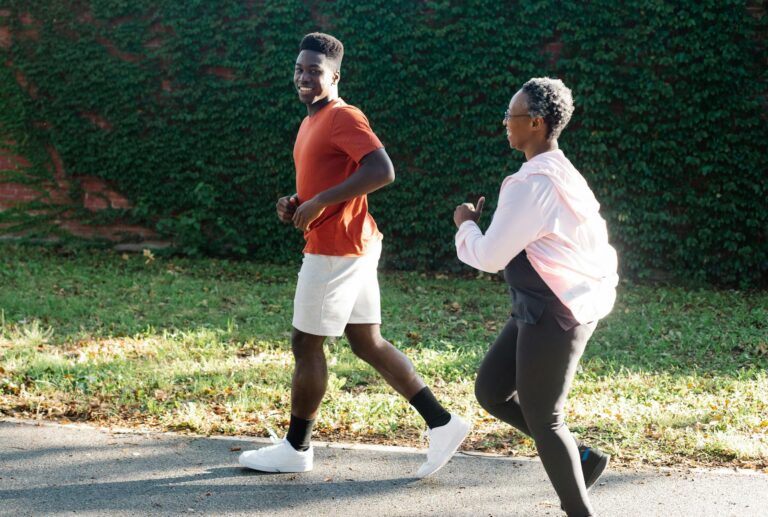
Heart healthy cardio for seniors centers on low-impact, moderate-intensity activities performed consistently rather than intensely””think brisk walking, swimming, cycling, and water aerobics done for 20 to 30 minutes most days of the week. The key is maintaining a pace where you can still hold a conversation but feel slightly breathless, typically targeting 50 to 70 percent of your maximum heart rate. A 68-year-old retiree named Margaret, for example, reversed her borderline hypertension by walking her neighborhood for 25 minutes each morning, gradually building from a slow stroll to a pace that left her pleasantly winded but never gasping. This approach works because aging hearts benefit more from regularity than from occasional bursts of high effort.
The cardiovascular system adapts to consistent, gentle demands by improving blood vessel flexibility, lowering resting heart rate, and enhancing the heart’s pumping efficiency. Unlike younger exercisers who might push through discomfort for gains, seniors achieve better outcomes by respecting their body’s feedback and prioritizing sustainability over intensity. This article explores why certain cardio activities outperform others for older adults, how to determine appropriate intensity levels, specific exercises that protect joints while strengthening the heart, and warning signs that indicate you should scale back. Whether you’re returning to exercise after years away or looking to maintain fitness into your seventies and beyond, understanding these principles will help you build a routine that genuinely supports cardiovascular health.
Table of Contents
- What Makes Cardio Heart Healthy for Seniors Specifically?
- Low-Impact Cardio Options That Protect Aging Joints
- How Seniors Can Monitor Exercise Intensity Safely
- Building a Weekly Cardio Schedule for Heart Health
- Warning Signs That Indicate Overexertion in Older Adults
- The Role of Warm-Up and Cool-Down for Senior Hearts
- How to Prepare
- How to Apply This
- Expert Tips
- Conclusion
- Frequently Asked Questions
What Makes Cardio Heart Healthy for Seniors Specifically?
The senior heart differs meaningfully from its younger counterpart in ways that shape what constitutes effective exercise. After age 60, the heart’s walls thicken slightly, arteries lose some elasticity, and the electrical system that regulates heartbeat becomes somewhat less responsive. These changes mean the heart cannot accelerate as quickly or reach the same peak rates it once could. Effective senior cardio works within these constraints rather than fighting against them, emphasizing sustained moderate effort over short intense bursts. Research from the American Heart Association indicates that seniors who perform moderate cardio for 150 minutes weekly reduce their cardiovascular disease risk by approximately 30 to 40 percent compared to sedentary peers.
However, the same research shows that exceeding 300 minutes weekly provides diminishing returns for most older adults and may increase injury risk. Compare this to younger adults, who often benefit from higher volumes and intensities. The sweet spot for seniors lies in that middle ground””enough stimulus to prompt adaptation without overwhelming recovery capacity. One limitation worth noting: these general guidelines assume a relatively healthy baseline. Seniors with existing heart conditions, recent cardiac events, or multiple medications affecting heart rate need individualized protocols developed with their physicians. The 50 to 70 percent heart rate target, for instance, becomes unreliable for anyone taking beta-blockers, which artificially suppress heart rate regardless of effort level.

Low-Impact Cardio Options That Protect Aging Joints
Joint health and heart health intersect significantly for seniors because damaged knees, hips, or ankles often prevent the consistent exercise that cardiovascular fitness requires. Low-impact activities remove the repetitive stress that causes or aggravates arthritis while still elevating heart rate sufficiently for cardiovascular benefit. Swimming exemplifies this perfectly””water supports body weight while providing resistance, allowing seniors with significant joint issues to exercise vigorously without pain. Walking remains the most accessible option and requires no special equipment or membership fees. However, if you have diagnosed osteoarthritis in weight-bearing joints, even walking may prove problematic on hard surfaces.
In such cases, switching to a cushioned track, grass, or a quality treadmill with shock absorption can make the difference between a sustainable routine and one that causes flare-ups. Elliptical machines offer another alternative, mimicking walking motion without the impact of feet striking ground. Cycling, whether stationary or outdoor, shifts load away from knees while still demanding cardiovascular effort. Recumbent bikes prove particularly valuable for seniors with balance concerns or lower back problems since they provide back support and a lower center of gravity. The tradeoff is that recumbent cycling burns roughly 15 to 20 percent fewer calories than upright cycling at equivalent perceived effort, though for pure heart health purposes, this difference matters less than consistency.
How Seniors Can Monitor Exercise Intensity Safely
Determining appropriate intensity without sophisticated equipment relies on two practical methods: the talk test and perceived exertion scales. The talk test suggests you’re in the right zone if you can speak in complete sentences but would struggle to sing. If you can belt out your favorite song without difficulty, you’re not working hard enough; if you can only manage single words between breaths, you’ve pushed too far. The Borg Rating of Perceived Exertion scale offers more precision, asking exercisers to rate their effort from 6 to 20. Seniors typically want to maintain a level between 11 and 14″””light” to “somewhat hard.” This subjective measure actually correlates well with heart rate percentages and has the advantage of automatically accounting for daily variations in energy, sleep quality, and medication effects.
A specific example: if you rated yesterday’s walk as 12 but today’s identical walk feels like 15, your body is signaling something””perhaps poor sleep, oncoming illness, or inadequate hydration. Heart rate monitors provide objective data but come with caveats for seniors. Wrist-based optical monitors often struggle with accuracy on older skin, which tends to be thinner and may have reduced circulation in extremities. Chest strap monitors generally prove more reliable. Whatever method you choose, remember that maximum heart rate formulas like “220 minus age” are population averages with significant individual variation””some 70-year-olds naturally reach higher rates than some 50-year-olds.

Building a Weekly Cardio Schedule for Heart Health
Structuring weekly exercise requires balancing frequency, duration, and recovery. For most seniors, five sessions of 30 minutes works better than three sessions of 50 minutes, even though total weekly time is similar. Shorter, more frequent sessions maintain momentum, prevent excessive fatigue, and keep the cardiovascular system consistently engaged without demanding lengthy recovery periods. A practical weekly template might include walking on Monday, Wednesday, and Friday; swimming or water aerobics on Tuesday and Thursday; and lighter activity like gentle cycling or even gardening on weekends. This variety prevents overuse injuries by distributing stress across different muscle groups and movement patterns.
The comparison here matters: someone who walks exclusively puts cumulative stress on the same joints and muscles, while someone who varies activities spreads that load more evenly. The tradeoff with variety involves learning curves and logistics. Mastering proper swimming technique takes time, gym memberships cost money, and outdoor cycling requires weather cooperation and safe routes. Seniors who find a single activity they genuinely enjoy often maintain better consistency than those who attempt elaborate rotation schedules they eventually abandon. Sometimes the “best” exercise is simply the one you’ll actually do.
Warning Signs That Indicate Overexertion in Older Adults
Recognizing when cardio crosses from beneficial to harmful prevents serious complications and builds long-term sustainability. Chest discomfort during or after exercise demands immediate attention””not next week, not tomorrow, now. This includes pressure, squeezing, or aching sensations in the chest, shoulders, neck, or arms. While some chest sensations stem from muscular causes, seniors should always err toward caution and seek medical evaluation. Excessive fatigue lasting more than two hours after moderate exercise suggests you’ve exceeded appropriate intensity. Some tiredness is normal and even desirable; feeling wiped out for the rest of the day is not.
Similarly, joint pain that persists beyond 24 hours or swelling that develops after activity indicates tissue damage rather than healthy adaptation. The warning here is clear: pushing through such signals does not build fitness; it accumulates damage. Dizziness, lightheadedness, or feeling faint during exercise may indicate blood pressure irregularities, dehydration, or cardiac rhythm disturbances. Seniors taking blood pressure medications face particular risk because exercise naturally lowers blood pressure, potentially compounding medication effects. If you experience these symptoms, stop immediately, sit or lie down, hydrate, and consult your physician before resuming exercise. One episode might reflect a hot day and inadequate water intake; repeated episodes require investigation.

The Role of Warm-Up and Cool-Down for Senior Hearts
Aging cardiovascular systems need more time to transition between rest and activity states than younger ones. A proper warm-up gradually increases heart rate, dilates blood vessels, and prepares muscles for work””rushing this process forces the heart to respond to sudden demands it handles less efficiently with age. Five to ten minutes of very light activity before main exercise significantly reduces cardiac stress and injury risk. A 72-year-old former accountant named Robert learned this lesson after experiencing alarming heart palpitations when he jumped directly into brisk walking without preparation.
His cardiologist explained that his heart was healthy but simply needed more gradual transitions. After adding a five-minute slow walk and some gentle leg swings before his main workout, the palpitations disappeared entirely. Cool-downs serve an equally important function by preventing blood from pooling in the legs after exercise. When you stop moving abruptly, blood that has been directed to working muscles can accumulate there, reducing return flow to the heart and brain and potentially causing dizziness or fainting. Continuing to walk slowly for five minutes after main exercise, followed by gentle stretching, allows gradual cardiovascular recovery and prevents these uncomfortable””sometimes dangerous””episodes.
How to Prepare
- **Obtain medical clearance** by scheduling an appointment with your primary care physician, especially if you have existing heart conditions, take cardiovascular medications, have been sedentary for more than six months, or experience symptoms like chest discomfort or unusual shortness of breath. This evaluation may include an exercise stress test to establish safe parameters.
- **Assess your current fitness baseline** honestly by noting how far you can walk before becoming winded, whether climbing stairs causes significant breathlessness, and how you feel after typical daily activities. This information helps you choose appropriate starting intensities rather than beginning too aggressively.
- **Invest in proper footwear** designed for your chosen activity””walking shoes for walkers, supportive water shoes for pool exercise, cycling shoes if you’ll bike regularly. Worn or inappropriate footwear causes injuries that derail consistency.
- **Plan your exercise environment** by identifying safe walking routes, researching pool schedules, locating gyms with appropriate equipment, or setting up home exercise space. Removing logistical barriers increases the likelihood you’ll actually exercise when planned.
- **Establish a tracking method** whether through a simple paper log, smartphone app, or fitness watch. Recording activities helps you recognize patterns, celebrate progress, and identify when you might be overreaching.
How to Apply This
- **Schedule exercise like appointments** by blocking specific times on your calendar and treating them as non-negotiable commitments. Morning exercisers often maintain better consistency because fewer competing demands arise early in the day.
- **Begin with the minimum effective dose**””perhaps 15 minutes of walking at a pace that feels easy””and add two to three minutes weekly until reaching your target duration. This graduated approach builds confidence and physical capacity simultaneously.
- **Implement the two-day rule** which states you never skip planned exercise two days consecutively. Missing one day happens; missing two begins a pattern that often extends further. If circumstances prevent your planned workout, do even five minutes of movement to maintain the habit.
- **Connect exercise to existing routines** by walking after breakfast, swimming after dropping grandchildren at school, or cycling while watching evening news. Linking new behaviors to established ones leverages existing neural pathways and reduces the willpower required to exercise.
Expert Tips
- Start every session with genuine self-assessment of how you feel that day, adjusting intensity downward when energy is low rather than forcing through fatigue that may indicate illness or inadequate recovery.
- Do not exercise through sharp pain of any kind, particularly in the chest, joints, or head””dull muscular fatigue is acceptable; acute pain signals potential damage requiring attention.
- Hydrate before, during, and after exercise even when you don’t feel thirsty, as seniors often have diminished thirst sensation while maintaining or even increasing fluid needs during activity.
- Include at least one social exercise option weekly, whether walking with a friend or attending a group fitness class, because social connection improves adherence and provides safety through companionship.
- Track resting heart rate upon waking each morning; gradual decreases over weeks indicate improving cardiovascular fitness, while sudden increases may signal overtraining, illness, or other stressors requiring attention.
Conclusion
Heart healthy cardio for seniors succeeds through consistency, appropriate intensity, and respect for the body’s feedback rather than through heroic efforts or rigid adherence to formulas designed for younger populations. The activities that work best””walking, swimming, cycling, water aerobics””share common features: they elevate heart rate sufficiently to prompt adaptation, they protect vulnerable joints from excessive impact, and they can be sustained over months and years without causing cumulative damage.
Your next steps involve consulting your physician if you have not exercised regularly in recent months, selecting one or two activities that genuinely appeal to you, and committing to modest sessions that prioritize showing up over performing impressively. Progress in cardiovascular fitness for seniors manifests not in dramatic transformations but in subtle improvements: climbing stairs without pausing, walking further before tiring, recovering more quickly after exertion, and maintaining independence and vitality as years accumulate. These outcomes emerge from patient, persistent effort sustained over time.
Frequently Asked Questions
How long does it typically take to see results?
Results vary depending on individual circumstances, but most people begin to see meaningful progress within 4-8 weeks of consistent effort. Patience and persistence are key factors in achieving lasting outcomes.
Is this approach suitable for beginners?
Yes, this approach works well for beginners when implemented gradually. Starting with the fundamentals and building up over time leads to better long-term results than trying to do everything at once.
What are the most common mistakes to avoid?
The most common mistakes include rushing the process, skipping foundational steps, and failing to track progress. Taking a methodical approach and learning from both successes and setbacks leads to better outcomes.
How can I measure my progress effectively?
Set specific, measurable goals at the outset and track relevant metrics regularly. Keep a journal or log to document your journey, and periodically review your progress against your initial objectives.
When should I seek professional help?
Consider consulting a professional if you encounter persistent challenges, need specialized expertise, or want to accelerate your progress. Professional guidance can provide valuable insights and help you avoid costly mistakes.
What resources do you recommend for further learning?
Look for reputable sources in the field, including industry publications, expert blogs, and educational courses. Joining communities of practitioners can also provide valuable peer support and knowledge sharing.