Understanding do you need different running shoes for treadmill and road? is essential for anyone interested in running and cardiovascular fitness. This comprehensive guide covers everything you need to know, from basic concepts to advanced strategies. By the end of this article, you’ll have the knowledge to make informed decisions and take effective action.
Table of Contents
- Understanding Do You Need Different Running Shoes for Treadmill and Road?
- Key Factors in Do You Need Different Running Shoes for Treadmill and Road?
- Challenges with Do You Need Different Running Shoes for Treadmill and Road?
- Best Practices for Do You Need Different Running Shoes for Treadmill and Road?
- How to Prepare
- How to Apply This
- Expert Tips
- Conclusion
- Frequently Asked Questions
Understanding Do You Need Different Running Shoes for Treadmill and Road?
This topic is fundamental to running and cardiovascular fitness. Grasping the core concepts helps you make better decisions and avoid common pitfalls. Taking time to understand the basics provides a strong foundation for more advanced knowledge.
- The basics of do you need different running shoes for treadmill and road? and why they matter
- How do you need different running shoes for treadmill and road? relates to broader running and cardiovascular fitness topics
- Common misconceptions to avoid

Key Factors in Do You Need Different Running Shoes for Treadmill and Road?
Several important factors influence outcomes when dealing with do you need different running shoes for treadmill and road?. Being aware of these helps you approach the topic more strategically and achieve better results.
- Primary considerations for do you need different running shoes for treadmill and road?
- Secondary factors that affect do you need different running shoes for treadmill and road?
Challenges with Do You Need Different Running Shoes for Treadmill and Road?
Most people encounter similar challenges when dealing with do you need different running shoes for treadmill and road?. Understanding these challenges prepares you to handle them effectively and avoid common mistakes.
- Overcoming obstacles related to do you need different running shoes for treadmill and road?
- Solutions for common do you need different running shoes for treadmill and road? issues
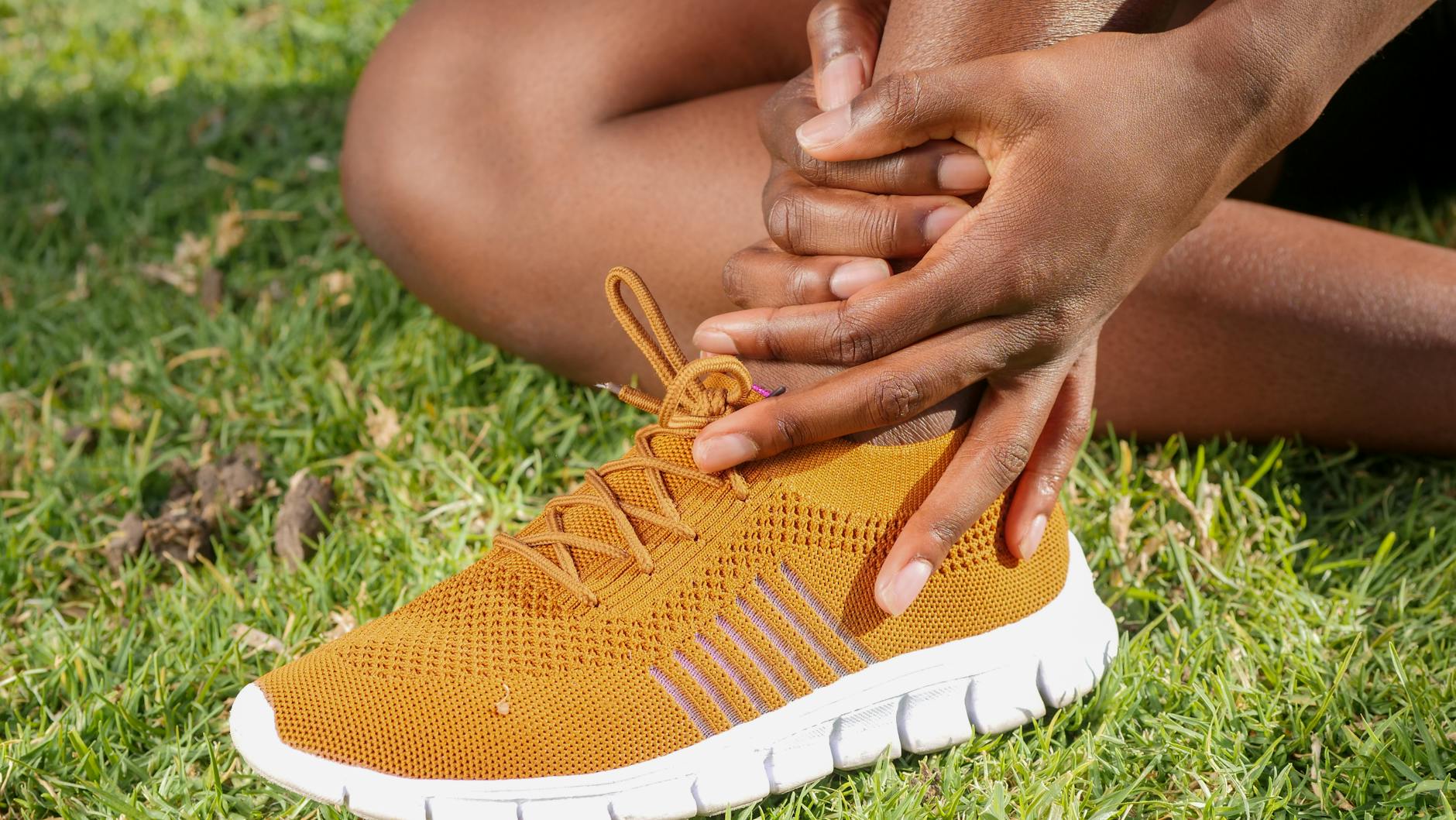
Best Practices for Do You Need Different Running Shoes for Treadmill and Road?
Following established best practices significantly improves your results with do you need different running shoes for treadmill and road?. These recommendations are based on proven approaches in running and cardiovascular fitness.
- Recommended approaches for do you need different running shoes for treadmill and road?
- Tips from running and cardiovascular fitness experts
How to Prepare
- Research the topic thoroughly using reliable sources
- Assess your current situation and identify your specific needs
- Set clear, measurable goals for what you want to achieve
- Gather necessary resources and tools
- Create a timeline and action plan
How to Apply This
- Start with the fundamentals and build your foundation
- Implement changes gradually rather than all at once
- Track your progress and document results
- Adjust your approach based on feedback and outcomes
Expert Tips
- Start with thorough research before making any decisions
- Consult with experts or experienced practitioners when possible
- Keep detailed records to track your progress over time
- Stay updated with the latest developments and best practices
- Be patient and consistent – meaningful results take time
Conclusion
Understanding do you need different running shoes for treadmill and road? provides a solid foundation for success in running and cardiovascular fitness.
By applying the principles and strategies covered in this guide, you can make more informed decisions and achieve better outcomes. Remember that expertise develops over time, so stay curious, keep learning, and don’t hesitate to seek guidance when needed.
Frequently Asked Questions
How long does it typically take to see results?
Results vary depending on individual circumstances, but most people begin to see meaningful progress within 4-8 weeks of consistent effort. Patience and persistence are key factors in achieving lasting outcomes.
Is this approach suitable for beginners?
Yes, this approach works well for beginners when implemented gradually. Starting with the fundamentals and building up over time leads to better long-term results than trying to do everything at once.
What are the most common mistakes to avoid?
The most common mistakes include rushing the process, skipping foundational steps, and failing to track progress. Taking a methodical approach and learning from both successes and setbacks leads to better outcomes.
How can I measure my progress effectively?
Set specific, measurable goals at the outset and track relevant metrics regularly. Keep a journal or log to document your journey, and periodically review your progress against your initial objectives.
When should I seek professional help?
Consider consulting a professional if you encounter persistent challenges, need specialized expertise, or want to accelerate your progress. Professional guidance can provide valuable insights and help you avoid costly mistakes.
What resources do you recommend for further learning?
Look for reputable sources in the field, including industry publications, expert blogs, and educational courses. Joining communities of practitioners can also provide valuable peer support and knowledge sharing.