The activities you already do each day””climbing stairs, carrying groceries, walking briskly to catch a bus””can accumulate into meaningful intensity minutes that count toward your cardiovascular fitness goals, often without requiring dedicated workout time. These “hidden” intensity minutes occur whenever your heart rate elevates to moderate or vigorous zones during routine tasks, and research suggests they provide cardiovascular benefits comparable to structured exercise. A 2022 study published in Nature Medicine found that just three to four minutes of vigorous intermittent lifestyle physical activity (VILPA) per day was associated with up to a 40% reduction in all-cause mortality, demonstrating that intensity doesn’t require a gym membership.
The key lies in understanding which daily activities genuinely elevate your heart rate enough to count as moderate (50-70% of max heart rate) or vigorous (70-85% of max heart rate) intensity. Walking the dog at a leisurely pace won’t qualify, but power-walking up a hill while your retriever pulls ahead absolutely will. This article explores specific daily habits that contribute hidden intensity minutes, how to identify and maximize these opportunities, the limitations of relying solely on incidental activity, and practical strategies for integrating more cardiovascular benefit into your existing routine without adding formal workouts. Beyond identifying these activities, you’ll learn how to prepare your environment and mindset to capture more intensity minutes, when incidental activity isn’t enough for your fitness goals, and how wearable technology can help you track what actually counts versus what just feels active.
Table of Contents
- What Daily Activity Habits Actually Count as Hidden Intensity Minutes?
- Understanding How Incidental Activity Builds Cardiovascular Fitness
- The Role of Environmental Design in Capturing More Intensity
- Practical Strategies for Maximizing Hidden Intensity Throughout Your Day
- Common Mistakes That Undermine Hidden Intensity Benefits
- How Wearable Technology Changes the Hidden Intensity Equation
- How to Prepare
- How to Apply This
- Expert Tips
- Conclusion
- Frequently Asked Questions
What Daily Activity Habits Actually Count as Hidden Intensity Minutes?
Not every household chore or commute activity qualifies as a hidden intensity minute. The distinction matters because many people overestimate how much cardiovascular benefit they receive from general movement. True intensity minutes require sustained elevation of heart rate””typically at least 10 consecutive seconds at moderate intensity according to most fitness tracker algorithms, though the original WHO guidelines didn’t specify a minimum bout length. Activities that reliably generate moderate-to-vigorous intensity include climbing stairs (especially multiple flights), brisk walking at 4+ mph, cycling for transportation on hilly terrain, carrying heavy loads like groceries or laundry baskets, vigorous housework like scrubbing floors or moving furniture, and playing actively with children rather than supervising from a bench.
A 150-pound person climbing four flights of stairs burns roughly 20 calories and maintains a heart rate around 65-75% of maximum””solidly in the moderate zone. Compare this to leisurely walking on flat ground, which typically keeps heart rate below 50% of maximum and doesn’t register as intensity minutes on most devices. The critical factor is effort relative to your current fitness level. A sedentary office worker might hit moderate intensity walking to a far parking spot, while a trained runner needs steeper hills or faster paces to reach the same relative exertion. This individual variability means you can’t simply follow a list of “activities that count”””you need to understand your own physiological responses through perceived exertion or heart rate monitoring.

Understanding How Incidental Activity Builds Cardiovascular Fitness
The physiological mechanism behind hidden intensity minutes mirrors that of structured exercise: repeated bouts of elevated heart rate stimulate adaptations in cardiac output, vascular function, and metabolic efficiency. Your heart doesn’t distinguish between climbing stairs at work and climbing stairs on a StairMaster. What matters is the duration, frequency, and intensity of the cardiovascular challenge. However, if you’re training for a specific performance goal””a marathon PR, a faster 5K, or improved VO2max””incidental intensity minutes alone won’t get you there.
The principle of specificity means that general cardiovascular stress improves general cardiovascular health, but targeted improvements require targeted training. A postal worker logging 15,000 steps daily still needs structured speed work to run a faster race time. Hidden intensity minutes excel at building baseline fitness, reducing health risks, and maintaining cardiovascular function during periods when formal training isn’t possible””not at replacing periodized training programs. Research from the UK Biobank study tracking over 25,000 non-exercisers found that those accumulating just 15-20 minutes of vigorous intermittent activity throughout the day showed mortality risk reductions comparable to regular exercisers. This suggests that for health outcomes (distinct from performance outcomes), incidental intensity may be genuinely equivalent to structured workouts, which has significant implications for time-pressed individuals.
The Role of Environmental Design in Capturing More Intensity
Your built environment heavily influences how many hidden intensity minutes you accumulate. People living in walkable neighborhoods with varied terrain naturally log more incidental cardiovascular activity than those in car-dependent suburbs with flat topography. A study comparing residents of hilly San Francisco neighborhoods to flat Midwest communities found an average difference of 12-15 moderate-intensity minutes daily, attributable entirely to terrain. Practical environmental modifications include parking at the far end of lots, taking stairs instead of elevators (even partway in tall buildings), scheduling walking meetings, positioning frequently-used items in inconvenient locations that require trips, and choosing manual tools over power equipment for yard work.
A leaf blower saves time but eliminates the shoulder and cardiovascular work of raking. A self-propelled mower removes the pushing effort that elevates heart rate. each convenience traded away represents potential intensity minutes gained. Consider the example of a software developer who restructured her home office to require walking to a standing desk for calls, used a bathroom on a different floor, and replaced her electric kettle with a stovetop version requiring more steps. These minor inconveniences accumulated into an additional 8-10 moderate-intensity minutes daily without any formal exercise addition””equivalent to about 70 extra minutes weekly.

Practical Strategies for Maximizing Hidden Intensity Throughout Your Day
The most effective approach combines opportunity identification with intentional intensity injection. Opportunity identification means recognizing moments when you’re moving anyway and could elevate the effort””walking faster to appointments, taking two stairs at a time, carrying rather than rolling luggage. Intentional intensity injection means creating brief high-effort bursts within routine activities””a 20-second sprint while walking the dog, doing calf raises while brushing teeth, or squatting rather than bending to pick items up. The tradeoff here involves time efficiency versus energy management.
You can maximize hidden intensity by treating every movement as a mini-workout, but this approach creates cumulative fatigue that may compromise your actual training sessions. A runner doing hard intervals Tuesday shouldn’t also be sprinting up every staircase Monday””the interference undermines recovery. Conversely, someone not following a structured training program can more aggressively pursue incidental intensity without recovery concerns. A middle approach works for most people: reserve intentional intensity injection for days without planned hard workouts, and focus on moderate-intensity opportunity capture on recovery days. This creates a rhythm where hidden intensity minutes supplement rather than compete with formal training.
Common Mistakes That Undermine Hidden Intensity Benefits
The most frequent error is counting movement as intensity when heart rate never actually elevates. Standing desks, gentle stretching, and casual strolling provide benefits for metabolic health and posture but don’t generate intensity minutes. People often feel virtuous about these activities while missing that they’re not moving the cardiovascular needle. Unless you’re breathing harder than normal and could still hold a conversation (moderate) or breathing hard and conversation becomes difficult (vigorous), the minutes don’t count toward intensity totals. Another mistake involves overestimating duration.
Climbing one flight of stairs takes approximately 15-20 seconds, not the minute or two it psychologically feels like. Four stair climbs daily provides perhaps 60-80 seconds of moderate intensity””meaningful but not the “I climb stairs all day” contribution people imagine. Accurate tracking requires either a heart rate monitor or honest assessment of actual time spent at elevated effort. There’s also the compensation trap: people who add hidden intensity sometimes unconsciously reduce formal exercise, believing they’ve “already worked out today.” Research shows this behavioral compensation can eliminate the benefits of incidental activity entirely. The goal should be addition, not substitution””unless you’re genuinely unable to maintain structured workouts, in which case hidden intensity becomes a legitimate replacement strategy.

How Wearable Technology Changes the Hidden Intensity Equation
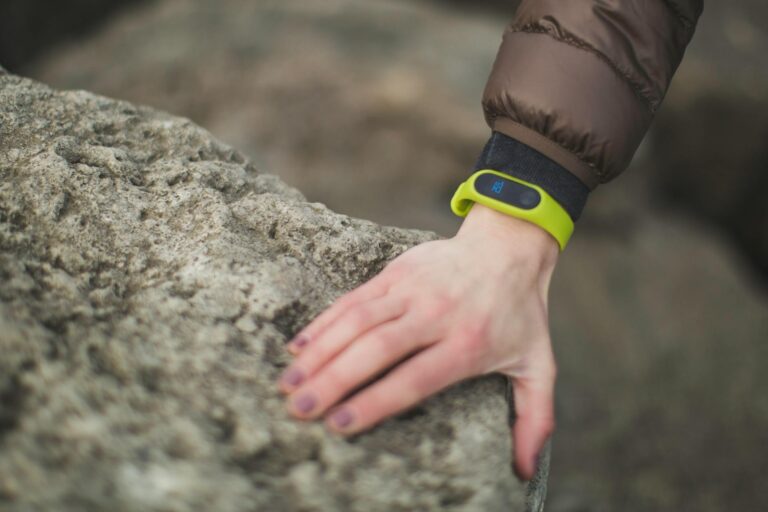
Modern fitness trackers and smartwatches have transformed hidden intensity from an abstract concept into a quantifiable metric. Devices like Garmin, Apple Watch, and Fitbit calculate intensity minutes using heart rate data cross-referenced with movement patterns, providing real-time feedback on which activities actually count.
This removes guesswork and often surprises users””revealing that their perceived “active day” contained only 12 intensity minutes while a day that felt lazy included 25 minutes from an energetic grocery trip and afternoon gardening. For example, one study participant discovered through tracking that her twice-weekly house cleaning sessions generated 18-22 vigorous intensity minutes each””more than her 15-minute morning jog””because the combination of scrubbing, reaching, and moving furniture kept her heart rate elevated in the 70-80% zone. Without the device, she’d considered cleaning a chore obligation rather than a genuine fitness contribution.
How to Prepare
- **Audit your current movement patterns** by tracking a typical week with a heart rate monitor. Note which activities actually elevate your heart rate to moderate or vigorous zones and which merely feel active but don’t register. This baseline prevents overestimating your starting point.
- **Identify your highest-opportunity moments**””the times when you’re already moving and could add intensity. Morning routines, commutes, lunch breaks, and evening domestic tasks typically offer the most potential.
- **Remove barriers to intensity capture.** Keep comfortable walking shoes at work, position stairs as the obvious choice rather than elevators, and have water available so dehydration doesn’t limit your effort capacity.
- **Set realistic targets based on your training status.** Non-exercisers might aim for 15-20 hidden intensity minutes daily, while structured trainers might target 5-10 additional minutes on easy days.
- **Plan recovery days thoughtfully.** A common mistake is treating recovery as “no formal workout” while still maximizing incidental intensity, which defeats the recovery purpose. On genuine rest days, keep hidden intensity low.
How to Apply This
- **Start each morning with a brief intensity burst.** Even 60-90 seconds of brisk movement””fast stair climbing, vigorous bedroom-to-kitchen walking, dynamic stretching that elevates heart rate””primes your cardiovascular system and establishes the pattern.
- **Build trigger-based habits** where existing routines automatically include intensity. “When I park the car, I park far and walk fast.” “When I use the restroom, I use the one upstairs.” “When I carry groceries, I make fewer trips with heavier loads.”
- **Track and review weekly,** not daily. Daily intensity minute totals fluctuate based on circumstance, but weekly averages reveal whether your habits are working. Aim for a gradual increase over 4-6 weeks rather than immediate maximization.
- **Adjust based on training load.** Check your formal workout schedule each morning and calibrate your hidden intensity pursuit accordingly””aggressive on rest days, moderate on easy days, minimal before hard workouts.
Expert Tips
- Take phone calls while pacing rather than sitting””a 10-minute conversation at 3.5 mph walking pace can generate 5-7 moderate intensity minutes while keeping your mind engaged on the discussion.
- Don’t count intensity minutes from activities lasting less than one minute; the cardiovascular stimulus isn’t sustained enough to generate adaptation, regardless of what short-bout-sensitive trackers report.
- Use perceived exertion as a cross-check on heart rate data””medications, caffeine, and stress can artificially elevate or suppress heart rate without corresponding cardiovascular benefit.
- Schedule at least one “pure rest” day weekly where you don’t pursue hidden intensity at all, allowing complete recovery that supports long-term cardiovascular adaptation rather than chronic low-grade fatigue.
- Focus hidden intensity efforts on the morning and early afternoon; late-day vigorous activity, even brief incidental bouts, can disrupt sleep quality for sensitive individuals.
Conclusion
Daily activity habits offer a genuine, research-supported pathway to accumulating cardiovascular intensity minutes without adding formal workout time. The key lies in understanding which activities actually elevate heart rate sufficiently””stair climbing, brisk walking, vigorous housework, active transportation””versus those that merely involve movement without cardiovascular challenge. By auditing your current patterns, restructuring your environment to favor higher-effort options, and tracking your actual intensity accumulation, you can capture meaningful fitness benefits from time you’re already spending.
The approach works best when viewed as supplementary to structured exercise rather than a complete replacement, except for those genuinely unable to maintain formal training. For health outcomes and baseline cardiovascular fitness, hidden intensity minutes provide benefits comparable to structured workouts. For performance goals, they support but don’t substitute for targeted training. Start by tracking one week honestly, identify your three highest-opportunity moments, and build trigger-based habits that transform routine movement into genuine cardiovascular stimulus.
Frequently Asked Questions
How long does it typically take to see results?
Results vary depending on individual circumstances, but most people begin to see meaningful progress within 4-8 weeks of consistent effort. Patience and persistence are key factors in achieving lasting outcomes.
Is this approach suitable for beginners?
Yes, this approach works well for beginners when implemented gradually. Starting with the fundamentals and building up over time leads to better long-term results than trying to do everything at once.
What are the most common mistakes to avoid?
The most common mistakes include rushing the process, skipping foundational steps, and failing to track progress. Taking a methodical approach and learning from both successes and setbacks leads to better outcomes.
How can I measure my progress effectively?
Set specific, measurable goals at the outset and track relevant metrics regularly. Keep a journal or log to document your journey, and periodically review your progress against your initial objectives.
When should I seek professional help?
Consider consulting a professional if you encounter persistent challenges, need specialized expertise, or want to accelerate your progress. Professional guidance can provide valuable insights and help you avoid costly mistakes.
What resources do you recommend for further learning?
Look for reputable sources in the field, including industry publications, expert blogs, and educational courses. Joining communities of practitioners can also provide valuable peer support and knowledge sharing.