For most swimmers, a pace of roughly 2:00 to 2:30 per 100 meters will push your heart rate into the moderate-intensity zone that counts toward weekly activity guidelines””typically 50 to 70 percent of your maximum heart rate. If you want vigorous intensity minutes, which count double, you’ll need to swim closer to 1:45 per 100 meters or faster, or incorporate interval sets that spike your heart rate above 70 percent of maximum. The exact threshold varies based on your fitness level, stroke efficiency, and body composition, but the principle holds: swimming needs to feel genuinely challenging, not just comfortable, to register as meaningful cardiovascular work.
Consider a 45-year-old recreational swimmer who completes 1,500 meters in 45 minutes at a relaxed pace. If their heart rate stays around 100 beats per minute throughout, they’re likely getting light activity at best””good for recovery but not counting toward the 150 weekly moderate-intensity minutes recommended by health organizations. The same swimmer pushing to finish in 35 minutes, with heart rate consistently above 120 bpm, would accumulate genuine intensity minutes. This article breaks down how fitness trackers calculate swimming intensity, what pace benchmarks actually matter, why swimming often underreports compared to running, and how to structure your pool sessions to maximize cardiovascular credit without burning out.
Table of Contents
- How Fast Must You Swim to Earn Intensity Minutes?
- Why Swimming Intensity Minutes Often Undercount
- Understanding Heart Rate Zones in the Pool
- The Role of Stroke Type in Intensity Calculations
- How to Prepare
- How to Apply This
- Expert Tips
- Conclusion
- Frequently Asked Questions
How Fast Must You Swim to Earn Intensity Minutes?
The short answer depends on your individual physiology, but research provides useful benchmarks. According to the American College of Sports Medicine, moderate-intensity exercise corresponds to 3.0 to 5.9 METs (metabolic equivalents), while vigorous activity exceeds 6.0 METs. Recreational lap swimming at a moderate pace lands around 5.8 METs, right at the boundary. Pushing into vigorous freestyle swimming bumps that figure to 9.8 METs or higher. Translated to pace: a swimmer holding 2:15 per 100 meters is typically in moderate territory, while sustaining 1:40 per 100 meters pushes into vigorous. However, these numbers assume reasonable stroke efficiency.
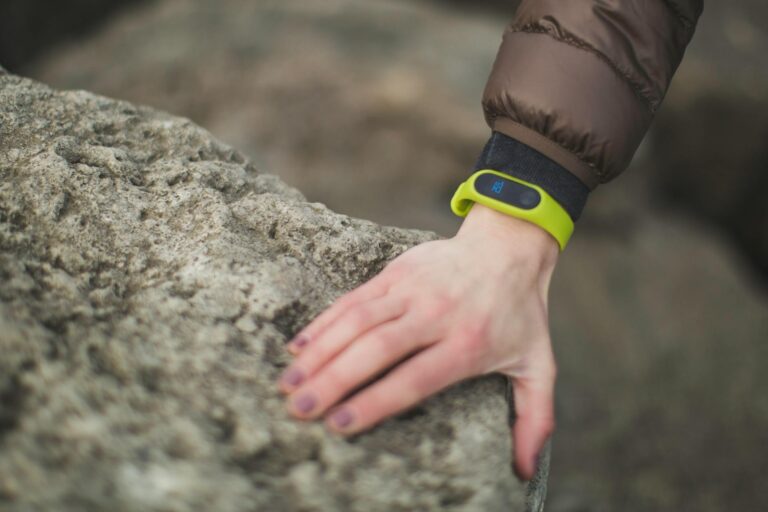
A beginner thrashing through the water at 3:00 per 100 meters might hit vigorous heart rates simply because their technique wastes energy. Their fitness tracker might show impressive intensity minutes, but the cardiovascular benefit doesn’t scale proportionally because much of that effort goes into fighting the water rather than moving through it. Conversely, a former competitive swimmer gliding at 1:50 per 100 meters might barely crack moderate intensity because their efficiency keeps the workload low. The lesson: pace matters, but heart rate remains the ultimate arbiter of intensity. For practical guidance, most fitness platforms like Garmin and Apple consider swimming moderate when heart rate sustains between 50 and 70 percent of maximum, and vigorous above 70 percent. A 40-year-old with a max heart rate around 180 bpm would need to maintain at least 90 bpm for moderate credit and 126 bpm for vigorous. Since wrist-based optical sensors struggle with accuracy during swimming, these calculations often rely on pace algorithms calibrated to population averages””which brings its own set of limitations.

Why Swimming Intensity Minutes Often Undercount
If you’ve noticed that your watch awards fewer intensity minutes for swimming than for a seemingly equivalent run, you’re not imagining things. The horizontal body position during swimming reduces cardiac output demands compared to upright activities. Your heart doesn’t have to fight gravity to pump blood back from your legs, so heart rate stays lower for similar perceived effort. Studies suggest swimmers can work at the same oxygen consumption level as runners while showing heart rates 10 to 15 beats per minute lower. This physiological quirk creates tracking problems.
Algorithms designed around heart rate zones will systematically underestimate swimming intensity unless they apply sport-specific adjustments. Some platforms now incorporate stroke rate and pace data to correct for this, but calibration varies widely. Garmin’s Intensity Minutes algorithm, for instance, attempts to weight swimming differently than cycling or running, but users frequently report that hour-long swims yield fewer minutes than expected. However, if you’re a highly efficient swimmer, the undercount might be accurate. Gliding through 2,000 meters at conversational effort genuinely isn’t providing the same cardiovascular stimulus as a brisk run, even if it takes similar time. The fix isn’t to game the algorithm but to actually swim harder””incorporating intervals, threshold sets, or simply maintaining a pace that makes breathing noticeably labored.
Understanding Heart Rate Zones in the Pool
Heart rate zone training applies to swimming just as it does to running or cycling, but the zones themselves may need adjustment. The commonly cited formula of subtracting your age from 220 estimates maximum heart rate, but swimming max heart rate typically runs 10 to 15 beats lower than running max. A 50-year-old runner might hit 170 bpm at all-out effort on land but only reach 155 to 160 bpm during a maximal swim effort. This means your zone calculations should use a swimming-specific maximum. If your running max is 175 bpm, consider using 160 to 165 bpm as your swimming max for zone calculations. Zone 2 endurance work (60 to 70 percent of max) would then target 96 to 112 bpm rather than 105 to 122 bpm. Getting this adjustment right matters because training in the wrong zones leads to either insufficient stimulus or accumulated fatigue without proportional benefit. For example, a triathlete targeting Zone 2 base building might swim at what feels like easy effort, see 115 bpm on their watch, and assume they’re in the right zone based on their running numbers. In reality, 115 bpm in the pool might represent Zone 3 threshold work for their swimming physiology. Over weeks, this miscalculation leads to inadequate recovery between hard sessions. Testing your actual swimming max heart rate””through a controlled time trial or repeated 100-meter efforts””gives you accurate zones to work from. ## How to Structure Swim Workouts for Maximum Intensity Credit The most effective approach for accumulating intensity minutes combines sustained threshold swimming with high-intensity intervals. A 45-minute session might include a 10-minute warmup at easy effort, 20 minutes of continuous swimming at moderate-hard pace (targeting 70 to 80 percent of swimming max heart rate), and 10 minutes of 50-meter repeats at near-maximum effort with short rest. The continuous block generates moderate intensity minutes while the intervals contribute vigorous minutes at double credit. The tradeoff involves recovery and sustainability. Swimming at threshold pace for 20 straight minutes accumulates consistent intensity but creates more fatigue than an equivalent running effort at the same heart rate””partly because breathing is constrained by stroke timing. Intervals allow higher peak intensities but require rest periods that don’t count toward intensity minutes.
A session of 10 x 100 meters at vigorous pace with 30 seconds rest might yield only 15 to 18 minutes of actual vigorous credit despite taking 25 minutes of pool time. Compared to simply swimming more volume at easy pace, structured intensity work is dramatically more time-efficient. Swimming 3,000 meters at a comfortable 2:30 pace might take 75 minutes but yield only 20 to 30 moderate intensity minutes. The same 75 minutes spent on 2,000 meters of varied-intensity work could generate 50 or more intensity minutes, including vigorous credit. For time-pressed swimmers chasing weekly goals, structure beats volume. ## Common Tracking Errors and How to Avoid Them Wrist-based heart rate monitors notoriously struggle during swimming. Water interferes with the optical sensor, wrist movement creates noise, and tight goggle straps or swim caps can restrict blood flow to areas the sensor reads. Studies comparing wrist monitors to chest straps during swimming have found average errors of 10 to 20 beats per minute, with some readings off by 40 or more bpm. This inaccuracy directly affects intensity minute calculations. The most reliable solution is a chest strap compatible with your watch that stores heart rate data during the swim and syncs afterward. Garmin’s HRM-Pro and similar devices use electrical sensors unaffected by water, achieving near-ECG accuracy. The downside: chest straps are one more piece of gear to manage, and some swimmers find them uncomfortable during flip turns or push-offs. A warning for those relying on pace-based intensity estimation: algorithms assume consistent stroke length and efficiency. If your technique degrades when tired””shorter strokes, higher turnover, more drag””your pace might slow even as your effort increases. The watch sees slower pace and awards fewer intensity minutes precisely when you’re working hardest. Monitoring rate of perceived exertion alongside watch data helps identify these discrepancies. If you finish a set feeling completely spent but the watch shows only moderate intensity, the numbers are lying.
The Role of Stroke Type in Intensity Calculations
Not all swimming strokes create equal cardiovascular demands. Butterfly requires the most energy per unit distance, followed by breaststroke, backstroke, and freestyle. A swimmer maintaining 2:00 per 100 meters in freestyle might hit moderate intensity, while the same pace in butterfly would push well into vigorous territory””if they could sustain it, which most recreational swimmers cannot. This creates practical implications for intensity accumulation. Mixing strokes within a workout can push heart rate higher than freestyle alone.
A set alternating 50 meters freestyle with 50 meters breaststroke maintains elevated heart rate because the stroke change prevents the cardiovascular system from settling into an efficient rhythm. Similarly, individual medley (IM) sets that rotate through all four strokes provide natural intensity variation. For example, a swimmer comfortable at 1:45 per 100 meters freestyle might find that inserting 25 meters of butterfly every 100 meters raises average heart rate by 8 to 10 beats despite minimal pace change. The cardiovascular system works harder to manage the varying demands, generating more intensity minutes from the same pool time. This approach works well for swimmers whose freestyle efficiency limits their ability to reach moderate intensity at sustainable paces.
How to Prepare
- **Establish your swimming maximum heart rate.** Warm up thoroughly, then swim 4 x 100 meters at progressively harder effort, with the fourth repeat at absolute maximum pace. Your peak heart rate during or immediately after the final repeat approximates your swimming max. Some swimmers need to repeat this test with shorter intervals (4 x 50 meters) to hit true maximum.
- **Calculate swimming-specific heart rate zones.** Using your swimming max (not your running or cycling max), establish zones: Zone 1 (50-60%), Zone 2 (60-70%), Zone 3 (70-80%), Zone 4 (80-90%), Zone 5 (90-100%). Write these numbers somewhere visible when you swim.
- **Assess your current baseline pace.** Swim a relaxed 400 meters and note both your pace and average heart rate. This establishes your efficiency baseline. Highly efficient swimmers may need faster paces to reach intensity thresholds; less efficient swimmers may already be there.
- **Test your heart rate monitor’s accuracy.** Swim 200 meters while manually counting heartbeats during a rest interval immediately after. Compare to what your watch recorded. If discrepancies exceed 10 bpm consistently, consider upgrading to a chest strap or accepting that your intensity data will be approximate.
- **Build stroke efficiency before chasing intensity.** Warning: swimmers with significant technique flaws who suddenly increase intensity often reinforce bad habits and increase injury risk. Shoulder impingement, rotator cuff strain, and neck problems stem from high-intensity swimming with poor mechanics. If your stroke falls apart when you push pace, invest in technique work first.
How to Apply This
- **Start every workout with 10 to 15 minutes of easy swimming.** This allows your heart rate monitor to stabilize and establishes a baseline reading before you begin intensity work. Heart rate data from the first few minutes of cold-start swimming is particularly unreliable.
- **Structure your main set around continuous blocks at threshold pace.** Rather than constant start-stop intervals, aim for sustained efforts of 8 to 15 minutes at 70 to 80 percent of your swimming max heart rate. Check your heart rate at each wall turn and adjust pace to stay in zone.
- **Add high-intensity intervals after threshold work, not before.** Placing vigorous intervals (85%+ heart rate) after your threshold block ensures you accumulate moderate-intensity minutes first while you’re fresh enough to maintain pace. Starting with intervals can fatigue you before the bulk of your workout.
- **End with at least 5 minutes of easy cooldown swimming.** Besides recovery benefits, this gives your watch additional heart rate data that helps algorithms calibrate intensity calculations. Some platforms weight post-workout recovery heart rate in their overall session analysis.
Expert Tips
- Monitor heart rate at wall turns rather than mid-length to get the most accurate readings from optical sensors, since wrist position during turns typically allows better sensor contact.
- Swim with a tempo trainer set to your target stroke rate if your watch doesn’t track cadence; maintaining consistent turnover helps ensure pace reflects actual effort rather than technique variation.
- Don’t chase intensity minutes during recovery swims; easy sessions serve physiological purposes that aren’t captured in intensity metrics, and forcing every workout to count undermines overall training balance.
- Use pool landmarks to pace yourself””many pools have lane markings every 5 meters that allow you to check split times without disrupting rhythm or relying solely on watch data.
- Add drag elements like a t-shirt or drag shorts during warmup sets to raise heart rate at slower paces; remove them for the main set to swim faster while maintaining similar intensity.
Conclusion
Swimming can absolutely contribute to your weekly intensity minutes, but it requires more intentional pacing than many recreational swimmers realize. The combination of horizontal body position, breathing restrictions, and stroke efficiency means that easy swimming may not register as meaningful cardiovascular work even though it feels like exercise. Targeting specific heart rate zones, understanding swimming-specific physiological differences, and structuring workouts around continuous threshold efforts with high-intensity intervals creates sessions that reliably generate intensity credit.
The practical takeaway is simple: if you can chat comfortably between lengths, you’re probably not accumulating intensity minutes. Genuine moderate-intensity swimming leaves you slightly breathless, and vigorous swimming should make conversation impossible. Use a reliable heart rate monitor (ideally chest-strap), establish your swimming-specific zones, and build workouts that keep you in those zones for meaningful durations. With proper structure, a 45-minute swim can rival an hour of running for cardiovascular benefit””but only if you’re actually working hard enough to earn it.
Frequently Asked Questions
How long does it typically take to see results?
Results vary depending on individual circumstances, but most people begin to see meaningful progress within 4-8 weeks of consistent effort. Patience and persistence are key factors in achieving lasting outcomes.
Is this approach suitable for beginners?
Yes, this approach works well for beginners when implemented gradually. Starting with the fundamentals and building up over time leads to better long-term results than trying to do everything at once.
What are the most common mistakes to avoid?
The most common mistakes include rushing the process, skipping foundational steps, and failing to track progress. Taking a methodical approach and learning from both successes and setbacks leads to better outcomes.
How can I measure my progress effectively?
Set specific, measurable goals at the outset and track relevant metrics regularly. Keep a journal or log to document your journey, and periodically review your progress against your initial objectives.
When should I seek professional help?
Consider consulting a professional if you encounter persistent challenges, need specialized expertise, or want to accelerate your progress. Professional guidance can provide valuable insights and help you avoid costly mistakes.
What resources do you recommend for further learning?
Look for reputable sources in the field, including industry publications, expert blogs, and educational courses. Joining communities of practitioners can also provide valuable peer support and knowledge sharing.