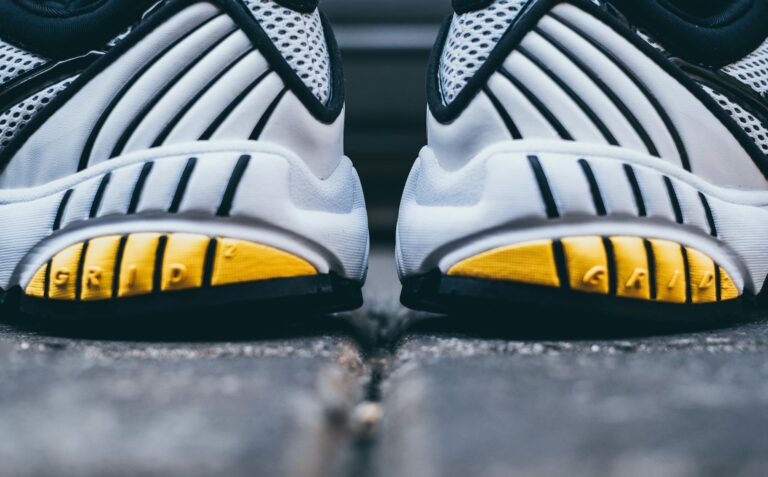
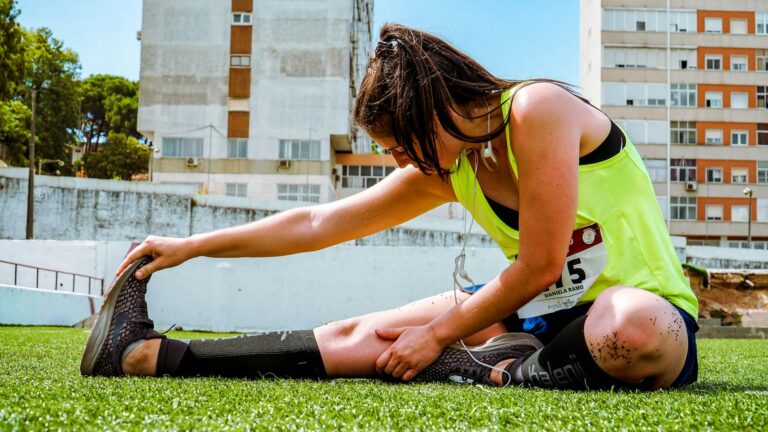
The right running shoe for distances over 7 miles prioritizes cushioning, stability that matches your gait, and a fit that accommodates foot swelling””typically meaning you should buy shoes a half-size larger than your everyday footwear. For most runners tackling longer distances, this means looking at shoes in the “daily trainer” or “max cushion” category with at least 25mm of stack height in the heel and a breathable upper that won’t create hot spots during extended efforts. A runner training for a half marathon, for example, would benefit more from a shoe like the Brooks Ghost or ASICS Gel-Nimbus than a lightweight racing flat, which sacrifices durability and protection for speed. Beyond the basics of cushioning and fit, selecting shoes for longer runs requires understanding how your biomechanics change as fatigue sets in over those additional miles.
What feels comfortable during a quick 3-mile jog may become problematic when your form starts to deteriorate around mile 8 or 9. This article covers how to assess your foot type and gait for long-distance running, the specific features that matter most when you’re on your feet for an hour or more, how to properly test shoes before committing, and common mistakes that lead to injury during higher-mileage training blocks. The consequences of choosing poorly extend beyond discomfort. Plantar fasciitis, stress fractures, and IT band syndrome frequently trace back to inadequate footwear during longer training runs, making this decision one of the most impactful equipment choices a distance runner will make.
Table of Contents
- What Makes Running Shoes Different for Distances Over 7 Miles?
- How Foot Type and Gait Affect Shoe Selection for Long Runs
- The Role of Cushioning and Stack Height in Distance Running Comfort
- Testing and Fitting Running Shoes for Longer Distances
- When to Replace Running Shoes Used for Distance Training
- How to Prepare
- How to Apply This
- Expert Tips
- Conclusion
- Frequently Asked Questions
What Makes Running Shoes Different for Distances Over 7 Miles?
Running biomechanics shift measurably as distance increases, and shoes designed for longer efforts account for these changes in specific ways. Research from the American College of Sports Medicine shows that foot strike patterns often migrate from forefoot to midfoot or heel striking as runners fatigue, meaning the shoe needs to perform well across multiple landing zones rather than being optimized for just one. Additionally, ground contact time increases by roughly 15-20% in the later miles of a long run, placing greater demands on midsole cushioning systems. The practical difference shows up in shoe construction.
Long-distance trainers typically feature higher stack heights (28-35mm in the heel versus 20-25mm in racing flats), denser foam compounds that resist compression over time, and wider toe boxes that accommodate the foot expansion that occurs during runs exceeding 45 minutes. Compare the Nike Pegasus, a workhorse daily trainer, to the Nike Streakfly, a race-day shoe””the Pegasus weighs more but offers substantially more protection over repeated long efforts. However, more cushioning isn’t universally better. Runners under 140 pounds may find heavily cushioned shoes like the HOKA Bondi feel unstable or “mushy,” leading to inefficient energy transfer. The goal is finding the minimum effective cushioning for your body weight, running surface, and weekly mileage rather than simply choosing the most padded option available.
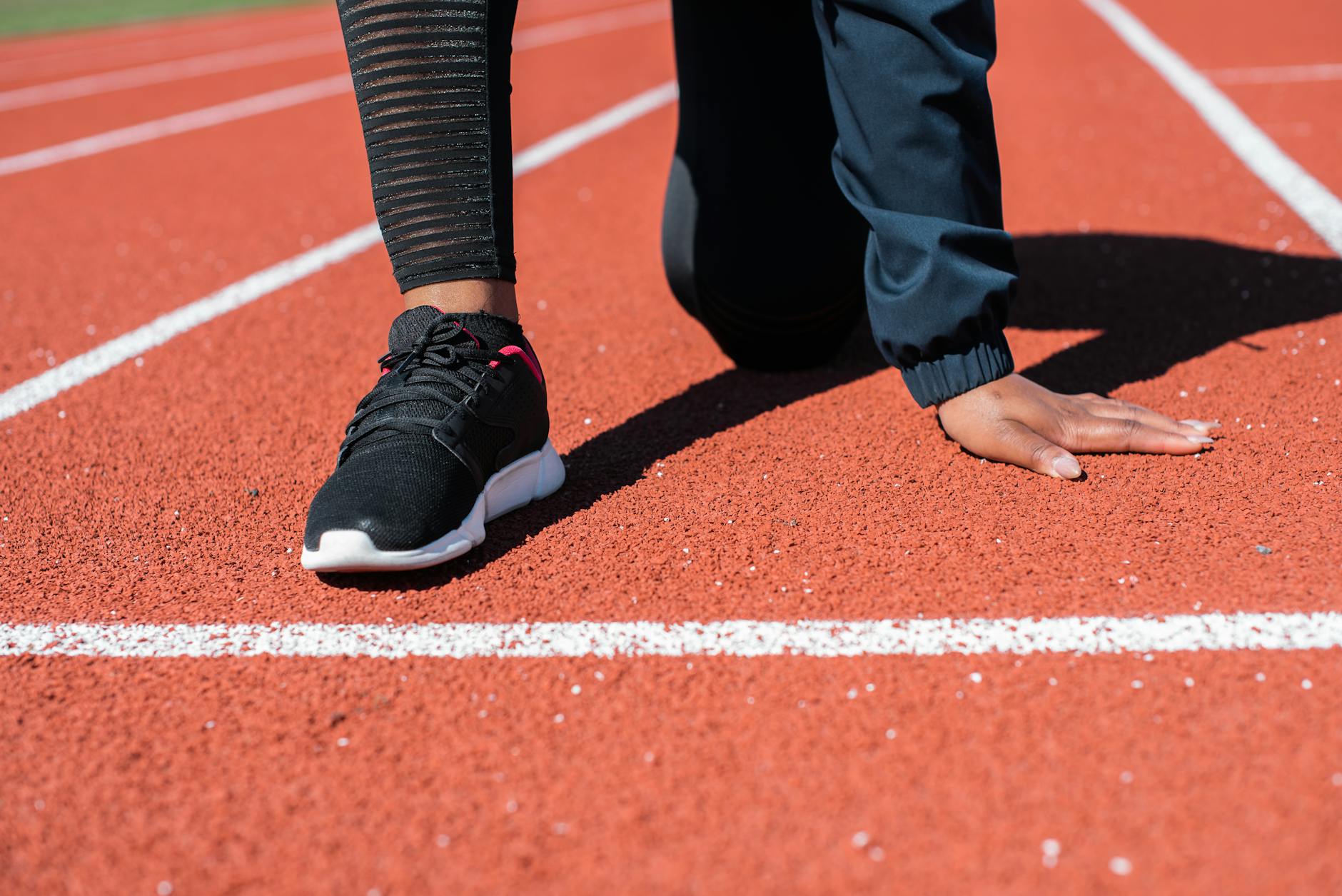
How Foot Type and Gait Affect Shoe Selection for Long Runs
Understanding your foot mechanics becomes increasingly important as mileage climbs because small biomechanical inefficiencies compound over distance. The three primary foot types””neutral, overpronation, and supination””each require different support structures. Neutral runners have the widest selection available, while overpronators (whose ankles roll inward excessively) benefit from stability shoes with medial posts or guide rails, and supinators (who roll outward) generally need neutral shoes with extra cushioning on the lateral edge. The wet footprint test offers a quick home assessment: step on concrete with a wet foot and examine the print.
A print showing roughly half the arch indicates neutral pronation, a nearly complete footprint suggests overpronation, and a print showing only the heel and ball with minimal arch connection indicates supination. For more precise analysis, many specialty running stores offer gait analysis using slow-motion video, which reveals how your mechanics change as you run””not just stand. There’s an important caveat here: gait analysis done while fresh may not reflect how you run at mile 9 of a long run. If possible, do your gait analysis after a moderate run, or at minimum, jog for 5-10 minutes on the store’s treadmill before the assessment begins. Runners who pronate minimally when fresh often demonstrate significant overpronation when fatigued, which explains why shoes that felt fine during short runs suddenly cause knee or hip pain during longer efforts.
The Role of Cushioning and Stack Height in Distance Running Comfort
Midsole cushioning technology has evolved dramatically, with current foams offering energy return rates that were impossible a decade ago. EVA foam, the traditional standard, provides reliable cushioning but compresses permanently over time””typically showing measurable degradation around 300 miles. Newer compounds like Pebax-based foams (Nike ZoomX, Saucony PWRRUN PB) and nitrogen-infused TPU (Adidas Boost) maintain their properties longer and provide energy return rates exceeding 80%, compared to roughly 60% for standard EVA. Stack height””the total thickness of material between your foot and the ground””directly influences protection and ground feel. For runs over 7 miles on pavement, most runners benefit from at least 28mm of heel stack height.
Shoes in the 32-38mm range, like the HOKA Clifton or New Balance Fresh Foam More, provide maximum protection but trade off some proprioception and stability. Trail runners covering similar distances often prefer slightly lower stacks (25-30mm) to maintain better ground feel on technical terrain. The limitation of high-stack cushioning is the potential for reduced stability, particularly for runners with weaker ankles or those who run on uneven surfaces. Shoes with stack heights above 35mm often incorporate geometry changes like rocker profiles or wider bases to compensate, but these additions change the running experience significantly. Runners transitioning from lower-stack shoes should increase stack height gradually, adding no more than 5-6mm between shoe models to allow proprioceptive adaptation.

Testing and Fitting Running Shoes for Longer Distances
The fitting process for long-distance running shoes differs from standard shoe shopping in several important ways. Feet swell approximately half a size during runs exceeding 45 minutes, so proper fitting should occur in the afternoon or evening when feet are already somewhat enlarged. The thumbnail rule remains valid: there should be roughly a thumb’s width of space between your longest toe and the end of the shoe when standing, accounting for the forward foot movement that occurs during running. Width options matter more for distance running than casual use. Most brands offer their popular models in multiple widths (narrow, standard, wide, extra-wide), and choosing the correct width prevents the lateral compression that causes blisters and black toenails during longer efforts. The shoe should feel secure around the midfoot and heel while allowing toes to splay naturally””if you feel the sides of the toe box immediately upon trying the shoe, it’s too narrow regardless of length. Many specialty running stores allow extended test runs, sometimes on treadmills in-store or through generous return policies that permit outdoor testing. Take advantage of these policies. A 2-minute jog around the store cannot replicate the conditions of mile 8, so any opportunity for extended testing reveals fit issues that short trials miss.
Some retailers, like Fleet Feet and Jackrabbit, maintain 60-day return policies specifically because they understand the difference between initial comfort and long-run performance. ## Common Shoe-Related Problems During Long Runs and How to Avoid Them Blisters, black toenails, and hot spots represent the most frequent shoe-related complaints among distance runners, and most trace back to preventable fitting or lacing issues. Blisters typically indicate friction from excessive movement within the shoe””either the shoe is too large overall, the heel counter is too shallow, or moisture has reduced sock-to-skin friction in a problematic way. Moisture-wicking socks and proper heel lock lacing (threading laces through the top eyelet to create a secure heel pocket) address the majority of blister issues. Black toenails occur when the toe repeatedly contacts the front of the shoe, usually during downhill running or in shoes that are too short. While losing a toenail occasionally happens to many distance runners, chronic issues indicate poor fit. Beyond sizing up, runners can try different lacing patterns that pull the foot back in the shoe or switch to shoes with taller toe boxes that provide more vertical clearance. A warning about the common advice to “break in” new shoes: modern running shoes require minimal break-in time, and persistent discomfort shouldn’t be attributed to a need for more miles. If a shoe causes pain or significant discomfort during your first few runs, it’s likely the wrong shoe rather than one that needs breaking in. Minor initial stiffness is normal; hot spots, heel slippage, or arch discomfort are signs to return or exchange the shoe.
When to Replace Running Shoes Used for Distance Training
Mileage tracking provides the most reliable indicator for shoe replacement, with most daily trainers maintaining adequate cushioning for 300-500 miles depending on the foam technology used. A runner averaging 30 miles per week, with long runs of 10-14 miles, should expect to replace shoes every 10-16 weeks during dedicated training blocks. Higher-performing foams like Pebax tend toward the higher end of this range, while traditional EVA compounds degrade faster.
Beyond mileage, visual and tactile cues indicate wear. Significant compression lines in the midsole, worn tread patterns that expose the foam beneath, or an asymmetrical lean when placing shoes on a flat surface all suggest retirement time. Perhaps more importantly, new or recurring aches in the feet, shins, knees, or hips during long runs often precede visible wear””if your body starts complaining on runs where shoes previously felt fine, replacement may be due even before hitting typical mileage thresholds.

How to Prepare
- **Track your current weekly mileage and longest runs.** Knowing your actual distances helps staff recommend appropriate cushioning levels and durability requirements””a runner whose long run peaks at 8 miles has different needs than one building to 18-mile marathon prep runs.
- **Document any pain or discomfort from current or previous shoes.** Note where blisters form, whether you’ve lost toenails, and any joint pain that develops during or after long runs. This history reveals patterns that inform shoe selection.
- **Determine your foot type using the wet test or gait analysis.** Having a basic understanding of whether you pronate, supinate, or land neutrally narrows the category of shoes to consider.
- **Research 3-5 specific models before visiting a store.** Reading reviews from runners with similar mileage, body type, and goals provides context that general recommendations lack.
- **Bring your current running socks and orthotics if used.** Testing new shoes with different socks than you’ll actually run in introduces a variable that can mislead the fitting process.
How to Apply This
- **Start with runs of 3-4 miles for the first week.** Even with correct fitting, proprioceptive adaptation takes time. Short initial runs allow your neuromuscular system to adjust to the new shoe’s characteristics without risking overuse injury.
- **Alternate between new and old shoes during the transition period.** If your old shoes still have some life remaining, switching between pairs for 2-3 weeks reduces adaptation stress and helps you notice differences in how each shoe performs.
- **Attempt your first long run in new shoes only after 30-40 miles of shorter efforts.** This confirms the fit holds up during extended use and allows any minor break-in to complete before you’re committed to hours in the shoe.
- **Track mileage from the first run using a running app or simple log.** Knowing exact mileage eliminates guesswork about replacement timing and helps you identify when performance begins declining.
Expert Tips
- Purchase two pairs of the same model if you find shoes that work well, as manufacturers frequently modify designs between versions and your reliable favorite may change significantly.
- Do not select shoes based primarily on weight when training for distances; the few ounces saved by racing flats cost you cushioning that protects joints over hundreds of training miles.
- Rotate between at least two different shoes during training weeks to vary the stress patterns on your feet and legs, reducing overuse injury risk by up to 39% according to research from the Luxembourg Institute of Health.
- Check your shoes’ wear pattern monthly by placing them on a flat surface and viewing from behind””any inward or outward lean indicates uneven compression and suggests either poor fit or mechanical issues worth addressing.
- Replace shoes before planned goal races; never run your target event in shoes with more than 350 miles on them, as cushioning degradation is often imperceptible until it manifests as post-race injury.
Conclusion
Selecting running shoes for distances over 7 miles requires attention to factors that matter less during shorter efforts: adequate cushioning that maintains performance across hundreds of miles, fit that accounts for foot swelling over time, and stability features matched to how your gait changes under fatigue. The half-size-up guideline, afternoon fitting sessions, and extended test runs aren’t arbitrary preferences but evidence-based practices that distinguish successful long-distance training from injury-prone mileage accumulation.
The investment in proper fitting pays dividends across an entire training cycle. Taking time to understand your biomechanics, test multiple options, and transition gradually to new shoes establishes the foundation that allows consistent weekly mileage without the setbacks that derail many runners’ goals. Start by assessing your current shoes against the wear indicators discussed, schedule a fitting at a specialty running store, and commit to the systematic approach that transforms shoe selection from guesswork into informed decision-making.
Frequently Asked Questions
How long does it typically take to see results?
Results vary depending on individual circumstances, but most people begin to see meaningful progress within 4-8 weeks of consistent effort. Patience and persistence are key factors in achieving lasting outcomes.
Is this approach suitable for beginners?
Yes, this approach works well for beginners when implemented gradually. Starting with the fundamentals and building up over time leads to better long-term results than trying to do everything at once.
What are the most common mistakes to avoid?
The most common mistakes include rushing the process, skipping foundational steps, and failing to track progress. Taking a methodical approach and learning from both successes and setbacks leads to better outcomes.
How can I measure my progress effectively?
Set specific, measurable goals at the outset and track relevant metrics regularly. Keep a journal or log to document your journey, and periodically review your progress against your initial objectives.
When should I seek professional help?
Consider consulting a professional if you encounter persistent challenges, need specialized expertise, or want to accelerate your progress. Professional guidance can provide valuable insights and help you avoid costly mistakes.
What resources do you recommend for further learning?
Look for reputable sources in the field, including industry publications, expert blogs, and educational courses. Joining communities of practitioners can also provide valuable peer support and knowledge sharing.