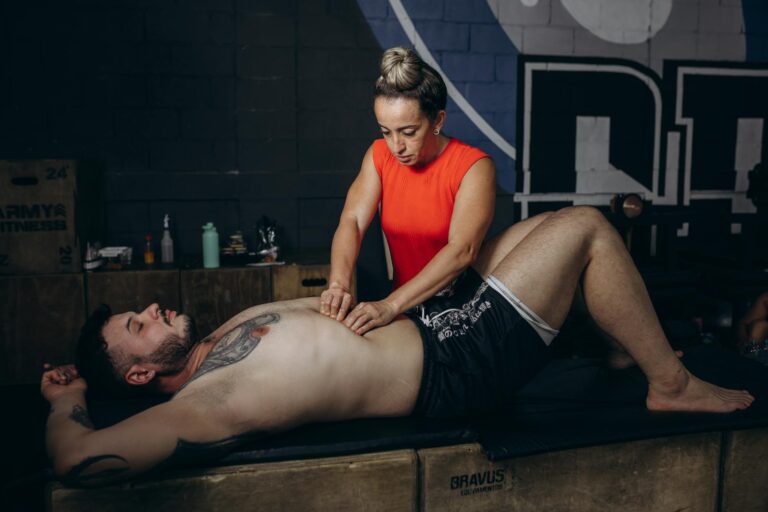
Cardiovascular training can significantly improve your flexibility when approached strategically, because running and other cardio activities increase blood flow to muscles, elevate body temperature, and create sustained contractions that gradually lengthen muscle fibers over time. Unlike static stretching alone, which can feel limiting and ineffective, consistent cardio work allows connective tissues to adapt and expand more naturally through repeated movement patterns. If you’ve noticed that your hamstrings feel tighter after heavy running weeks, this article explains why and how to flip that cycle by integrating the right cardio methods with proper flexibility work.
The connection between cardio and flexibility works in both directions. Running with poor flexibility can limit your stride length and create compensation patterns that lead to injury. However, the right combination of aerobic conditioning, dynamic movement, and targeted stretching creates a positive feedback loop where better cardiovascular fitness supports improved range of motion, which in turn allows for more efficient running mechanics.
Table of Contents
- HOW DOES CARDIO EXERCISE ENHANCE MUSCLE FLEXIBILITY?
- THE LIMITATIONS OF CARDIO-ONLY FLEXIBILITY IMPROVEMENTS
- COMBINING CARDIO WITH DYNAMIC STRETCHING FOR OPTIMAL RESULTS
- BUILDING A PRACTICAL CARDIO-FLEXIBILITY TRAINING PROGRAM
- RECOGNIZING AND OVERCOMING CARDIO-INDUCED STIFFNESS
- SPORT-SPECIFIC CARDIO FOR ADVANCED FLEXIBILITY GAINS
- THE FUTURE OF FLEXIBILITY-FOCUSED CARDIO TRAINING
- Conclusion
- Frequently Asked Questions
HOW DOES CARDIO EXERCISE ENHANCE MUSCLE FLEXIBILITY?
The primary mechanism involves increased intramuscular temperature and blood flow. When you perform steady-state cardio for 20-30 minutes, your muscles warm up significantly, which makes the connective tissues more pliable and responsive to lengthening. A runner who stretches cold muscles before a run will see minimal improvements in flexibility, but the same person stretching after a warm cardio session will experience noticeably greater range of motion and better long-term adaptations. This is because warm muscles are more receptive to the neurological signals that allow them to lengthen safely.
Different cardio modalities produce different flexibility outcomes. Steady-pace running builds aerobic capacity while gently reinforcing existing range of motion, whereas interval training with varied intensity can expose range-of-motion limitations and create stimulus for adaptation. Swimming and cycling, which require greater hip and ankle mobility than running, can actually force flexibility improvements more dramatically than running alone. A triathlete switching from running to swimming often discovers hip tightness they didn’t know existed because the pulling motion in swimming demands greater hip extension and external rotation.

THE LIMITATIONS OF CARDIO-ONLY FLEXIBILITY IMPROVEMENTS
Relying solely on cardio to improve flexibility has a critical limitation: the repetitive movement patterns in running can actually reinforce muscular imbalances and tightness in certain areas. Distance runners frequently develop tight hip flexors, calves, and hamstrings because those muscle groups work within a narrower range of motion than their antagonists. Cardio activities tend to strengthen muscles through the movement patterns they repeatedly use, which can paradoxically reduce flexibility in complementary ranges of motion if you don’t actively address them. A runner who logs 40 miles per week without dedicated flexibility work will likely develop increasing tightness in hip extension and ankle mobility over time.
Warning: Excessive running volume combined with poor flexibility creates a cascade of compensation patterns. When your hips and ankles lack mobility, your knees and lower back bear extra stress, which often manifests as pain rather than immediately as stiffness. By the time you feel pain, the muscular compensation pattern is already established. This is why many runners experience persistent knee pain despite increasing their aerobic fitness—they’ve built cardiovascular capacity on top of a foundation of inflexible muscles that can’t support the movement demands.
COMBINING CARDIO WITH DYNAMIC STRETCHING FOR OPTIMAL RESULTS
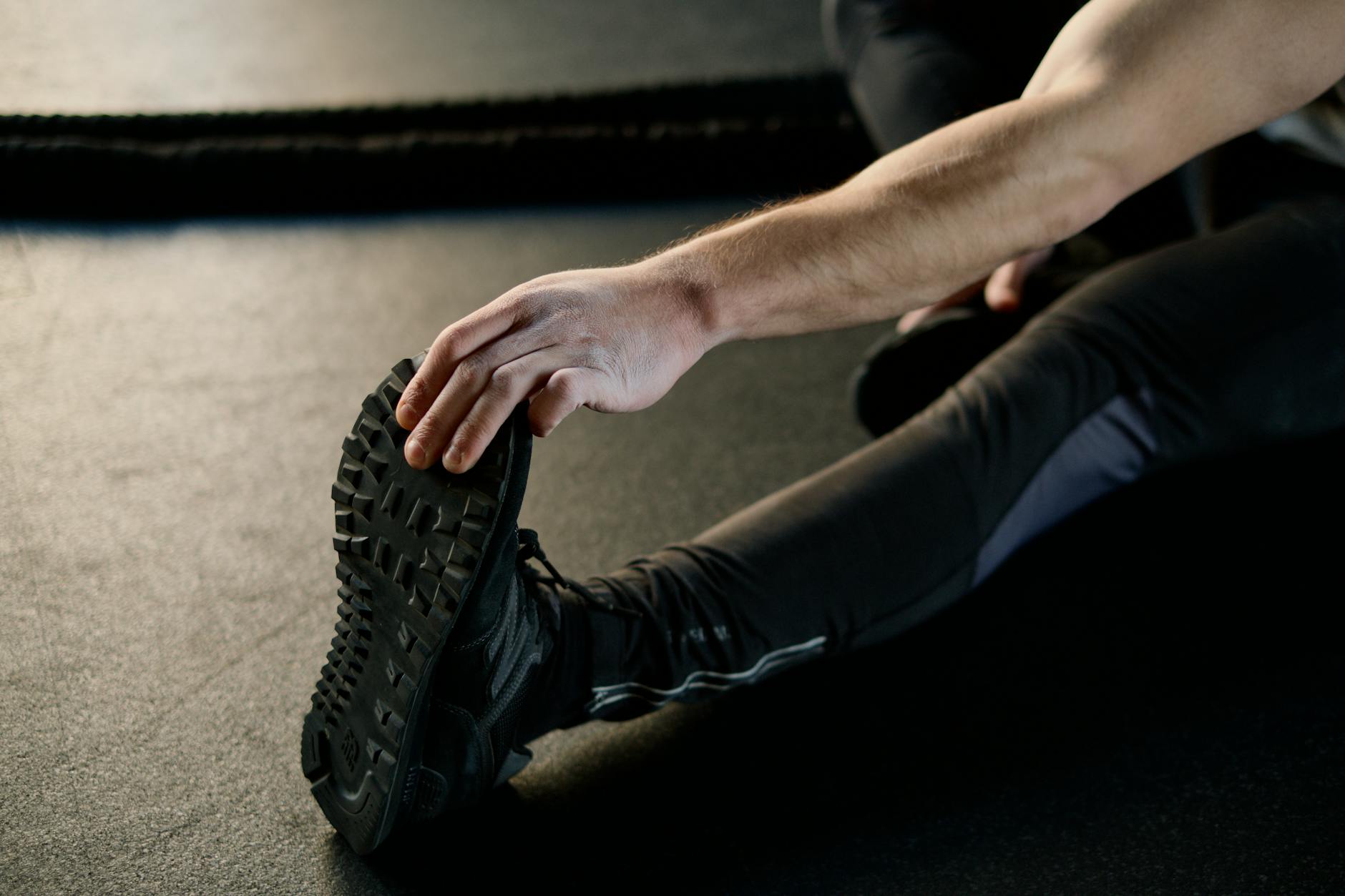
Dynamic stretching performed before and after cardio sessions creates a powerful synergy that static stretching alone cannot achieve. A dynamic warm-up that includes leg swings, walking lunges, and gentle twists prepares your nervous system for the workout while beginning to expand your available range of motion. After your cardio session, when muscles are fully warm and fatigued, static stretching becomes far more effective because the muscles are neurologically receptive to lengthening. A runner who performs 10 minutes of dynamic warm-up, 30 minutes of steady cardio, and then 10 minutes of focused static stretching will see measurable flexibility improvements within 4-6 weeks.
The contrast between warming up with static stretching versus dynamic movement is substantial. If you hold a 30-second hamstring stretch while cold, you might increase flexibility temporarily, but without accompanying cardio, the nervous system will reset that range back to baseline within hours. Conversely, if you perform that same stretch immediately after a cardio session, your muscles are primed to accept and adapt to the new range, creating lasting improvements. This is why pre-run static stretching has fallen out of favor in coaching—it actually temporarily reduces power output without providing long-term flexibility gains, whereas dynamic movement followed by cardio followed by static stretching creates cumulative benefits.
BUILDING A PRACTICAL CARDIO-FLEXIBILITY TRAINING PROGRAM
An effective weekly structure alternates between cardio-intensive days and flexibility-focused days, creating a rhythm that allows both systems to develop. Monday might include a 30-minute steady run followed by 12 minutes of stretching targeting hamstrings, hip flexors, and calves. Wednesday could feature a 20-minute interval session with 10 minutes of dynamic stretching post-workout. Friday brings a longer, easier run at conversational pace followed by 15 minutes of stretching.
This approach ensures you’re building aerobic capacity while constantly exposing and addressing flexibility limitations. The trade-off in this approach is time investment. A pure runner focused solely on building speed might skip dedicated stretching and gain time, but they’ll eventually hit a ceiling where muscle tightness limits their stride mechanics. A runner who invests 10-15% of weekly training time in flexibility work will run faster with fewer injuries, even though they’re not spending every minute on running-specific training. Consider that a 45-minute session with 10 minutes of flexibility work is still a 35-minute run—still highly beneficial for fitness while addressing the structural limitations that tighten during running.
RECOGNIZING AND OVERCOMING CARDIO-INDUCED STIFFNESS
Many runners experience increasing tightness despite consistent cardio training, which signals an imbalance between the muscular demands of running and their flexibility capacity. Calf tightness is particularly common because running emphasizes plantarflexion (pointing the toes), creating constant stimulus for the gastrocnemius and soleus muscles while not frequently loading dorsiflexion (flexing the toes upward). Over time, the calves adapt to this repeated pattern by becoming shorter and less flexible. A runner noticing calf tightness should incorporate dedicated calf stretches after cardio sessions and consider adding dorsiflexion-focused movements like walking on heels or using resistance bands to actively flex the foot.
Warning: Ignoring progressive stiffness in key areas leads to compensation injuries that are far more serious than the original tightness. A runner with tight calves will unconsciously alter their gait to reduce the demand on that muscle, which changes how force distributes through the knee and ankle. What started as minor calf stiffness becomes chronic knee pain or plantar fasciitis within weeks if unaddressed. The prevention strategy is simple but non-negotiable: any area that feels persistently tight after three consecutive weeks of training requires additional stretching volume and potentially a temporary reduction in running distance to allow the flexibility adaptations to catch up with the aerobic demands.
SPORT-SPECIFIC CARDIO FOR ADVANCED FLEXIBILITY GAINS
Sport-specific cardio like hill running, trail running, or plyometric-based conditioning creates flexibility demands that exceed steady-pace running. Hill running forces greater hip extension and ankle plantarflexion throughout the stride, creating stimulus for muscular adaptation.
Trail running demands rapid changes in ankle inversion and eversion, hip abduction, and trunk stability—movements that flat-road running never requires. A runner who adds one weekly hill session will notice hip and ankle mobility improvements within 4-5 weeks because those muscles are forced to work through ranges of motion they normally avoid. The example of a road runner transitioning to trail running shows dramatic flexibility challenges and subsequent adaptations; what felt restrictive in week one often becomes stronger and more mobile within a month.
THE FUTURE OF FLEXIBILITY-FOCUSED CARDIO TRAINING
As running science evolves, coaching approaches increasingly emphasize integrated training that treats cardio and flexibility as interconnected systems rather than separate concerns. Newer periodization models specifically schedule flexibility-intensive blocks during base-building phases, recognizing that the aerobic adaptations will stress the system enough that addressing structural mobility alongside conditioning prevents injury before it occurs.
This represents a philosophical shift from the old model where runners simply ran more and hoped flexibility would improve, toward a model where flexibility capacity is actively built as a foundation for higher-mileage training. The trend toward strength-training integration in distance running will likely continue to emphasize the flexibility component, because runners who maintain good mobility alongside strength gains show fewer injuries and better performance consistency.
Conclusion
Cardiovascular training improves flexibility most effectively when combined with intentional stretching work, not through running alone. The mechanism is straightforward: cardio increases muscle temperature and blood flow, making tissues more receptive to lengthening, but the adaptations only become durable when you actively stretch during that warm state. Ignore this relationship and your flexibility will stagnate despite increasing running volume. Respect it and your range of motion will expand alongside your aerobic fitness.
The practical path forward is to integrate 10-15 minutes of dynamic and static stretching into your weekly routine, performed primarily after cardio sessions when muscles are warm and neurologically receptive. Track which muscle groups feel persistently tight despite regular stretching, and consider whether your current cardio modalities are reinforcing restrictions in those areas. If so, add complementary movements like hills, trails, or different cardio sports that demand broader ranges of motion. This integration of cardio and flexibility doesn’t require additional time investment—it simply requires using the time you’re already spending more strategically.
Frequently Asked Questions
Can I improve flexibility with cardio alone, without dedicated stretching?
Not effectively. Cardio creates the environment for flexibility improvements through increased temperature and blood flow, but without stretching, the muscles reset to their baseline range of motion. Cardio is the accelerant; stretching is the adaptation signal.
How soon will I see flexibility improvements from combining cardio and stretching?
Most runners notice measurable improvements within 3-4 weeks of consistent work. Greater improvements accumulate over 8-12 weeks as nervous system adaptations take hold.
Which types of cardio most improve flexibility?
Hill running, trail running, and varied-intensity work demand greater ranges of motion than steady-pace flat running. Swimming requires exceptional hip and shoulder mobility. Cycling builds hip extension and flexion.
Is it better to stretch before or after cardio?
Dynamic stretching before cardio prepares muscles and nervous system. Static stretching after cardio is more effective for long-term flexibility gains because muscles are warm and neurologically receptive.
Can too much cardio actually reduce my flexibility?
Yes, if stretching doesn’t keep pace with the demands. Repetitive cardio patterns can shorten muscles in frequently-used ranges while never stressing the lengthened ranges, creating tightness over time.
How much stretching time should I add to my weekly routine?
10-15 minutes after most cardio sessions is sufficient for flexibility maintenance and improvement. This is roughly 10-15% of total training time but yields disproportionate benefits for injury prevention and mobility.