The best breathable walking shoes for hot summer walks combine engineered mesh uppers with responsive cushioning to keep your feet cool, dry, and comfortable over long distances. Based on extensive lab testing and real-world reviews heading into 2026, the Brooks Ghost Max 3 stands out as the top overall pick, earning the number one walking shoe ranking from multiple testing outlets thanks to its nitrogen-infused DNA Loft v3 midsole and integrated mesh upper that handles summer heat well. For pure breathability, the ASICS Gel-Kayano 14 earned a perfect 5 out of 5 breathability rating, with smoke-ventilation tests showing air escaping almost immediately through the toebox and tongue. But picking the right shoe goes beyond just grabbing the highest-rated option.
Foot shape, walking surface, budget, and how much you sweat all factor into which breathable shoe actually works for you. A shoe that performs beautifully on a shaded greenway might fall short on sunbaked asphalt, and a premium pick might not outperform a budget contender by enough to justify the price gap. This article breaks down the top breathable walking shoes by category, explains what materials and construction features actually drive airflow, covers sizing and fit considerations specific to hot weather, and flags shoes you should avoid when temperatures climb. Whether you are training for a walking program or just trying to survive your daily three-mile loop in July, the information here will help you make a smarter choice.
Table of Contents
- What Makes a Walking Shoe Breathable Enough for Hot Summer Walks?
- Top-Rated Breathable Walking Shoes for Summer 2026
- Budget-Friendly Breathable Shoes That Actually Perform
- How to Size and Fit Walking Shoes for Hot Weather
- Shoes and Conditions to Avoid in Summer Heat
- Sock and Accessory Pairing for Maximum Breathability
- What to Expect from Walking Shoe Breathability Going Forward
- Conclusion
What Makes a Walking Shoe Breathable Enough for Hot Summer Walks?
Breathability in a walking shoe comes down to upper construction. Mesh and synthetic uppers are the best materials for hot weather because they allow air to circulate around your foot and wick moisture away from the skin. This is not a minor detail. A shoe with poor ventilation traps heat and sweat against your foot, creating the perfect environment for blisters, hot spots, and fungal issues. In contrast, a well-ventilated upper lets your foot function more like it would in a sandal, but with the cushioning and support a walking shoe provides. The difference between good and bad breathability is measurable. Testing labs use smoke-ventilation tests to evaluate how quickly air moves through a shoe’s upper.
The ASICS Gel-Kayano 14, for example, showed smoke escaping almost immediately through its toebox and tongue, which is why it earned that perfect breathability score. Compare that to the On Cloudtilt, which scored only 2 out of 5 for breathability and is not recommended for hot conditions. The Cloudtilt’s upper looks sleek, but it restricts airflow enough to cause noticeable discomfort on warm days. Appearances can be deceiving in either direction, too. The Nike Promina has a thick-looking upper that suggests poor ventilation, yet it scored 4 out of 5 for breathability, with testers noting no sweat pooling during all-day wear. One often overlooked category worth considering is trail runners. They are generally the lightest and most breathable category of walking footwear, with feet sweating less and drying faster than in traditional walking shoes. If you walk on mixed terrain or paths with occasional gravel and dirt, a trail runner may outperform a dedicated walking shoe in summer heat.

Top-Rated Breathable Walking Shoes for Summer 2026
The Brooks Ghost Max 3 has earned its place at the top of the rankings for good reason. Its nitrogen-infused DNA Loft v3 midsole delivers plush cushioning that absorbs impact on hard surfaces like concrete and asphalt, while its integrated mesh upper provides consistent airflow. This is a shoe that works for walkers who cover serious distance, whether that means a daily five-mile route or weekend long walks. It handles heat well without sacrificing the structure and support that prevent fatigue on longer outings. For walkers who prioritize comfort above all else, the Hoka Bondi 9 was named the most comfortable walking shoe of 2026 by Outdoor Gear Lab. Its integrated mesh provides strong breathability for warm-weather use, and its maximalist cushioning platform is forgiving on joints.
Its sibling, the Hoka Clifton 10, is lighter and equally well-ventilated, making it a better choice for walkers who prefer a less bulky feel. The Clifton 10 is specifically recommended for long walks on hard surfaces in hot conditions, so if your route is mostly pavement, it deserves serious consideration. The Altra Experience Flow 2 takes a different approach, with uppers that testers described as nicely padded and wonderfully breezy, excelling in both comfort and breathability. However, if you have specific stability needs or pronation issues, not all of these shoes will work equally well. The Hoka Bondi 9 and Clifton 10 are neutral shoes, which means they do not offer structured medial support. Walkers with moderate to severe overpronation should look at options with guidance systems or consult a specialty running store before committing to a neutral shoe, no matter how breathable it is.
Budget-Friendly Breathable Shoes That Actually Perform
You do not need to spend top dollar to get a breathable walking shoe that holds up in summer heat. The Under Armour Charged Assert 10 has been praised by testers as a strong budget option for both support and breathability. It uses a lightweight mesh upper and a Charged Cushioning midsole that provides enough responsiveness for daily walking without the premium price tag. For walkers who need a reliable summer shoe but cannot justify spending north of one hundred fifty dollars, this is a practical starting point. The Ryka Devotion Plus 3 is another standout in the budget category, offering all-day comfort at roughly half the price of most premium walking shoes.
Ryka designs specifically for women’s feet, so the fit tends to be more anatomically accurate than unisex shoes scaled down from men’s lasts. The Nike Promina also deserves mention here as a budget-friendly option with legitimate breathability credentials, having earned that 4 out of 5 breathability score despite its modest price. The Allbirds Tree Dasher takes a different angle on the value equation. Its upper is made from eucalyptus tree fibers, designed to keep feet cool and dry even during intense activity. While not the cheapest shoe on this list, its sustainable material story and genuine cooling performance make it a compelling choice for walkers who care about what their shoes are made from. The eucalyptus fiber upper is naturally moisture-wicking, which gives it an edge over synthetic mesh in humid conditions where sweat evaporation is slower.
How to Size and Fit Walking Shoes for Hot Weather
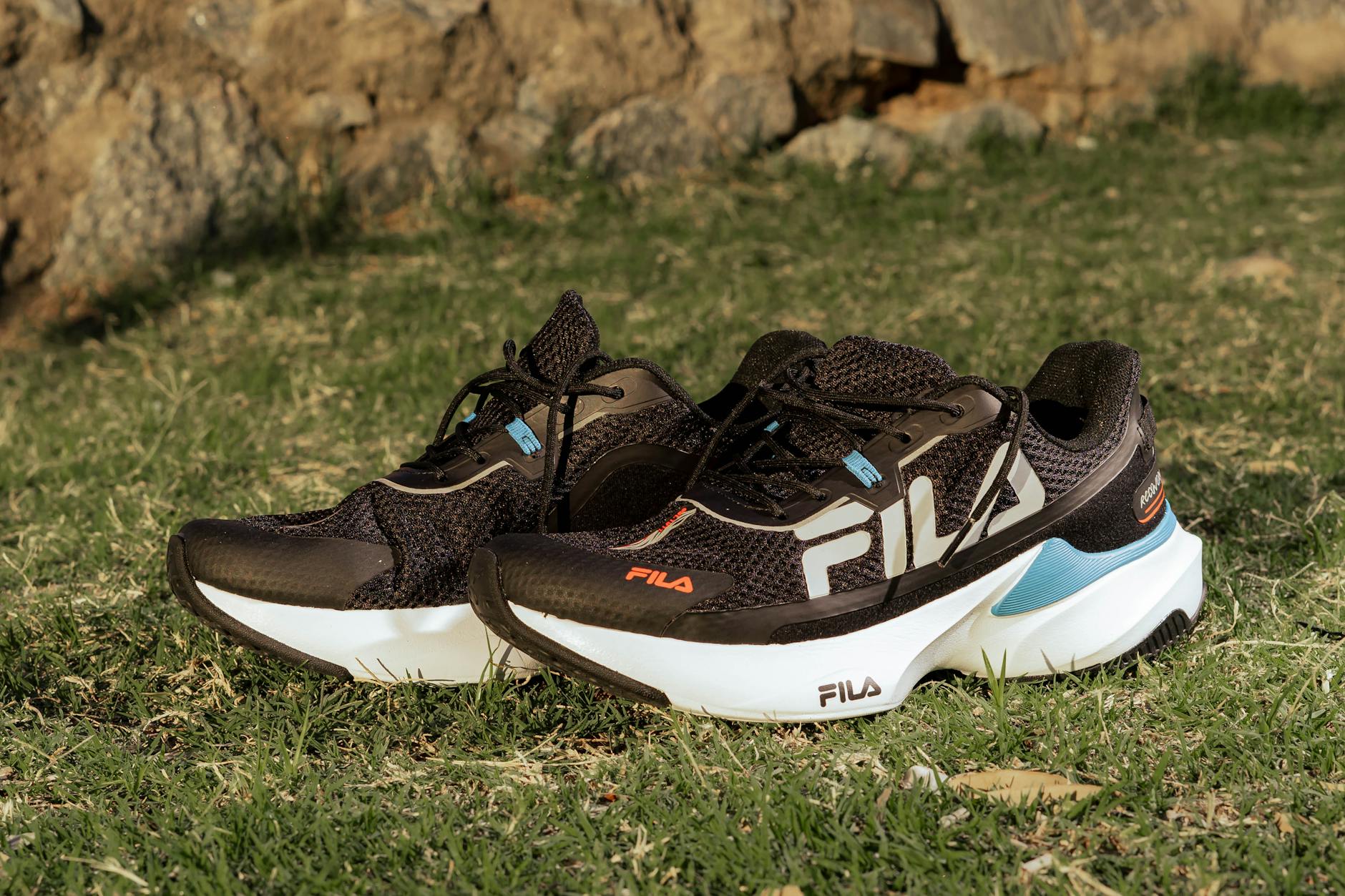
One of the most common mistakes summer walkers make is wearing shoes that fit perfectly in the morning but feel tight and uncomfortable by afternoon. Feet swell in heat, sometimes by as much as half a shoe size over the course of a long walk. The standard recommendation from fitting experts is to size up by half a size for summer walking shoes. That extra room prevents blisters and constriction as your feet expand, and it allows more air to circulate inside the shoe. This creates a tradeoff, though. A shoe with too much room can cause your foot to slide, which leads to friction and its own set of blister problems.
The goal is a fit that feels slightly roomy when you first put the shoe on in a cool environment, with about a thumb’s width of space between your longest toe and the front of the shoe. When your feet swell during a hot walk, that space tightens up to a secure but not constrictive fit. If you are between sizes, summer is the time to go with the larger option. Lacing technique matters as well. A looser lacing pattern across the midfoot allows more air into the shoe and accommodates swelling, while a heel-lock lacing pattern at the top keeps your foot from sliding forward. This combination gives you the best of both worlds: ventilation and volume where you need it, security where it counts. Try your summer walking shoes on in the afternoon when your feet are already somewhat swollen, and walk around the store for at least ten minutes before deciding.
Shoes and Conditions to Avoid in Summer Heat
Not every well-reviewed walking shoe is appropriate for hot weather. The On Cloudtilt is a good example. It is a well-constructed shoe that scores well in other categories, but its breathability rating of only 2 out of 5 makes it a poor choice when temperatures climb. Wearing a low-breathability shoe in summer is not just uncomfortable. It increases your risk of blisters, maceration of the skin between your toes, and fungal infections that thrive in warm, moist environments. Leather and heavy synthetic uppers should also be avoided for summer walking. These materials trap heat and do not wick moisture effectively.
Even shoes marketed as breathable can fall short if the ventilation zones are too small or poorly placed. Look for shoes where the mesh extends across the entire toebox and along the sides of the forefoot, not just in small decorative panels. If you can hold the shoe up to a light and see through the upper in multiple areas, that is a good sign. Walking conditions matter as much as shoe selection. If you are walking on asphalt or concrete in direct sunlight, ground temperatures can exceed air temperature by twenty to thirty degrees. Dark-soled shoes absorb more of this heat and transfer it to your feet. Light-colored midsoles and outsoles reflect more heat, and shoes with thicker midsoles like the Hoka Bondi 9 create more insulation between your foot and the hot ground. If your summer walks are primarily on sun-exposed pavement, prioritize both breathability and midsole thickness.
Sock and Accessory Pairing for Maximum Breathability
Even the most breathable shoe will underperform if you pair it with the wrong socks. Cotton socks absorb sweat and hold it against your skin, negating much of the ventilation your shoe provides. Merino wool or synthetic moisture-wicking socks move sweat away from your feet and dry quickly, keeping you comfortable over long distances.
Thin, lightweight socks designed for running or warm-weather hiking are ideal for summer walking. Some walkers in extreme heat find that anti-chafe balm applied to the toes and heels before a walk significantly reduces blister formation, even in a well-fitting breathable shoe. If you walk more than three or four miles in temperatures above ninety degrees, your feet will produce enough sweat to overwhelm most socks. Pre-treating friction-prone areas adds a layer of protection that works alongside your shoe’s breathability rather than against it.
What to Expect from Walking Shoe Breathability Going Forward
Shoe manufacturers are investing heavily in upper materials that balance breathability with durability and structure. The trend toward engineered mesh, where different zones of the upper have different knit densities for ventilation, support, and protection, is accelerating. Natural fiber uppers like the eucalyptus tree fibers used in the Allbirds Tree Dasher point toward another direction, where breathability comes from material properties rather than open-weave construction.
For walkers shopping now, the selection of genuinely breathable walking shoes is better than it has ever been. The gap between budget options like the Under Armour Charged Assert 10 and premium picks like the Brooks Ghost Max 3 is narrowing in terms of ventilation performance, even if cushioning and durability differences remain. The key is matching the shoe to your specific conditions, your feet, your routes, and your climate, rather than defaulting to whatever ranks highest on a single list.
Conclusion
Choosing a breathable walking shoe for summer comes down to upper construction, proper fit, and matching the shoe to your conditions. Mesh and synthetic uppers with extensive ventilation zones outperform heavier materials in every heat-related category. Sizing up by half a size accommodates the foot swelling that inevitably happens in warm weather.
And avoiding shoes with poor breathability scores, regardless of how well they perform in other areas, saves you from a summer of blisters and discomfort. The Brooks Ghost Max 3, ASICS Gel-Kayano 14, Hoka Bondi 9, and Altra Experience Flow 2 represent the top tier for breathable summer walking, while the Under Armour Charged Assert 10 and Ryka Devotion Plus 3 prove that you do not have to pay premium prices for effective ventilation. Try shoes on in the afternoon, pair them with moisture-wicking socks, and give yourself that extra half size of room. Your feet will thank you by August.