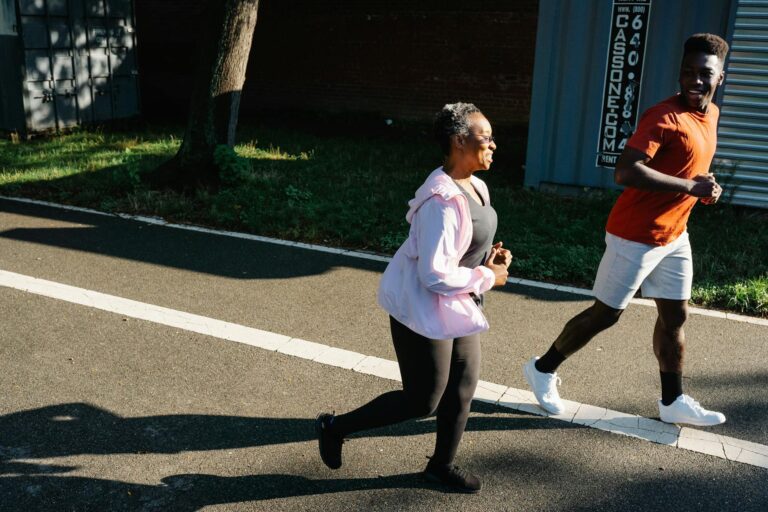
The best walking shoe for long distance walks in 2026 is the Brooks Ghost Max 3, which has earned the top overall ranking across multiple independent testing labs this year. Its nitrogen-infused DNA Loft v3 midsole has been tested for over 50 hours on pavement and uneven trail surfaces without bottoming out, and its 39mm heel stack height delivers superior impact absorption on concrete — exactly what your feet need when you are covering serious mileage on hard surfaces. If you are someone who regularly walks five, ten, or fifteen miles at a stretch, this shoe addresses the single biggest complaint long distance walkers have: cushioning that dies before the walk does. But the Ghost Max 3 is not the right shoe for every walker.
If you need structured arch support, the ASICS GT-2000 14 tested as the best option in that category this year. If you walk on mixed terrain — dirt paths, wet rocks, broken sidewalks — the Hoka Transport with its 4mm lugs is the stronger choice. And if you simply want the softest possible ride over extended distances, the On Cloudsurfer 2 won the dedicated “Best for Long Distances” award in 2026 testing thanks to its Helion superfoam and Cloudtec midsole combination. This article breaks down the top seven long distance walking shoes of 2026, explains what actually matters in a walking shoe versus a running shoe, and helps you match the right model to your foot type, terrain, and weekly mileage.
Table of Contents
- What Makes a Walking Shoe Good for Long Distance Walks?
- The Top Seven Long Distance Walking Shoes of 2026 Compared
- How Terrain Changes Which Walking Shoe You Need
- How to Choose Between Cushioning, Support, and Responsiveness
- Common Mistakes When Buying Walking Shoes for Long Distance
- Breaking In Long Distance Walking Shoes the Right Way
- Where Walking Shoe Technology Is Heading
- Conclusion
- Frequently Asked Questions
What Makes a Walking Shoe Good for Long Distance Walks?
The difference between a walking shoe that works for a quick errand and one that holds up over long distances comes down to three things: sustained cushioning, heel-to-toe transition, and weight. A shoe that feels great for the first two miles can start compressing and losing energy return by mile six, leaving you with sore heels and aching arches for the rest of the walk. This is why lab-tested cushioning data matters more than a quick try-on at the store. The Brooks Ghost Max 3, for example, uses nitrogen-infused foam — a technology that resists compression over time — which is why testers at RunRepeat and Doctors of Running noted it represents a measurable improvement over previous Ghost Max generations specifically for heel-strike walkers on hard surfaces. Long distance walking also places different demands on a shoe than running does. Walkers spend more time in the stance phase of each stride, meaning your full body weight sits on the midsole longer per step. You also tend to strike more consistently at the heel compared to runners, who vary between heel, midfoot, and forefoot strikes.
This is why stack height at the heel matters so much: that 39mm heel stack on the Ghost Max 3 is not just a marketing number, it is direct protection for the joint that takes the most cumulative punishment on a long walk. By contrast, a shoe like the Altra Experience Flow 2 takes a different approach — its balanced, zero-drop platform distributes the load more evenly across the entire foot, which some walkers find reduces fatigue in the calves and Achilles over many miles. The weight of the shoe matters more than most walkers realize. Over a ten-mile walk, you take roughly 20,000 steps. Every extra ounce on your foot multiplies across those steps. This is why the On Cloudtilt, which testers described as “surprisingly lightweight and stable,” scored so well for long distance comfort despite not having the thickest midsole in the group. Sometimes less material, engineered well, outperforms more material engineered poorly.

The Top Seven Long Distance Walking Shoes of 2026 Compared
Starting at the top, the Brooks Ghost Max 3 leads the field as the best overall walking shoe of 2026. It is the shoe to beat if you walk primarily on pavement, sidewalks, or other hard surfaces and you heel-strike. The nitrogen-infused DNA Loft v3 foam is the key differentiator — it stays soft enough to absorb shock but does not collapse under sustained pressure the way traditional EVA foams tend to after a few hundred miles. Experts at multiple outlets including RunRepeat, Outdoor Gear Lab, and Run to the Finish all placed it at or near the top of their rankings. The On Cloudsurfer 2 earned the specific “Best for long Distances” designation in 2026 testing, and for good reason. Its combination of On’s proprietary Helion superfoam with their Cloudtec midsole technology produces what testers called a “pillowy-soft but still responsive” ride. That balance between softness and responsiveness is critical for long walks — you want cushion, but you do not want to feel like you are walking through sand, which saps energy.
The Altra Experience Flow 2 occupies similar territory as a “versatile workhorse,” praised for its wide toe box and springy midsole that is not overly soft or bouncy. If you have wider feet or your toes tend to go numb on long walks, the Altra’s toe box design may solve that problem entirely. However, if you have flat feet, high arches, or a history of plantar fasciitis, cushioning alone is not enough. The ASICS GT-2000 14 was identified as the walking shoe with the best arch support in 2026 testing, making it the clear pick for walkers who need structured support over many miles. A common mistake is choosing the softest shoe available when what your foot actually needs is guidance and stability — the GT-2000 14 provides that without sacrificing comfort. On the other end of the spectrum, the Nike Motiva deserves mention as Nike’s first dedicated walking shoe, which “impressed greatly in lab and wear tests” and earned a top spot among all walking shoes tested this year. Nike entering the walking-specific market with a serious contender signals that the category is finally getting the engineering attention it deserves.
How Terrain Changes Which Walking Shoe You Need
Most long distance walkers do not stick to one surface for an entire walk. A typical five-mile route might include sidewalks, a park path, a gravel section near a lake, and a stretch of uneven pavement. This is where the Hoka Transport stands apart from the rest of the field. Its 4mm lugs grip loose dirt and wet rocks in a way that flat-soled walking shoes simply cannot, and testers called it “the perfect blend of comfort and support for long walks” across different surfaces. If your regular route includes any unpaved sections, this shoe eliminates the anxiety of slipping that plagues most cushioned walking shoes on loose or wet ground.
The tradeoff with a shoe like the Transport is that those lugs create a slightly different feel on pure pavement. They are not uncomfortable on concrete, but they do not deliver the same smooth, gliding sensation that a flat-soled shoe like the Cloudsurfer 2 or Ghost Max 3 provides on hard, even surfaces. If ninety percent of your walking happens on sidewalks and roads, you are better off with a pavement-optimized shoe. But if even twenty percent of your route involves dirt, gravel, or wet surfaces, the Transport’s versatility becomes worth the minor pavement tradeoff. A practical example: if you walk a three-mile loop around your neighborhood on weekday mornings (all pavement) but do a longer six-to-eight-mile walk on weekends that includes park trails, owning two pairs is not overkill. A Ghost Max 3 for the weekday pavement walks and a Hoka Transport for the weekend mixed-terrain walks will both last longer because you are splitting the mileage, and each shoe will perform optimally on the surface it was designed for.
How to Choose Between Cushioning, Support, and Responsiveness
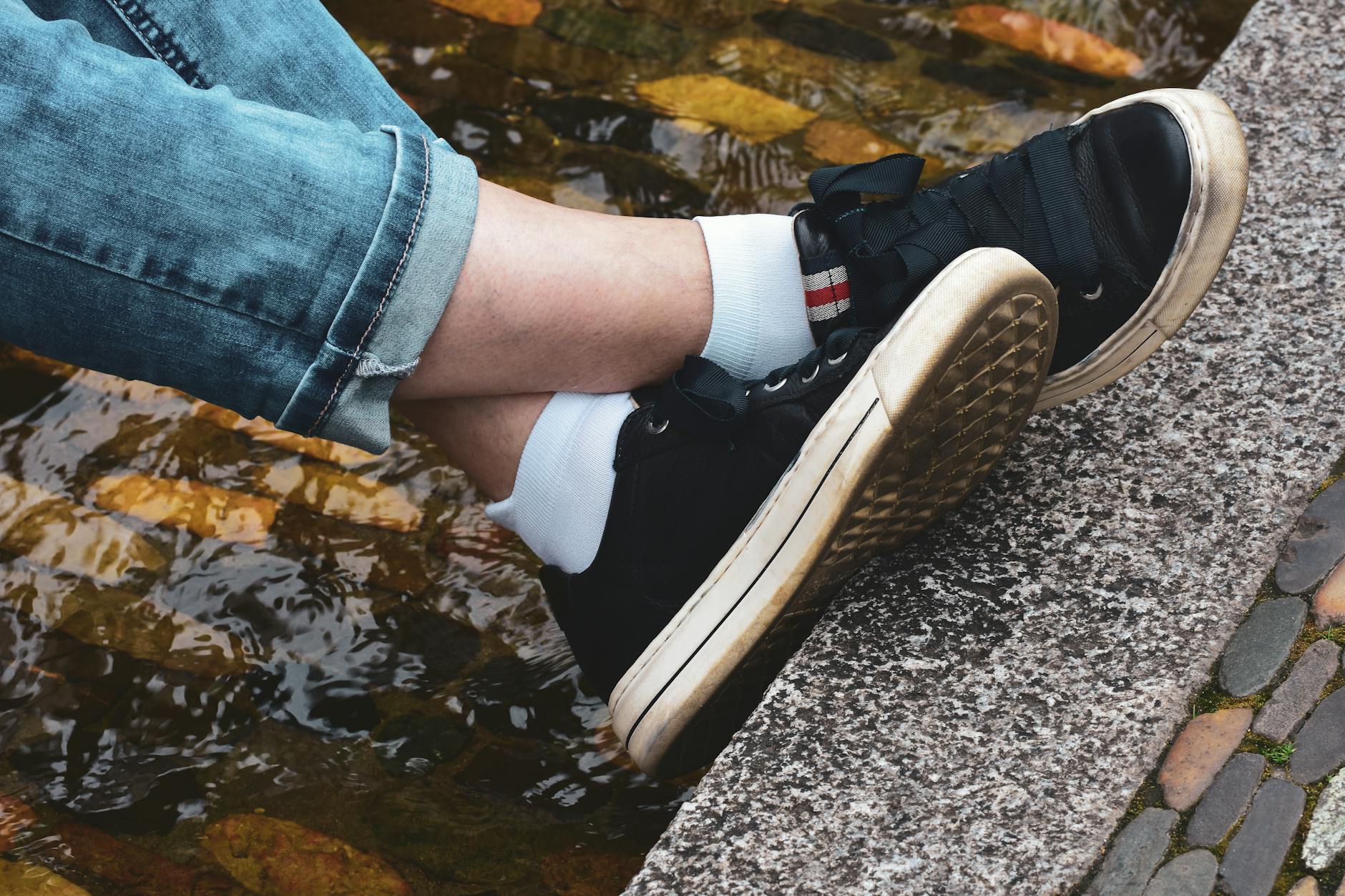
The three qualities that define a long distance walking shoe — cushioning, support, and responsiveness — exist in tension with each other. More cushioning generally means less ground feel and responsiveness. More structural support usually adds weight. And more responsiveness often means firmer foam, which can feel harsh after many miles. Understanding where your priorities fall determines which shoe is right for you. If your primary concern is absorbing impact and protecting your joints, the Brooks Ghost Max 3 and On Cloudtilt are your top options.
The Cloudtilt scored a 132 on the shock absorption scale, which is 18.9 percent better than the average walking shoe tested — a significant margin. The Ghost Max 3 takes a different approach to the same goal, using sheer stack height and nitrogen-infused foam density to absorb impact over a longer travel distance. Both work; the Cloudtilt achieves it with less material and lower weight, while the Ghost Max 3 achieves it with more material and a more traditional plush feel. If your concern is efficiency — meaning you want to walk longer without feeling drained — the Altra Experience Flow 2 and On Cloudsurfer 2 prioritize energy return alongside cushioning. The Altra’s balanced, predictable ride was described as ideal “for longer walks where efficiency matters,” because it does not waste your energy bouncing you up and down the way overly soft shoes can. The Cloudsurfer 2’s Helion superfoam similarly returns energy on each step rather than just absorbing it. The practical difference is that at mile eight or nine, your legs feel noticeably less fatigued in a responsive shoe than in a pure cushioning shoe — but the responsive shoe may not feel quite as luxurious underfoot during the first mile.
Common Mistakes When Buying Walking Shoes for Long Distance
The most frequent mistake long distance walkers make is buying a shoe that is too small. Your feet swell during extended walks — sometimes by as much as half a size over the course of a long session. If you buy walking shoes that fit perfectly in the store, they will be too tight by mile four. This is one reason the Altra Experience Flow 2, with its wide toe box, gets so much praise from distance walkers: it accommodates natural foot splay without requiring you to size up and lose heel lockdown. When trying on any long distance walking shoe, do it in the afternoon when your feet are already slightly swollen, and leave a thumb’s width of space between your longest toe and the front of the shoe. Another common error is assuming that any running shoe will work for walking. Running shoes are engineered for a gait cycle that includes a flight phase — a moment when both feet are off the ground.
Walking never has a flight phase; one foot is always in contact with the ground. This changes the stress distribution, the flexibility requirements, and the ideal cushioning zones. The Nike Motiva is notable precisely because Nike — a company that has made running shoes for decades — recognized that walking demanded a purpose-built design rather than a rebadged running shoe. When that shoe “impressed greatly in lab and wear tests,” it validated what walking-focused brands have known for years: the biomechanics are different enough to warrant dedicated engineering. A third pitfall is ignoring the surface you walk on. Buying the cushiest, most highly rated walking shoe on the market and then walking on gravel trails with it is a recipe for rolled ankles and premature outsole wear. Match the shoe to your terrain first, then optimize for cushioning and support within that category. The best walking shoe is the one that matches how and where you actually walk, not the one with the most awards.
Breaking In Long Distance Walking Shoes the Right Way
Even the best walking shoe needs a break-in period, and rushing this process is how blisters and hotspots develop. Start with two-to-three-mile walks for the first week, then gradually increase distance. The Brooks Ghost Max 3, despite its plush cushioning, has a structured upper that needs time to conform to your foot shape.
Testers who put in over 50 hours on this shoe noted that the cushioning consistency held up throughout — but the first few walks required the upper materials to soften and flex into the natural contours of the foot. A useful approach is to alternate between your new long distance shoes and your current pair for the first two weeks. Walk your shorter routes in the new shoes and your longer routes in the old ones, then reverse that pattern once the new shoes feel fully broken in. This prevents the common scenario where someone buys a new shoe, immediately takes it on an eight-mile walk, and blames the shoe for the blisters that were really caused by an abrupt transition.
Where Walking Shoe Technology Is Heading
The 2026 walking shoe market reflects a genuine shift in how footwear companies view walkers. Nike releasing the Motiva as a dedicated walking shoe, On earning multiple walking-specific awards with the Cloudtilt and Cloudsurfer 2, and Brooks pushing nitrogen-infused foam technology into walking-focused models all point in the same direction: walking is finally being treated as a distinct activity that deserves specialized engineering rather than hand-me-down running technology.
Expect this trend to accelerate. As more people choose walking over running for their primary cardiovascular exercise — and the data increasingly supports walking as one of the most sustainable forms of long-term fitness — footwear companies will continue investing in walking-specific research and development. The gap between “a running shoe you can walk in” and “a shoe built from the ground up for walking” will widen, and long distance walkers will be the primary beneficiaries.
Conclusion
For most long distance walkers on pavement, the Brooks Ghost Max 3 is the best overall choice in 2026, with its nitrogen-infused cushioning that has been tested and proven over 50-plus hours without degrading. If you need arch support, go with the ASICS GT-2000 14. If you walk on mixed terrain, the Hoka Transport is the pick. If you prioritize lightweight efficiency and shock absorption, the On Cloudtilt and On Cloudsurfer 2 both deliver at the top of their respective categories.
And if you want a wide toe box with a balanced ride, the Altra Experience Flow 2 remains a reliable workhorse. The key takeaway is to match the shoe to your specific needs — your terrain, your foot shape, your gait pattern, and your distance — rather than simply buying whatever tops a single “best of” list. Try shoes on in the afternoon, break them in gradually, and do not assume a great running shoe will automatically be a great walking shoe. Your feet carry you every mile. Give them the right tool for the job.
Frequently Asked Questions
Can I use running shoes for long distance walking?
You can, but you will likely get better results from a walking-specific shoe. Walking and running have different biomechanics — walking has no flight phase, which changes the stress distribution and cushioning needs. Nike’s decision to create the Motiva as a dedicated walking shoe, separate from their running line, reflects this fundamental difference. Running shoes tend to have more forefoot cushioning and aggressive heel-to-toe drops that do not align well with the walking gait cycle.
How many miles do long distance walking shoes typically last?
Most quality walking shoes last between 300 and 500 miles before the midsole cushioning degrades significantly. The Brooks Ghost Max 3’s nitrogen-infused DNA Loft v3 foam is designed to resist compression longer than traditional EVA foams, which may extend its useful life toward the upper end of that range. Track your mileage and replace shoes when you start noticing increased foot or joint fatigue rather than waiting for visible outsole wear.
What is the best walking shoe for people with plantar fasciitis?
The ASICS GT-2000 14 was identified as the best walking shoe for arch support in 2026 testing, making it a strong choice for walkers dealing with plantar fasciitis. Structured arch support helps distribute pressure away from the plantar fascia. However, plantar fasciitis has multiple causes, and some walkers respond better to cushioning (Ghost Max 3) or a zero-drop platform (Altra Experience Flow 2) than to structured support. Consult with a podiatrist if the condition persists.
Are On shoes good for long distance walking?
On placed two shoes in the top tier for 2026: the Cloudtilt, which scored 18.9 percent better than the average walking shoe on shock absorption testing, and the Cloudsurfer 2, which won the dedicated “Best for Long Distances” award. Both use On’s proprietary Helion superfoam and Cloudtec technology. They tend to run lighter than competitors like the Brooks Ghost Max 3, which some walkers prefer for reducing fatigue over many miles.
Do I need different shoes for walking on trails versus pavement?
If your walks regularly include loose dirt, gravel, or wet surfaces, yes. The Hoka Transport with its 4mm lugs is specifically designed for mixed terrain and grips surfaces that flat-soled walking shoes cannot handle safely. Pavement-optimized shoes like the Ghost Max 3 or Cloudsurfer 2 provide a smoother ride on hard, even surfaces but lack the traction needed for unpaved terrain. If your walks split between both, owning a pair for each surface type is the practical solution.