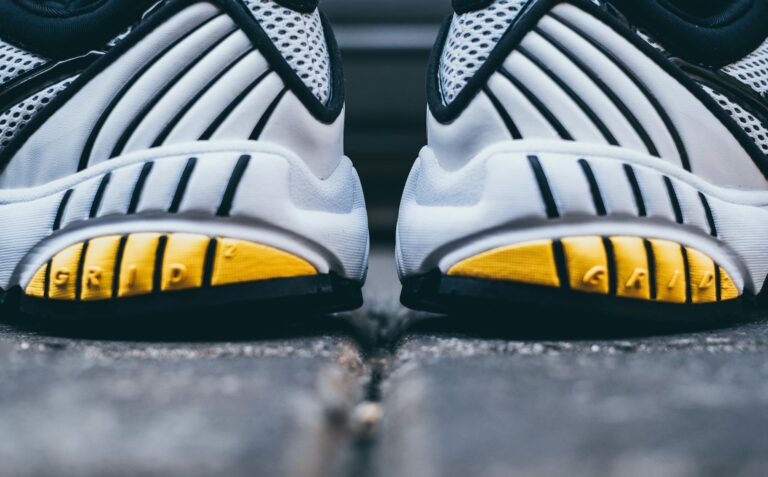
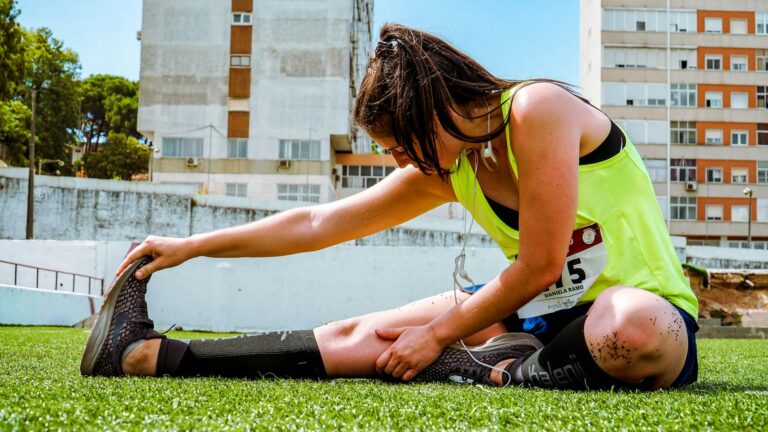
The best running shoes for 7-mile runs and longer distances are those with substantial cushioning, durable outsoles, and a fit that remains comfortable after thousands of foot strikes. For most runners tackling this distance regularly, maximalist cushioned trainers like the HOKA Clifton, Brooks Glycerin, or New Balance Fresh Foam 1080 deliver the protection and energy return needed to sustain effort without breaking down your legs. A runner training for a half marathon, for instance, might log three to four 7-mile sessions weekly, and wearing a shoe designed for shorter tempo work or racing would lead to accumulated fatigue, joint stress, and potential injury within weeks.
Choosing distance-appropriate footwear involves more than grabbing the most padded option on the shelf. Stack height, heel-to-toe drop, upper breathability, and outsole durability all factor into whether a shoe will support you through mile seven and beyond. This article examines what makes a running shoe suitable for longer efforts, compares popular models across different categories, addresses fit considerations specific to extended runs, and provides practical guidance for selecting and rotating shoes. Whether you are building weekly mileage for your first 10-miler or maintaining a seasoned distance running habit, the right shoe choice prevents injury and makes those longer runs more sustainable.
Table of Contents
- What Makes Running Shoes Ideal for 7-Mile Distances and Beyond?
- Cushioning Systems and Midsole Technologies for Distance Running
- Upper Construction and Breathability for Extended Runs
- How Heel Drop Affects Performance on Longer Runs
- Selecting the Right Fit for Distance Running Comfort
- Rotation Strategies and Shoe Longevity for Regular Distance Runners
- How to Prepare
- How to Apply This
- Expert Tips
- Conclusion
- Frequently Asked Questions
What Makes Running Shoes Ideal for 7-Mile Distances and Beyond?
The fundamental difference between shoes suited for longer runs versus short sprints or casual jogging lies in sustained impact absorption. During a 7-mile run, the average runner takes approximately 10,000 to 12,000 steps, with each foot strike generating forces between two and three times body weight. Shoes designed for this workload feature midsole foams engineered to maintain their cushioning properties across thousands of compressions without bottoming out or feeling dead by mile six. Energy return becomes increasingly important as distance increases. Modern midsole technologies like Nike ZoomX, Saucony PWRRUN PB, and ASICS FF Blast Plus are designed to give back a portion of the energy expended during foot strike.
The difference between a shoe with 60 percent energy return and one with 75 percent may feel negligible during a 3-mile shakeout run, but across 7 miles, that efficiency gap translates to measurably less muscular fatigue. A 2019 study in Sports Medicine found that highly cushioned shoes with superior energy return reduced oxygen consumption by 1 to 3 percent, meaningful savings when multiplied across longer distances. Durability also separates distance-appropriate shoes from those built for shorter efforts. Racing flats and lightweight trainers often use softer, less dense foams that feel responsive but compress permanently after 150 to 200 miles. Daily trainers designed for longer runs typically maintain their cushioning characteristics for 400 to 600 miles, making them more economical and consistent performers for runners regularly covering 7-mile distances.
Cushioning Systems and Midsole Technologies for Distance Running
The midsole foam constitutes the heart of any distance running shoe, and manufacturers have developed distinct approaches to solving the cushioning puzzle. EVA-based foams, the traditional standard, have largely given way to TPU-based and PEBA-based alternatives that offer better energy return without adding weight. HOKA’s compression-molded EVA remains popular for its plush feel, while Brooks DNA Loft and Saucony PWRRUN represent hybrid approaches combining multiple foam technologies. Supercritical foaming processes, which inject nitrogen into foam compounds, create lighter materials with enhanced bounce. Adidas Boost pioneered this approach, and variations now appear across most major brands.
However, if you run primarily on concrete or other hard surfaces, pure energy-return foams may transmit more ground feel than you prefer. Runners who prioritize protection over responsiveness often favor shoes with dual-density midsoles, where a softer layer sits directly beneath the foot while firmer foam handles ground contact. Stack height, measured in millimeters from outsole to footbed, directly influences how much foam sits between your foot and the ground. Maximalist shoes with 35mm or greater stack heights provide substantial cushioning but can feel unstable to runners accustomed to lower-profile options. Transitioning too quickly from a 25mm stack height to a 38mm shoe often causes Achilles or calf strain, as the altered geometry changes how muscles engage throughout the gait cycle.
Upper Construction and Breathability for Extended Runs
The upper material becomes increasingly critical as run duration extends. Feet swell during exercise, typically expanding half a size or more across a 7-mile run as blood flow increases and tissues warm. Engineered mesh uppers with strategic stretch zones accommodate this expansion without creating pressure points, while more structured uppers built for speed work often become constrictive as miles accumulate. Breathability prevents heat and moisture buildup that leads to blisters. Single-layer mesh constructions allow maximum airflow but sacrifice some durability and water resistance.
Double-layer engineered knits balance ventilation with structure, though they retain more heat in warm conditions. For runners logging 7-mile efforts in humid climates, prioritizing breathability typically outweighs concerns about upper longevity. The Brooks Ghost 15, for example, uses a mesh upper with larger ventilation zones than its predecessor, a change specifically addressing feedback from distance runners about heat management. Heel counter stiffness affects both security and comfort over longer distances. A firm heel counter maintains position and prevents slippage but may cause irritation during extended runs if it contacts the Achilles tendon incorrectly. Many distance-focused shoes now feature padded heel collars or slightly softer counter materials at the top edge, allowing secure lockdown without creating hot spots that emerge only after mile five.
How Heel Drop Affects Performance on Longer Runs
Heel-to-toe drop, or offset, describes the height difference between the heel and forefoot of a running shoe. Traditional running shoes featured 10 to 12mm drops, while minimalist movements pushed toward zero-drop designs. For 7-mile runs and longer distances, most runners perform best in the 6 to 10mm range, which balances natural foot positioning with adequate heel cushioning for sustained pounding. Lower drops encourage midfoot or forefoot striking patterns, engaging the calf muscles and Achilles tendon more actively. While this can improve running economy for adapted runners, transitioning to a lower drop without gradual adjustment frequently causes calf strains and Achilles tendinitis.
A runner switching from a 10mm drop shoe to a 4mm drop alternative should plan four to six weeks of progressive adaptation, starting with short runs and gradually extending distance. Higher drops provide more heel cushioning, which benefits heel strikers and runners with Achilles sensitivity. However, research comparing injury rates across drop categories has produced mixed results. A 2015 study in the British Journal of Sports Medicine found no significant difference in injury rates between low-drop and traditional shoes when runners selected options matching their natural preferences. The practical takeaway: stick with what feels natural and allows consistent training rather than chasing theoretical benefits of a particular drop height.
Selecting the Right Fit for Distance Running Comfort
Proper fit for distance running differs from fit for everyday shoes or even shorter run efforts. The standard advice of shopping late in the day when feet have naturally swollen applies doubly for distance shoes, as the combination of heat and impact causes even greater expansion during actual runs. Allowing a thumb’s width of space between your longest toe and the shoe’s end prevents black toenails and cramping that intensify beyond mile five. Width options matter significantly for distance runners. Many runners who fit comfortably into standard widths for casual shoes discover that their feet spread under the repeated stress of longer runs.
Most major brands offer wide and extra-wide options in their distance-focused models, and specialty running stores can identify width needs through gait analysis and test runs. Comparing the ASICS Gel-Nimbus in standard and wide versions reveals a noticeable difference in forefoot room that becomes critical when feet expand during the second half of a 7-mile effort. The lacing system and tongue construction affect midfoot security across longer distances. A loose midfoot allows excessive movement within the shoe, wasting energy and creating friction. However, overtightening causes numbness and top-of-foot pain, particularly as swelling increases. Experimenting with alternative lacing patterns, such as loop lacing to reduce pressure on sensitive areas, often resolves fit issues that appear only during extended runs.

Rotation Strategies and Shoe Longevity for Regular Distance Runners
Rotating between two or three pairs of running shoes extends the life of each and may reduce injury risk. A 2013 study in the Scandinavian Journal of Medicine and Science in Sports found that runners who rotated multiple shoe models had 39 percent fewer running-related injuries than single-shoe runners. The variation in cushioning, drop, and support characteristics challenges muscles and joints differently from run to run, potentially reducing repetitive stress. For runners regularly completing 7-mile training runs, a sensible rotation includes a primary cushioned trainer for most distance work, a lighter option for tempo or speed sessions, and potentially a more protective shoe for recovery runs.
Allowing 24 to 48 hours between uses gives midsole foams time to recover their original shape, maintaining cushioning properties longer than daily use of a single pair. Tracking mileage on each pair prevents running in shoes past their effective lifespan. Most distance trainers offer 400 to 600 miles of cushioned support, though this varies by runner weight, surface, and running mechanics. Running shoe apps and training logs can track per-shoe mileage, removing guesswork about replacement timing. Continuing to run in worn-out shoes significantly increases injury risk, as the degraded cushioning transfers more impact to joints and connective tissues.
How to Prepare
- **Analyze your current shoes for wear patterns.** Examine the outsoles of your existing running shoes to identify where rubber has worn through. Excessive wear on the outer heel suggests supination, while wear on the inner forefoot indicates overpronation. This information guides recommendations toward neutral, stability, or motion-control categories.
- **Document any pain or discomfort from recent runs.** Note specific locations, when during the run problems appear, and whether issues correlate with distance, pace, or surface. This history helps identify whether current shoe features contribute to problems and what characteristics to prioritize or avoid.
- **Measure both feet accurately.** Foot size changes throughout adulthood, and most runners have one foot slightly larger than the other. Measuring length and width on both feet, ideally in the afternoon after some walking, provides accurate sizing data. Always fit shoes to the larger foot.
- **Calculate your average weekly mileage and longest typical run.** Understanding your training volume helps determine appropriate cushioning levels and durability requirements. A runner averaging 25 miles weekly with regular 7-mile long runs needs different shoes than someone running 10 miles weekly with occasional longer efforts.
- **Set a realistic budget considering rotation needs.** Quality distance running shoes typically range from $130 to $180 at full retail, though previous-year models often offer excellent value at reduced prices. Avoid the common mistake of buying only one pair and wearing it for all purposes, which accelerates breakdown and limits recovery between runs.
How to Apply This
- **Visit a specialty running store for gait analysis.** Most dedicated running retailers offer free video gait analysis, identifying pronation patterns and recommending appropriate stability levels. This service provides objective data beyond personal perception, often revealing biomechanical tendencies runners overlook.
- **Test candidate shoes on store treadmills or outdoor surfaces.** A brief walk around carpet reveals little about how a shoe performs during actual running. Stores with treadmills or that permit outdoor test runs allow evaluation under realistic conditions. Run at intended training pace for at least five minutes per shoe to assess cushioning response and fit stability.
- **Compare at least three shoes within your identified category.** Even shoes with similar specifications feel different underfoot. Testing multiple options reveals personal preferences for cushioning firmness, heel geometry, and forefoot flexibility that data sheets cannot capture.
- **Purchase from retailers with generous return policies.** Even careful in-store evaluation cannot replicate actual training conditions. Retailers like REI and many running specialty stores accept returns after outdoor use, allowing confidence that shoes performing poorly on actual distance runs can be exchanged.
Expert Tips
- Do not prioritize aesthetics over function for training shoes. The color scheme matters far less than how the shoe supports your mechanics through mile seven.
- Replace running shoes based on mileage and feel rather than visual appearance. Midsole foam loses effectiveness before outsoles show significant wear.
- Avoid wearing new shoes for goal races or unusually long runs without breaking them in across at least three to four shorter runs.
- Consider seasonal variations when selecting shoes. A breathable mesh upper ideal for summer 7-milers may leave feet cold and wet during rainy autumn runs.
- Do not assume expensive means better for your specific needs. A $130 shoe matching your mechanics outperforms a $180 shoe designed for different biomechanics.
Conclusion
Selecting running shoes for 7-mile runs and longer distances requires attention to cushioning, fit, and durability characteristics that matter less for shorter efforts. The sustained impact of distance running demands midsole foams that maintain their properties across thousands of foot strikes, upper constructions that accommodate foot swelling without creating pressure points, and outsoles durable enough to deliver consistent performance for 400-plus miles.
Building a rotation of two or three shoes, tracking mileage on each pair, and replacing them before cushioning degrades significantly reduces injury risk and maintains the comfort that keeps longer runs sustainable. Whether you gravitate toward maximalist cushioning or prefer more ground feel, prioritizing shoes designed for the demands of distance running makes the difference between dreading mile seven and looking forward to it.
Frequently Asked Questions
How long does it typically take to see results?
Results vary depending on individual circumstances, but most people begin to see meaningful progress within 4-8 weeks of consistent effort. Patience and persistence are key factors in achieving lasting outcomes.
Is this approach suitable for beginners?
Yes, this approach works well for beginners when implemented gradually. Starting with the fundamentals and building up over time leads to better long-term results than trying to do everything at once.
What are the most common mistakes to avoid?
The most common mistakes include rushing the process, skipping foundational steps, and failing to track progress. Taking a methodical approach and learning from both successes and setbacks leads to better outcomes.
How can I measure my progress effectively?
Set specific, measurable goals at the outset and track relevant metrics regularly. Keep a journal or log to document your journey, and periodically review your progress against your initial objectives.
When should I seek professional help?
Consider consulting a professional if you encounter persistent challenges, need specialized expertise, or want to accelerate your progress. Professional guidance can provide valuable insights and help you avoid costly mistakes.
What resources do you recommend for further learning?
Look for reputable sources in the field, including industry publications, expert blogs, and educational courses. Joining communities of practitioners can also provide valuable peer support and knowledge sharing.