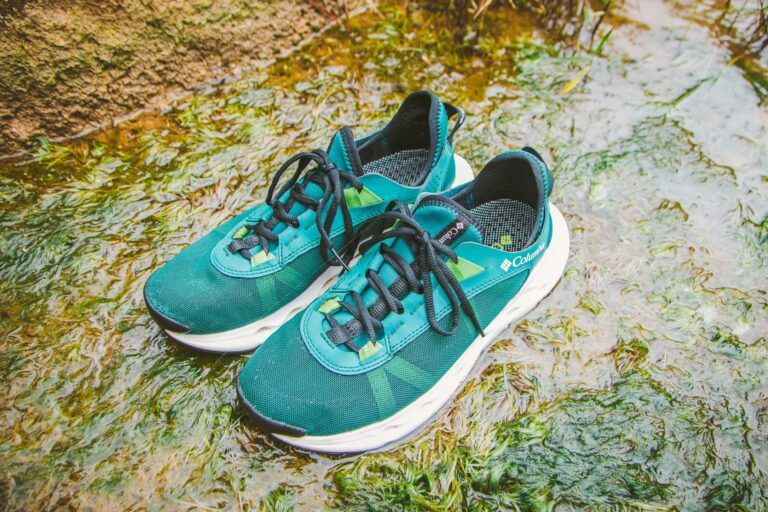
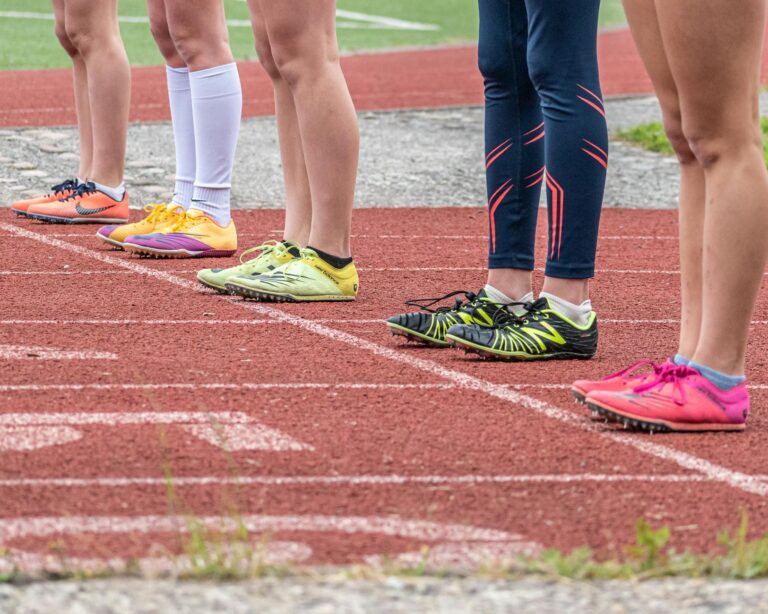
The best long-distance running shoes for beginners prioritize cushioning, stability, and durability over lightweight racing performance. For most new runners covering distances of five miles or more, shoes like the Brooks Ghost, ASICS Gel-Nimbus, or New Balance Fresh Foam 1080 provide the protective features needed to build mileage safely without breaking down your body or your budget. These shoes typically feature moderate heel-to-toe drops between 8-12mm, substantial midsole cushioning, and reinforced outsoles that can handle 400-500 miles before needing replacement. A runner who recently completed their first half marathon on Brooks Ghost 15s, for example, reported zero knee or hip issues despite jumping from 15 miles per week to 30 miles per week over four months.
The generous cushioning absorbed much of the repetitive impact that causes overuse injuries in undertrained legs. This matters because beginners lack the muscular conditioning and biomechanical efficiency that experienced runners develop over years of training. This article covers how to identify the right shoe category for your foot type, what features matter most for distance running, common fitting mistakes that lead to injury, and how to transition between shoes as your running develops. We also address when expensive maximalist shoes help versus when they become unnecessary crutches that prevent natural foot strengthening.
Table of Contents
- What Makes Running Shoes Best for Long-Distance Beginners?
- Understanding Cushioning and Support in Beginner Running Shoes
- How Shoe Rotation Improves Long-Distance Training Results
- Finding the Right Fit for Distance Running Shoes
- Common Mistakes Beginners Make When Choosing Distance Running Shoes
- Breaking In New Running Shoes the Right Way
- How to Prepare
- How to Apply This
- Expert Tips
- Conclusion
- Frequently Asked Questions
What Makes Running Shoes Best for Long-Distance Beginners?
Long-distance running shoes designed for beginners differ from racing flats and minimalist shoes in three fundamental ways: midsole density, heel drop, and overall weight distribution. Beginner-appropriate shoes use softer foam compounds like EVA blends, Nike ZoomX, or Saucony PWRRUN that absorb 30-40 percent more impact force than the firm, responsive foams found in elite racing shoes. This cushioning becomes critical after mile three or four, when fatigue sets in and running form deteriorates. The heel drop””the height difference between the heel and forefoot””typically ranges from 8-12mm in beginner distance shoes compared to 0-6mm in minimalist or racing options.
This elevated heel reduces strain on the Achilles tendon and calf muscles, which lack the conditioning to handle thousands of foot strikes in a flatter shoe. A 2019 study in the Journal of Sports Sciences found that runners transitioning too quickly to low-drop shoes experienced calf strain rates three times higher than those in traditional drop shoes. Weight matters less than marketing suggests for beginners. A shoe weighing 10.5 ounces versus 9 ounces adds roughly 30 seconds to a marathon time””negligible for someone focused on finishing rather than competing. However, heavier shoes often indicate more cushioning and support, which directly correlates with injury prevention during the high-mileage buildup phase of training.

Understanding Cushioning and Support in Beginner Running Shoes
Cushioning systems fall into three categories: traditional foam, maximalist foam stacks, and hybrid plate-and-foam combinations. For beginners, traditional foam shoes with 25-32mm of stack height provide adequate protection without creating instability. Maximalist shoes like the Hoka Bondi or New Balance More v4 stack 35-40mm of foam underfoot, which some runners find unstable on uneven surfaces or during faster efforts. The distinction between cushioning and support confuses many new runners. Cushioning refers to shock absorption during the landing phase, while support describes how the shoe controls foot motion through the gait cycle.
neutral shoes allow natural foot movement and suit runners with normal arches and efficient biomechanics. Stability shoes add medial posts or guide rails to limit inward rolling (overpronation), benefiting runners with flat feet or knock-kneed alignment. However, if you have high arches and supinate (roll outward), stability shoes will worsen your mechanics and potentially cause lateral ankle stress. The standard advice to wet your foot and examine your footprint works as a rough guide””flat, complete footprints suggest overpronation, while footprints showing only heel and forefoot with a thin connecting band suggest supination. When in doubt, visit a specialty running store with gait analysis capabilities rather than guessing based on internet descriptions.
How Shoe Rotation Improves Long-Distance Training Results
Rotating between two or three pairs of running shoes reduces injury rates by approximately 39 percent according to research published in the Scandinavian Journal of Medicine and Science in Sports. The mechanism involves varying the stress patterns applied to muscles, tendons, and joints with each run. Different shoes load tissues differently, preventing the repetitive strain that occurs when identical forces compound over weeks of training. A practical rotation for beginners might include a cushioned daily trainer for easy runs, a lighter tempo shoe for speed work, and a maximally cushioned recovery shoe for post-hard-effort days. This doesn’t require purchasing three expensive pairs immediately.
Starting with one reliable daily trainer, then adding a second shoe after 150-200 miles, allows gradual rotation development as running volume increases. The financial objection to rotation””that it requires buying more shoes””overlooks the economics of longevity. Two pairs rotated equally last longer than two pairs worn sequentially because foam compounds recover their cushioning properties when rested 24-48 hours between runs. Compression testing shows that foam loses up to 40 percent of its shock absorption immediately after a run but regains most of it within two days. Runners who alternate shoes effectively get 20-30 percent more total mileage from their footwear investment.
Finding the Right Fit for Distance Running Shoes
Proper fit for distance running differs from everyday shoe sizing because feet swell during extended efforts. Most runners need shoes a half to full size larger than their casual footwear, with approximately a thumb’s width of space between the longest toe and the front of the shoe. This space prevents black toenails, blisters, and the cramped feeling that develops after hour one of a long run. Width matters as much as length, yet many runners force medium-width feet into narrow shoes or vice versa. Brands vary significantly in their default widths””Nike and Saucony run narrow, Brooks and New Balance run slightly wide, and ASICS falls in the middle.
Running specialty stores can measure both feet and recommend appropriate width options, since feet often differ by a quarter to half size. The fitting appointment should occur in the afternoon or evening when feet have swollen to their largest. Bring the socks you actually run in, typically moisture-wicking synthetic or wool blends rather than cotton. Lace the shoes using runner’s loop techniques that lock the heel while allowing forefoot expansion. Jog on a treadmill or around the store for at least five minutes””initial comfort rarely predicts mile-twenty comfort, but obvious pressure points or slippage will only worsen over distance.
Common Mistakes Beginners Make When Choosing Distance Running Shoes
Buying based on appearance ranks among the most expensive mistakes new runners make. Colorways and celebrity endorsements tell you nothing about how a shoe matches your biomechanics. The Instagram-popular shoe that looks sleek might feature a racing-oriented geometry entirely inappropriate for building base mileage. Conversely, the less photogenic stability shoe in muted colors might perfectly address your overpronation tendency. Replacing shoes based on time rather than mileage leads either to injury from overworn cushioning or wasted money from premature retirement. Most running shoes maintain adequate cushioning for 400-500 miles, regardless of whether that takes three months or eight months to accumulate.
Tracking mileage through apps like Strava or simple spreadsheets prevents both outcomes. Physical signs of wear””compressed midsoles, worn outsole treads, or asymmetric creasing””indicate replacement need independent of mileage totals. Overcorrecting for past injuries often backfires. A runner who experienced IT band syndrome might assume they need maximum stability, when the actual cause was training load errors or hip weakness unrelated to footwear. Shoes cannot fix muscular imbalances or compensate for excessive mileage increases. Attributing injury causation to shoes, then purchasing progressively more corrective models, delays addressing the actual biomechanical or training issues involved.

Breaking In New Running Shoes the Right Way
Modern running shoe construction eliminates the extended break-in periods associated with leather dress shoes or hiking boots. However, a brief adaptation phase helps your body adjust to new geometry without triggering reactive soreness. Start with two or three short runs of three miles or less before attempting any long efforts in new shoes.
A runner who purchased Hoka Mach 5s and immediately ran 12 miles developed metatarsal stress that sidelined her for two weeks. The meta-rocker geometry that accelerates toe-off in Hokas also changed her loading pattern enough to overwork structures adapted to her previous flat shoes. Gradual introduction””running her first few efforts alternating between old and new shoes””would have allowed tissue adaptation without overload.
How to Prepare
- Determine your current weekly mileage and goal mileage for the next three to six months. Shoes appropriate for someone running 10 miles weekly differ from those suited for 30-mile weeks.
- Examine old athletic shoes for wear patterns. Excessive inner heel wear suggests overpronation; outer edge wear indicates supination. Even wear patterns suggest neutral biomechanics.
- Note any previous running injuries, especially those involving knees, shins, or feet. Share this history with fitting specialists who can recommend appropriate support levels.
- Research three to five models in your target category by reading reviews from verified purchasers rather than sponsored content. Look for consistency in feedback rather than outlier opinions.
- Budget for the actual shoe cost plus one quality pair of running socks. Expect to spend between 120 and 180 dollars for current-model cushioned trainers, or 80-100 dollars for previous-generation models on clearance.
How to Apply This
- Visit a specialty running store during non-peak hours when staff have time for thorough fitting consultations. Bring your worn shoes for gait analysis reference and your running socks for accurate sizing.
- Try at least three different models from the category matching your foot type. Run in each pair for five minutes minimum, noting heel lockdown, forefoot room, arch support sensation, and overall stability.
- Purchase the shoe that feels best during dynamic movement, not static standing. Ask about the store’s return policy for shoes worn outdoors””many specialty retailers allow returns within 30-90 days even if you’ve run in the shoes.
- Track your mileage from day one using the shoe’s dedicated profile in your running app. Set a reminder at 350 miles to begin evaluating replacement needs before cushioning degrades to injury-risk levels.
Expert Tips
- Test shoes on the surface you’ll primarily train on. Treadmill runners may prefer softer cushioning than road runners because belt surfaces already provide some shock absorption.
- Do not buy stability shoes without confirmed overpronation from gait analysis. Unnecessary motion control devices alter natural biomechanics and can create problems that didn’t exist before.
- Consider your body weight when selecting cushioning levels. Runners over 180 pounds generally benefit from maximum cushioning options, while lighter runners may find such shoes feel mushy and unresponsive.
- Replace insoles with quality aftermarket options if the stock insoles feel flat or unsupportive. This costs 25-40 dollars but dramatically improves comfort without requiring a full shoe replacement.
- Ignore pace claims from shoe marketing. No shoe “makes you faster” without the underlying fitness to utilize its design features. Train your body first; optimize footwear details later in your development.
Conclusion
Selecting the right long-distance running shoes as a beginner means prioritizing protection and comfort over weight savings and performance features designed for elite runners. Cushioned neutral trainers or appropriate stability shoes in the 120-180 dollar range from established brands provide everything needed to build the aerobic base and musculoskeletal resilience that distance running requires. Getting properly fitted at a specialty store eliminates most selection errors.
Your first priority should be finding a single reliable daily trainer that fits well and feels comfortable beyond mile five. As your weekly mileage increases past 20-25 miles, consider adding a second pair for rotation benefits. Track your mileage diligently and replace shoes before cushioning breakdown causes injury. With appropriate footwear supporting your training, you can focus on the actual work of becoming a runner rather than troubleshooting preventable foot and leg problems.
Frequently Asked Questions
How long does it typically take to see results?
Results vary depending on individual circumstances, but most people begin to see meaningful progress within 4-8 weeks of consistent effort. Patience and persistence are key factors in achieving lasting outcomes.
Is this approach suitable for beginners?
Yes, this approach works well for beginners when implemented gradually. Starting with the fundamentals and building up over time leads to better long-term results than trying to do everything at once.
What are the most common mistakes to avoid?
The most common mistakes include rushing the process, skipping foundational steps, and failing to track progress. Taking a methodical approach and learning from both successes and setbacks leads to better outcomes.
How can I measure my progress effectively?
Set specific, measurable goals at the outset and track relevant metrics regularly. Keep a journal or log to document your journey, and periodically review your progress against your initial objectives.
When should I seek professional help?
Consider consulting a professional if you encounter persistent challenges, need specialized expertise, or want to accelerate your progress. Professional guidance can provide valuable insights and help you avoid costly mistakes.
What resources do you recommend for further learning?
Look for reputable sources in the field, including industry publications, expert blogs, and educational courses. Joining communities of practitioners can also provide valuable peer support and knowledge sharing.