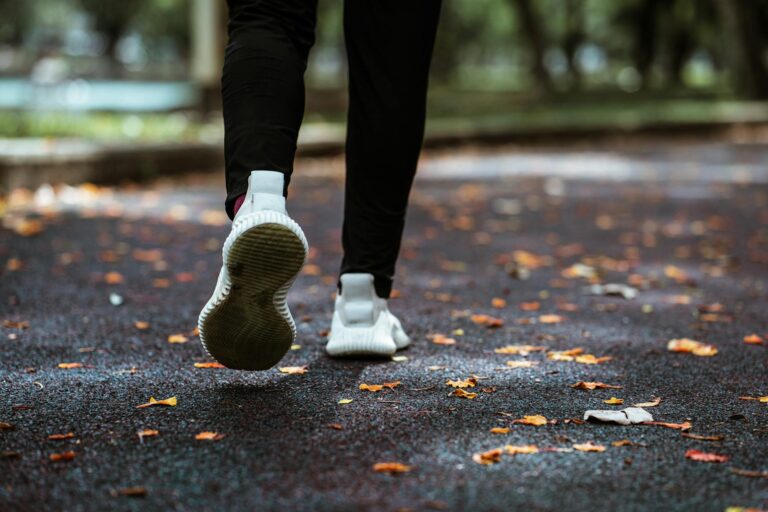
Finding the best cushioned running shoes for long treadmill runs can dramatically transform both your comfort and performance during extended indoor training sessions. Unlike outdoor running, where varied terrain provides natural surface changes, treadmill running subjects your feet and joints to repetitive impact on an unchanging belt surface, often for 45 minutes to several hours at a time. This consistent pounding creates unique demands that require specific cushioning technologies designed to absorb shock, return energy, and maintain their responsiveness mile after mile. The search for proper treadmill footwear addresses several critical concerns that runners face during lengthy indoor sessions.
Overuse injuries such as plantar fasciitis, shin splints, and knee pain often stem from inadequate cushioning during high-mileage training. The monotony of treadmill surfaces means your feet strike at nearly identical angles thousands of times per run, concentrating stress on the same anatomical structures repeatedly. Additionally, many runners report that shoes feeling adequate during shorter runs begin to feel flat and unresponsive after the 45-minute mark, a phenomenon known as cushioning fatigue that quality shoes are engineered to resist. By the end of this article, you will understand what distinguishes excellent treadmill cushioning from standard running shoe foam, how to evaluate cushioning needs based on your body weight and running style, and which specific features to prioritize when selecting footwear for long-distance indoor training. Whether you are training for a marathon on the treadmill during winter months or simply prefer the controlled environment of indoor running, the right cushioned shoe becomes essential equipment rather than optional comfort.
Table of Contents
- Why Do Long Treadmill Runs Require More Cushioning Than Outdoor Running?
- Key Cushioning Technologies in Modern Running Shoes for Treadmill Training
- How Body Weight Affects Cushioned Shoe Selection for Treadmill Runners
- Selecting the Right Stack Height for Long-Distance Treadmill Comfort
- Common Cushioning Problems During Extended Treadmill Sessions and Solutions
- The Role of Heel-to-Toe Drop in Cushioned Treadmill Shoes
- How to Prepare
- How to Apply This
- Expert Tips
- Conclusion
- Frequently Asked Questions
Why Do Long Treadmill Runs Require More Cushioning Than Outdoor Running?
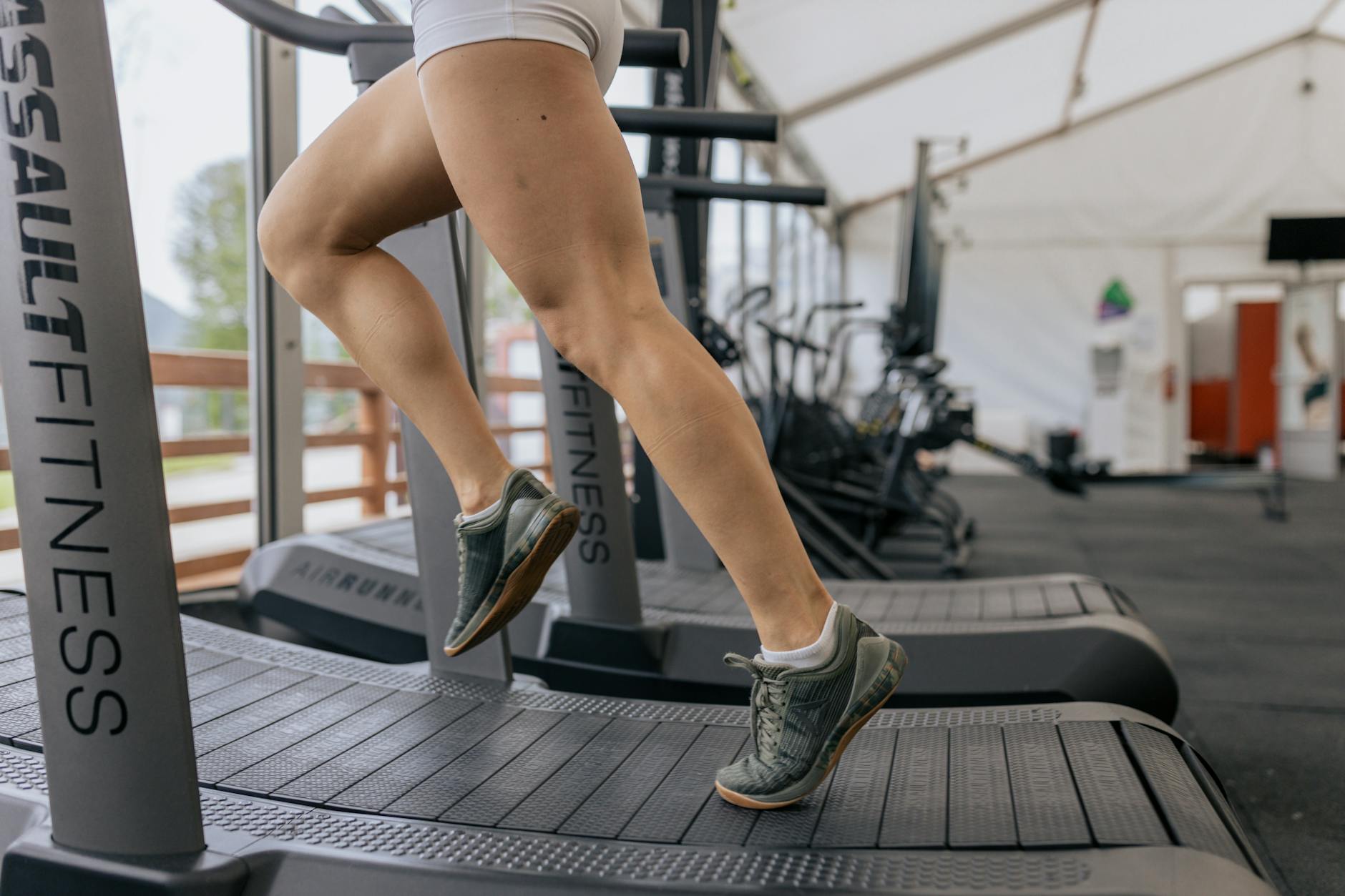
The biomechanics of treadmill running differ substantially from road or trail running in ways that directly affect cushioning requirements. When running outdoors, natural terrain variations force subtle changes in foot strike patterns, engaging different muscle groups and distributing impact across varying contact points. Treadmill belts, despite their slight give, provide a uniform surface that eliminates this natural variation. Research from the Journal of Sports Sciences indicates that treadmill running produces more consistent ground reaction forces, meaning the same structures absorb impact repeatedly without the micro-adjustments that outdoor surfaces naturally encourage.
The duration factor compounds these biomechanical differences significantly. During a 60-minute or longer treadmill session, a runner averaging 170 steps per minute accumulates over 10,000 foot strikes on an identical surface. Each impact generates forces between 1.5 and 3 times body weight, depending on pace and running form. Without adequate cushioning, the cumulative stress on feet, ankles, knees, and hips becomes substantial. Studies published in the British Journal of Sports Medicine have documented higher rates of repetitive stress injuries among runners who log significant treadmill miles in shoes with insufficient shock absorption.
- **Uniform surface impact**: Treadmill belts lack the natural variability of outdoor terrain, concentrating stress on identical anatomical points throughout the entire run
- **Extended duration demands**: Cushioning materials must maintain their shock-absorbing properties for 60, 90, or even 120 minutes without significant degradation
- **Heat accumulation**: Indoor environments and treadmill motor heat can soften certain foam compounds, altering their cushioning characteristics during long sessions
Key Cushioning Technologies in Modern Running Shoes for Treadmill Training
Contemporary running shoe manufacturers have developed sophisticated foam technologies specifically addressing the demands of high-mileage and long-duration running. Understanding these technologies helps runners make informed decisions rather than relying solely on marketing claims. The most significant advancement in recent years has been the shift from traditional EVA foam to nitrogen-infused and PEBA-based compounds that offer superior energy return while maintaining protective cushioning.
Nike’s ZoomX foam, derived from PEBA material, provides approximately 85 percent energy return compared to roughly 60 percent for standard EVA foams. This means more of your expended energy converts back into forward motion rather than dissipating as heat and compression. Similarly, Adidas Boost technology uses thermoplastic polyurethane pellets that maintain consistent cushioning properties across temperature ranges, making it particularly suitable for climate-controlled gym environments. Brooks DNA Loft and ASICS FlyteFoam have also demonstrated excellent durability in cushioning maintenance tests, with independent laboratory testing showing less than 10 percent cushioning loss after 300 miles of use.
- **PEBA-based foams**: Offer the highest energy return rates currently available, typically between 80-90 percent, though they come at premium price points
- **Nitrogen-infused compounds**: Create microscopic air pockets within foam structures that resist compression fatigue during extended runs
- **Dual-density midsoles**: Combine softer foams for impact absorption with firmer materials for stability, addressing both cushioning and support needs simultaneously
How Body Weight Affects Cushioned Shoe Selection for Treadmill Runners
Body weight plays a crucial role in determining optimal cushioning levels, yet this factor receives insufficient attention in many shoe selection discussions. Heavier runners generate proportionally greater impact forces with each stride, requiring more substantial cushioning to achieve equivalent protection. A 200-pound runner striking the treadmill belt produces roughly 600 pounds of force per footstrike at moderate pace, while a 140-pound runner generates approximately 420 pounds under identical conditions. The relationship between weight and cushioning needs extends beyond simple force calculations.
Heavier runners compress foam materials more deeply, potentially bottoming out in shoes designed for lighter individuals. This bottoming out eliminates the protective buffer between foot and running surface, exposing joints to direct impact transmission. Conversely, very lightweight runners may find extremely cushioned shoes feel unstable or mushy, as their reduced impact forces fail to compress foams enough to trigger energy return mechanisms. Most manufacturers design their standard cushioned models for runners weighing between 150-180 pounds, with max-cushioned variants accommodating heavier individuals.
- **Runners over 180 pounds**: Should prioritize max-cushioned models with higher stack heights and denser foam formulations that resist compression
- **Runners between 140-180 pounds**: Find optimal performance in standard cushioned trainers from major manufacturers
- **Runners under 140 pounds**: May prefer moderate cushioning levels that provide responsiveness without excessive foam depth
Selecting the Right Stack Height for Long-Distance Treadmill Comfort
Stack height, measuring the total thickness of material between your foot and the running surface, directly correlates with cushioning capacity in treadmill shoes. Modern maximalist running shoes feature stack heights ranging from 30 to 40 millimeters or more, representing a dramatic departure from the minimalist trends of the early 2010s. For long treadmill runs, higher stack heights generally provide better sustained cushioning, though this benefit must be balanced against stability considerations and individual biomechanical factors.
The optimal stack height varies based on running experience, gait patterns, and personal preference. Newer runners often benefit from moderate stack heights between 28-34 millimeters, which provide substantial cushioning without the learning curve associated with very tall platforms. Experienced runners with efficient form can successfully utilize maximum stack heights exceeding 35 millimeters, accessing additional cushioning without stability compromises. Research from the American College of Sports Medicine suggests that runners adapt to higher stack heights within approximately 50-100 miles of gradual use, with most reporting improved comfort during long sessions after the adaptation period.
- **Low stack (under 28mm)**: Provides ground feel and proprioception but offers limited cushioning for extended treadmill sessions
- **Medium stack (28-34mm)**: Balances cushioning with stability, suitable for most recreational and competitive runners during long indoor runs
- **High stack (35mm and above)**: Delivers maximum cushioning for ultra-distance training and heavier runners requiring enhanced protection
Common Cushioning Problems During Extended Treadmill Sessions and Solutions
Even well-designed cushioned shoes can present challenges during particularly long treadmill runs, and recognizing these issues helps runners address them proactively. Cushioning fatigue represents the most prevalent problem, occurring when foam materials temporarily lose resilience due to repeated compression cycles. Quality shoes resist this fatigue longer than budget options, but all foams experience some performance degradation during runs exceeding 90 minutes. Runners often describe this as the shoe feeling flatter or less springy in the final miles of long sessions.
Heat-related cushioning changes create another challenge unique to treadmill environments. Foam compounds generally become softer as temperatures rise, and the combination of indoor heating, treadmill motor proximity, and friction-generated warmth can elevate shoe temperatures significantly during long runs. This softening may feel pleasant initially but can progress to excessive compression that reduces protective capacity. Some runners address this by positioning fans to blow across the treadmill deck, while others rotate between two pairs of shoes during very long sessions, allowing each pair cooling time.
- **Cushioning fatigue mitigation**: Rotate between multiple pairs of running shoes, never wearing the same pair for consecutive training days, allowing foam compounds to fully recover their original structure
- **Heat management strategies**: Ensure adequate gym ventilation, avoid positioning treadmills near heating vents, and consider mesh-upper shoes that promote airflow
- **Compression set prevention**: Store running shoes in temperature-controlled environments and avoid leaving them in hot vehicles where foam compounds can permanently deform
The Role of Heel-to-Toe Drop in Cushioned Treadmill Shoes
Heel-to-toe drop, measuring the difference in cushioning thickness between heel and forefoot, influences both comfort and running mechanics during treadmill sessions. Traditional running shoes feature drops between 10-12 millimeters, positioning the heel substantially higher than the forefoot. This design accommodates heel-striking running patterns common among recreational runners and provides additional heel cushioning for rear-foot impact absorption. However, the past decade has seen increasing variety in drop options, with many highly cushioned shoes now offering moderate drops between 4-8 millimeters.
Lower drop shoes distribute cushioning more evenly along the foot length, which can reduce stress on specific impact points during long runs. Runners who land with midfoot or forefoot strike patterns often prefer these configurations, as excessive heel elevation serves no protective purpose for their gait style. The key consideration for treadmill runners involves matching drop selection to established running mechanics rather than attempting to change foot strike patterns through shoe design. Forced gait changes frequently cause more problems than they solve, and the consistent surface of treadmill running makes biomechanical consistency particularly important.
How to Prepare
- **Assess your current running patterns**: Track your typical treadmill run duration, weekly mileage, and any discomfort you currently experience. Note whether problems occur early in runs or only emerge after specific time thresholds, as this information guides cushioning level selection.
- **Determine your accurate foot measurements**: Visit a specialty running store for professional fitting or use a Brannock device at home. Measure both feet, as asymmetry is common, and take measurements later in the day when feet have naturally expanded to their running-state size.
- **Research appropriate cushioning technologies**: Based on your body weight and running duration goals, identify foam technologies designed for your use case. Heavier runners and ultra-distance trainers should focus on max-cushioned options with proven durability.
- **Test multiple options during treadmill runs**: Many specialty running stores offer 30-day trial periods. Use this opportunity to actually run on a treadmill rather than just walking around the store, as cushioning characteristics reveal themselves only under actual running conditions.
- **Evaluate cushioning performance at various distances**: Before committing to a shoe for long runs, complete progressively longer sessions to ensure cushioning maintains its characteristics throughout your typical training duration. A shoe feeling excellent at mile three may prove inadequate at mile ten.
How to Apply This
- **Start conservatively with new cushioned shoes**: Begin with shorter treadmill sessions of 20-30 minutes for the first week, gradually extending duration as your feet adapt to the new cushioning characteristics and foam compounds break in properly.
- **Monitor pressure points and hot spots**: Pay attention to any localized discomfort during your initial long runs, as these indicate fit issues that cushioning alone cannot resolve. Address these promptly before they develop into blisters or chronic irritation.
- **Establish a shoe rotation system**: Alternate between at least two pairs of cushioned running shoes, never wearing the same pair on consecutive days. This practice extends shoe lifespan and ensures foam compounds fully recover between sessions.
- **Track cumulative mileage on each pair**: Log the miles accumulated on each shoe, replacing them when they reach their effective lifespan, typically between 300-500 miles depending on construction quality, your body weight, and running surfaces.
Expert Tips
- **Replace shoes based on feel, not appearance**: Cushioning degradation occurs internally before any visible wear appears. If your long runs have started feeling harder on your joints despite no visible shoe damage, the foam has likely lost significant protective capacity.
- **Consider separate shoes for treadmill and outdoor running**: The different demands of each surface mean that having dedicated treadmill shoes allows you to optimize for that specific environment while preserving outdoor shoes for varied terrain conditions.
- **Test cushioning temperature sensitivity**: Some foam compounds perform differently across temperature ranges. If your gym tends toward warmth, consider shoes with temperature-stable cushioning technologies to ensure consistent performance throughout long sessions.
- **Match your socks to your cushioning goals**: Thick cushioned socks paired with maximum cushioning shoes can create excessive softness that reduces running efficiency, while thin socks with moderate cushioning might provide an ideal balance of protection and responsiveness.
- **Document your shoe performance over time**: Keep notes on how cushioning feels at different mileage points with each pair. This personal data proves invaluable when selecting replacement shoes and identifying which technologies work best for your specific needs.
Conclusion
Selecting the best cushioned running shoes for long treadmill runs involves understanding how indoor running mechanics differ from outdoor conditions, matching cushioning technology to your body weight and training duration, and evaluating performance over extended sessions rather than brief store visits. The investment in proper footwear pays dividends through reduced injury risk, improved comfort during high-mileage training blocks, and the confidence to pursue ambitious distance goals without worrying about cumulative joint stress.
The right cushioned treadmill shoe should feel supportive and responsive from the first mile through the last, maintaining its protective characteristics throughout your longest training sessions. Take time to properly test options, establish a rotation system that preserves cushioning longevity, and replace shoes based on performance degradation rather than arbitrary timelines. Your feet, knees, and overall running longevity depend on this foundation, making thoughtful shoe selection one of the most impactful decisions in your training program.
Frequently Asked Questions
How long does it typically take to see results?
Results vary depending on individual circumstances, but most people begin to see meaningful progress within 4-8 weeks of consistent effort. Patience and persistence are key factors in achieving lasting outcomes.
Is this approach suitable for beginners?
Yes, this approach works well for beginners when implemented gradually. Starting with the fundamentals and building up over time leads to better long-term results than trying to do everything at once.
What are the most common mistakes to avoid?
The most common mistakes include rushing the process, skipping foundational steps, and failing to track progress. Taking a methodical approach and learning from both successes and setbacks leads to better outcomes.
How can I measure my progress effectively?
Set specific, measurable goals at the outset and track relevant metrics regularly. Keep a journal or log to document your journey, and periodically review your progress against your initial objectives.
When should I seek professional help?
Consider consulting a professional if you encounter persistent challenges, need specialized expertise, or want to accelerate your progress. Professional guidance can provide valuable insights and help you avoid costly mistakes.
What resources do you recommend for further learning?
Look for reputable sources in the field, including industry publications, expert blogs, and educational courses. Joining communities of practitioners can also provide valuable peer support and knowledge sharing.