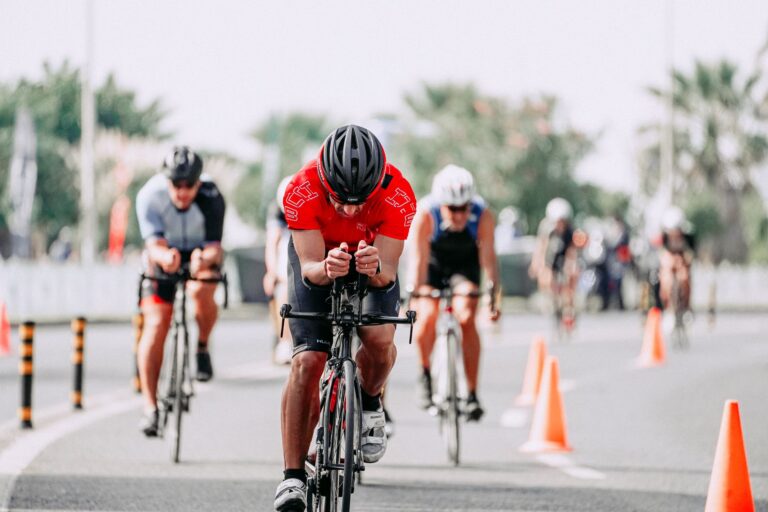
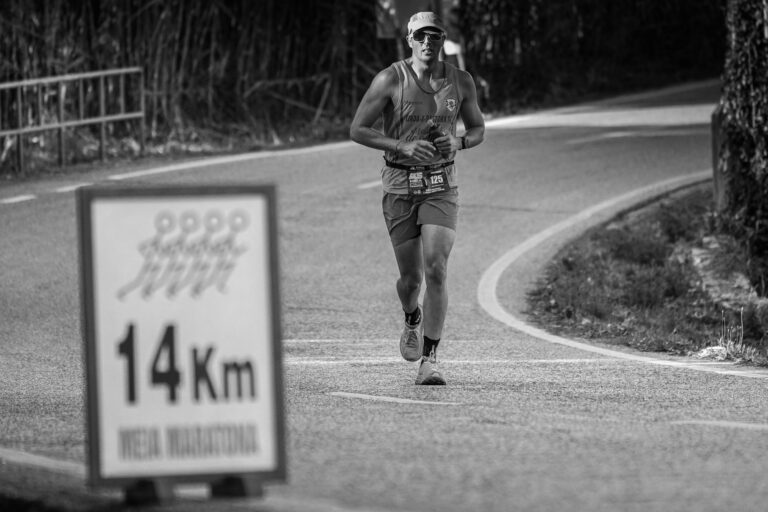
Before an easy run, the best thing to eat is a small, carbohydrate-rich snack about 30 to 90 minutes beforehand — think a banana, a piece of toast with a thin spread of peanut butter, or a handful of pretzels. The goal is not to fuel up like you would for a long run or a race. Easy runs typically last 30 to 45 minutes at a conversational pace, so your body already has enough stored glycogen to handle the effort. What you eat beforehand is really about comfort: preventing hunger pangs, avoiding stomach distress, and giving yourself a small energy nudge without weighing yourself down. A runner heading out for a relaxed four-mile loop after work, for example, does not need a bowl of pasta.
A simple 100- to 200-calorie snack will do the job. That said, the specifics depend on timing. If you ate a full meal two to three hours ago, you may not need anything at all before lacing up. If you are running first thing in the morning on an empty stomach, a small bite can make the difference between a comfortable jog and one where you fade in the last mile. This article breaks down the best pre-run food choices for easy efforts, how timing changes everything, what to avoid, and how to figure out what works for your own stomach through simple trial and error.
Table of Contents
- What Should You Eat Before an Easy Run to Avoid Stomach Issues?
- How Timing Affects Your Pre-Run Meal Choices
- The Best Specific Foods for Easy Run Fueling
- Pre-Run Snacks Compared — Quick Options Ranked by Digestibility
- Common Fueling Mistakes That Derail Easy Runs
- Hydration and Its Role Alongside Pre-Run Eating
- Learning What Works for You Through Experimentation
- Conclusion
- Frequently Asked Questions
What Should You Eat Before an Easy Run to Avoid Stomach Issues?
The cardinal rule of pre-run eating for easy efforts is to keep it simple and low in fiber, fat, and protein. Those three macronutrients slow digestion, and slow digestion during a run — even an easy one — is a recipe for cramping, bloating, or worse. Carbohydrates that break down quickly are your best bet. A plain white bagel, a few dates, a rice cake, or a small serving of applesauce all fit the bill. Compare that to a handful of almonds or a protein bar: both are fine foods in general, but their higher fat and protein content means they sit in your stomach longer and are more likely to cause discomfort when your body is bouncing along at even a gentle pace. One common mistake is confusing “healthy eating” with “good pre-run eating.” A salad loaded with raw vegetables, chickpeas, and tahini dressing is nutritious by any standard, but it is one of the worst things you could eat 30 minutes before heading out the door. The fiber alone can trigger gastrointestinal distress mid-run.
For easy runs, think of your pre-run snack as functional, not aspirational. It does not need to check every nutritional box. It just needs to give you a little energy without starting a war in your gut. If you have a sensitive stomach, err on the side of eating less rather than more. Many experienced runners find that for efforts under 45 minutes, they actually perform and feel best with just a few sips of water and nothing else. There is no rule that says you must eat before every run. The snack is a tool, not a requirement.
How Timing Affects Your Pre-Run Meal Choices
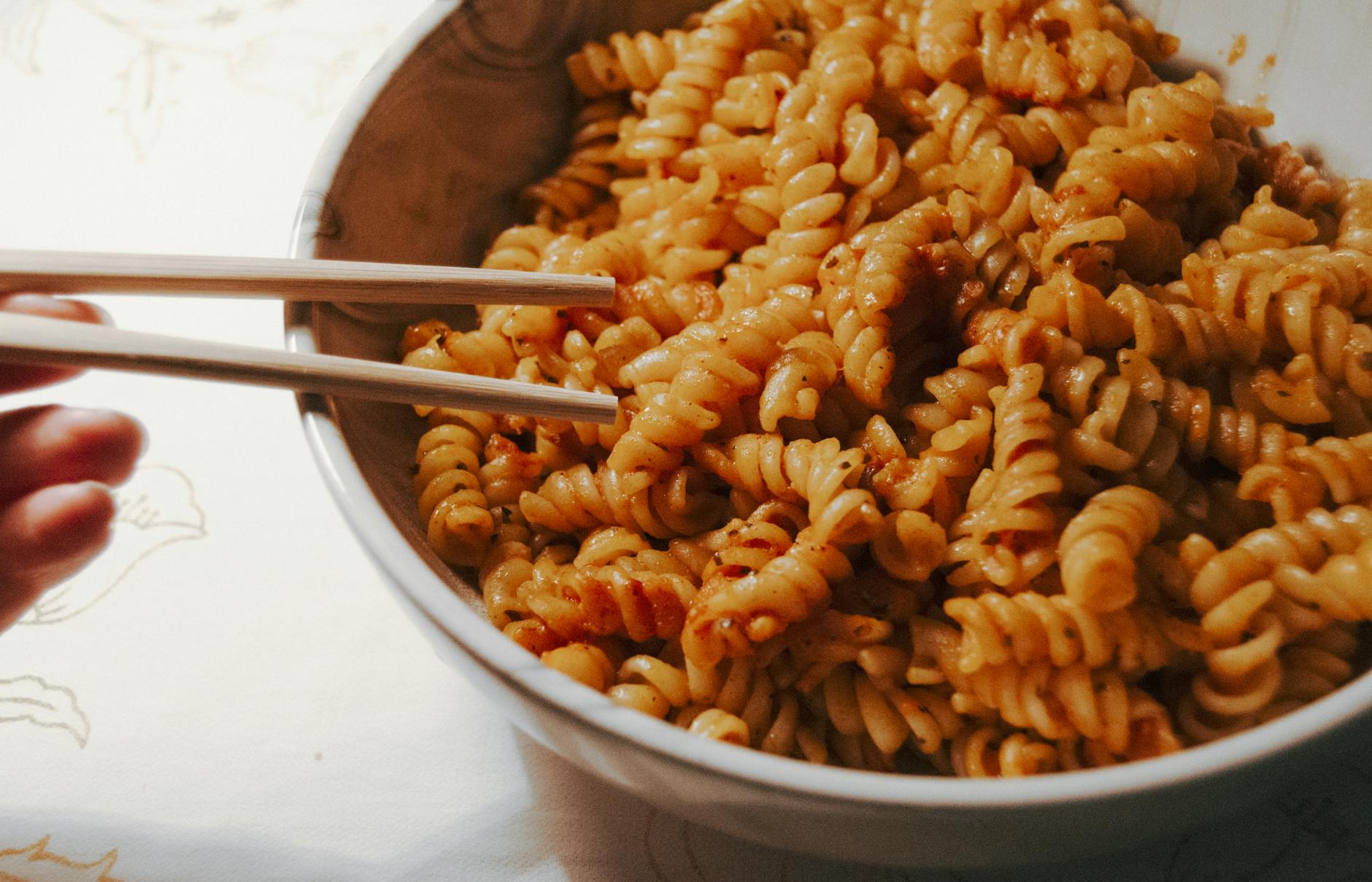
The window between eating and running matters more than most people realize. If you have a full two to three hours before your easy run, you can get away with a larger, more balanced meal — a sandwich, a bowl of oatmeal with fruit, or eggs on toast. Your body has enough time to digest most of that food before you start moving. But if you only have 20 to 30 minutes, your options narrow considerably. At that point, you want something that is almost entirely simple carbohydrates and very small in volume. Half a banana or a few swigs of a sports drink will suffice. However, if you are someone who runs at five in the morning and cannot stomach food that early, do not force it.
For an easy run of 30 to 40 minutes, your overnight glycogen stores are more than adequate. Research published in the British Journal of Sports Medicine has shown that low-intensity exercise can be sustained on existing glycogen reserves without meaningful performance decrements. The caveat is that this changes dramatically for harder or longer efforts. If your easy run stretches past an hour or if you did a hard workout the day before and your glycogen is partially depleted, running on empty may leave you feeling sluggish by the second half. The real danger zone is eating a large meal and then trying to run within an hour. Blood flow diverts to your digestive system after eating, and asking your muscles to compete for that blood supply during a run — even an easy one — commonly results in side stitches, nausea, or the urgent need to find a bathroom. Give your body time, or keep the pre-run intake minimal.
The Best Specific Foods for Easy Run Fueling
Bananas are the most popular pre-run snack among recreational runners for good reason. They are mostly fast-digesting carbohydrates, contain a moderate amount of potassium, are easy to carry, and rarely cause stomach problems. A medium banana has roughly 27 grams of carbohydrates and about 105 calories — nearly the perfect pre-easy-run portion. If you run in the morning, a banana with a glass of water 20 minutes before heading out is one of the most reliable combinations you can try. White bread or toast is another strong option, particularly if you add a very thin layer of jam or honey. The refined carbohydrates digest quickly, and the small amount of sugar from the jam provides a bit of readily available glucose.
Rice cakes, graham crackers, and dry cereal like Cheerios or Rice Chex also work well. For runners who prefer something liquid, a small glass of orange juice or a few ounces of a carbohydrate drink can provide energy without the mechanical burden of solid food bouncing around in your stomach. One specific example worth noting: elite Kenyan runners famously drink sweet tea with milk and eat white bread before their morning runs. While their training intensities vary, the principle is the same — simple carbohydrates, minimal fiber, easy on the stomach. You do not need specialty running nutrition products for an easy day. The basics work.
Pre-Run Snacks Compared — Quick Options Ranked by Digestibility
Not all convenient snacks are equally suited for pre-run eating, and the tradeoffs are worth understanding. A granola bar, for instance, seems like an obvious choice, but many commercial granola bars contain 8 to 12 grams of fat and several grams of fiber from nuts and oats. Compare that to a plain rice cake with honey, which has almost no fat or fiber and digests in a fraction of the time. The granola bar might be the better overall snack for your desk at work, but the rice cake wins before a run. Energy gels and chews, products like Gu or Clif Bloks, are another option, though they are somewhat overkill for an easy run. They are designed for mid-run fueling during long or intense efforts, and they cost considerably more per serving than a banana or a piece of toast.
There is nothing wrong with using them if you have some on hand, but buying them specifically for easy runs is an unnecessary expense. The performance difference between a gel and a banana before a 35-minute jog is essentially zero. The tradeoff to keep in mind is satisfaction versus speed of digestion. A plain piece of white bread digests faster than a piece of whole grain bread, but it also leaves you feeling less satiated. For an easy run, speed of digestion should win every time. You can eat a more satisfying, nutrient-dense meal after you finish.
Common Fueling Mistakes That Derail Easy Runs
The most frequent mistake is overeating before an easy run. Because the effort feels low, some runners assume their stomachs can handle more food. In reality, the jostling motion of running affects digestion regardless of pace. Eating a 500-calorie meal 45 minutes before any run is asking for trouble, and the fact that you are running easy does not grant your GI tract special immunity. Keep pre-run snacks in the 100- to 250-calorie range unless you have a two-plus-hour digestion window. Another common error is relying too heavily on caffeine as a substitute for actual fuel.
A cup of coffee before a run can sharpen your alertness and may mildly improve performance, but on an empty stomach it can also increase acid production and lead to nausea or an urgent bathroom stop. If you are a coffee-before-running person, pair it with at least a small piece of toast or a few crackers. The combination tends to sit far better than coffee alone. A subtler mistake involves dairy. A glass of milk or a yogurt parfait might sound like a reasonable pre-run option, but lactose can be difficult to digest quickly, and dairy’s combination of protein, fat, and sugar slows gastric emptying. Some runners tolerate dairy fine, but if you have ever felt a sloshing, heavy sensation during a run, dairy before running may be the culprit you have not considered.
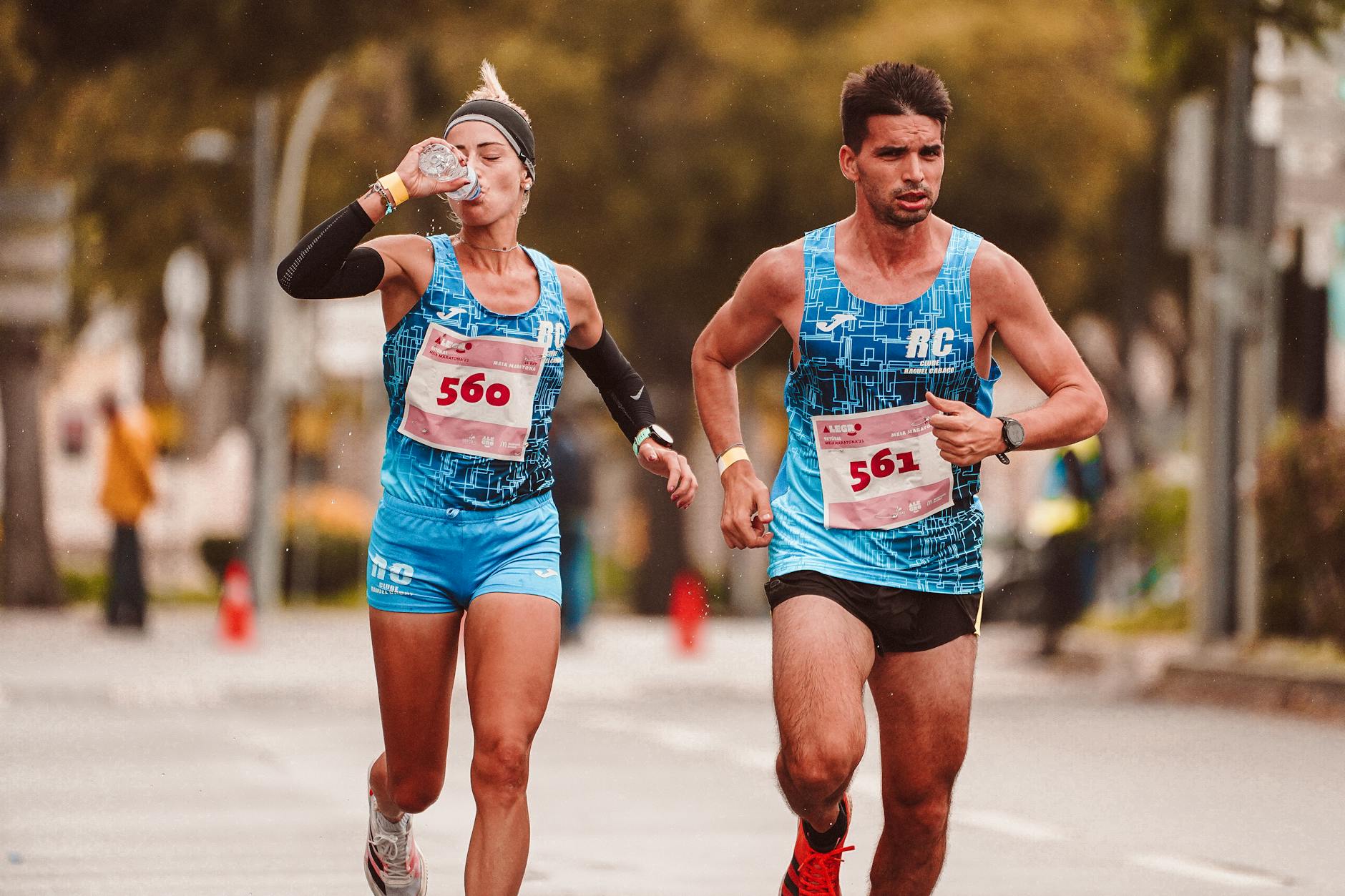
Hydration and Its Role Alongside Pre-Run Eating
What you drink before an easy run matters just as much as what you eat, and the two interact. Drinking 8 to 16 ounces of water in the 30 minutes before you head out is a reasonable baseline for most conditions. In hot or humid weather, you may want to increase that slightly, but avoid chugging a large volume right before you start — that leads to the same sloshing discomfort that overeating causes.
A practical approach used by many coaches is to sip water steadily in the hour leading up to the run rather than downing a full glass at the last minute. For easy runs under an hour, plain water is sufficient. You do not need electrolyte drinks or sports beverages unless you are running in extreme heat or you are a particularly heavy sweater. If you are combining a small snack with hydration, something like half a banana and 10 ounces of water is a clean, efficient combination that works for the vast majority of runners across fitness levels.
Learning What Works for You Through Experimentation
No article can tell you exactly what your stomach will tolerate, because individual variation in digestion and food sensitivity is enormous. What works perfectly for one runner may be a disaster for another. The best approach is to treat your easy runs as a low-stakes testing ground. Try a different pre-run snack each week, note how you felt during the run, and over the course of a month or two you will have a clear picture of your personal best options.
Keep a simple log — even a note on your phone — recording what you ate, when you ate it, and how your stomach and energy felt during the run. This kind of data is far more valuable than any generic recommendation, because it reflects your body, your schedule, and your preferences. Once you find two or three reliable options, rotate between them and stop overthinking it. Pre-run nutrition for easy days should be simple and settled, not a source of daily decision fatigue.
Conclusion
Eating before an easy run does not require complicated planning or specialized products. A small, carbohydrate-focused snack 30 to 90 minutes before you head out — a banana, a piece of toast, a rice cake with honey — is enough to keep your stomach happy and your energy steady for a low-intensity effort. The key principles are to keep it simple, keep it small, prioritize fast-digesting carbs, and give yourself adequate time between eating and running.
If there is one takeaway worth remembering, it is that easy runs are forgiving. Your body has the stored fuel to handle them without heroic nutritional preparation. Use these lighter days to experiment with timing and food choices so that when race day or a hard long run arrives, you already know exactly what your stomach can handle. The best pre-run nutrition strategy is the one you have already tested and trust.
Frequently Asked Questions
Can I run on an empty stomach for an easy run?
Yes, for most people an easy run of 30 to 45 minutes can be done fasted without any performance issues. Your glycogen stores are sufficient for low-intensity efforts. However, if you feel lightheaded or unusually fatigued, a small snack beforehand is worth adding.
How long before an easy run should I eat?
For a small snack of 100 to 200 calories, 20 to 30 minutes is usually enough. For a larger meal of 400-plus calories, give yourself at least two to three hours. The more you eat, the more time you need.
Is it bad to eat a protein bar before running?
It is not harmful, but protein bars are not ideal pre-run food. Their higher protein and fat content slows digestion and increases the chance of stomach discomfort. Save the protein bar for after your run when your body needs it for recovery.
What if I get side stitches after eating before a run?
Side stitches are commonly linked to eating too much or too close to your run. Try reducing portion size, increasing the gap between eating and running, or switching to a liquid carbohydrate source like diluted juice. Breathing deeply and evenly during the first mile can also help.
Should I eat differently before an easy run versus a hard workout?
The main difference is quantity, not type. Before a hard workout or long run, you may want a slightly larger snack or a full meal with more lead time. Before an easy run, keep it minimal. The food choices themselves — simple carbohydrates, low fiber, low fat — remain the same.