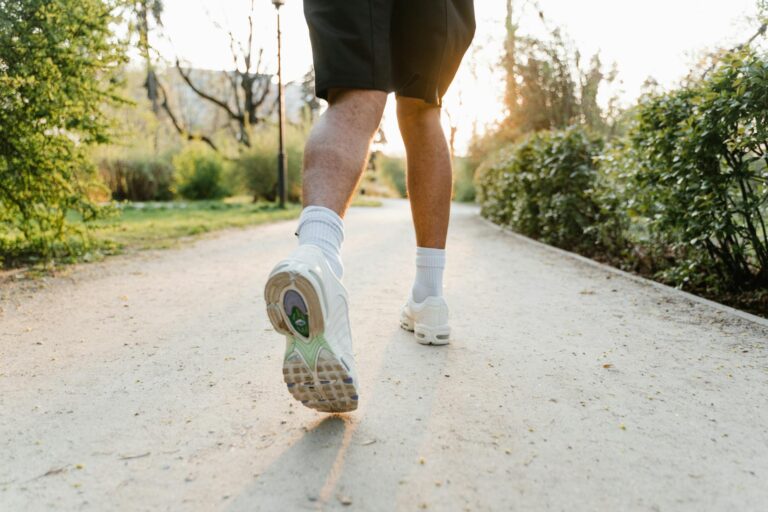
The best waterproof running shoes for spring showers combine a Gore-Tex or proprietary membrane lining with a grippy outsole and a fit that does not sacrifice breathability for dryness. Models like the Nike Pegasus Trail 4 Gore-Tex, Brooks Ghost 16 GTX, and Saucony Peregrine 14 GTX consistently deliver reliable wet-weather protection without turning your feet into sweat-soaked bricks after mile three. If you have been slogging through April puddles in standard mesh trainers and arriving home with socks that weigh more than your shorts, a dedicated waterproof shoe is the single gear upgrade most likely to keep you running through the season instead of retreating to the treadmill.
That said, waterproof does not mean invincible. Every membrane-based shoe involves a tradeoff between keeping water out and letting moisture vapor escape, and understanding that tradeoff is what separates a smart purchase from a frustrating one. This article covers how waterproof running shoe technology actually works, what to look for in a spring-specific shoe versus a winter or trail shoe, the real limitations of waterproof membranes, how to maintain them, and when you might be better off skipping waterproofing altogether and going with a quick-drying shoe instead.
Table of Contents
- What Makes a Running Shoe Truly Waterproof for Spring Showers?
- Breathability vs. Waterproofing — The Tradeoff Every Runner Should Understand
- Trail vs. Road — Choosing the Right Waterproof Shoe for Your Spring Routes
- How to Size and Fit Waterproof Running Shoes Without Regret
- When Waterproof Shoes Fail — Common Problems and Honest Limitations
- Waterproof Shoes and Gaiters — A Combination Worth Considering
- The Future of Waterproof Running Shoe Technology
- Conclusion
- Frequently Asked Questions
What Makes a Running Shoe Truly Waterproof for Spring Showers?
A running shoe earns the waterproof label almost exclusively through a membrane layer sandwiched between the outer upper material and the interior lining. Gore-Tex is the most recognized brand, but several manufacturers use proprietary alternatives — Salomon’s ClimaSalomon Waterproof, Hoka’s variations, and On Running’s newer membrane systems all aim for the same result. These membranes contain microscopic pores that are small enough to block liquid water droplets but large enough to allow water vapor molecules to pass through. In theory, rain stays out while sweat escapes. In practice, no membrane achieves perfect breathability under running conditions, which is why construction details matter as much as the membrane itself. For spring running specifically, you want a shoe designed for temperatures roughly between 40 and 65 degrees Fahrenheit and for precipitation that ranges from steady drizzle to moderate downpours.
Compare this with winter waterproof shoes, which tend to add insulation and heavier uppers that would leave you overheating on a 55-degree April morning. The Brooks Ghost 16 GTX is a good example of a shoe that hits the spring sweet spot: it uses a Gore-Tex Invisible Fit membrane that bonds directly to the upper material rather than sitting as a separate bootie inside, which cuts bulk and improves the feel while still keeping out light to moderate rain. A heavier winter option like the Salomon X Ultra 4 GTX would be overkill for the same conditions and would leave most runners with uncomfortably hot feet by mile five. The outsole is the other half of the equation that buyers tend to overlook. Spring showers mean wet pavement, slick sidewalks, and muddy shoulders. A waterproof upper paired with a hard, slick outsole is a recipe for a wipeout. Look for shoes with deeper lugs or softer rubber compounds — Continental rubber, used on many Adidas Terrex models, is borrowed from tire manufacturing and provides noticeably better grip on wet surfaces than standard blown rubber.

Breathability vs. Waterproofing — The Tradeoff Every Runner Should Understand
Here is the uncomfortable truth that shoe companies gloss over in their marketing: the more waterproof a shoe is, the less breathable it becomes. A standard mesh running shoe might have a breathability rating that allows massive amounts of moisture vapor transmission, while a Gore-Tex lined shoe typically cuts that capacity significantly. For a runner generating substantial body heat and foot sweat during a tempo run, that difference is tangible. Your feet may stay dry from external rain but end up damp from internal perspiration, which can lead to the same blistering and discomfort you were trying to avoid. However, if you are running in temperatures below about 55 degrees or at an easy pace, the breathability penalty is far less noticeable. Slower paces generate less heat, and cooler air creates a larger temperature differential that actually helps the membrane do its job.
This is why waterproof shoes work beautifully for easy spring morning runs and long slow distance days but can feel stifling during speed work or races. If your spring training plan has you doing intervals on rainy Tuesdays, you may honestly be better off in a non-waterproof shoe with good drainage and a quick-drying upper — something like the Nike Pegasus 41 in its standard version, which sheds water weight faster than the GTX version manages to keep it out during high-output efforts. The gusseted tongue is another detail worth checking. Even the best membrane is useless if water pours in over the top of the shoe through the tongue opening. Many waterproof models use a fully gusseted tongue that is sewn to the upper on both sides, creating a sealed entry point. Without this feature, a shoe can be technically waterproof through the upper but still flood when you splash through a deep puddle. The Saucony Peregrine 14 GTX handles this well with a semi-gusseted design, while some budget waterproof options skip it entirely.
Trail vs. Road — Choosing the Right Waterproof Shoe for Your Spring Routes
Most waterproof running shoes were originally designed for trail use, which means the road-running options are thinner than many runners expect. Trail waterproof shoes like the Salomon Speedcross 6 GTX and the Hoka Speedgoat 5 GTX come with aggressive lug patterns that grip beautifully on muddy single track but feel clunky and loud on asphalt. If your spring runs are primarily on roads and sidewalks with occasional puddles, a trail shoe is the wrong tool. Road-oriented waterproof options have expanded in recent years. The Brooks Ghost GTX line, the Asics GT-2000 GTX, and the Nike Pegasus Trail Gore-Tex (which despite its name works on mixed surfaces) all provide waterproof protection with outsoles designed for pavement.
The midsole cushioning in these shoes is comparable to their non-waterproof siblings, so you are not giving up ride quality for weather protection. For a runner whose spring routes follow paved bike paths with a few gravel stretches, the Brooks Ghost 16 GTX is a strong choice because it maintains the smooth, neutral ride the Ghost is known for while adding the membrane layer. If you split time between trail and road, a hybrid approach may work best. The New Balance Fresh Foam Hierro GTX and the Adidas Terrex Free Hiker 2 GTX both handle mixed terrain competently, though neither excels on pure road the way a dedicated road shoe does. The tradeoff is versatility versus optimization, and for casual spring runners who just want one pair that handles everything, a hybrid shoe is often the practical answer even if it is not the performance-maximizing one.

How to Size and Fit Waterproof Running Shoes Without Regret
Waterproof running shoes typically fit a half size smaller than their non-waterproof counterparts in the same model line. The membrane layer adds material thickness inside the shoe, which reduces the interior volume. If you normally wear a size 10 in the Brooks Ghost, try the Ghost GTX in a 10.5 before assuming your usual size will work. This is the single most common mistake buyers make with waterproof shoes, and it leads to a cascade of problems — toe jamming on downhills, black toenails, and blisters from a forefoot that is too compressed to allow natural splay. Width is another consideration that gets magnified with waterproof models. Because the membrane cannot stretch the way standard mesh does, a shoe that felt acceptably snug in its regular version can feel genuinely tight in the GTX version.
Runners with wider feet should actively seek out brands that offer wide options in their waterproof lines. Brooks and New Balance both offer wide and extra-wide sizes in several GTX models, while Nike and Salomon tend to run narrower and rarely produce wide waterproof variants. Trying shoes on in the afternoon or evening, when your feet have swollen to their largest, is standard advice but especially important here because there is less give in the upper to accommodate swelling during a run. The sock choice also shifts when you move to waterproof shoes. Thinner merino wool socks in a medium weight tend to work better than thick cushioned socks because they manage moisture from sweat more effectively within the reduced interior space. A thick sock inside a tight waterproof shoe creates a moisture trap that defeats the purpose of the membrane. Darn Tough and Smartwool both make running-weight merino socks that pair well with GTX shoes for spring conditions.
When Waterproof Shoes Fail — Common Problems and Honest Limitations
The durability of waterproof membranes is finite, and most runners do not realize their shoes have lost waterproof performance until they are standing in a puddle with soaked feet. Gore-Tex membranes rely on a durable water repellent coating on the outer fabric to prevent the upper from saturating. Once the outer fabric saturates — even if the membrane itself is intact — the shoe feels wet from the outside pressure and the breathability drops to nearly zero. This DWR coating degrades with use, abrasion, dirt, and repeated washing. Most waterproof running shoes lose noticeable DWR effectiveness after roughly 200 to 300 miles, well before the midsole cushioning wears out. You can extend the waterproof lifespan by reapplying DWR spray treatments — Nikwax and Grangers both make products specifically for Gore-Tex footwear — but this is maintenance most runners never do. If you are investing in a waterproof shoe specifically for spring showers, budget for a bottle of DWR spray and plan to reapply it every four to six weeks during heavy use.
Without this step, you are essentially running in an expensive shoe that stops being waterproof partway through the season. Another common failure point is the seam tape inside the shoe. Waterproof shoes use heat-sealed tape over interior seams to prevent water from wicking through stitch holes. This tape can delaminate with heat, aggressive drying methods, or simply age. Never put waterproof running shoes in a dryer or on a heat register. Stuff them with newspaper or a shoe dryer insert and let them air dry at room temperature. High heat is the fastest way to destroy both the DWR coating and the seam tape, and once those fail, the membrane alone cannot keep your feet dry.
Waterproof Shoes and Gaiters — A Combination Worth Considering
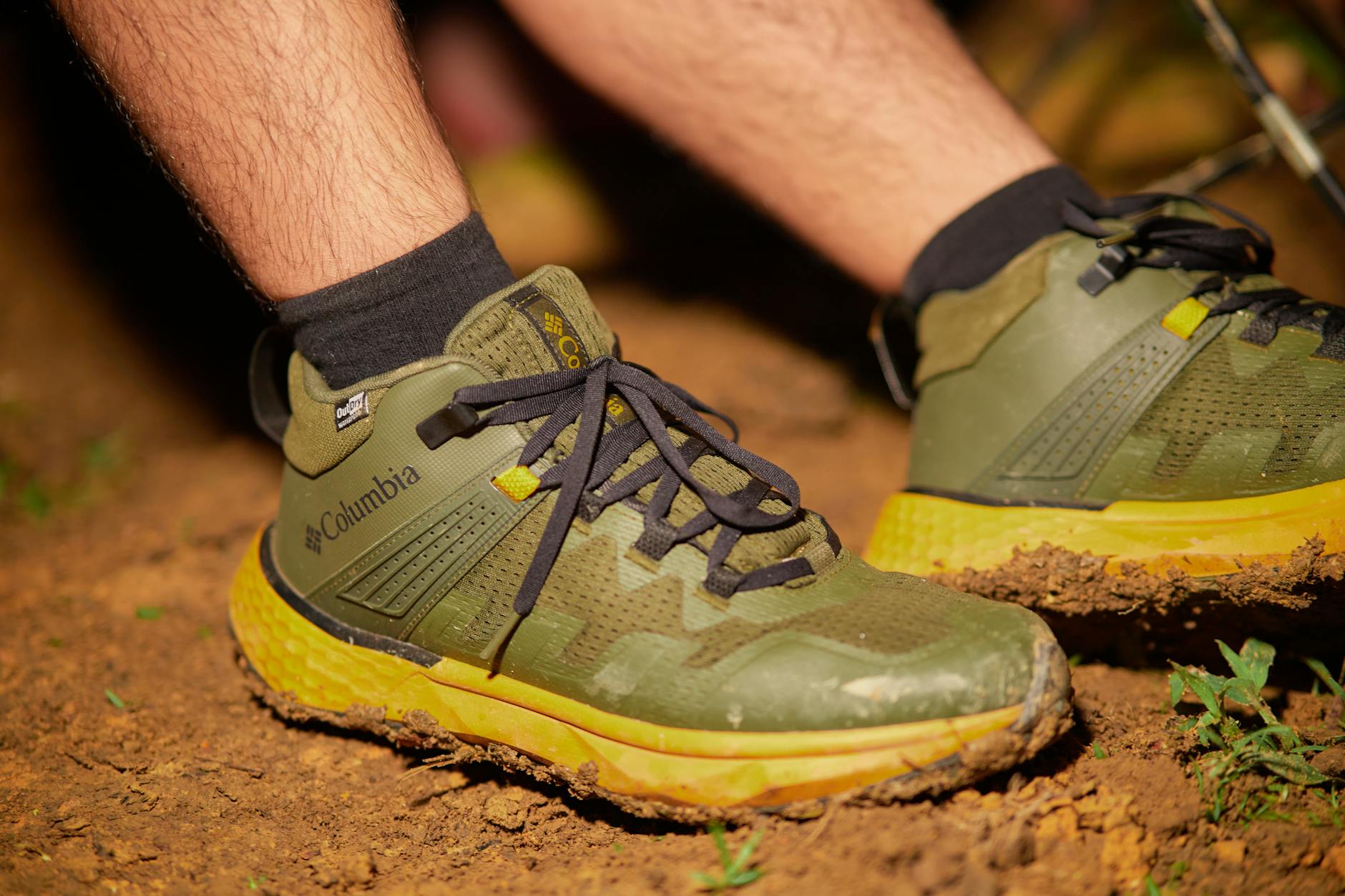
For runners who tackle particularly wet spring trails where mud and standing water are unavoidable, pairing waterproof shoes with low-profile trail gaiters eliminates the last major entry point for water: the ankle collar. Salomon and Outdoor Research both make lightweight gaiters that wrap around the ankle and hook under the shoe, preventing debris and water from entering over the top. This combination is especially effective on courses with stream crossings or deep puddles where even a gusseted tongue cannot keep water out.
The caveat is that gaiters add another layer that reduces airflow around the ankle, which compounds the breathability penalty already present in waterproof shoes. For road running or light rain, gaiters are unnecessary and counterproductive. Reserve them for genuine trail conditions where you would otherwise be emptying your shoes at every creek crossing.
The Future of Waterproof Running Shoe Technology
Shoe manufacturers are actively working to close the breathability gap that has defined waterproof running shoes for decades. Gore-Tex’s SurroundTechnology, which adds ventilation zones through the outsole, is appearing in more running models and represents a genuine improvement in moisture management, though it comes with durability questions about the sole venting. Nike and On Running have both filed patents for membrane alternatives that use electrospun nanofiber layers, which promise better vapor transmission rates than traditional ePTFE membranes while maintaining water resistance.
The more interesting development may be the growing category of water-resistant rather than fully waterproof shoes. These use tightly woven uppers with DWR treatments instead of membranes, offering better breathability with enough rain protection for light to moderate spring showers. The Nike React Infinity Run and several Allbirds models take this approach. For runners who find full Gore-Tex shoes too warm but still want some wet-weather capability, this middle ground may turn out to be the more practical solution for typical spring running conditions.
Conclusion
Waterproof running shoes are a genuine solution for runners who refuse to let spring rain dictate their training schedule, but they work best when you understand their limitations and choose the right shoe for your specific conditions. The key factors are selecting a membrane shoe designed for spring temperatures rather than winter, sizing up a half size from your usual fit, maintaining the DWR coating throughout the season, and being honest about whether your typical runs actually need full waterproofing or just water resistance. Models like the Brooks Ghost 16 GTX for road, the Saucony Peregrine 14 GTX for trail, and hybrid options like the New Balance Hierro GTX cover most runners’ spring needs.
The most important takeaway is that no waterproof shoe is a set-it-and-forget-it purchase. Reapply DWR spray regularly, air dry at room temperature, and replace the shoes when the membrane performance declines — typically around 300 miles or when you first notice dampness seeping through on a rainy run. Pair the right shoe with a thin merino sock and appropriate expectations, and spring showers become just another part of the run rather than a reason to skip it.
Frequently Asked Questions
Can I use waterproof running shoes year-round, or only in spring?
You can, but most runners find them too warm for summer and insufficiently insulated for deep winter. They perform best in the 35 to 60 degree range with rain or wet conditions. In dry summer heat, the breathability penalty makes them uncomfortable for most people.
Do waterproof running shoes weigh more than regular running shoes?
Yes, typically one to three ounces more per shoe depending on the model. The Brooks Ghost 16 GTX weighs about 10.9 ounces compared to 9.4 ounces for the standard Ghost 16. This difference is noticeable over long distances but manageable for most training runs.
What happens if water gets in over the top of a waterproof shoe?
The same membrane that keeps water out also keeps water in. A waterproof shoe that floods through the ankle opening will take significantly longer to drain and dry than a standard mesh shoe. This is why gusseted tongues and proper puddle avoidance matter.
Are waterproof trail shoes necessary for spring trail running?
It depends on your trails. Well-drained single track and gravel paths often dry quickly enough that a fast-draining non-waterproof shoe works fine. Muddy, low-lying trails with standing water and creek crossings are where waterproof shoes earn their premium.
How often should I reapply DWR spray to waterproof running shoes?
Every four to six weeks during regular use in wet conditions, or whenever you notice the outer fabric darkening and holding water instead of beading it off. Wash dirt off the shoes before applying, as grime prevents the DWR from bonding properly.
Can I wash waterproof running shoes in a washing machine?
Most manufacturers advise against it, as the agitation and detergent can damage the membrane and seam tape. Hand wash with lukewarm water and a soft brush, then air dry. If you must machine wash, use a gentle cycle with cold water and no spin, and never follow it with a dryer.