The best running shoes for high weekly mileage combine substantial cushioning, durable outsole rubber, and stable midsole foams that maintain their properties beyond 400 miles. Models like the ASICS Gel-Nimbus, Brooks Glycerin, Saucony Triumph, and New Balance Fresh Foam 1080 consistently perform well for runners logging 50 or more miles per week, offering the resilience needed to absorb repetitive impact without breaking down prematurely. A marathoner training through a 16-week build at 60 miles per week will put roughly 1,000 miles on their primary trainers””choosing a shoe designed for this punishment makes the difference between healthy progression and nagging injuries. What separates high-mileage shoes from race day options or minimalist trainers is their construction philosophy: they prioritize longevity and protection over weight savings and ground feel.
This means accepting a few extra ounces in exchange for foam that rebounds consistently on mile 350 as it did on mile 35. The tradeoff matters because breakdown in cushioning often happens gradually, and runners may not notice degraded protection until an overuse injury appears. This article examines what makes certain shoes hold up to demanding training loads, which foam technologies offer genuine durability advantages, how to recognize when your high-mileage trainers have reached retirement, and what rotation strategies help extend the life of your entire shoe collection. Understanding these factors helps you invest wisely and train consistently.
Table of Contents
- What Makes Running Shoes Durable Enough for High Weekly Mileage?
- High-Mileage Foam Technologies: What Actually Lasts
- Rotation Strategies for Runners Logging Serious Miles
- Weight Versus Durability: Understanding the Tradeoff
- The Role of Running Surface in Shoe Longevity
- How to Prepare
- How to Apply This
- Expert Tips
- Conclusion
- Frequently Asked Questions
What Makes Running Shoes Durable Enough for High Weekly Mileage?
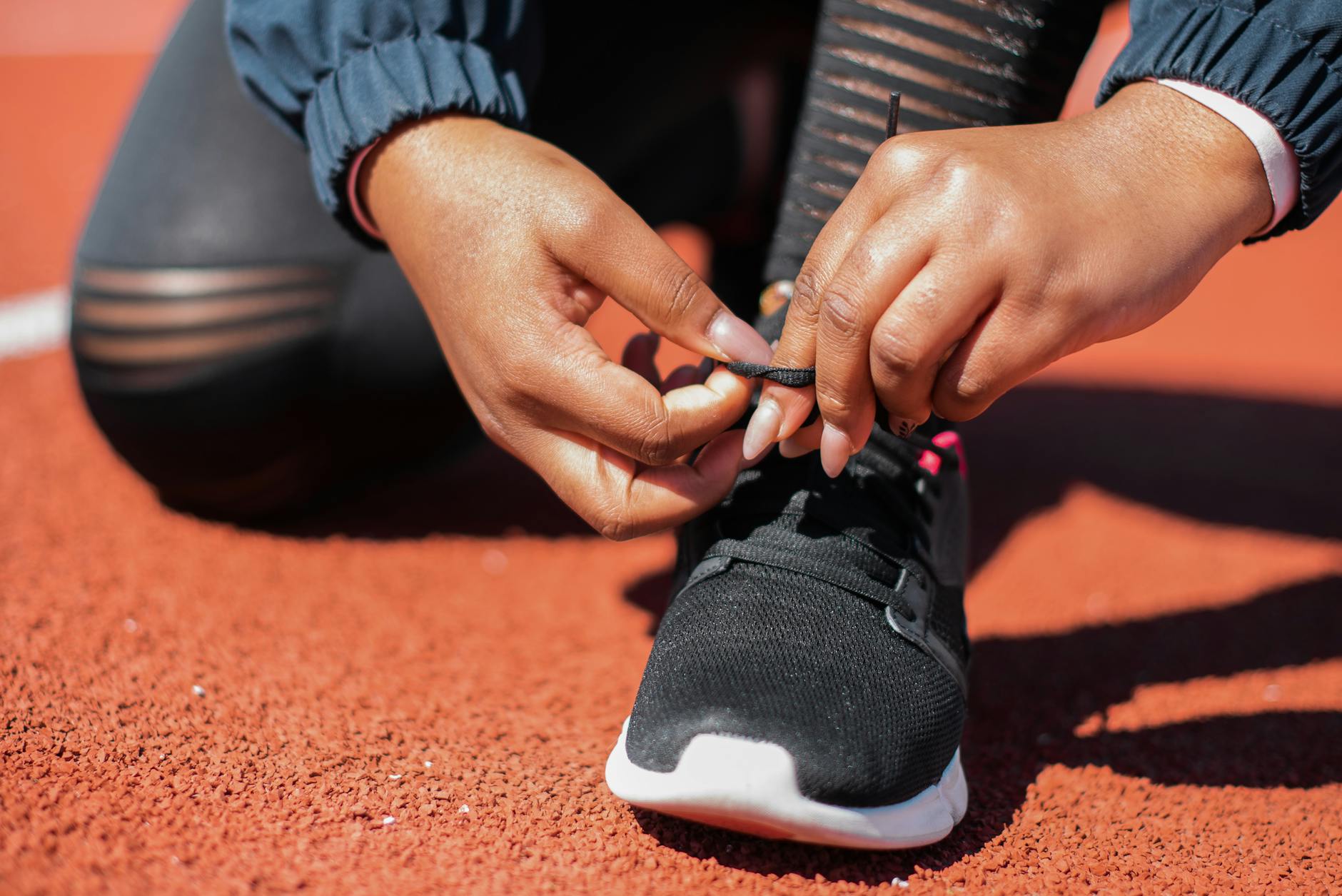
Durability in running shoes comes down to three components: midsole foam density and composition, outsole rubber coverage, and upper construction. The midsole does the heavy lifting, absorbing roughly 2.5 times your body weight with each footstrike. Foams with nitrogen or carbon dioxide infusion””like Nike ZoomX, Saucony PWRRUN PB, or Adidas Lightstrike Pro””feel wonderfully responsive but compress permanently faster than denser EVA-based foams. For high-mileage trainers, manufacturers typically use firmer, more resilient compounds: ASICS FlyteFoam Blast Plus, Brooks DNA Loft, or New Balance Fresh Foam X represent this category. Outsole coverage often gets overlooked during purchase but becomes obvious within 200 miles.
Compare the Brooks Ghost, which uses segmented rubber pods with exposed foam between them, to the Saucony Triumph, which features full rubber coverage across high-wear zones. Both are excellent shoes, but the Triumph’s outsole will show less wear at equivalent mileage, particularly for heel strikers who grind through rubber quickly. The practical implication: runners who prioritize pavement should examine how much rubber actually contacts the ground. Upper durability matters more for runners in wet or variable conditions. Engineered mesh uppers with welded overlays generally outlast knit constructions, though modern knits have improved substantially. ASICS and Brooks tend toward more robust uppers, while Nike and Adidas often favor softer knits that may develop holes around the toe box after extended use.
High-Mileage Foam Technologies: What Actually Lasts
The running shoe industry has introduced numerous foam technologies in recent years, but their durability varies significantly. Traditional EVA foam, while heavier, maintains its cushioning properties longer than most alternatives””budget trainers using simple EVA often hit 500 miles before noticeable degradation. However, EVA lacks the energy return of modern alternatives, which is why premium shoes use enhanced formulations. TPU-based foams like Adidas Boost represented a durability breakthrough when introduced, maintaining resilience far longer than the EVA foams of that era. Boost-equipped shoes commonly reach 600 or more miles before cushioning noticeably degrades.
However, if you run primarily in hot climates, be aware that Boost softens in high temperatures, potentially affecting both performance and long-term durability. PEBA-based super foams (ZoomX, PWRRUN PB, FF Turbo) feel extraordinary but typically show compression set earlier, making them better suited for racing or fast sessions rather than daily training. The best high-mileage shoes often combine foam types: a firmer, durable base layer topped with softer, more responsive foam near the foot. The ASICS Novablast uses this approach, pairing FlyteFoam Blast with a full-length FlyteFoam Blast Plus layer. This construction keeps the shoe comfortable as miles accumulate while preventing the bottoming-out sensation that occurs when single-density foam compresses beyond its working range.
Rotation Strategies for Runners Logging Serious Miles
Running in the same shoe every day accelerates breakdown and may increase injury risk. Research from the Luxembourg Institute of Health found that runners who rotated between multiple shoe models had 39 percent lower injury rates than single-shoe runners. The likely mechanism involves varying the mechanical stresses on your body””different stack heights, heel drops, and cushioning characteristics distribute load across tissues differently. A practical rotation for a 50-mile-per-week runner might include three shoes: a well-cushioned daily trainer for easy runs and long runs, a lighter tempo or uptempo shoe for workouts, and either a recovery shoe with maximum cushioning or a second daily trainer. The daily trainer absorbs the majority of weekly mileage, so investing in durability here makes sense. A runner covering 60 percent of weekly miles in their primary trainer puts roughly 1,500 miles on that shoe annually””far exceeding most models’ effective lifespan without rotation. Allowing 24 to 48 hours between wears in the same shoe helps foam recover its original shape. The EVA and other polymers in midsoles experience temporary compression that partially reverses with rest. This recovery period may extend shoe lifespan by 15 to 20 percent based on wear patterns observed by specialty running stores.
## How to Know When High-Mileage Shoes Need Replacement Visible wear provides one indicator of shoe condition, but midsole breakdown often precedes obvious outsole deterioration. The most reliable signal is a change in how runs feel: increased fatigue, new aches in feet or lower legs, or a sense that the shoe feels flat or dead. These sensations indicate the foam has lost its ability to absorb and return energy effectively. Physical inspection should include checking for asymmetric compression in the midsole. Press your thumb into the foam along the length of the shoe””areas that feel noticeably harder or softer than others suggest uneven breakdown. Examining the heel counter for deformation and checking whether the shoe still sits level on a flat surface also reveals accumulated wear. A shoe that tilts noticeably inward or outward has lost structural integrity. The commonly cited 300-500 mile replacement window serves as a general guideline, but actual lifespan depends heavily on runner weight, running surface, gait efficiency, and shoe construction. A 120-pound runner with smooth mechanics may get 600 miles from shoes that a 190-pound heel-striker wears through in 250 miles. Tracking mileage per shoe””apps like Strava allow you to log footwear””removes guesswork from replacement timing.

Weight Versus Durability: Understanding the Tradeoff
Every running shoe represents a compromise between weight and other properties, and durability often correlates inversely with how light a shoe feels. Race-day super shoes like the Nike Vaporfly or Saucony Endorphin Pro deliver extraordinary energy return at around 200 grams but compress permanently much faster than trainers weighing 280-320 grams. Attempting to use super shoes as daily trainers typically results in premature breakdown and expensive replacement frequency. Comparing two popular options illustrates this tradeoff: the New Balance FuelCell Rebel (232 grams) versus the New Balance Fresh Foam 1080 (303 grams).
The Rebel feels faster and more responsive but uses softer FuelCell foam that compresses more readily; most runners report noticeable degradation by 300 miles. The 1080’s denser Fresh Foam X maintains cushioning characteristics to 450-500 miles, making its higher weight worthwhile for daily training despite feeling less exciting. For runners prioritizing durability, accepting shoes in the 270-310 gram range allows manufacturers to use foam densities and rubber thicknesses that extend lifespan meaningfully. Saving 50 grams matters in a marathon but makes minimal difference on Tuesday’s easy eight-miler””and buying one durable trainer costs less than cycling through multiple lightweight options.
The Role of Running Surface in Shoe Longevity
Where you run affects shoe lifespan as much as how far you run. Concrete degrades outsoles and stresses midsole foam more aggressively than asphalt, which in turn wears shoes faster than packed dirt or rubber tracks. A runner logging most miles on trails will typically get 30-50 percent more life from the same shoe model compared to someone running exclusively on sidewalks.
Runners near beach areas or desert environments should note that sand accelerates upper wear dramatically. Sand particles work into mesh fabric, breaking down fibers through abrasion with every stride. Gaiters or trail shoes with integrated rock plates offer some protection, but sand-heavy routes simply consume shoes faster regardless of construction. Rinsing shoes after sandy runs and allowing complete drying before the next use helps mitigate””though not eliminate””this wear pattern.

How to Prepare
- **Assess your current mileage honestly** and plan increases of no more than 10 percent per week over consistent four-week blocks. Jumping from 30 to 50 weekly miles within a month invites injury regardless of footwear quality.
- **Purchase shoes ahead of the build** rather than waiting until high-mileage phases. Breaking in new trainers during peak volume weeks risks blisters and discomfort that disrupt training continuity.
- **Establish a rotation of at least two pairs** before beginning your mileage increase. Alternating shoes from day one protects both your legs and your investment.
- **Track mileage per shoe** using a running app or simple spreadsheet. Knowing where each pair stands prevents running in degraded shoes during crucial training phases.
- **Budget for replacement shoes** at appropriate intervals””for 50-plus weekly miles, expect to retire primary trainers every 8-12 weeks depending on model durability.
How to Apply This
- **Match shoe selection to your body weight and gait pattern.** Heavier runners and those with pronounced heel strikes benefit from maximum-cushion models with full rubber outsoles; lighter runners with efficient mechanics may tolerate lighter shoes without accelerated breakdown.
- **Prioritize your primary trainer investment.** Allocate more budget to the daily trainer absorbing 60-70 percent of weekly miles, and accept more basic options for specialized workout shoes used less frequently.
- **Replace shoes based on feel and tracked mileage,** not on whether they still look presentable. A worn-out daily trainer with plenty of tread remaining can still cause problems if the midsole has compressed past its functional range.
- **Adjust expectations seasonally.** Winter running in cold, wet conditions accelerates upper breakdown and can stiffen foam, potentially shortening effective shoe life compared to dry-weather training.
Expert Tips
- Rotate between at least two daily trainers rather than wearing the same shoe on consecutive days; foam recovery during rest periods measurably extends total lifespan.
- Do not assume expensive shoes last longer””price often reflects technology and materials that enhance performance, not necessarily durability.
- Store running shoes at room temperature away from direct sunlight; UV exposure and heat degrade foam polymers faster than mileage alone.
- Buy the same model in a second colorway when you find a shoe that works””manufacturers frequently alter construction between model years, and stockpiling a proven option prevents unwanted surprises.
- Consider adding a dedicated recovery shoe with maximum cushioning for post-workout days; Hoka Bondi or ASICS Gel-Kayano lines excel here and reduce wear on primary trainers.
Conclusion
Running shoes capable of handling substantial weekly mileage share common characteristics: durable foam compounds that resist compression, generous outsole rubber coverage, and robust upper construction. Models from ASICS, Brooks, Saucony, and New Balance consistently deliver these properties, making them reliable choices for runners logging 50 or more miles weekly. Understanding that weight typically trades off against durability helps runners make informed decisions about which shoes serve which purpose within a rotation.
Building toward high mileage successfully requires attention to footwear strategy alongside training principles. Tracking shoe mileage, rotating between multiple pairs, and replacing trainers based on performance rather than appearance protects against the gradual degradation that contributes to overuse injuries. The investment in proper high-mileage trainers pays dividends in consistent training and reduced time lost to preventable breakdowns.
Frequently Asked Questions
How long does it typically take to see results?
Results vary depending on individual circumstances, but most people begin to see meaningful progress within 4-8 weeks of consistent effort. Patience and persistence are key factors in achieving lasting outcomes.
Is this approach suitable for beginners?
Yes, this approach works well for beginners when implemented gradually. Starting with the fundamentals and building up over time leads to better long-term results than trying to do everything at once.
What are the most common mistakes to avoid?
The most common mistakes include rushing the process, skipping foundational steps, and failing to track progress. Taking a methodical approach and learning from both successes and setbacks leads to better outcomes.
How can I measure my progress effectively?
Set specific, measurable goals at the outset and track relevant metrics regularly. Keep a journal or log to document your journey, and periodically review your progress against your initial objectives.
When should I seek professional help?
Consider consulting a professional if you encounter persistent challenges, need specialized expertise, or want to accelerate your progress. Professional guidance can provide valuable insights and help you avoid costly mistakes.
What resources do you recommend for further learning?
Look for reputable sources in the field, including industry publications, expert blogs, and educational courses. Joining communities of practitioners can also provide valuable peer support and knowledge sharing.