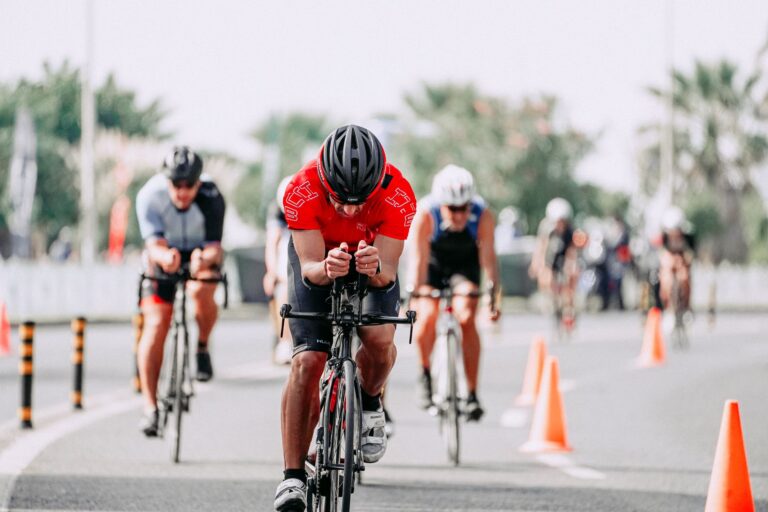
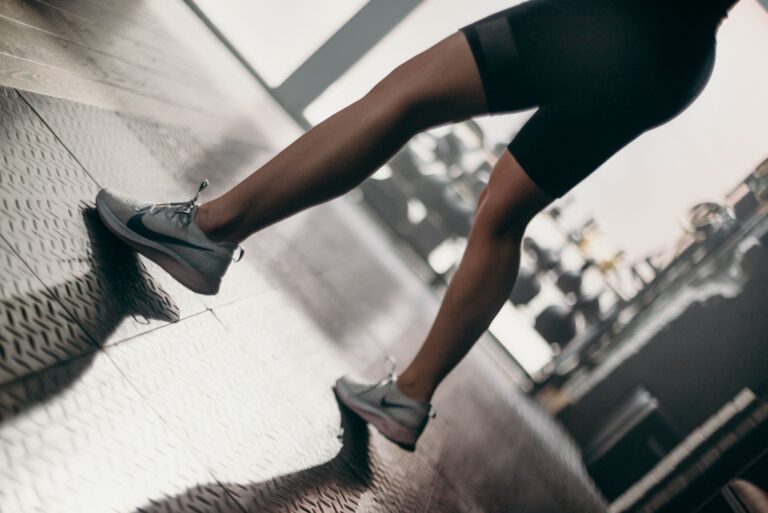
The best daily trainer shoes for 7-10 mile runs combine substantial cushioning, durable midsole foam, and a balanced weight that protects your legs without feeling sluggish. Top choices in this category include the Nike Pegasus 41, Brooks Ghost 16, ASICS Gel-Nimbus 26, New Balance Fresh Foam 1080v14, and Saucony Ride 18″”all designed specifically to handle the repetitive impact of moderate-distance training while remaining responsive enough for varied paces. A runner logging 40-50 weekly miles, for example, would benefit from rotating between two pairs from this list, extending the lifespan of each shoe while giving the midsole foam time to decompress between sessions. These mid-distance runs occupy a demanding middle ground in training.
Unlike short recovery jogs where minimal cushioning suffices, or long runs over 15 miles where maximum protection becomes critical, the 7-10 mile range requires shoes that balance responsiveness with fatigue resistance. This distance typically takes 60-90 minutes for most recreational runners, long enough for cushioning breakdown to become noticeable but short enough that excessive weight becomes a liability. This article examines what makes certain daily trainers excel at this distance, including midsole technology, durability considerations, fit characteristics, and how to match shoe features to your specific running style. We also cover preparation steps for finding your ideal shoe, practical application guidelines, and address common questions about daily trainer selection.
Table of Contents
- What Makes a Daily Trainer Ideal for 7-10 Mile Runs?
- Key Cushioning Technologies That Protect Your Legs Over Distance
- How Shoe Weight Affects Performance and Fatigue in Daily Training
- Durability Considerations: Getting Maximum Mileage from Daily Trainers
- Finding the Right Fit: Width, Heel Lock, and Toe Box Requirements
- When to Retire Your Daily Trainers and Warning Signs to Watch
- How to Prepare
- How to Apply This
- Expert Tips
- Conclusion
- Frequently Asked Questions
What Makes a Daily Trainer Ideal for 7-10 Mile Runs?
Daily trainers designed for moderate distance runs prioritize what engineers call “energy return without bottoming out.” When your foot strikes the ground during mile seven or eight, the midsole foam needs sufficient density to avoid compressing completely, which would transfer impact directly to your joints. Shoes like the Brooks Ghost 16 use DNA LOFT v2 foam that maintains consistent cushioning properties throughout runs of this length, unlike budget alternatives that feel protective during the first two miles but flatten noticeably afterward. The distinction becomes clear when comparing daily trainers to racing flats or super shoes. A carbon-plated racer like the Nike Vaporfly provides exceptional propulsion but lacks the foam volume needed for repeated training use. Most runners find these shoes feel harsh after five or six miles of training pace running, and the lightweight foam breaks down quickly when used daily.
Conversely, maximalist shoes designed for ultramarathon distances often feel cumbersome and disconnected during moderate runs where you want some ground feel and turnover efficiency. Weight plays a significant role in this balance. The ideal daily trainer for 7-10 mile efforts typically weighs between 9.5 and 11 ounces for men’s size 9 (approximately 270-310 grams). The ASICS Gel-Nimbus 26, at roughly 10.9 ounces, sits at the heavier end but compensates with gel cushioning units that reduce leg fatigue. The Saucony Ride 18, at around 9.2 ounces, represents the lighter end while still providing adequate protection for daily moderate-distance work.

Key Cushioning Technologies That Protect Your Legs Over Distance
Modern midsole foams fall into two broad categories: traditional EVA-based compounds and nitrogen-infused or supercritical foam technologies. The latter category, including Nike’s ZoomX, Saucony’s PWRRUN PB, and ASICS’s FF Blast Plus, offers superior energy return percentages””often returning 65-85% of impact energy compared to 50-60% for standard EVA. For 7-10 mile runs, this difference translates to legs that feel fresher during the final miles and recover more quickly afterward. However, if you run primarily on trails or uneven surfaces, maximum energy return becomes less important than stability and ground adaptation. Highly responsive foams can feel unstable on technical terrain because they amplify lateral movement alongside vertical bounce.
Runners who split their mileage between roads and trails might prefer a slightly firmer, more stable foam like Brooks DNA LOFT or New Balance Fresh Foam X, which sacrifice a few percentage points of energy return for more predictable behavior across surface types. Stack height””the total thickness of foam between your foot and the ground””also affects performance during moderate distance runs. Most successful daily trainers in this category feature stack heights between 28mm and 36mm in the heel. Below this range, impact protection diminishes noticeably after mile five or six. Above it, runners often report reduced proprioception and occasional ankle instability, particularly during faster intervals or downhill sections.
How Shoe Weight Affects Performance and Fatigue in Daily Training
Research consistently shows that each 100 grams of shoe weight requires approximately 1% more energy expenditure during running. Over a 10-mile run, choosing a 10-ounce daily trainer over a 12-ounce alternative could reduce total energy cost by roughly 2-3%, though individual variation exists. More importantly for daily training, lighter shoes tend to encourage better running mechanics because they don’t require as much effort to lift during the swing phase of each stride. The practical example of this tradeoff appears when comparing the Hoka Clifton 9 (approximately 9.1 ounces) to the Hoka Bondi 8 (approximately 10.3 ounces). Both shoes use similar J-Frame construction and foam compounds, but the Bondi includes additional midsole volume and a wider platform.
Runners with efficient mechanics and lighter body weights often thrive in the Clifton for 7-10 mile efforts, while heavier runners or those recovering from injury frequently prefer the Bondi’s additional cushioning despite the weight penalty. Keep in mind that shoe weight matters more for faster running. During easy-paced 7-10 mile runs where heart rate stays in zone 2, the metabolic difference between shoe weights becomes negligible. The focus should shift toward comfort and durability rather than obsessing over ounces. Save the lightest shoes for tempo work and races where every percentage point of efficiency contributes to performance.
Durability Considerations: Getting Maximum Mileage from Daily Trainers
Daily trainers designed for moderate-distance running should last between 400 and 600 miles when used appropriately, though foam composition and running style significantly affect this range. The outsole rubber provides the most visible wear indicator, but cushioning deterioration often precedes visible damage. A shoe might appear serviceable while the midsole has lost 30-40% of its original energy return properties. Consider a runner training for a fall marathon who logs 45 miles weekly, with two or three 7-10 mile efforts per week. Wearing a single pair of daily trainers exclusively would exhaust the cushioning within four to five months””potentially before the race.
Rotating between two pairs extends each shoe’s lifespan beyond simple arithmetic because foam compounds require 24-48 hours to fully decompress after use. Studies suggest that runners who rotate between two pairs experience approximately 50% more total mileage before cushioning degrades to replacement thresholds. Certain foam types demonstrate better durability profiles than others. TPU-based foams like Adidas Boost and New Balance FuelCell maintain their properties longer than nitrogen-infused foams, which often lose responsiveness more quickly despite superior initial performance. For runners prioritizing longevity, the Brooks Glycerin 21 with DNA LOFT v3 or the ASICS Gel-Cumulus 26 offer excellent durability without sacrificing comfort during 7-10 mile training runs.
Finding the Right Fit: Width, Heel Lock, and Toe Box Requirements
Proper fit becomes increasingly important as run distance extends beyond 30 or 40 minutes. Feet swell during running, with most runners experiencing a half-size increase in volume after an hour of continuous effort. Shoes that feel perfect during a short test run may cause blistering, numbness, or toenail trauma during 7-10 mile training sessions. The general guidance to buy running shoes a half-size larger than casual footwear exists for this reason, though individual foot characteristics vary. Heel fit presents a particular challenge for daily trainers because adequate cushioning often requires a wider heel platform, which can compromise lockdown. The Nike Pegasus 41 addresses this through internal heel counters that cup the Achilles without restricting movement.
Compare this to the New Balance Fresh Foam 1080v14, which uses external heel wraps that some runners find more secure but others experience as pressure points during longer efforts. Neither approach proves universally superior””individual heel anatomy determines which design works best. Toe box dimensions vary significantly across brands, even within similar shoe categories. Brooks and Altra consistently offer the widest toe boxes, allowing natural toe splay during the push-off phase. ASICS and Nike tend toward narrower forefoot designs that some runners prefer for improved lateral stability. If you notice toe numbness during the final miles of 7-10 mile runs, width rather than length likely requires adjustment. Most major brands now offer wide and extra-wide options in their daily trainer lines specifically for this reason.

When to Retire Your Daily Trainers and Warning Signs to Watch
Beyond simple mileage tracking, several physical indicators suggest a daily trainer has exceeded its useful life for moderate-distance training. Asymmetric midsole compression, visible as one side of the heel noticeably lower than the other, indicates the shoe has adapted to your gait in ways that may now reinforce rather than correct problematic mechanics. Similarly, if the outsole shows excessive wear at the lateral heel or medial forefoot, the shoe’s original geometry has been compromised.
Subjective feedback matters equally. If you notice persistent soreness in your Achilles, knees, or hips that appears only during or after runs in specific shoes, those shoes likely need replacement regardless of their mileage. Some runners track this by rotating between fresh and older pairs, comparing how their legs feel after similar efforts. A shoe that produces noticeably more post-run fatigue than a newer alternative has probably reached the end of its useful training life.
How to Prepare
- **Analyze your current running data** including weekly mileage, typical pace ranges, and surfaces you encounter. A runner averaging 8:30 per mile on asphalt roads has different needs than one running 10:00 miles on mixed surfaces. Check your training log or running app for the past three months to identify patterns.
- **Assess your injury history and biomechanical concerns** that might influence shoe selection. Previous plantar fasciitis, IT band issues, or Achilles tendinopathy often correlate with specific shoe characteristics that either help or exacerbate the condition. Consult with a sports medicine professional if you have recurring issues.
- **Measure your feet properly** at the end of a typical running day when feet are most swollen. Trace both feet on paper and measure length and width, noting any significant asymmetry. Many runners have feet that differ by nearly a half-size.
- **Research return policies** before purchasing. Reputable running specialty stores and many online retailers allow 30-60 day return windows even for shoes worn outdoors. This enables actual testing during 7-10 mile runs rather than brief treadmill jogs.
- **Identify two or three candidate shoes** based on your requirements before visiting stores or ordering online. Walking into a store without preparation often leads to recommendation-based purchasing that may not match your specific needs.
How to Apply This
- **Visit a specialty running store during afternoon hours** when your feet have naturally expanded. Request a gait analysis if available, but treat recommendations as starting points rather than definitive answers. You know your training requirements better than brief store analysis can reveal.
- **Test multiple candidates during the same session** to enable direct comparison. Jog at various paces including your typical 7-10 mile training effort. Pay attention to heel lockdown, midfoot security, forefoot room, and overall responsiveness. Most running stores have treadmills or allow brief outdoor testing.
- **Perform the first real-world test during an easy 4-5 mile run** before attempting full-distance training in new shoes. Note any hot spots, pressure points, or unusual sensations. Minor break-in adjustments are normal, but significant discomfort suggests the shoe may not suit your feet regardless of reputation.
- **Evaluate performance across multiple 7-10 mile efforts** before making final judgments. Foam compounds often feel different after initial break-in, and your legs may need time to adapt to new cushioning characteristics. Three or four moderate-distance runs typically provide sufficient data for assessment.
Expert Tips
- **Rotate between at least two pairs of daily trainers** to extend lifespan and reduce injury risk. Even rotating between the same model in different colors provides midsole recovery benefits.
- **Do not use your daily trainers for non-running activities** like gym sessions, walking, or casual wear. These activities accelerate midsole breakdown without contributing to running fitness.
- **Match stack height to your experience level** because higher-stack shoes require more ankle stability that newer runners may lack. If you’re transitioning from traditional shoes to maximalist cushioning, do so gradually over several weeks.
- **Track shoe mileage through dedicated apps or simple logs** rather than estimating. Garmin Connect, Strava, and most running apps allow shoe tracking that removes guesswork from replacement timing.
- **Consider your body weight when selecting cushioning levels** because heavier runners compress foam more aggressively. A 180-pound runner typically needs firmer or more voluminous cushioning than a 130-pound runner for equivalent protection during 7-10 mile efforts.
Conclusion
Selecting the best daily trainer for 7-10 mile runs requires balancing cushioning, weight, durability, and fit characteristics against your individual training needs. The Nike Pegasus 41, Brooks Ghost 16, ASICS Gel-Nimbus 26, New Balance Fresh Foam 1080v14, and Saucony Ride 18 represent current benchmarks in this category, though optimal choice depends on foot shape, running mechanics, and surface preferences. Understanding how midsole technology, stack height, and foam composition affect performance over moderate distances enables more informed selection than simply following popularity or brand loyalty.
Moving forward, approach daily trainer selection as an ongoing process rather than a one-time decision. As training volumes and goals evolve, shoe requirements change accordingly. Track mileage diligently, rotate between pairs when possible, and remain attentive to subjective feedback from your legs. The ideal daily trainer protects you during training while remaining invisible””allowing focus to stay on the running itself rather than what’s on your feet.
Frequently Asked Questions
How long does it typically take to see results?
Results vary depending on individual circumstances, but most people begin to see meaningful progress within 4-8 weeks of consistent effort. Patience and persistence are key factors in achieving lasting outcomes.
Is this approach suitable for beginners?
Yes, this approach works well for beginners when implemented gradually. Starting with the fundamentals and building up over time leads to better long-term results than trying to do everything at once.
What are the most common mistakes to avoid?
The most common mistakes include rushing the process, skipping foundational steps, and failing to track progress. Taking a methodical approach and learning from both successes and setbacks leads to better outcomes.
How can I measure my progress effectively?
Set specific, measurable goals at the outset and track relevant metrics regularly. Keep a journal or log to document your journey, and periodically review your progress against your initial objectives.
When should I seek professional help?
Consider consulting a professional if you encounter persistent challenges, need specialized expertise, or want to accelerate your progress. Professional guidance can provide valuable insights and help you avoid costly mistakes.
What resources do you recommend for further learning?
Look for reputable sources in the field, including industry publications, expert blogs, and educational courses. Joining communities of practitioners can also provide valuable peer support and knowledge sharing.