
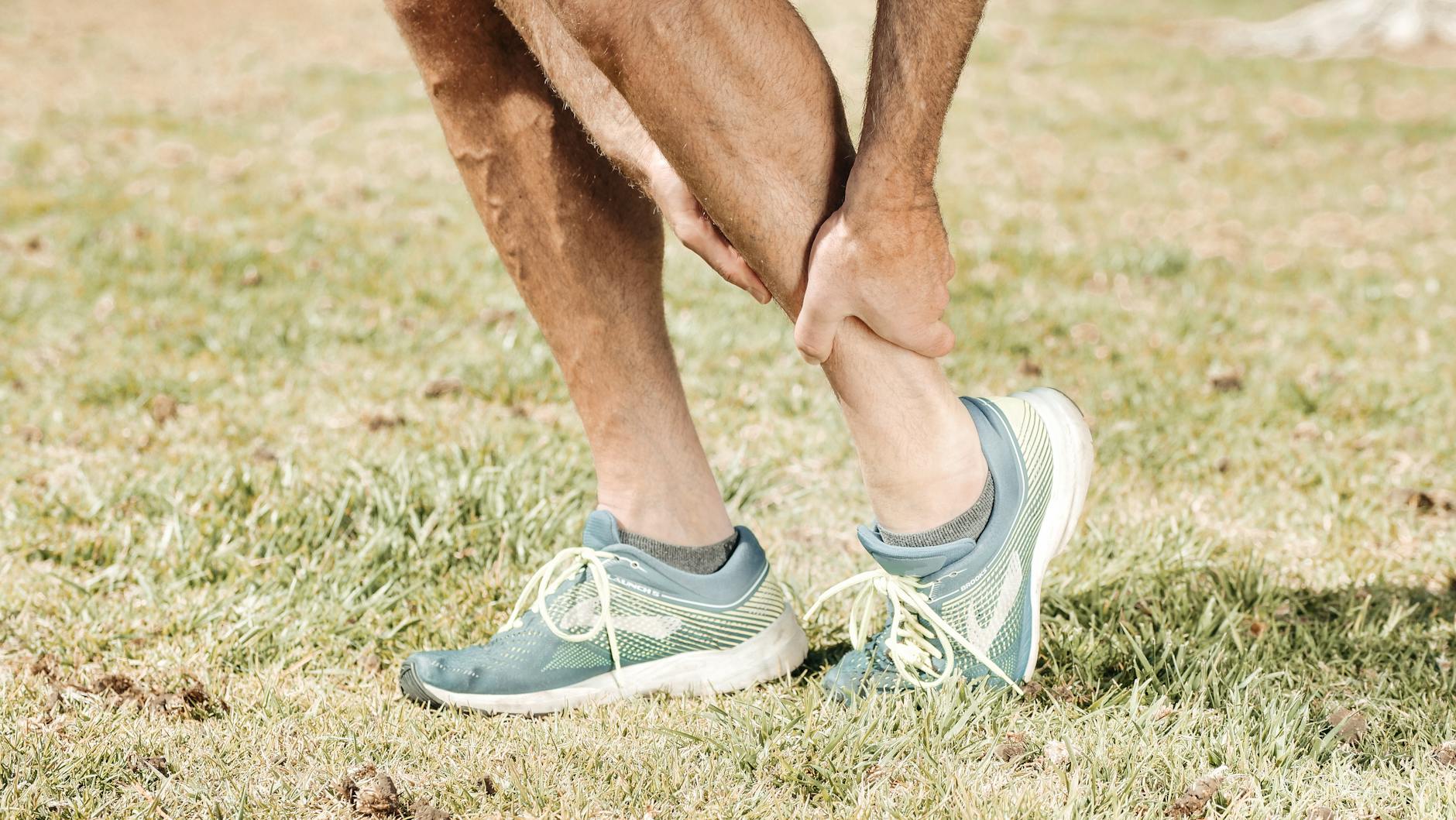
When running 7 miles after age 60, the injuries most likely to sideline you are stress fractures, Achilles tendinitis, plantar fasciitis, knee osteoarthritis flare-ups, and hamstring strains. These conditions develop more frequently in older runners because of age-related changes including decreased bone density, reduced tendon elasticity, diminished cartilage thickness, and slower muscle recovery. A 63-year-old marathoner who increased her weekly mileage too quickly discovered this firsthand when a metatarsal stress fracture forced her to cross-train for three months””an injury her sports medicine doctor attributed directly to the combination of high mileage and age-related bone density loss. The good news is that most of these injuries are preventable with proper training modifications, recovery protocols, and attention to early warning signs.
Running 7 miles remains an achievable and healthy goal for many people over 60, but it requires a different approach than what worked in your thirties or forties. This article covers the specific injuries to monitor, explains why aging changes your injury risk profile, and provides practical strategies for continuing to run longer distances safely. You’ll learn how to distinguish between normal post-run soreness and warning signs that demand attention, plus actionable steps to protect your joints, tendons, and bones during training. Beyond injury identification, understanding your body’s changing biomechanics helps you make smarter decisions about footwear, running surfaces, and training schedules. The runners who stay healthy into their sixties and beyond aren’t necessarily the ones with perfect genetics””they’re the ones who adapt their training intelligently and respond quickly when something feels wrong.
Table of Contents
- What Are the Most Common Running Injuries After Age 60?
- How Does Aging Affect Injury Recovery Time for Distance Runners?
- Understanding Stress Fractures in Older Runners
- Protecting Your Achilles Tendon During Longer Runs
- Managing Knee Health for 7-Mile Training Sessions
- Hip and Lower Back Concerns for Senior Distance Runners
- How to Prepare
- How to Apply This
- Expert Tips
- Conclusion
- Frequently Asked Questions
What Are the Most Common Running Injuries After Age 60?
The injury profile for runners over 60 differs meaningfully from younger athletes, primarily because the body’s repair mechanisms slow down while cumulative wear increases. Stress fractures rank among the most serious concerns, particularly in the metatarsals, tibia, and femoral neck. Bone remodeling””the process where old bone gets replaced by new bone””slows with age, meaning micro-damage from repetitive impact accumulates faster than it can be repaired. Women face elevated risk due to post-menopausal bone density loss, but men are not immune; research indicates that male runners over 60 experience stress fractures at roughly twice the rate of men in their forties. Tendon injuries present another major category, with Achilles tendinitis and insertional Achilles problems leading the list. Tendons lose water content and elasticity as collagen cross-linking increases with age, making them stiffer and more prone to micro-tears.
The Achilles tendon bears forces of up to 12 times body weight during running, and an aging tendon simply cannot handle sudden increases in training load the way it once could. Plantar fasciitis, while technically a fascial rather than tendon injury, follows similar patterns and often develops alongside or immediately after Achilles problems. Knee osteoarthritis deserves special mention because it represents a pre-existing condition that running can aggravate rather than an acute injury per se. Contrary to outdated beliefs, running itself doesn’t cause knee arthritis in healthy joints””multiple studies show recreational runners actually have lower rates of knee arthritis than sedentary people. However, if you already have cartilage damage or early-stage osteoarthritis, the repetitive loading of a 7-mile run may trigger inflammatory flare-ups characterized by swelling, stiffness, and pain that persists for days. Distinguishing between manageable osteoarthritis and conditions requiring medical intervention becomes crucial for longevity in the sport.

How Does Aging Affect Injury Recovery Time for Distance Runners?
Recovery time represents perhaps the most underappreciated change that occurs with aging, and failing to account for it causes more injuries than any single biomechanical factor. Muscle protein synthesis””the process of repairing and building muscle tissue””declines by approximately 30 percent between ages 30 and 60. This means the same 7-mile run that required 48 hours of recovery at age 40 might need 72 hours or more at age 65. Satellite cells, the stem cells responsible for muscle repair, become less responsive to exercise-induced damage, extending the window during which muscles remain vulnerable to additional strain. The inflammatory response also changes with age in ways that affect recovery.
Older adults experience prolonged low-grade inflammation after exercise, a phenomenon researchers call “inflammaging.” While some inflammation is necessary for repair and adaptation, excessive or prolonged inflammation delays healing and can transform an acute injury into a chronic problem. A runner who pushes through persistent soreness after age 60 isn’t demonstrating toughness””they’re creating conditions for overuse injuries to develop. However, if you’ve maintained consistent training through middle age, your recovery capacity may be better preserved than someone returning to running after a long hiatus. Training history matters significantly; muscles and connective tissues that have been regularly loaded maintain their repair mechanisms more effectively than tissues that have been sedentary. This creates an important caveat: a 62-year-old who has run continuously for decades may recover faster than a 55-year-old who stopped running at 35 and is now resuming. The practical implication is that returning runners need even more conservative progression than those who never stopped, regardless of their fitness memories from younger years.
Understanding Stress Fractures in Older Runners
Stress fractures deserve detailed attention because they represent the most serious common injury for older distance runners and often present subtly before becoming debilitating. Unlike acute fractures that result from a single traumatic event, stress fractures develop from accumulated micro-damage when bone resorption outpaces bone formation. The metatarsals (particularly the second and third) are most frequently affected in runners, followed by the tibia and, most concerning, the femoral neck. A femoral neck stress fracture can progress to a complete fracture requiring surgery if not identified early, making it a genuine medical emergency rather than a training inconvenience. The warning signs of stress fractures follow a predictable pattern that every older runner should memorize. Pain typically begins as a vague ache that appears late in runs and resolves quickly afterward.
Over days to weeks, the pain arrives earlier during runs, becomes more localized to a specific spot, and eventually persists even during walking. The “hop test”””standing on the affected leg and hopping””often reproduces the pain when a stress fracture is present. A 67-year-old runner ignored progressively worsening shin pain for six weeks, attributing it to “normal aging,” only to discover a tibial stress fracture that required eight weeks in a walking boot and months of rehabilitation. Risk factors compound for older runners and should inform your training decisions. Low body weight, female sex, history of previous stress fractures, vitamin D deficiency, and sudden increases in training volume all elevate risk. Certain medications common in older populations””proton pump inhibitors for acid reflux, some diabetes medications, and long-term corticosteroid use””can impair bone density and further increase susceptibility. If multiple risk factors apply to you, discussing bone density screening with your physician before undertaking consistent 7-mile runs is prudent preventive medicine.

Protecting Your Achilles Tendon During Longer Runs
The Achilles tendon undergoes structural changes with age that demand specific attention from older distance runners. Collagen fibers become less organized, water content decreases, and the tendon’s ability to store and release elastic energy diminishes. These changes make the Achilles less efficient as a spring mechanism and more susceptible to strain injuries. The tendon also develops reduced blood supply in the watershed area about 2-6 centimeters above its insertion into the heel bone, making this zone particularly vulnerable to degenerative changes and partial tears. Preventive strategies for Achilles health center on eccentric loading exercises, gradual mileage progression, and attention to footwear. Eccentric heel drops””standing on a step and slowly lowering your heels below the level of the step””have strong research support for both preventing and treating Achilles tendinopathy.
Performing these exercises daily, progressing from two-legged to single-legged versions over weeks, builds tendon resilience more effectively than stretching alone. The comparison between runners who do and don’t perform regular eccentric loading shows meaningfully different injury rates, with one study finding 65 percent fewer Achilles injuries in the exercise group over a season. Footwear choices create tradeoffs worth understanding. Shoes with higher heel-toe drops (10-12mm) reduce Achilles loading by shortening the tendon’s working range, potentially protecting vulnerable tendons but also potentially weakening them over time by reducing training stimulus. Lower-drop or minimalist shoes increase Achilles demands, building strength if progressed carefully but risking injury if adopted too quickly. Most sports medicine specialists recommend that older runners with any history of Achilles problems avoid dramatic footwear changes and certainly never transition to lower-drop shoes while simultaneously increasing mileage. The runner who switches to minimalist shoes and adds a weekly 7-miler simultaneously is engineering an Achilles rupture.
Managing Knee Health for 7-Mile Training Sessions
Knee problems in older runners typically fall into two categories: patellofemoral pain syndrome (runner’s knee) and osteoarthritis-related symptoms. Though both cause anterior knee pain, they have different underlying mechanisms and require different management approaches. Patellofemoral syndrome involves tracking problems where the kneecap doesn’t glide smoothly in its groove, often caused by muscle imbalances, tight IT bands, or poor hip stability. Osteoarthritis pain stems from cartilage degradation and accompanying inflammation, representing irreversible structural changes rather than a correctable mechanical problem. Distinguishing between these conditions matters for treatment decisions. Patellofemoral pain typically worsens with activities that increase patellofemoral joint compression””running downhill, sitting with bent knees for long periods, or climbing stairs. It often responds well to quadriceps strengthening (particularly the vastus medialis obliquus muscle), hip abductor work, and IT band foam rolling.
Osteoarthritis pain, conversely, tends to worsen with any high-impact loading and may be accompanied by morning stiffness lasting more than 30 minutes, joint swelling, or a sensation of grinding (crepitus) during movement. A proper diagnosis through examination and possibly imaging helps target interventions appropriately. However, if you have confirmed knee osteoarthritis, running 7 miles isn’t automatically contraindicated. Many people with mild to moderate knee arthritis run successfully with modifications. Running on softer surfaces reduces peak impact forces by 10-30 percent compared to concrete. Maintaining a cadence above 170 steps per minute decreases loading rate. Staying within a healthy weight range profoundly affects knee joint forces””each pound of body weight translates to roughly four pounds of force across the knee joint during running. A runner with early arthritis who drops 10 pounds, increases cadence, and moves to trails may find their symptoms improve rather than worsen with continued training.

Hip and Lower Back Concerns for Senior Distance Runners
Hip and lower back injuries often go unrecognized as running-related because their symptoms may not appear during the run itself. Hip flexor tendinitis, piriformis syndrome, greater trochanteric bursitis, and lumbar facet joint irritation all plague older runners, sometimes presenting as vague groin, buttock, or lower back discomfort that seems unconnected to training. The biomechanical demands of running 7 miles accumulate stress through these regions with every stride””your hip flexors fire thousands of times, your piriformis works to control hip rotation, and your lumbar spine absorbs transmitted impact forces throughout. A 61-year-old recreational runner exemplifies how these injuries develop insidiously. She noticed progressive right hip pain that initially appeared only after sitting following runs. Over weeks, it progressed to constant stiffness and occasional sharp catches during stride.
Imaging revealed hip labral fraying with early arthritis””damage that had accumulated silently for years and was now being aggravated by her increased running volume. Her orthopedist explained that the labrum, like other cartilaginous structures, has limited blood supply and doesn’t regenerate; the damage was permanent, though manageable with modified activity and targeted strengthening. The lumbar spine presents particular challenges for older runners because degenerative changes are nearly universal by age 60. MRI studies of asymptomatic older adults show disc bulges, facet arthropathy, and stenosis in the majority of subjects, meaning imaging findings don’t necessarily correlate with symptoms or predict who will develop running-related back pain. The practical implication is that maintaining core stability, hip mobility, and glute strength probably matters more than your imaging results for determining whether your back will tolerate 7-mile runs. Runners who neglect glute and core work often compensate with excessive lumbar extension, overloading the facet joints and setting the stage for overuse symptoms.
How to Prepare
- **Complete a baseline health assessment** before beginning any 7-mile training program. This includes a cardiovascular screening appropriate for your risk factors, bone density testing if you have risk factors for osteoporosis, and an honest evaluation of any existing joint problems. Identifying issues proactively allows you to address them before they become training-limiting injuries.
- **Establish your current sustainable distance** by running easy efforts and noting at what mileage form breaks down or unusual soreness develops. If you can currently run 3 miles comfortably, you need a structured progression to reach 7 miles””jumping directly to longer distances courts injury.
- **Build a strength training foundation** that addresses the muscle groups most critical for older runners: glutes, hip abductors, quadriceps, and calves. Strength training twice weekly reduces injury rates by approximately 50 percent in older adults, making it arguably more important than the running itself for injury prevention.
- **Implement eccentric exercises** for vulnerable tendons, particularly Achilles heel drops and knee-loaded step-downs. These exercises should begin 4-6 weeks before increasing running mileage and continue indefinitely as maintenance.
- **Plan recovery time into your schedule** by committing to run no more than every other day during the building phase. Many older runners find that running three or four times weekly with adequate recovery between sessions allows higher training quality than running daily with inadequate rest.
How to Apply This
- **Monitor for early warning signs during every run** by maintaining body awareness rather than distracting yourself completely with podcasts or music. Check in mentally at each mile: is anything painful (not just uncomfortable)? Is anything changing in how a joint or muscle feels compared to the previous mile? Early detection of developing problems prevents minor issues from becoming serious injuries.
- **Adjust intensity and surface based on how recovery is progressing** from your last run. If you still have residual soreness 48 hours after your last 7-miler, either extend the recovery period before the next long run or choose a softer surface and slower pace. The run you skip or shorten today may save you from the injury that costs you months.
- **Track objective markers of recovery status** beyond just how you feel. Morning resting heart rate, sleep quality, and performance on a standardized easy warm-up jog all provide data about whether you’re adequately recovered. A morning heart rate more than 5-7 beats above your baseline suggests incomplete recovery.
- **Maintain your strength and mobility work** on non-running days rather than viewing recovery as passive rest. Active recovery through low-intensity movement, foam rolling, and targeted exercises promotes healing while maintaining the muscular support your joints need.
Expert Tips
- Never increase both your long run distance and your weekly running frequency simultaneously””change one variable at a time and allow 3-4 weeks of adaptation before changing another.
- Run your 7-mile efforts at a truly conversational pace, which for many older runners means significantly slower than ego prefers; the aerobic benefits are nearly identical at 60-70% max heart rate as at 75-80%, but the injury risk is substantially lower.
- Do NOT run through sharp, localized pain that worsens during a run””this is the single most reliable warning sign of developing structural injury, and continuing guarantees making it worse.
- Schedule your longest runs for days when you can prioritize post-run recovery including adequate sleep that night; the adaptations from running happen during recovery, not during the run itself.
- Consider prophylactic use of compression socks during and after long runs if you’ve had any Achilles or calf issues, as the mechanical support may reduce strain accumulation during the thousands of repetitive contractions involved in 7 miles.
Conclusion
Running 7 miles after age 60 remains entirely achievable for many people, but it requires honest acknowledgment that your body’s injury vulnerabilities have changed. The stress fractures, tendon injuries, and joint problems that predominate in older runners are largely preventable through appropriate training progression, adequate recovery time, strength work that addresses age-related muscle loss, and vigilant attention to early warning signs. Ignoring these realities doesn’t demonstrate commitment to running””it demonstrates commitment to future injury.
The runners who continue enjoying long distances into their sixties, seventies, and beyond are those who trade ego-driven training for body-informed training. They run slower than they once did, rest more than they once needed, and modify their approach when warning signs appear. The reward for this pragmatism is continued participation in a sport that delivers substantial cardiovascular, metabolic, and psychological benefits throughout the lifespan. Your next step is to honestly assess your current preparation level and address any gaps before your next 7-mile effort.
Frequently Asked Questions
How long does it typically take to see results?
Results vary depending on individual circumstances, but most people begin to see meaningful progress within 4-8 weeks of consistent effort. Patience and persistence are key factors in achieving lasting outcomes.
Is this approach suitable for beginners?
Yes, this approach works well for beginners when implemented gradually. Starting with the fundamentals and building up over time leads to better long-term results than trying to do everything at once.
What are the most common mistakes to avoid?
The most common mistakes include rushing the process, skipping foundational steps, and failing to track progress. Taking a methodical approach and learning from both successes and setbacks leads to better outcomes.
How can I measure my progress effectively?
Set specific, measurable goals at the outset and track relevant metrics regularly. Keep a journal or log to document your journey, and periodically review your progress against your initial objectives.
When should I seek professional help?
Consider consulting a professional if you encounter persistent challenges, need specialized expertise, or want to accelerate your progress. Professional guidance can provide valuable insights and help you avoid costly mistakes.
What resources do you recommend for further learning?
Look for reputable sources in the field, including industry publications, expert blogs, and educational courses. Joining communities of practitioners can also provide valuable peer support and knowledge sharing.