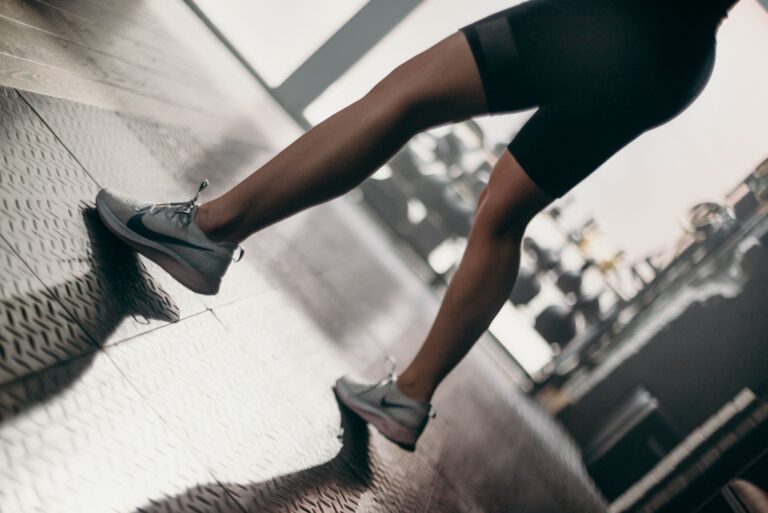
The best shoes for 5K and 10K racing prioritize lightweight construction, responsive cushioning, and a snappy toe-off over the plush protection you might seek in a marathon trainer. Racing flats and super shoes in the 6 to 8-ounce range””such as the Nike Vaporfly 3, Saucony Endorphin Pro, or Adidas Adios Pro””deliver the energy return and ground contact efficiency that shaves seconds off your finishing time at these shorter distances. A runner who trains in a 10-ounce daily shoe and switches to a 7-ounce racer often experiences an immediate improvement in leg turnover and finishing kick, simply because they are moving less weight through each stride cycle.
These racing shoes differ fundamentally from cushioned trainers in their foam density, stack height, and plate geometry. While a daily trainer might use softer foam to absorb repetitive impact over 40-mile weeks, a 5K or 10K race shoe uses firmer, bouncier compounds that return energy rather than dissipate it. This article explores the specific features that make a shoe race-ready for these distances, how to choose between carbon-plated and non-plated options, the role of fit and upper construction, and how to integrate race shoes into your training without destroying them before the starting line. Beyond shoe selection, we will examine how different runners””from 18-minute 5K competitors to 55-minute 10K finishers””might prioritize different features, and why the fastest shoe on paper may not always be your fastest shoe on the road.
Table of Contents
- What Makes Shoes Built for 5K and 10K Speed Different from Daily Trainers?
- Carbon Plate vs. Non-Plated Racing Flats for Shorter Distances
- How Fit and Upper Construction Affect 5K and 10K Performance
- Matching Your Racing Shoe to Your 5K or 10K Goal Pace
- Common Problems When Racing in Speed-Oriented Shoes
- The Role of Outsole Rubber and Traction in Race Shoes
- How to Prepare
- How to Apply This
- Expert Tips
- Conclusion
- Frequently Asked Questions
What Makes Shoes Built for 5K and 10K Speed Different from Daily Trainers?
Racing shoes designed for 5K and 10K distances strip away everything nonessential to forward propulsion. The midsole foam is engineered for energy return rather than pure shock absorption, using compounds like Pebax-based Nike ZoomX, Saucony PWRRUN PB, or Adidas Lightstrike Pro that feel firm on initial compression but spring back aggressively. This responsiveness translates directly to pace: studies from the University of Colorado found that certain super shoes reduce the oxygen cost of running by approximately 4 percent, which can mean a 60 to 90 second improvement over 10 kilometers for a competitive amateur. The geometry of race shoes also differs substantially. Most feature a pronounced rocker shape that rolls you from heel strike through toe-off with minimal muscular effort, and the heel-to-toe drop tends to range from 4mm to 8mm, encouraging a midfoot strike pattern common at racing speeds.
Carbon or nylon plates embedded in the midsole act as stiffening levers, reducing energy lost to foot flexion during push-off. However, these design choices come with tradeoffs: the firmer, more aggressive ride can feel harsh on easy days, and the minimal outsole rubber wears quickly when used for training miles. Compare this to a daily trainer like the Brooks Ghost or ASICS Gel-Nimbus, which prioritize durability and comfort over speed. These shoes might weigh 10 to 12 ounces, use softer foams with less rebound, and include substantial rubber coverage for 400 to 500 miles of training. A racer might only last 100 to 150 miles before the foam compresses and the plate loses its snap””a crucial limitation that keeps most runners reserving them strictly for races and key workouts.
Carbon Plate vs. Non-Plated Racing Flats for Shorter Distances
Carbon-plated super shoes dominate headlines, but non-plated racing flats remain a viable””and sometimes superior””choice for 5K and 10K racing. Traditional racing flats like the New Balance FuelCell RC Elite v2 or the Saucony Endorphin Speed (with its nylon plate) weigh similarly to their carbon-plated counterparts but offer a different feel underfoot. Non-plated options allow more natural foot flexion, which some runners prefer for the precise ground feel needed when navigating tight turns, crowded starts, or uneven road surfaces common in local races. The benefit of carbon plates becomes more pronounced as distance increases and fatigue accumulates. Over a marathon, the reduced muscular effort per stride compounds into significant energy savings.
Over 5 kilometers, however, the advantage shrinks because muscular fatigue is less of a limiting factor””your cardiovascular system gives out before your legs do. Elite 5K runners often choose lighter, lower-stack flats that prioritize ground contact and turnover speed over the bouncy, somewhat less stable feel of maximum-stack super shoes. However, if you are a heavier runner (over 170 pounds) or a midpack competitor racing closer to 25 to 30 minutes for a 5K, the cushioning and propulsion benefits of a carbon-plated shoe may outweigh the minimal weight penalty. Your slower foot speed means you spend more time on the ground per stride, allowing the plate and foam to do more work. Faster, lighter runners with excellent running economy might extract more benefit from a minimal 5-ounce flat, while recreational racers often perform best in moderately cushioned plated options that protect their legs while still offering speed.
How Fit and Upper Construction Affect 5K and 10K Performance
A racing shoe’s upper””the mesh and overlays wrapping your foot””determines lockdown, breathability, and overall comfort at speed. For 5K and 10K distances, a snug, almost sock-like fit prevents internal foot movement that wastes energy and causes blisters. Engineered mesh uppers with strategic reinforcement, such as those found on the Nike Streakfly or Adidas Adizero Adios Pro 3, balance minimal weight against sufficient structure to keep your foot stable during hard efforts. Width matters enormously and is often overlooked. Many racing shoes run narrow because the target demographic skews toward lighter, smaller-footed elite runners. If you have wider feet, forcing them into a narrow racing flat creates pressure points that become agonizing over 6.2 miles.
Brands like New Balance and Altra offer racing options in wider lasts, and Saucony’s Endorphin line tends to fit more generously than Nike’s Vaporfly series. Spending extra time in-store trying multiple sizes and widths prevents race-day disasters. Consider the specific example of a runner who trained in a Nike Pegasus (a relatively generous fit) and raced in a Vaporfly (notoriously narrow). Despite the Vaporfly’s technological advantages, numbness and hot spots in the final two miles cost more time than the shoe’s foam and plate could save. The lesson: the theoretically fastest shoe is only fast if it fits your foot. A slightly heavier shoe that locks in properly will outperform a cutting-edge model that squeezes, pinches, or slips.
Matching Your Racing Shoe to Your 5K or 10K Goal Pace
Your target race pace should influence shoe selection more than marketing claims or professional endorsements. A runner gunning for an 18-minute 5K spends around 5:48 per mile and contacts the ground differently than someone targeting a 28-minute finish at 9:00 pace. Faster runners benefit from minimal, lightweight flats that allow rapid cadence and quick ground contact””shoes like the Nike Streakfly or Asics Metaspeed Sky+ with lower stack heights and aggressive rockers designed for sub-6-minute miles. Slower runners, conversely, benefit from the added cushioning of higher-stack options because they spend more total time on their feet. A 55-minute 10K means nearly an hour of running, during which cumulative impact forces become significant.
Here, a shoe like the Saucony Endorphin Pro 3 or Hoka Rocket X2, with plush midsoles and moderate weight, provides both propulsion benefits and impact protection without sacrificing all speed-oriented characteristics. The tradeoff centers on stack height versus ground feel. Higher stacks provide more cushioning and energy return from thick foam but reduce proprioception””your sense of where your foot is relative to the ground. For technical courses with sharp turns, cambered roads, or rough pavement, a lower-stack racer offers stability advantages. Flat, smooth courses favor maximum foam. Evaluate your typical race venues when choosing between a 35mm-stack super shoe and a 25mm racing flat.
Common Problems When Racing in Speed-Oriented Shoes
The aggressive geometry and minimal cushioning of racing shoes can expose weaknesses in your running form or lead to injuries if misused. Runners accustomed to high-drop, cushioned trainers (10-12mm drop) who suddenly race in a 4mm-drop flat experience increased strain on the Achilles tendon and calf muscles. This shift in mechanical loading is manageable for a single race but becomes problematic if you attempt to train in race shoes regularly without proper adaptation. Durability concerns plague most racing shoes. The lightweight, responsive foams that make these shoes fast also break down quickly under repeated use. Using your carbon-plated racer for Tuesday track workouts, Thursday tempo runs, and Sunday long runs will leave you with a dead shoe by race day.
Most coaches and shoe experts recommend limiting race shoes to competitions and two or three dress rehearsal workouts in the final weeks before a goal race. Track cumulative mileage carefully””once you exceed 100 miles, monitor for changes in how the shoe feels and responds. Another common issue involves racing in brand-new shoes without testing them first. The adrenaline of race morning masks fit problems that reveal themselves at mile four when it is too late to adjust. Always run at least 10 to 15 miles in a new racing shoe before competing in it, including one session at or near race pace. This trial period identifies sizing issues, break-in requirements, and any peculiarities in how the shoe performs when you push hard.

The Role of Outsole Rubber and Traction in Race Shoes
Racing shoes minimize outsole rubber to reduce weight, but this design choice creates real-world tradeoffs in grip and durability. Many super shoes use thin rubber pods only in high-wear zones””the forefoot and lateral heel””leaving exposed foam elsewhere. On dry pavement, this works adequately.
On wet roads, painted lines, metal grates, or slick surfaces, the reduced traction can become hazardous, particularly during the chaotic first mile of a crowded race. The Nike Vaporfly 3, for example, uses a minimal rubber coverage pattern that some runners find slippery in wet conditions, while the Adidas Adios Pro Evo uses a Continental rubber outsole with slightly better grip at a small weight penalty. If your goal race commonly sees rain or runs through shaded, damp sections, prioritize models with more comprehensive rubber coverage or textured foam outsoles designed for multi-surface grip. The few grams saved by removing rubber matter little if you are decelerating through every corner out of fear of slipping.
How to Prepare
- **Purchase your racing shoes four to six weeks before your goal race.** This provides adequate time for trial runs, potential exchanges if the fit is wrong, and mental confidence that the shoes work for you without accumulating excessive pre-race mileage.
- **Complete two to three shorter runs in the shoes, including strides.** Start with a 3-mile easy run followed by 4 to 6 strides to assess fit and comfort, then progress to a 5-mile run with some tempo-pace segments to test performance under load.
- **Perform one race-simulation workout in the shoes.** Two weeks before your 5K, run 3 x 1 mile at goal pace in your racers. For a 10K, try 2 x 2 miles at goal pace. This confirms the shoes perform well when you are working hard and gives your legs a preview of race-day sensations.
- **Inspect the shoes after each workout.** Check for unusual wear patterns, foam compression, or upper damage. Address any hot spots with different lacing techniques or thin anti-blister tape before race day.
- **Store racing shoes properly between uses.** Keep them away from heat sources and direct sunlight, which degrade foam compounds. Loosen the laces fully after each use to prevent permanent creasing in the upper.
How to Apply This
- **Arrive at the race venue with shoes already laced to your preferred tension.** Practice this during training runs so you know exactly how tight feels right. Re-lacing in a crowded staging area leads to rushed, incorrect adjustments.
- **Warm up in your training shoes, then switch to racing flats 10 to 15 minutes before the start.** This keeps the racing shoes fresh and ensures your legs are warm when you begin, rather than spending the first half-mile loosening up in shoes designed for speed.
- **Start conservatively and trust the shoes through the middle miles.** Racing flats encourage faster turnover, which can trick you into going out too hard. Run the first mile at goal pace, then let the shoe’s efficiency help you maintain rhythm through miles two through five of a 10K.
- **Use the shoe’s responsiveness for your finishing kick.** In the final 800 meters, lean slightly forward and let the rocker geometry and plate stiffness translate your increased effort into speed. Racing shoes deliver the most benefit when you are pushing hardest.
Expert Tips
- Do not buy racing shoes in your standard training shoe size without trying them first. Racing shoes often fit half a size small or narrow, and sizing varies dramatically between brands.
- Replace racing shoes based on feel, not arbitrary mileage numbers. If the foam feels dead and unresponsive during strides, the shoe has lost its performance benefit regardless of whether you have hit 100 or 150 miles.
- Avoid wearing racing flats for course previews or shakeout runs the day before a race. Use trainers to protect your racers and save their responsiveness for when it counts.
- Consider the cost-per-race value of super shoes. A 250-dollar carbon-plated shoe that lasts four races costs over 60 dollars per race””worth it for goal events but excessive for low-priority tune-up races where a standard racing flat performs adequately.
- Do not assume carbon-plated shoes will automatically make you faster. Runners with inefficient form, inadequate fitness, or poor pacing discipline will not magically improve by switching shoes. The shoes enhance existing speed; they do not create it.
Conclusion
Selecting the right shoes for 5K and 10K racing involves balancing weight, responsiveness, fit, and durability against your specific goals and running characteristics. Carbon-plated super shoes offer measurable efficiency gains that translate to faster times, but they are not universally superior to well-designed racing flats, particularly for faster runners over shorter distances. The best racing shoe is one that fits your foot securely, suits your pace and racing surface, and has been properly tested before competition.
Invest time in trying multiple options, integrate racing shoes into your training thoughtfully, and respect their limited lifespan. A methodical approach to race shoe selection and use ensures that when you toe the starting line, your footwear is an asset rather than a liability. Combined with proper training and smart pacing, the right racing shoes become a genuine performance tool for your next personal best.
Frequently Asked Questions
How long does it typically take to see results?
Results vary depending on individual circumstances, but most people begin to see meaningful progress within 4-8 weeks of consistent effort. Patience and persistence are key factors in achieving lasting outcomes.
Is this approach suitable for beginners?
Yes, this approach works well for beginners when implemented gradually. Starting with the fundamentals and building up over time leads to better long-term results than trying to do everything at once.
What are the most common mistakes to avoid?
The most common mistakes include rushing the process, skipping foundational steps, and failing to track progress. Taking a methodical approach and learning from both successes and setbacks leads to better outcomes.
How can I measure my progress effectively?
Set specific, measurable goals at the outset and track relevant metrics regularly. Keep a journal or log to document your journey, and periodically review your progress against your initial objectives.
When should I seek professional help?
Consider consulting a professional if you encounter persistent challenges, need specialized expertise, or want to accelerate your progress. Professional guidance can provide valuable insights and help you avoid costly mistakes.
What resources do you recommend for further learning?
Look for reputable sources in the field, including industry publications, expert blogs, and educational courses. Joining communities of practitioners can also provide valuable peer support and knowledge sharing.