The smartest shoe choice for runners over 50 prioritizes cushioning and stability over lightweight performance, with most mature runners benefiting from shoes with at least 8mm of heel-to-toe drop and moderate to maximum cushioning to protect aging joints and tendons. A 54-year-old runner who switched from minimalist shoes to a well-cushioned stability shoe after experiencing Achilles tendinitis reported being able to extend her weekly mileage from 15 to 25 miles without pain””a common outcome when shoe selection aligns with age-related biomechanical changes.
Beyond cushioning, the right shoe depends on your foot type, running surface, and any existing conditions like plantar fasciitis or arthritis. This article covers how aging affects your feet and gait, what features matter most for runners in their 50s and beyond, how to evaluate stability versus neutral shoes, when to consider orthotics, and the often-overlooked importance of proper sizing as feet change with age. We will also address common mistakes that lead to injury and provide practical steps for finding your ideal shoe.
Table of Contents
- Why Do Running Shoe Needs Change After 50?
- Maximum Cushioning Versus Moderate Support””Finding the Right Balance
- Stability Features and When Older Runners Need Them
- Sizing Strategies as Feet Change with Age
- Avoiding Common Shoe Mistakes That Lead to Injury
- The Role of Custom Orthotics and Insoles
- How to Prepare
- How to Apply This
- Expert Tips
- Conclusion
- Frequently Asked Questions
Why Do Running Shoe Needs Change After 50?
The structural changes in feet after age 50 are significant and well-documented. Fat pad atrophy reduces the natural cushioning under the heel and ball of the foot by up to 50 percent compared to younger runners. Ligaments lose elasticity, often causing arches to flatten and feet to lengthen””sometimes by a full shoe size. Tendons, particularly the Achilles, become stiffer and more prone to injury, requiring longer warmup periods and more forgiving footwear. These changes affect running mechanics in measurable ways.
Ground reaction forces that a 30-year-old’s body absorbs efficiently become more problematic for aging joints. A runner who comfortably wore neutral, low-drop shoes for decades may find that the same shoes now contribute to knee pain or plantar fascia issues. The comparison is stark: what worked at 35 often fails at 55, not because of fitness decline but because of tissue changes that demand different support. However, these changes vary dramatically between individuals. A 60-year-old who has maintained consistent running volume may have better foot structure than a sedentary 45-year-old just starting to run. The key is assessing your current foot health rather than assuming age alone dictates shoe needs.
Maximum Cushioning Versus Moderate Support””Finding the Right Balance
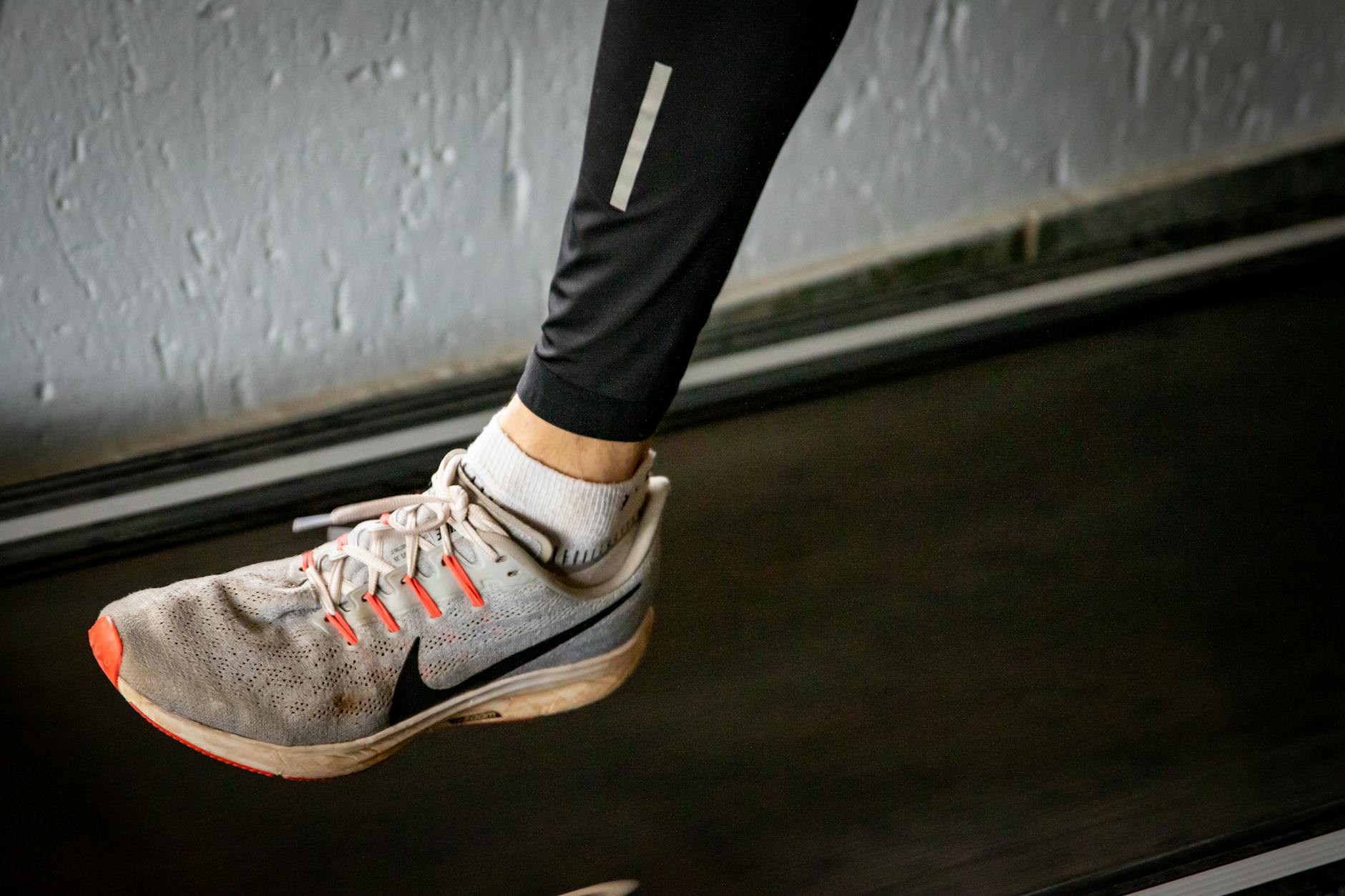
maximum cushioning shoes, exemplified by models like the Hoka Bondi or Brooks Glycerin, provide thick midsoles that absorb impact before it reaches joints. For runners with arthritis, previous joint injuries, or those running primarily on pavement, this category offers meaningful protection. The tradeoff is weight””maximum cushion shoes typically weigh 10 to 12 ounces, compared to 7 to 9 ounces for lighter trainers””and some runners find the soft platform reduces ground feel and responsiveness. Moderate cushioning with responsive foam technology, found in shoes like the New Balance Fresh Foam 1080 or Asics Gel-Nimbus, attempts to bridge the gap.
These shoes provide substantial protection while maintaining some energy return and a more connected running feel. For runners over 50 who still do speed work or race occasionally, this category often represents the practical sweet spot. However, if you have diagnosed osteoarthritis in your knees or hips, maximum cushioning typically outweighs the benefits of lighter, more responsive shoes. The small performance gains from reduced weight are irrelevant if impact forces are accelerating joint degeneration. Conversely, runners over 50 with healthy joints who have always preferred firmer shoes should not automatically switch to maximum cushion””unnecessary cushioning can actually alter gait mechanics in ways that create new problems.
Stability Features and When Older Runners Need Them
Stability shoes incorporate medial posts, guide rails, or firmer foam on the inner midsole to limit excessive inward rolling of the foot during the gait cycle. For runners over 50, the relevance of these features often increases because arch flattening and reduced ankle strength make overpronation more common””even in runners who were neutral pronators when younger. A 58-year-old marathoner who had always worn neutral shoes developed posterior tibial tendinitis; a gait analysis revealed moderate overpronation that had developed gradually over years, and switching to a stability shoe resolved the issue within six weeks. The stability shoe category has evolved considerably.
Older designs felt stiff and heavy, but current models like the Brooks Adrenaline GTS or Saucony Guide offer stability mechanisms that work with natural foot motion rather than rigidly controlling it. Many runners cannot distinguish the ride feel from a neutral shoe, making the transition less jarring for those who need support for the first time. Testing whether you need stability features is straightforward. If your current neutral shoes show excessive wear on the inner edge of the midsole, or if you experience medial knee pain, shin splints, or arch pain, a stability evaluation is worthwhile. Most specialty running stores offer free gait analysis that can identify pronation patterns.
Sizing Strategies as Feet Change with Age
Proper fit is arguably more important than any shoe technology, yet runners over 50 frequently wear incorrect sizes based on outdated measurements. Feet typically lengthen by half a size to a full size between ages 30 and 60 due to arch flattening and ligament stretching. They also widen, particularly in the forefoot, as the metatarsal heads spread. A runner who wore size 10 medium for decades may now need size 10.5 wide””but never thinks to check. The comparison between length-only sizing and proper width assessment matters significantly. Running in shoes that are long enough but too narrow causes bunion pain, neuromas, and blackened toenails.
Many runners add length to compensate for narrow shoes, creating heel slippage that leads to blisters and inefficient gait. Conversely, shoes that fit well in width but are too short cause similar forefoot problems from toe crowding. The practical tradeoff is between mainstream availability and proper fit. Wide widths are readily available from major brands but require ordering online in many cases, as retail stores stock limited width options. Some runners resist wide widths for aesthetic reasons, but the performance and comfort benefits are substantial. Having both feet measured professionally, including width and arch length, provides baseline data for shoe selection.
Avoiding Common Shoe Mistakes That Lead to Injury
The most damaging mistake runners over 50 make is holding onto shoes too long. Midsole cushioning compounds break down with use and time, losing up to 40 percent of shock absorption capacity after 300 to 500 miles depending on the shoe model, runner weight, and running surface. A shoe that felt protective when new may be transmitting significantly more impact to joints after six months of regular use. The warning sign is often subtle: gradual onset of knee or hip aches that clear up when the shoe is replaced. Another common error is selecting shoes based on appearance or brand loyalty rather than function.
A runner who wore Nike Pegasus shoes successfully for years found that a model redesign changed the last shape enough to cause arch pain””yet continued wearing the shoe for months because it had the same name. Each shoe model iteration can differ substantially from its predecessor, requiring re-evaluation rather than automatic repurchase. Be wary of transitioning too quickly to different shoe categories. Moving from a 12mm drop shoe to a zero-drop minimalist shoe, for example, dramatically increases Achilles tendon loading. For runners over 50, whose tendons are already less resilient, this transition must be extremely gradual””over months, not weeks””if attempted at all. Many running injuries in this age group trace directly to sudden changes in footwear or running surface.

The Role of Custom Orthotics and Insoles
Custom orthotics prescribed by a podiatrist can address specific structural issues that shoes alone cannot correct. For runners with significant arch collapse, leg length discrepancy, or persistent plantar fasciitis that does not respond to appropriate shoes, orthotics provide targeted support. A 62-year-old runner with chronic heel pain despite trying multiple shoe models found complete relief with custom orthotics that corrected excessive pronation at its source.
Over-the-counter insoles occupy a middle ground between stock shoe insoles and custom orthotics. Products like Superfeet or Powerstep provide more arch support and heel cupping than standard insoles at a fraction of custom orthotic cost. These work well for runners with mild biomechanical issues who want additional support without the expense and fitting process of custom devices. However, they are not a substitute for custom orthotics when significant structural correction is needed, and using inappropriate arch support can create problems as readily as solve them.
How to Prepare
- **Get your feet measured professionally.** This means both length and width, for both feet, while standing. Feet often differ in size, and you should fit to the larger foot.
- **Document your current shoe wear patterns.** Examine the midsoles of your current shoes for compression and the outsoles for wear patterns that reveal gait tendencies.
- **List any recurring pain or injuries.** Note when pain occurs””during running, after running, or in the morning””as this helps identify causes.
- **Determine your typical running surfaces and weekly mileage.** Road, trail, track, and treadmill each have different shoe requirements, and volume affects cushioning needs.
- **Research local specialty running stores.** Look for stores with staff trained in gait analysis and a wide selection of brands and widths, not just mainstream options.
How to Apply This
- **Visit the specialty store late in the day when feet are slightly swollen from activity.** This replicates running conditions more accurately than morning measurements.
- **Try on multiple shoes in your size range and walk or run in each.** Most specialty stores have treadmills or allow outdoor test runs. Spend at least five minutes in each serious candidate.
- **Evaluate heel lockdown, midfoot security, and forefoot room.** The heel should not slip, the midfoot should feel snug but not tight, and toes should have room to spread without contacting the front of the shoe.
- **Purchase the shoe that feels best immediately.** Shoes do not “break in” significantly; if a shoe is uncomfortable in the store, it will remain uncomfortable on the road.
Expert Tips
- Replace running shoes every 300 to 400 miles, or every six months for regular runners, regardless of outsole appearance””the midsole degrades before visible wear occurs.
- Rotate between two or three pairs of running shoes to extend lifespan and provide varied support patterns that reduce repetitive stress injuries.
- Do not assume you need the same shoe type forever; reassess needs annually, especially after injuries or changes in running volume.
- Avoid running in brand-new shoes for long runs or races; break them in with several short runs to identify any fit issues before they become problems.
- When NOT to buy stability shoes: if you have high, rigid arches and supinate (roll outward), stability features will worsen your gait mechanics rather than help””neutral shoes with good cushioning are appropriate instead.
Conclusion
Smart shoe selection for runners over 50 centers on acknowledging that feet and bodies change, requiring different support than in younger years. Prioritizing cushioning appropriate to your running surface and volume, obtaining stability features if your gait has shifted toward overpronation, and ensuring proper sizing including width are the foundational decisions. These choices directly affect injury risk and running longevity””far more than shoe weight or appearance.
Moving forward, establish a relationship with a specialty running store where staff remember your history and needs. Re-evaluate shoe fit and type annually, and do not hesitate to try different brands or categories if recurring problems suggest your current approach is not working. The right shoes will not make running effortless, but they will remove one significant barrier to consistent, injury-free training.
Frequently Asked Questions
How long does it typically take to see results?
Results vary depending on individual circumstances, but most people begin to see meaningful progress within 4-8 weeks of consistent effort. Patience and persistence are key factors in achieving lasting outcomes.
Is this approach suitable for beginners?
Yes, this approach works well for beginners when implemented gradually. Starting with the fundamentals and building up over time leads to better long-term results than trying to do everything at once.
What are the most common mistakes to avoid?
The most common mistakes include rushing the process, skipping foundational steps, and failing to track progress. Taking a methodical approach and learning from both successes and setbacks leads to better outcomes.
How can I measure my progress effectively?
Set specific, measurable goals at the outset and track relevant metrics regularly. Keep a journal or log to document your journey, and periodically review your progress against your initial objectives.
When should I seek professional help?
Consider consulting a professional if you encounter persistent challenges, need specialized expertise, or want to accelerate your progress. Professional guidance can provide valuable insights and help you avoid costly mistakes.
What resources do you recommend for further learning?
Look for reputable sources in the field, including industry publications, expert blogs, and educational courses. Joining communities of practitioners can also provide valuable peer support and knowledge sharing.