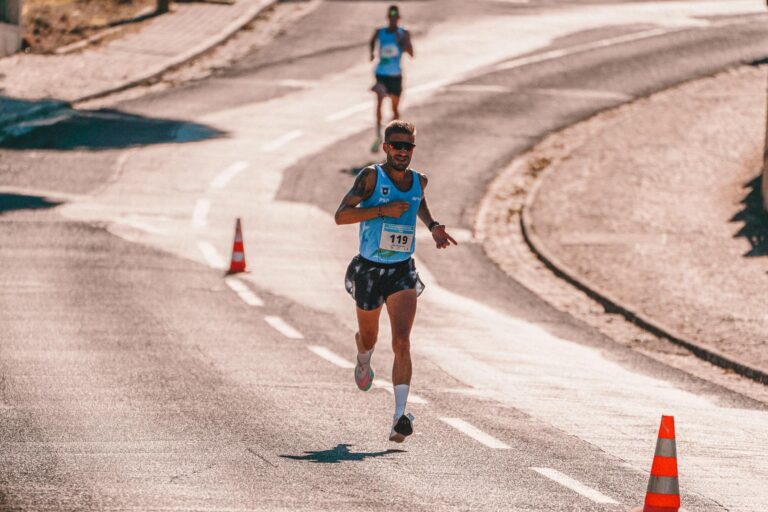
The best tempo run training schedule places one tempo session per week into a balanced rotation of speed work, long runs, and easy recovery days. For most runners, that means a 20- to 40-minute block of sustained, comfortably hard effort — roughly 25 to 30 seconds per mile slower than your 5K race pace — sandwiched between a 10- to 15-minute warm-up and cool-down. A runner targeting a 22-minute 5K, for example, would run their tempo segments at roughly 7:35 to 7:45 per mile, aiming for a rate of perceived exertion around 6 to 8 out of 10. That single weekly session, more than almost any other workout type, has been shown to be the strongest predictor of improved race performance. This matters because tempo runs — also called threshold runs — train your body at or near its lactate threshold, the physiological tipping point where your muscles begin producing more lactate than they can clear.
Push past it too often in training and you burn out. Avoid it entirely and you never teach your body to sustain faster paces. The tempo run lives in the productive middle, and scheduling it correctly is what separates a training plan that works from one that leaves you overtrained or stagnant. This article covers how to determine the right tempo pace for your fitness level, how to structure the workout itself, the different types of tempo sessions you can rotate through, and how to schedule tempo runs across training cycles for 5K, 10K, half marathon, and marathon distances. It also addresses recovery protocols, common scheduling mistakes, and the research behind why this workout deserves its place in your weekly routine.
Table of Contents
- What Pace Should a Tempo Run Training Schedule Target?
- How to Structure a Single Tempo Run Workout
- Five Types of Tempo Workouts to Rotate Through Your Schedule
- Scheduling Tempo Runs Across a Full Training Week
- Adjusting Your Tempo Schedule for Specific Race Goals
- The Research Behind Why Tempo Runs Matter More Than You Think
- Building a Long-Term Tempo Run Progression
- Conclusion
- Frequently Asked Questions
What Pace Should a Tempo Run Training Schedule Target?
Getting the pace right is the single most important variable in a tempo run, and it is also where most runners go wrong. The general guideline is to run approximately 25 to 30 seconds per mile slower than your current 5K race pace, or 15 to 20 seconds per mile slower than your 10K race pace. In heart rate terms, you should be working at 75 to 90 percent of your maximum heart rate, which you can estimate using the formula 220 minus your age. The talk test offers a useful field check: you should be able to grunt out a few words at a time but not carry on a conversation. The mistake most runners make is treating tempo runs like time trials. If you finish the session feeling completely spent, you went too fast.
A tempo run should feel controlled and challenging — an effort you could sustain for roughly an hour in a race setting, even if your workout only lasts 20 to 30 minutes. Compare this to interval training, where you run well above threshold pace for short bursts with rest in between. The tempo run demands restraint. Running it at the right intensity, not harder, is what drives the lactate threshold adaptation you are after. One useful comparison: a runner with a 5K pace of 8:00 per mile should target tempo runs around 8:25 to 8:30 per mile, while a runner with a 5K pace of 6:30 per mile would aim for roughly 6:55 to 7:00 per mile. If you find yourself consistently unable to hold the pace for at least 20 minutes, you have started too fast. Drop the pace by 10 to 15 seconds per mile and reassess.
How to Structure a Single Tempo Run Workout
Every tempo session should follow a three-part structure: warm-up, tempo segment, and cool-down. Begin with 10 to 15 minutes of easy running at a relaxed effort, around RPE 3 to 4, to raise your core temperature and prepare your cardiovascular system for harder work. Then move into the main tempo block, which should last 20 to 40 minutes for intermediate runners. Beginners should start with 10 to 15 minutes and build gradually, while advanced runners can extend the tempo segment up to 60 minutes. Finish with 10 to 15 minutes of easy running — roughly a mile — to cool down. The total distance covered in the tempo portion typically falls between 3 and 6 miles.
However, if you are returning from an injury or have fewer than three months of consistent running behind you, jumping straight into 20-minute tempo blocks is a recipe for setback. Expert coach Ray advises building an aerobic base with easy runs and incorporating 2 to 3 sessions of 10- to 20-second strides per week before adding dedicated tempo work. Strides teach your neuromuscular system to handle faster turnover without the sustained metabolic stress of a full tempo run. Skipping this base-building phase is one of the most common reasons newer runners get hurt when they add threshold work to their schedule. A practical limitation worth noting: tempo runs performed on hilly terrain will naturally push your heart rate higher than the same pace on flat ground. If your regular route includes significant elevation changes, consider using heart rate or perceived exertion rather than pace as your primary guide. Locking into a specific pace number on a hilly course will either push you too hard on the climbs or leave you running too easy on the descents.
Five Types of Tempo Workouts to Rotate Through Your Schedule
Not every tempo run needs to look the same, and rotating through different formats keeps the training stimulus fresh while targeting your lactate threshold from slightly different angles. The sustained tempo is the classic version: you hold a consistent comfortably hard pace for the entire main segment, whether that is 20 minutes or 40. This is the purest form of threshold training and should be the backbone of your tempo work. Tempo intervals break the sustained block into shorter segments with recovery jogs in between. A typical session might involve four repeats of 8 minutes at tempo pace with 2 minutes of easy jogging between each.
This format works well for runners who are not yet fit enough to sustain 30 or more continuous minutes at threshold, or for those returning from a break. Progression runs offer another variation: you start at an easy pace and gradually increase the effort until you finish the final miles at tempo pace. This teaches pacing discipline and simulates the demands of the late stages of a race. Hill tempos add an incline component for strength development, while the long run with tempo finish — where you tack 2 to 4 miles at tempo pace onto the end of your weekly long run — is a favorite among half marathon and marathon runners. For example, a runner training for a fall marathon might run 14 miles total on Sunday, with the final 3 miles at tempo effort. This trains the body to produce quality running on tired legs, which is exactly what race day demands.

Scheduling Tempo Runs Across a Full Training Week
A well-constructed training week for a serious recreational runner typically includes one tempo run, one speed or interval session, one long run, and one to three easy runs, with one to two rest or cross-training days. The tempo run should not fall on the day before or after your speed session or long run, because stacking hard efforts without recovery between them undermines the quality of each workout and increases injury risk. A common weekly layout places the tempo run on Tuesday or Wednesday, a speed session on Thursday or Friday, and the long run on Saturday or Sunday. The tradeoff here is between frequency and recovery. As fitness improves, some runners can handle two tempo runs per week, but expert coach McDowell cautions against scheduling them back to back unless you are working with a coach who can monitor your response. Most self-coached runners are better served by one high-quality tempo session per week than two mediocre ones performed on fatigued legs.
Schedule one to two easy or rest days after each tempo workout, and pay attention to how your legs feel at the start of the next hard session. If you are still carrying residual fatigue, you have not recovered enough. Recovery nutrition also plays a direct role in how well you absorb the training stimulus. McDowell recommends consuming carbohydrates and protein within 30 minutes of finishing your tempo run. A simple option like a banana with peanut butter or a recovery shake covers this window without overcomplicating things. Neglecting this step does not ruin the workout, but it slows the repair process and can leave you dragging into your next session.
Adjusting Your Tempo Schedule for Specific Race Goals
The length and intensity of your tempo runs should shift depending on what race distance you are training for. For 5K and 10K runners, tempo segments of 15 to 25 minutes at the faster end of the tempo range work best and are most effective during the base-building phase early in a training cycle. The goal is to raise the lactate threshold ceiling so that race pace feels more sustainable when you shift into race-specific sharpening later. Half marathon training calls for longer tempo runs in the 30- to 45-minute range, often performed at or very near goal race pace. Coach Mario Fraioli recommends scheduling a key tempo session 10 to 14 days out from a goal half marathon, giving the body enough time to absorb the stimulus while arriving at the start line fresh.
Marathon runners extend this further, with tempo sessions of 45 to 60 minutes or long runs that include a tempo finish. These longer sessions belong in the mid-to-late portion of the marathon training cycle, after a substantial aerobic base has been established. A warning for marathon runners in particular: the temptation is to run every tempo session at marathon goal pace, but this can backfire if your goal pace is aggressive relative to your current fitness. Tempo pace and marathon pace are not always the same thing. For many runners, marathon pace is actually slower than true threshold pace, and conflating the two leads to sessions that are either too easy to drive threshold improvement or too fast to sustain for the required duration. Use your 5K or 10K times to calibrate tempo pace independently of your marathon goal.

The Research Behind Why Tempo Runs Matter More Than You Think
A 2021 study examining the training habits and race outcomes of distance runners found that, apart from easy runs and overall weekly mileage, tempo runs were the single most important predictor of improved athletic performance. They outranked both short intervals and long interval workouts in their correlation with race results. This finding aligns with decades of coaching wisdom but puts hard data behind the conventional advice.
What makes this especially relevant for time-crunched runners is the efficiency of the tempo run. If you can only fit three quality sessions into a week — say, one long run, one speed session, and one tempo run — the research suggests that protecting the tempo run should be your priority over adding a second interval workout. A runner who consistently hits one well-executed tempo session per week for 12 weeks will almost certainly see more race-day improvement than one who skips threshold work in favor of extra interval training.
Building a Long-Term Tempo Run Progression
The best tempo run schedules are not static. They evolve as your fitness changes across months and training cycles. A practical progression for a runner new to structured training might look like this: weeks one through three, run 10 to 15 minutes at tempo pace once per week. Weeks four through six, extend to 20 minutes.
Weeks seven through ten, build to 25 to 30 minutes. By week twelve, you should be comfortable sustaining 30 to 40 minutes at your updated threshold pace, which will itself have shifted faster as your lactate threshold improves. As you move through successive training cycles — perhaps from a spring 10K to a fall half marathon — your tempo runs should reflect both your improving fitness and the changing demands of your goal race. Reassess your tempo pace every four to six weeks using a recent race result or time trial. The pace that felt comfortably hard in January should feel noticeably easier by April if your training is working, and your tempo targets should adjust upward accordingly.
Conclusion
The best tempo run training schedule is built on consistency and restraint. One well-paced threshold session per week, lasting 20 to 40 minutes at a comfortably hard effort, produces more race-day improvement than most runners expect. Pair it with proper warm-up and cool-down protocols, schedule adequate recovery between hard efforts, and adjust the workout format and duration to match your target race distance. The research confirms what experienced coaches have long argued: tempo runs are the most impactful single workout type you can add to a training plan.
Start conservatively. Build your aerobic base with easy running and strides before adding tempo work, begin with shorter tempo segments of 10 to 15 minutes, and resist the urge to run faster than your threshold pace. Use the 25 to 30 seconds slower than 5K pace guideline to anchor your effort, and eat carbohydrates and protein within 30 minutes of finishing. If you commit to one quality tempo run per week for the next three months, you will have a faster, more durable engine on race day — and a clear understanding of why this workout earns its place at the center of serious training.
Frequently Asked Questions
How fast should I run my tempo runs?
Aim for approximately 25 to 30 seconds per mile slower than your current 5K race pace, or 15 to 20 seconds per mile slower than your 10K pace. Your heart rate should sit between 75 and 90 percent of your maximum. If you can speak a few words but cannot hold a conversation, you are in the right zone.
How long should a tempo run last?
The main tempo segment should last 20 to 40 minutes for most runners. Beginners should start at 10 to 15 minutes and build gradually. Advanced runners training for marathons may extend to 60 minutes. Add 10 to 15 minutes of easy running on each end for warm-up and cool-down.
How many tempo runs should I do per week?
One tempo run per week is sufficient for most runners and is the standard recommendation across training plans. As your fitness develops, you may increase to two per week, but they should not be scheduled on consecutive days. Always allow one to two easy or rest days after a tempo session.
Can I do tempo runs on hills?
Yes. Hill tempos are a legitimate variation that builds both threshold fitness and running-specific strength. However, if you run on hilly terrain, guide your effort by heart rate or perceived exertion rather than pace, since a fixed pace target will cause you to work too hard on uphills and too easy on downhills.
When should I add tempo runs to my training?
Build an aerobic base first with several weeks of easy running and 2 to 3 weekly sessions of short strides lasting 10 to 20 seconds each. Once you can comfortably run four to five days per week without lingering fatigue, you are ready to introduce tempo work starting at the shorter end of the duration range.
Are tempo runs more important than interval training?
A 2021 study found that tempo runs were a stronger predictor of improved race performance than either short or long interval workouts, second only to easy runs and total weekly mileage. Both workout types have value, but if you must choose one, the evidence favors protecting your weekly tempo session.