The most common shoe mistakes treadmill runners make are wearing worn-out shoes past their lifespan, using outdoor trail or racing shoes designed for different surfaces, choosing fashion over function, and neglecting the unique biomechanical demands of belt running. These errors lead to preventable injuries, compromised performance, and unnecessary discomfort that can derail training programs entirely. A runner wearing road shoes with aggressive tread on a treadmill, for instance, creates friction points that accelerate wear while altering natural gait mechanics””the shoe fights the belt rather than working with it. Understanding why these mistakes matter requires recognizing that treadmill running differs fundamentally from outdoor running.
The belt assists leg turnover, the surface remains perfectly flat and consistent, and impact forces distribute differently than on concrete or asphalt. Your outdoor favorites might actually work against you indoors. This article examines the specific shoe errors that plague treadmill runners, from selection blunders to maintenance oversights, and provides practical guidance for matching footwear to this specific training environment. Beyond the obvious mistakes, we’ll explore subtler issues like temperature-related fit problems, the sock-shoe interaction many runners ignore, and how treadmill-specific wear patterns should inform replacement timing. Whether you’re a dedicated indoor runner or someone splitting time between the belt and the road, avoiding these common pitfalls protects both your body and your investment in quality footwear.
Table of Contents
- Why Do Runners Choose the Wrong Shoes for Treadmill Training?
- Worn-Out Shoes: The Silent Saboteur of Treadmill Workouts
- How Treadmill Running Changes Shoe Performance Requirements
- Selecting Treadmill-Appropriate Running Shoes
- The Sock-Shoe Interaction Most Runners Ignore
- Lacing Errors That Undermine Proper Fit
- How to Prepare
- How to Apply This
- Expert Tips
- Conclusion
- Frequently Asked Questions
Why Do Runners Choose the Wrong Shoes for Treadmill Training?
The primary reason runners select inappropriate treadmill footwear stems from a fundamental misunderstanding: they assume all running shoes perform identically regardless of surface. This couldn’t be further from the truth. A trail shoe with deep lugs designed to grip loose terrain creates excessive friction on a treadmill belt, generating heat and causing premature breakdown of both the shoe and the belt surface. Meanwhile, the stiff rock plates built into many trail models restrict the natural foot flexion that treadmill running demands. Marketing plays a significant role in these poor choices.
Shoe companies promote their latest models as versatile all-surface options when in reality, design compromises necessary for multi-terrain performance often mean suboptimal results on any single surface. A runner who purchased a hybrid trail-road shoe because the marketing suggested it could “do everything” often discovers it does nothing particularly well on the treadmill’s consistent, cushioned belt. Comparison shopping without context compounds this problem. Online reviews rarely distinguish between treadmill and outdoor performance, so a five-star review based entirely on trail running provides misleading guidance for someone planning to use the same shoe indoors. The cushioning that feels perfect absorbing root strikes on a forest path may feel dead and unresponsive on a treadmill where the belt already provides significant shock absorption.
Worn-Out Shoes: The Silent Saboteur of Treadmill Workouts
Treadmill runners often keep shoes in rotation far longer than they should, mistakenly believing that indoor running causes less wear. The opposite frequently proves true. Treadmill belts generate consistent friction that degrades midsole foam in predictable patterns, and the unchanging surface means the same areas of the shoe absorb impact mile after mile without variation. Outdoor runners benefit from constantly shifting terrain that distributes stress across different parts of the shoe; treadmill runners don’t have this advantage. The 300-500 mile replacement guideline commonly cited for running shoes requires adjustment for treadmill use.
Because the belt assists leg turnover and provides a perfectly flat surface, runners often increase their weekly mileage without realizing it””the perceived effort remains similar while actual distance climbs. A runner who logs what feels like their typical workout may be adding 10-15% more miles simply because the treadmill makes running easier. This accelerated mileage accumulation means shoes reach end-of-life faster than expected. However, if you primarily walk or run at slow recovery paces on your treadmill, your shoes may last longer than outdoor equivalents since impact forces remain lower. The key indicator isn’t calendar time or even logged miles but rather visible compression of the midsole foam and any asymmetry in wear patterns. Check your shoes by placing them on a flat surface and viewing from behind””any lean or unevenness signals replacement time regardless of what your mileage log suggests.
How Treadmill Running Changes Shoe Performance Requirements
The biomechanics of treadmill running create unique demands that differ substantially from outdoor running, and your shoes must accommodate these differences. The belt’s backward motion assists the swing phase of your gait, reducing the workload on hip flexors but increasing reliance on the shoe’s forefoot flexibility. Rigid shoes that perform well on roads, where your muscles drive all forward motion, may feel clunky and unresponsive when the belt does part of the work for you. Ground reaction forces on treadmills typically measure 10-15% lower than on concrete, largely because the belt and deck system absorbs some impact. This means heavily cushioned maximalist shoes designed to protect against hard outdoor surfaces may provide more cushioning than necessary, creating an unstable, mushy platform that compromises proprioception.
The runner loses ground feel and may compensate with altered mechanics that introduce injury risk. Temperature also plays an overlooked role in treadmill shoe performance. Indoor environments, especially home gyms and crowded fitness centers, trap heat. Feet swell more during treadmill runs than during outdoor runs in moderate weather, and shoes that fit perfectly at the start of a session become constrictive after 30 minutes. This doesn’t mean you need dedicated treadmill shoes, but it does mean evaluating fit during the warmest point of your run rather than the coolest.
Selecting Treadmill-Appropriate Running Shoes
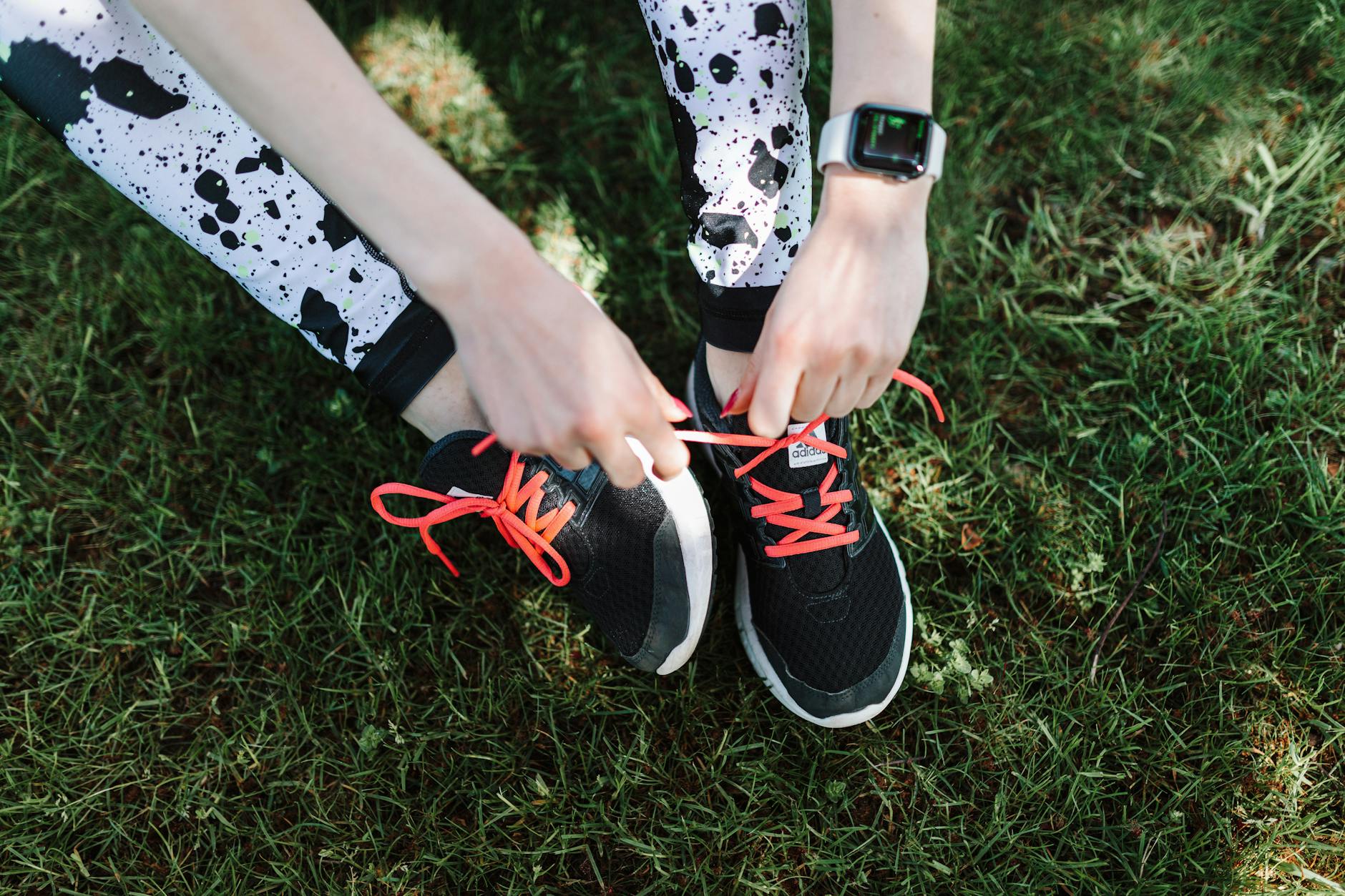
The ideal treadmill shoe balances cushioning, flexibility, weight, and breathability differently than its outdoor counterpart. Moderate cushioning outperforms both minimalist and maximalist options for most treadmill runners””enough protection for longer sessions without the instability of excessive foam. Look for shoes with responsive midsoles rather than soft, plush ones; the treadmill already provides a forgiving surface, so your shoe should return energy rather than absorb it into oblivion. Breathability deserves more consideration than most runners give it. Mesh uppers with minimal overlays allow heat and moisture to escape, preventing the swampy interior conditions that cause blisters and fungal issues.
Outdoor runners benefit from more protective uppers that shield against debris and weather; treadmill runners trade that protection for ventilation. An example worth considering: runners who develop hot spots or blisters only during treadmill runs but not outdoors should suspect inadequate ventilation rather than fit problems. The tradeoff between durability and weight shifts for treadmill use. Because you’re not grinding against asphalt or kicking trail debris, the outsole rubber can be thinner and softer than road shoes typically feature. This reduces weight and increases ground feel without sacrificing longevity since the treadmill belt causes far less abrasive wear than outdoor surfaces. Some runners successfully use lightweight racing flats for treadmill work that would disintegrate within weeks on roads””the durability concerns simply don’t apply.
The Sock-Shoe Interaction Most Runners Ignore
Your shoe doesn’t contact your foot directly””the sock mediates that relationship, and choosing the wrong combination undermines even the best footwear choice. Thick cotton socks that feel cozy for casual wear become moisture-retaining disasters during treadmill runs, expanding as they absorb sweat and throwing off your carefully calibrated shoe fit. The sock that made your shoes fit perfectly in the store creates toe box crunch and heel slippage during actual use. Synthetic moisture-wicking socks maintain consistent dimensions and move perspiration away from skin, but they introduce their own considerations. Some wicking fabrics create more friction against certain shoe linings, particularly when both the sock and shoe interior feature slick synthetic materials.
A runner experiencing heel slippage despite proper shoe sizing might solve the problem by switching sock materials rather than buying different shoes. Wool-blend running socks often provide the best combination of moisture management, temperature regulation, and appropriate friction for treadmill use. Compression socks and sleeves have gained popularity among treadmill runners, but they affect shoe fit in ways many users fail to anticipate. The additional material thickness, even a few millimeters, changes the relationship between foot and shoe. If you plan to use compression gear for treadmill runs, try shoes on while wearing that same gear rather than with standard socks.
Lacing Errors That Undermine Proper Fit
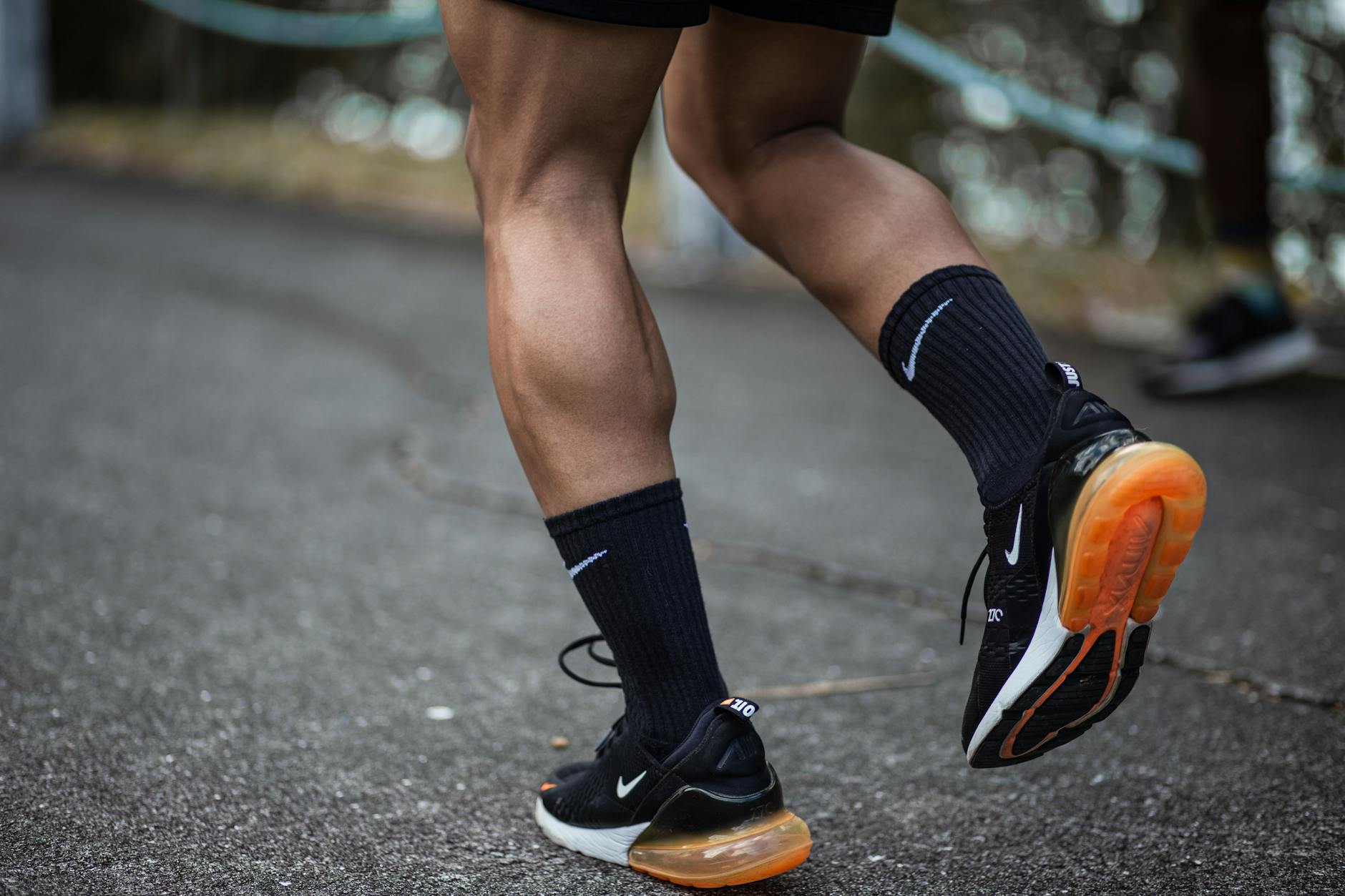
The factory lacing pattern on new shoes rarely represents the optimal configuration for any individual foot, yet most runners never modify it. Treadmill running’s repetitive, unchanging motion magnifies lacing problems that might go unnoticed during outdoor runs where terrain variations constantly shift pressure points. A lacing pattern that causes mild hot spots over varied outdoor surfaces creates genuine injury risk when that same pressure point gets hit identically with every single stride. The heel lock technique””running the laces through the top eyelets to create a loop before tying””prevents heel slippage without over-tightening the entire shoe. This matters particularly on treadmills because the belt’s backward motion can gradually work a loosely locked heel out of proper position.
Over a 45-minute session, subtle slippage compounds into significant rubbing and blister formation. However, runners with Achilles sensitivity should avoid heel lock lacing, as the additional pressure around the ankle collar can aggravate tendon issues. Experimenting with lacing modifications takes minimal time but yields substantial comfort improvements. Window lacing relieves pressure on the top of the foot, diagonal lacing accommodates high arches, and skipping eyelets provides more forefoot room without changing shoe size. Document which patterns work for your feet so you can immediately reconfigure new shoes rather than suffering through break-in periods that result from poor lacing rather than actual shoe fit.
How to Prepare
- **Remove the factory insoles and examine them.** Factory insoles often serve as cost-cutting placeholders rather than functional components. Feel the foam density, check the heel cup depth, and assess arch support. Many runners benefit from replacing generic insoles with quality aftermarket options that provide better cushioning and stability for treadmill running’s repetitive impact patterns.
- **Test flexibility by bending the shoe at the forefoot.** The shoe should flex where your foot naturally bends, just behind the toe joints. If the shoe bends in the middle of the arch or requires significant force to flex at all, it may fight your natural mechanics during treadmill running where the belt demands foot flexibility.
- **Check the heel counter for appropriate stiffness.** Squeeze the heel cup from both sides. It should resist compression enough to hold your heel stable but not feel rigid enough to cause pressure points. On treadmills, where foot strike patterns remain consistent, heel counter issues create problems quickly.
- **Verify adequate toe box room.** Remove the insole and stand on it””your toes should rest fully on the insole with slight room to spare. A common mistake is buying shoes that fit at rest but become constrictive when feet swell during treadmill workouts.
- **Wear your running socks and walk around the house for 15-20 minutes.** This break-in period identifies hot spots and fit issues before you’re committed to a full treadmill session. If problems emerge during walking, they’ll intensify during running.
How to Apply This
- **Shop for shoes at the end of the day or after a workout.** Your feet swell throughout the day and during exercise””buying shoes when feet are at their largest ensures adequate room during actual treadmill sessions when heat causes further expansion.
- **Request shoes with moderate cushioning and flexible forefoots.** Explicitly tell salespeople you’re buying for treadmill use so they can steer you away from heavily cushioned maximalist shoes or stiff stability models designed for road protection you don’t need indoors.
- **Prioritize breathability over durability in upper construction.** Examine the mesh panels, check for overlays that might restrict airflow, and compare weight between options. The lightest, most breathable option that still fits properly usually performs best on treadmills.
- **Walk on the store’s treadmill if available, or request a treadmill-specific return policy.** Many running stores have demo treadmills; use them rather than testing shoes only by walking on carpet. If the store lacks a treadmill, confirm you can return shoes after a treadmill test run at home.
Expert Tips
- **Rotate between two pairs of treadmill shoes** to allow midsole foam full recovery between sessions; foam that doesn’t have 24-48 hours to decompress loses cushioning properties faster.
- **Don’t buy shoes based solely on brand loyalty.** Manufacturers change midsole compounds, last shapes, and cushioning systems between model years””your favorite shoe from 2023 may perform completely differently in its 2026 version.
- **Replace treadmill shoes based on midsole compression, not outsole wear.** The belt causes minimal outsole abrasion, so shoes that look new externally may be functionally dead internally.
- **Avoid using treadmill shoes for outdoor running.** Keeping them dedicated to indoor use extends their life and maintains the consistent performance characteristics your body adapts to.
- **Do not purchase heavily discounted previous-year models without checking production dates.** Midsole foam degrades even sitting in warehouses; shoes manufactured more than two years prior have already lost cushioning properties regardless of whether they’ve been worn.
Conclusion
Treadmill running presents unique footwear demands that require more than simply transferring your outdoor favorites to the belt. The mistakes covered here””from wearing shoes past their effective lifespan to ignoring the sock-shoe relationship””represent preventable errors that compromise both performance and injury resistance. Understanding that the treadmill’s consistent surface, assisted leg turnover, and indoor heat conditions create specific requirements empowers you to make informed footwear choices.
The path forward involves honestly assessing your current treadmill shoes against these criteria. Check midsole compression, evaluate breathability, experiment with lacing patterns, and consider whether your shoes match the moderate cushioning and forefoot flexibility that treadmill running rewards. Small adjustments to your footwear approach can eliminate chronic hot spots, reduce injury risk, and make indoor running feel noticeably more comfortable. Your next treadmill session is an opportunity to apply these insights and feel the difference proper shoe selection makes.
Frequently Asked Questions
How long does it typically take to see results?
Results vary depending on individual circumstances, but most people begin to see meaningful progress within 4-8 weeks of consistent effort. Patience and persistence are key factors in achieving lasting outcomes.
Is this approach suitable for beginners?
Yes, this approach works well for beginners when implemented gradually. Starting with the fundamentals and building up over time leads to better long-term results than trying to do everything at once.
What are the most common mistakes to avoid?
The most common mistakes include rushing the process, skipping foundational steps, and failing to track progress. Taking a methodical approach and learning from both successes and setbacks leads to better outcomes.
How can I measure my progress effectively?
Set specific, measurable goals at the outset and track relevant metrics regularly. Keep a journal or log to document your journey, and periodically review your progress against your initial objectives.
When should I seek professional help?
Consider consulting a professional if you encounter persistent challenges, need specialized expertise, or want to accelerate your progress. Professional guidance can provide valuable insights and help you avoid costly mistakes.
What resources do you recommend for further learning?
Look for reputable sources in the field, including industry publications, expert blogs, and educational courses. Joining communities of practitioners can also provide valuable peer support and knowledge sharing.