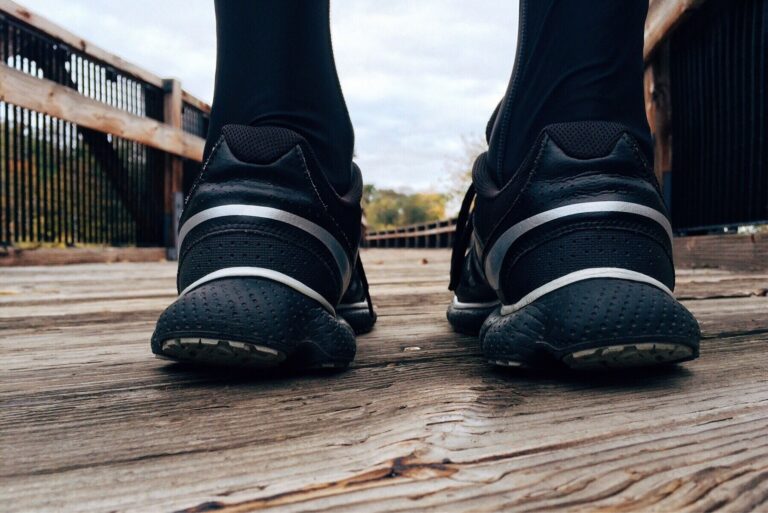
Lightweight running shoes perform better on treadmills than on outdoor surfaces for most runners. The cushioned, consistent belt of a treadmill eliminates the need for robust outsole grip and extra protective features, allowing runners to take full advantage of reduced shoe weight without sacrificing safety or durability. A runner wearing racing flats on a treadmill can focus purely on cadence and speed work, while that same shoe on asphalt or trails would wear down quickly and offer inadequate protection against rocks, roots, and uneven pavement. That said, the answer shifts depending on your running goals, weekly mileage, and the specific outdoor terrain you encounter.
A well-maintained park path on a dry day presents fewer challenges than a wet sidewalk or technical trail, meaning some lightweight options can still serve outdoor runners effectively in controlled conditions. Runners logging high mileage outdoors, however, typically need more substantial cushioning and durable outsoles than most lightweight models provide. This article examines the specific differences between treadmill and outdoor running demands, how shoe weight affects performance and injury risk, which lightweight features matter most for each environment, and how to choose the right shoe based on your training mix. We also cover preparation steps, application strategies, and expert guidance for making the most of lightweight footwear.
Table of Contents
- What Makes Lightweight Shoes Ideal for Treadmill Running?
- How Outdoor Terrain Challenges Lightweight Running Shoes
- Understanding Shoe Weight and Running Economy
- Choosing Lightweight Shoes for Your Training Environment
- Common Problems with Lightweight Shoes in Mixed Training
- Rotating Lightweight Shoes into Your Training Schedule
- How to Prepare
- How to Apply This
- Expert Tips
- Conclusion
- Frequently Asked Questions
What Makes Lightweight Shoes Ideal for Treadmill Running?
Treadmill running creates a uniquely forgiving environment that plays to the strengths of lightweight footwear. The belt surface provides consistent shock absorption, reducing the impact forces that travel through your legs with each footstrike. This means the aggressive cushioning systems found in heavier trainers become partially redundant, as the machine itself handles some of that protective work. Runners can shed ounces from their feet without increasing injury risk, and studies suggest that every 100 grams removed from a running shoe improves running economy by approximately one percent. The predictable, flat surface of a treadmill also eliminates the need for multi-directional traction patterns and reinforced toe guards.
Lightweight shoes typically feature minimal outsole rubber and thinner upper materials, which would be liabilities on rough outdoor terrain but pose no problems indoors. A competitive marathoner preparing for race day, for instance, might use lightweight trainers or racing flats exclusively on the treadmill for tempo runs and intervals, preserving more substantial shoes for long outdoor sessions. Temperature control inside a gym or home further benefits lightweight shoe users. These shoes typically feature breathable mesh uppers with minimal overlays, which can leave feet cold and wet in outdoor winter conditions but feel ideal in climate-controlled spaces. The combination of reduced weight, adequate protection for the environment, and thermal comfort makes lightweight shoes a natural fit for treadmill-focused training blocks.

How Outdoor Terrain Challenges Lightweight Running Shoes
outdoor running subjects shoes to variable surfaces, weather conditions, and impact forces that expose the limitations of ultralight designs. Concrete and asphalt deliver significantly higher ground reaction forces than treadmill belts, requiring more midsole cushioning to protect joints over time. A lightweight shoe with 20 millimeters of foam might feel responsive during a treadmill tempo run but leave a runner’s knees aching after the same workout on city streets. The cumulative stress difference becomes more pronounced as weekly mileage increases. Traction demands also shift dramatically outdoors. Wet leaves, loose gravel, painted crosswalks, and cracked sidewalks all require outsole patterns and rubber compounds that add weight but prevent slips and falls.
Lightweight racing flats often use blown rubber or minimal coverage patterns that wear through quickly on abrasive surfaces and offer little grip when conditions turn slippery. A runner who trains primarily outdoors in a rainy climate would burn through lightweight shoes in weeks rather than months. However, if you run exclusively on well-maintained bike paths during dry weather, lightweight trainers can perform adequately outdoors. The key distinction is terrain variability and conditions. Runners who encounter predictable, smooth surfaces with minimal weather exposure face fewer of the challenges that demand heavier, more protective footwear. Those dealing with seasonal changes, urban obstacles, or mixed surfaces benefit from reserving lightweight options for specific workouts rather than daily training.
Understanding Shoe Weight and Running Economy
Running economy measures how efficiently your body uses oxygen at a given pace, and shoe weight directly influences this metric. Research from the University of Colorado found that adding 100 grams per shoe increases the oxygen cost of running by about one percent, which translates to meaningful performance differences over race distances. Elite marathoners obsess over shoe weight for this reason, often racing in flats weighing under 200 grams despite training in shoes twice that heavy. The relationship between weight savings and performance is not linear, however. Removing cushioning to reduce weight can increase muscle fatigue and impact stress, ultimately hurting performance despite the metabolic advantage.
Modern super shoes attempt to solve this tradeoff by using lightweight foam compounds like Pebax and adding carbon fiber plates that return energy without adding substantial mass. These technologies have compressed the weight penalty of adequate cushioning, making well-designed lightweight shoes viable for longer efforts. For recreational runners, the running economy benefits of lighter shoes matter less than comfort and injury prevention. Someone running 10-minute miles will not notice the same percentage gains as an elite running sub-five-minute pace. A 40-year-old weekend warrior might benefit more from the joint protection of a heavier stability shoe than from the marginal efficiency improvement of racing flats. Understanding your pace, goals, and physical needs helps determine how much weight savings actually translates to real-world benefit.
Choosing Lightweight Shoes for Your Training Environment
Selecting the right lightweight shoe requires honest assessment of where and how you actually run. Treadmill-dominant runners can prioritize minimal outsoles, breathable uppers, and responsive midsoles without worrying about durability or traction. Models like the Nike Streak or Saucony Fastwitch excel in these controlled conditions, offering racing-flat sensations for speed work and tempo efforts. These shoes might last 300 miles on a treadmill but only 150 on pavement. Outdoor runners need more versatility from lightweight options. Shoes in the 220-260 gram range, such as the Brooks Hyperion or New Balance FuelCell Rebel, balance reduced weight with enough cushioning and outsole coverage for road running.
These models sacrifice some responsiveness compared to true racing flats but handle the demands of varied outdoor surfaces without rapid breakdown. They work well for runners splitting time between treadmill intervals and outdoor long runs. The tradeoff in any lightweight shoe involves durability, protection, and cost. Racing flats and minimal trainers wear out faster than standard daily trainers, meaning you replace them more frequently at similar or higher price points. Runners on tight budgets might reserve lightweight shoes for key workouts and races while using more substantial options for easy mileage. This rotation strategy extends the life of expensive performance shoes while still providing their benefits when they matter most.
Common Problems with Lightweight Shoes in Mixed Training
Runners who train across both treadmill and outdoor environments often encounter fit and performance inconsistencies when using lightweight shoes interchangeably. A shoe that feels perfectly snug on the treadmill may cause hot spots or blisters when worn outdoors, where foot swelling from heat and varied foot strike angles stress different pressure points. The minimal padding and structure in lightweight uppers provides less accommodation for these variations, leading to discomfort that heavier trainers would mask. Durability problems accelerate when lightweight shoes face outdoor abuse they were not designed for. Runners sometimes purchase racing flats for treadmill speed work, then wear them outside for “just one outdoor tempo run” that becomes a regular habit.
The thin outsoles wear unevenly, the midsole foam compresses faster under higher impact forces, and the shoe loses its performance characteristics within weeks. Warning signs include visible midsole compression lines, worn-through outsole patches, and reduced energy return that makes the shoe feel dead. Injury patterns can also emerge from inappropriate lightweight shoe use. Runners transitioning from cushioned trainers to minimal shoes need gradual adaptation periods, regardless of running surface. Jumping directly into lightweight options for high mileage often triggers Achilles tendon stress, plantar fascia irritation, and metatarsal pain. These issues arise more frequently when outdoor running compounds the reduced protection of lighter shoes, creating a double challenge for unprepared feet and legs.

Rotating Lightweight Shoes into Your Training Schedule
Strategic shoe rotation maximizes the benefits of lightweight footwear while minimizing durability and injury concerns. Many coaches recommend using lightweight shoes for specific workouts rather than all running. Treadmill intervals, track sessions, and race-pace tempo efforts benefit most from reduced shoe weight, while easy runs and long slow distance can use more protective daily trainers.
This approach lets runners experience lightweight benefits during quality sessions without accumulating excessive wear or stress. A practical rotation for someone running five days per week might include lightweight shoes for two treadmill sessions, daily trainers for two outdoor easy runs, and a moderate weight option for the weekend long run. This setup keeps total weekly mileage in lightweight shoes below 40 percent while still building adaptation and preserving the shoes for workouts where they matter most. Runners can adjust ratios based on race goals, with higher lightweight percentages appropriate during peak phases before goal races.
How to Prepare
- **Assess your current footwear baseline.** Weigh your existing running shoes and note their cushioning level. If you currently run in shoes over 300 grams with significant heel-toe drop, plan for a gradual transition rather than an immediate switch to minimal options.
- **Strengthen feet and lower legs before transitioning.** Spend two to four weeks performing calf raises, toe curls, single-leg balance work, and barefoot walking to prepare supporting structures for reduced shoe protection.
- **Start lightweight shoe use on the treadmill exclusively.** The forgiving surface allows your body to adapt to the new shoe characteristics without compounding stress from harder outdoor terrain. Begin with short easy runs before progressing to faster workouts.
- **Limit initial lightweight sessions to 20-30 percent of normal duration.** A runner accustomed to 60-minute treadmill runs should start with 15-20 minutes in new lightweight shoes, gradually extending over several weeks.
- **Monitor for warning signs including Achilles tightness, arch pain, or metatarsal soreness.** These symptoms indicate adaptation stress that requires backing off rather than pushing through. Common mistake: ignoring early discomfort signals and continuing to increase lightweight shoe mileage, leading to overuse injuries that sideline training entirely.
How to Apply This
- **Designate specific workouts for lightweight shoes** rather than wearing them randomly. Intervals, tempo runs, and race simulations benefit most from reduced weight, while recovery runs and long slow efforts warrant more protective footwear.
- **Match shoe selection to running surface.** Use your lightest options on the treadmill or track, moderately light trainers for smooth outdoor paths, and save traditional trainers for rough terrain or adverse weather.
- **Track mileage separately for each shoe pair** using a running app or simple log. Replace lightweight shoes before they lose cushioning properties, typically at 200-350 miles depending on construction and use patterns.
- **Evaluate performance and comfort monthly** by comparing workout times and post-run sensations across shoe types. Adjust rotation strategy based on which combinations produce the best training responses without accumulating fatigue or pain.
Expert Tips
- Weigh shoes with a kitchen scale before purchasing, as manufacturer listed weights often represent only one size and can vary significantly from your actual shoe weight.
- Do not use lightweight racing shoes for your first attempt at a new distance, since the reduced protection may cause issues that would not appear in familiar workout contexts.
- Replace treadmill-dedicated lightweight shoes based on foam compression rather than outsole wear, as the belt causes minimal rubber degradation while still breaking down midsole materials.
- Consider lightweight shoes with slightly higher stack heights if you need cushioning for outdoor runs, as modern foams can deliver protection without traditional weight penalties.
- Avoid running in lightweight shoes when you have existing lower leg injuries, since the reduced structure and cushioning can exacerbate healing tissue and prolong recovery time.
Conclusion
Lightweight running shoes deliver their greatest advantages on treadmill surfaces, where the cushioned belt and controlled environment reduce demands for robust protection and traction. Runners can safely enjoy the metabolic benefits of reduced shoe weight during indoor training while reserving more substantial footwear for the variable challenges of outdoor running. This strategic approach maximizes performance benefits while managing durability concerns and injury risk.
Building lightweight shoes into a thoughtful rotation requires preparation, gradual adaptation, and honest assessment of training environments and goals. Runners who approach lightweight footwear as a specialized tool rather than an everyday solution tend to experience the best outcomes. Start with treadmill-focused use, monitor your body’s response, and expand outdoor applications only when conditions and your physical readiness align with the demands these shoes create.
Frequently Asked Questions
How long does it typically take to see results?
Results vary depending on individual circumstances, but most people begin to see meaningful progress within 4-8 weeks of consistent effort. Patience and persistence are key factors in achieving lasting outcomes.
Is this approach suitable for beginners?
Yes, this approach works well for beginners when implemented gradually. Starting with the fundamentals and building up over time leads to better long-term results than trying to do everything at once.
What are the most common mistakes to avoid?
The most common mistakes include rushing the process, skipping foundational steps, and failing to track progress. Taking a methodical approach and learning from both successes and setbacks leads to better outcomes.
How can I measure my progress effectively?
Set specific, measurable goals at the outset and track relevant metrics regularly. Keep a journal or log to document your journey, and periodically review your progress against your initial objectives.
When should I seek professional help?
Consider consulting a professional if you encounter persistent challenges, need specialized expertise, or want to accelerate your progress. Professional guidance can provide valuable insights and help you avoid costly mistakes.
What resources do you recommend for further learning?
Look for reputable sources in the field, including industry publications, expert blogs, and educational courses. Joining communities of practitioners can also provide valuable peer support and knowledge sharing.