
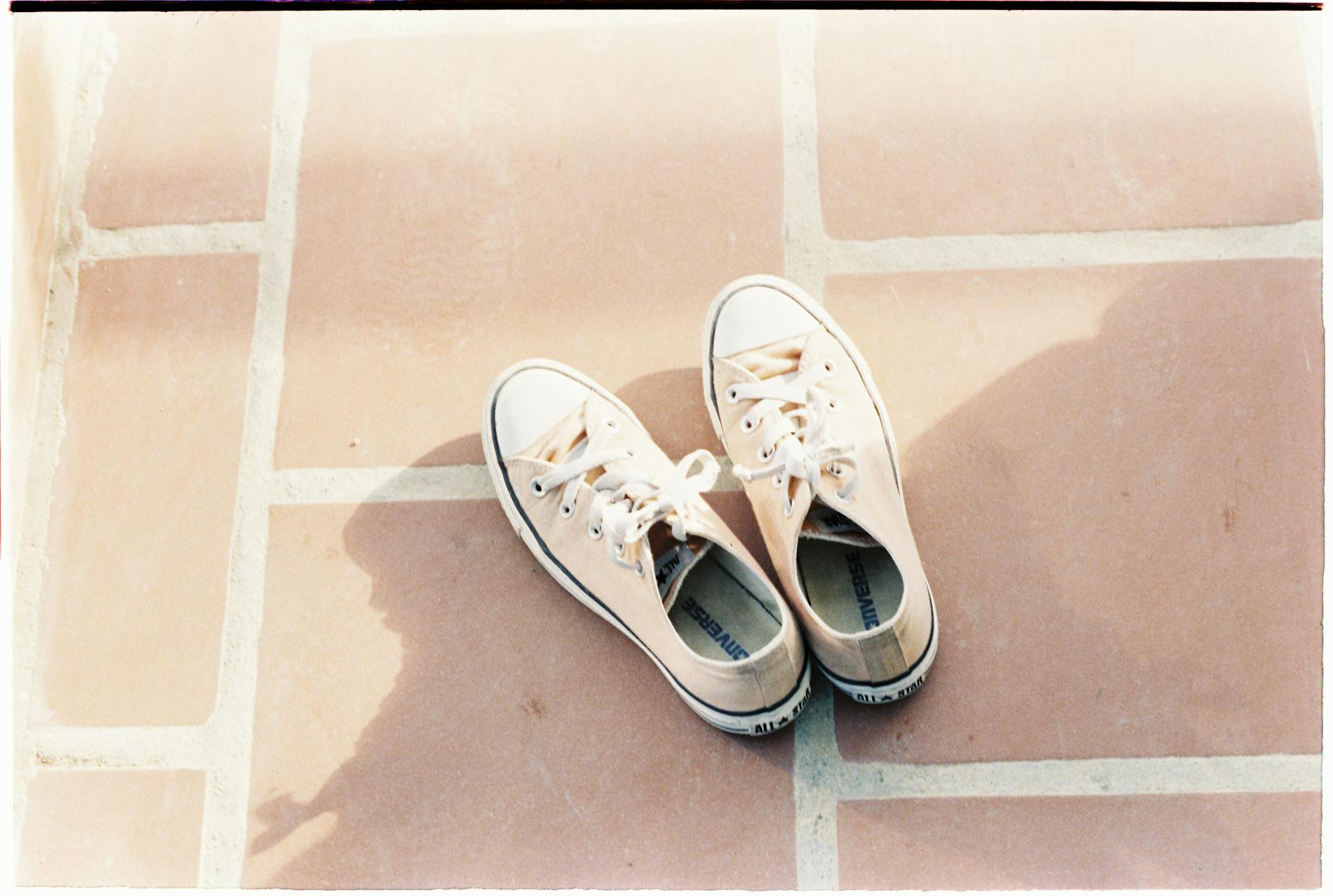
The question of when one pair of shoes works for both running and everyday activities””and when it absolutely does not””sits at the intersection of budget practicality and biomechanical reality. Every runner has faced this dilemma at some point: standing in a shoe store, wondering whether that sleek pair of trainers can pull double duty on morning runs and afternoon errands. The answer, as with most things in fitness, depends on several factors that go far beyond simple convenience. Running shoes represent a significant investment, with quality pairs ranging from $120 to $250 or more.
The temptation to maximize that investment by wearing running shoes for everything from grocery shopping to casual walks makes financial sense on the surface. However, the hidden costs of this approach””accelerated shoe degradation, potential injury risk, and compromised performance””often outweigh any perceived savings. Understanding when crossover use is acceptable and when dedicated footwear becomes non-negotiable can save runners from nagging injuries and wasted money. This article breaks down the specific scenarios where dual-purpose shoe use works fine, where it creates problems, and how to make informed decisions based on your running volume, biomechanics, and lifestyle demands. By the end, you will have a clear framework for evaluating your own situation rather than relying on generic advice that ignores individual circumstances.
Table of Contents
- Can One Pair of Running Shoes Work for Both Training and Daily Wear?
- How Shoe Construction Determines When Dual Use Works and When It Does Not
- Understanding Midsole Breakdown and Why It Matters for Shoe Selection
- Practical Guidelines for Deciding When to Separate Your Running and Everyday Shoes
- Common Problems That Arise When Using Running Shoes for Everything
- When Specialty Running Shoes Absolutely Require Single-Purpose Use
- How to Prepare
- How to Apply This
- Expert Tips
- Conclusion
- Frequently Asked Questions
Can One Pair of Running Shoes Work for Both Training and Daily Wear?
The short answer is yes, but only under specific conditions. For runners logging fewer than 15 miles per week with neutral biomechanics and no history of overuse injuries, runningcardio.com/the-truth-about-using-trail-or-road-shoes-on-a-treadmill/” title=”The Truth About Using Trail or Road Shoes on a Treadmill”>using a single pair of running shoes for both training and light daily activities rarely causes problems. The key qualifier here is “light daily activities”””meaning walking on relatively flat surfaces, standing for moderate periods, and engaging in sedentary work. This scenario describes many recreational joggers who run two to three times weekly and otherwise lead desk-based lives. The physics behind this conditional approval relates to cumulative midsole compression. Running shoe foam, whether traditional EVA or newer compounds like Nike’s ZoomX or Saucony’s PWRRUN+, loses approximately 15-20% of its responsiveness after 300-500 miles of running.
When you add walking miles, that degradation accelerates. A runner covering 15 miles per week who also walks 3 miles daily in the same shoes effectively doubles the stress load on the midsole. For low-mileage runners, this accelerated wear might reduce shoe lifespan from eight months to five months””annoying but not catastrophic. Where the math breaks down is for runners covering 25+ miles weekly. At this volume, shoe rotation becomes essential for both performance and injury prevention. Research from the Luxembourg Institute of Health found that runners who rotated between multiple pairs of shoes had a 39% lower injury risk compared to single-pair users. The working theory is that different shoes create slightly different stress patterns on muscles, tendons, and joints, preventing the repetitive strain that leads to overuse injuries.
- **Acceptable dual use**: Low-mileage runners (under 15 miles/week) with neutral gait using shoes for light walking only
- **Questionable dual use**: Moderate-mileage runners (15-25 miles/week) using shoes for both running and extended standing or walking
- **Inadvisable dual use**: High-mileage runners or anyone with biomechanical issues requiring specific support features

How Shoe Construction Determines When Dual Use Works and When It Does Not
Running shoes fall into several categories, and each responds differently to crossover use. Neutral cushioned trainers like the Brooks Ghost or ASICS Gel-Nimbus handle dual-purpose wear reasonably well because their design prioritizes durability and comfort over aggressive performance features. These shoes typically weigh 10-11 ounces and use moderately dense foam that compresses gradually rather than dramatically. Walking in them creates different stress patterns than running but does not fundamentally compromise their function. Stability shoes with medial posts or guidance systems present a more complicated picture. Models like the Brooks Adrenaline GTS or New Balance 860 include firmer foam sections designed to prevent overpronation during the running gait cycle. When walking, foot mechanics change significantly””ground contact time increases from roughly 250 milliseconds while running to 600+ milliseconds while walking.
This extended contact time means stability features engage differently, potentially creating discomfort or even overcorrecting during everyday use. Runners who need stability shoes for pronation control during running may find them uncomfortable or unnecessary for walking. Racing shoes and carbon-plated models represent the clearest case where one pair absolutely does not work for both purposes. The Nike Vaporfly, ASICS Metaspeed, and similar performance shoes use aggressive geometry, minimal outsole rubber, and foam compounds optimized for high-speed energy return. Walking in these shoes wastes their limited lifespan on activities that derive no benefit from their specialized construction. More importantly, the rocker geometry and plate stiffness that aid running efficiency can feel awkward and unstable during normal walking. A $250 carbon racer used for casual wear is money thrown away.
- **Best for dual use**: Traditional neutral trainers with balanced cushioning and durable outsoles
- **Moderate dual-use potential**: Stability shoes, though walking comfort may suffer
- **Poor dual-use candidates**: Racing flats, carbon-plated shoes, minimalist footwear, and maximalist designs with aggressive rocker geometry
Understanding Midsole Breakdown and Why It Matters for Shoe Selection
Midsole foam operates like a spring that gradually loses its bounce. Fresh foam compresses under load and rebounds quickly, returning energy to the runner. After repeated compression cycles, the cellular structure of the foam develops microdamage that reduces its ability to spring back. This degradation happens whether you are running, walking, or simply standing””though running creates more severe compression with each footstrike. The traditional 300-500 mile replacement guideline assumes running-only use. Adding walking miles complicates this calculation.
A reasonable estimate suggests that 3 miles of walking creates roughly the same cumulative stress as 1 mile of running, though this varies based on body weight and walking speed. A 180-pound runner who logs 20 running miles and 21 walking miles weekly in the same shoes experiences the equivalent of 27 running miles of wear. Over a month, that adds up to 108 effective miles rather than 80 pure running miles””a 35% acceleration in shoe degradation. The practical consequence is that runners who use a single pair for everything need to replace shoes more frequently or accept diminished cushioning performance. Neither outcome is necessarily wrong, but runners should make this choice consciously rather than discovering their shoes have gone flat after developing knee pain or shin splints. Tracking total miles””running plus walking””provides a more accurate picture of remaining shoe life.
- Midsole foam loses 15-20% of cushioning performance over the shoe’s lifespan
- Walking miles add cumulative stress at roughly one-third the rate of running miles
- Body weight significantly affects compression rates””heavier runners see faster degradation

Practical Guidelines for Deciding When to Separate Your Running and Everyday Shoes
The decision framework starts with weekly running volume. Runners covering 20+ miles per week benefit substantially from keeping running shoes exclusively for running. The combination of faster foam recovery between sessions and extended shoe lifespan typically justifies the cost of separate everyday footwear. At this mileage, shoes see enough stress that adding non-running wear meaningfully impacts performance and durability. Occupation and lifestyle factors equally influence this decision. Nurses, teachers, retail workers, and others who spend hours on their feet face different considerations than office workers who walk from the parking lot to a desk chair.
Extended standing compresses midsole foam continuously rather than through the repeated impact cycles of running. Eight hours of standing may stress foam differently than running, but the cumulative effect still matters. Runners with physically demanding jobs should almost always maintain separate footwear for work and training. The exception to these guidelines involves travel and space constraints. Runners who frequently travel for work or leisure sometimes cannot practically pack multiple pairs of shoes. In these situations, using running shoes for both purposes during the trip makes sense, accepting that some shoe life gets sacrificed for convenience. The key is recognizing this as a compromise rather than an ideal arrangement and adjusting expectations accordingly.
- **Runners over 20 miles/week**: Strongly recommended to keep running shoes for running only
- **Runners with active jobs**: Should maintain separate footwear to preserve running shoe integrity
- **Runners with sedentary lifestyles and low mileage**: Have more flexibility for dual-purpose use
- **Traveling runners**: May reasonably use running shoes for daily wear as a temporary compromise
Common Problems That Arise When Using Running Shoes for Everything
The most frequent complaint from dual-use runners is premature breakdown of heel cushioning. The heel cup and surrounding foam see compression both during heel-strike running and during standing and walking. Unlike forefoot foam that primarily compresses during push-off, heel foam works constantly throughout the day for dual-use runners. Many runners notice their shoes feel fine on the forefoot but “dead” in the heel well before reaching expected mileage. Outsole wear patterns also shift problematically with dual use. Running typically wears the lateral heel and medial forefoot in a predictable pattern.
Walking emphasizes heel wear more centrally and grinds down rubber more uniformly. The combination accelerates overall outsole degradation and can alter the shoe’s geometry, potentially affecting running gait. Runners who notice their shoes wearing unevenly or losing traction should evaluate whether dual-purpose use contributes to the problem. A subtler issue involves the psychological association between shoes and activity. Elite athletes and sports psychologists note that dedicated gear helps create mental separation between training and rest. Wearing running shoes for everything can blur this distinction, potentially making the act of putting on running shoes feel less purposeful. While this effect varies individually, some runners find that keeping dedicated running footwear helps reinforce the habit and ritual of training.
- Heel cushioning degrades faster than forefoot cushioning with dual use
- Outsole wear patterns compound, accelerating overall shoe breakdown
- Mental associations between gear and activity may affect training motivation

When Specialty Running Shoes Absolutely Require Single-Purpose Use
Trail running shoes deserve mention as a category where dual use creates immediate problems rather than gradual degradation. The aggressive lugs, rock plates, and protective features that make trail shoes effective off-road become liabilities on pavement and indoor surfaces. Lugs wear rapidly on hard surfaces, rock plates create stiffness uncomfortable for flat-ground walking, and the overall construction prioritizes stability over versatility. Trail runners should absolutely maintain separate everyday footwear.
Motion control shoes, prescribed for severe overpronation, similarly demand single-purpose use. These shoes incorporate substantial medial posts and firm structures that correct excessive inward rolling during running. During walking, when pronation mechanics differ, these aggressive corrections can create knee or hip discomfort. Runners who need motion control during training should select a different everyday shoe that provides modest support without the extreme intervention.
How to Prepare
- **Calculate your true weekly mileage** by adding running miles plus estimated walking miles. If this total exceeds 30 combined miles, dedicated running shoes become the practical choice regardless of other factors.
- **Assess your injury history** over the past two years. Runners with recurring stress fractures, plantar fasciitis, Achilles tendonitis, or IT band syndrome need to prioritize optimal shoe performance, making dual use inadvisable.
- **Evaluate your daily activity level** honestly. Count approximate hours spent standing and walking during work and non-running activities. More than four hours daily of standing or walking suggests separate footwear serves your interests.
- **Consider your body weight** relative to shoe construction. Runners weighing over 180 pounds create more compression force per footstrike and benefit more from preserving shoe cushioning for running specifically.
- **Review your shoe budget and replacement habits** realistically. Runners who already stretch shoes well beyond recommended mileage cannot afford additional degradation from dual use.
How to Apply This
- **For acceptable dual-use situations**, track combined mileage diligently and reduce expected shoe lifespan by 25-30%. Replace shoes based on total stress rather than running miles alone.
- **When separating footwear**, retire older running shoes to walking duty rather than purchasing separate walking shoes. This extends useful life while protecting current training shoes.
- **During travel or space-limited situations**, prioritize running shoes with versatile appearances and durable outsoles that handle pavement walking without rapid degradation.
- **If unsure about your situation**, err toward separating footwear. The potential cost of injury from compromised shoes far exceeds the expense of maintaining dedicated running footwear.
Expert Tips
- **Rotate between two running pairs** if dual use seems unavoidable. Alternating shoes allows foam recovery time between sessions and reduces total stress on any single pair.
- **Check heel compression monthly** by pressing your thumb firmly into the heel cup. Fresh foam springs back immediately; degraded foam stays compressed momentarily. This simple test reveals cushioning loss before problems develop.
- **Store running shoes loosely** rather than packed tightly. Foam recovery happens partially through rest, and compression during storage works against this process.
- **Consider everyday shoes with running shoe technology** like Nike Pegasus-derived casual models or New Balance Fresh Foam lifestyle shoes. These provide familiar comfort without sacrificing dedicated running footwear.
- **Track walking patterns for one week** using a phone or watch step counter before making footwear decisions. Most people underestimate daily walking volume significantly.
Conclusion
The decision of when one pair of shoes works for both running and daily activities””and when it absolutely does not””ultimately depends on running volume, biomechanical needs, lifestyle demands, and personal priorities. Low-mileage runners with neutral gait and sedentary jobs have genuine flexibility in this decision. High-mileage runners, those with injury history or corrective shoe needs, and people with active daily lives should maintain dedicated footwear to protect both shoe performance and long-term running health.
Understanding the tradeoffs allows informed decision-making rather than default habits. Running shoe technology continues advancing, but the fundamental physics of foam compression remain constant. Shoes that absorb impact for both training and daily life cannot provide the same performance or longevity as dedicated running footwear. Whether that compromise matters depends entirely on individual circumstances, and now you have the framework to evaluate yours honestly.
Frequently Asked Questions
How long does it typically take to see results?
Results vary depending on individual circumstances, but most people begin to see meaningful progress within 4-8 weeks of consistent effort. Patience and persistence are key factors in achieving lasting outcomes.
Is this approach suitable for beginners?
Yes, this approach works well for beginners when implemented gradually. Starting with the fundamentals and building up over time leads to better long-term results than trying to do everything at once.
What are the most common mistakes to avoid?
The most common mistakes include rushing the process, skipping foundational steps, and failing to track progress. Taking a methodical approach and learning from both successes and setbacks leads to better outcomes.
How can I measure my progress effectively?
Set specific, measurable goals at the outset and track relevant metrics regularly. Keep a journal or log to document your journey, and periodically review your progress against your initial objectives.
When should I seek professional help?
Consider consulting a professional if you encounter persistent challenges, need specialized expertise, or want to accelerate your progress. Professional guidance can provide valuable insights and help you avoid costly mistakes.
What resources do you recommend for further learning?
Look for reputable sources in the field, including industry publications, expert blogs, and educational courses. Joining communities of practitioners can also provide valuable peer support and knowledge sharing.
2 thoughts on “When One Pair of Shoes Works for Both and When It Absolutely Does Not”
Comments are closed.