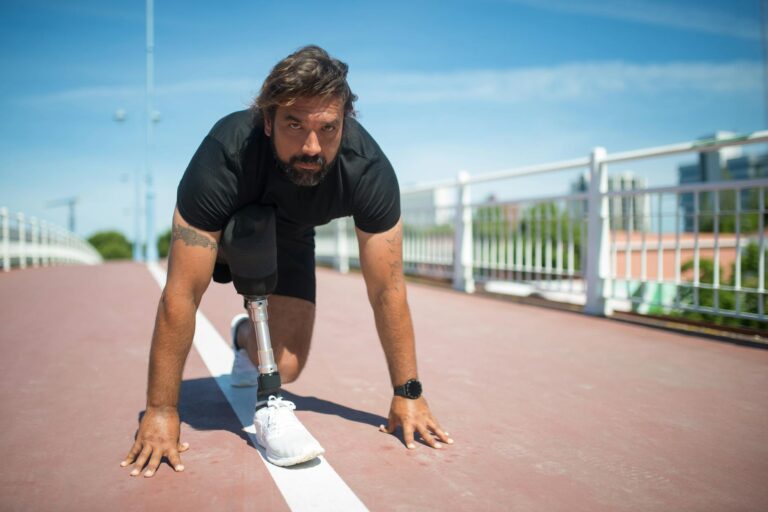
The emotional and physical state of a well-executed long treadmill run represents one of the most complex and rewarding experiences available to endurance athletes. Unlike outdoor running, where changing scenery and terrain provide external stimulation, treadmill running demands that runners navigate an internal landscape of sensation, thought, and physiological response. This unique challenge makes the treadmill an exceptional tool for developing mental fortitude while simultaneously building cardiovascular capacity and muscular endurance. Many runners approach the treadmill with apprehension, viewing it as a monotonous necessity rather than an opportunity for profound physical and psychological growth.
The questions surrounding indoor endurance work are numerous: How does one maintain focus during extended periods of stationary running? What happens to the body and mind during a 60, 90, or 120-minute treadmill session? Why do some runners emerge from long treadmill runs feeling depleted while others experience euphoria and accomplishment? These questions deserve thorough examination because understanding the interplay between physical exertion and emotional response can transform how runners approach their indoor training. By the end of this article, readers will gain comprehensive insight into the physiological mechanisms that govern long treadmill efforts, the psychological stages that typically unfold during extended runs, and the strategies that distinguish a well-executed session from a grueling slog. The distinction matters enormously because the quality of a long treadmill run extends far beyond simple metrics like distance and pace. A truly successful session leaves the runner physically fatigued yet emotionally satisfied, having navigated the internal challenges that make treadmill running both demanding and deeply rewarding.
Table of Contents
- What Happens to Your Body and Mind During a Long Treadmill Run?
- The Psychological Stages of Extended Treadmill Running
- Physical Markers of a Well-Executed Long Run on the Treadmill
- How to Achieve the Optimal Emotional State for Treadmill Endurance
- Common Challenges That Disrupt the Physical and Emotional State During Long Treadmill Runs
- The Neurochemistry Behind the Treadmill Running High
- How to Prepare
- How to Apply This
- Expert Tips
- Conclusion
- Frequently Asked Questions
What Happens to Your Body and Mind During a Long Treadmill Run?
The physical state during an extended treadmill session follows a predictable yet fascinating progression that begins the moment feet start moving on the belt. During the first ten to fifteen minutes, the cardiovascular system undergoes a transition period as heart rate elevates from resting levels toward the target zone for sustained aerobic effort. Blood vessels dilate, particularly in working muscles, while the respiratory system increases both rate and depth of breathing. Core temperature begins its gradual climb, prompting the thermoregulatory system to initiate sweating. These early minutes often feel awkward as the body negotiates the shift from rest to sustained movement. The mental experience during this initial phase tends toward heightened awareness of discomfort and doubt. Runners frequently notice every minor sensation: the tightness in their calves, the slight chafing of their shorts, the artificial nature of the treadmill environment.
Research from sports psychology laboratories consistently shows that the first fifteen to twenty minutes of any endurance effort represent a critical psychological threshold. The brain, not yet flooded with endorphins and operating on full conscious awareness, tends to amplify negative signals and question the wisdom of the undertaking. Understanding this pattern allows runners to push through initial resistance rather than interpreting early discomfort as a sign that something is wrong. As the run progresses into the twenty to forty-minute range, a remarkable transformation typically occurs. The body settles into what exercise physiologists call steady-state metabolism, where oxygen delivery matches oxygen demand and the energy systems operate efficiently. Glycogen stores provide consistent fuel, and the working muscles develop a rhythmic efficiency. Simultaneously, the brain begins releasing beta-endorphins and other neurochemicals that modulate pain perception and promote feelings of well-being. This transition marks the beginning of what many runners describe as “finding their groove,” a state characterized by reduced perceived effort despite maintained or increased physical output.
- The cardiovascular system requires approximately 10-15 minutes to reach steady-state efficiency during sustained running
- Core body temperature increases by 1-2 degrees Celsius during a typical long run, triggering thermoregulatory responses
- Endorphin release typically begins between 20-40 minutes into sustained aerobic exercise
The Psychological Stages of Extended Treadmill Running
The emotional journey of a long treadmill run unfolds in distinct phases that parallel the body’s physiological adaptations. The initial stage, spanning roughly the first quarter of the run, involves what psychologists term “orientation and assessment.” During this period, the mind actively evaluates the body’s readiness, the environmental conditions, and the feasibility of completing the planned distance or duration. Negative self-talk peaks during this phase, with internal dialogue often questioning the necessity of the effort or suggesting abbreviated alternatives. Successful runners learn to recognize this pattern and respond with patience rather than panic. The middle portion of a well-executed long treadmill run often produces a psychological state that researchers have termed “transient hypofrontality.” This somewhat technical term describes a reduction in activity within the prefrontal cortex, the brain region responsible for analytical thinking, worry, and self-criticism. As the body’s resources flow increasingly toward the muscular and cardiovascular systems, higher cognitive functions temporarily diminish.
Many runners describe this state as meditative or flow-like, characterized by a narrowed focus on immediate sensations and a suspension of past regrets or future anxieties. Time perception shifts, with minutes passing unnoticed that would have felt interminable during the opening phase. The final stage of a long treadmill run tests psychological resources in a different manner. As glycogen stores deplete and muscular fatigue accumulates, the brain must reconcile increasing physical distress signals with the commitment to complete the planned effort. This stage often involves a form of internal negotiation, where the runner actively manages attention, redirects focus from discomfort to accomplishment, and draws upon motivational reserves. The emotional state upon completion depends largely on how this final stage unfolds. Runners who successfully navigate the late-run challenge typically experience profound satisfaction, while those who succumb to the temptation to quit early often feel disappointment that overshadows whatever physical work they completed.
- Orientation and assessment phase occurs during the first 15-25% of the run duration
- Transient hypofrontality typically develops during the middle third of extended efforts
- Late-run psychological management determines the overall emotional outcome of the session
Physical Markers of a Well-Executed Long Run on the Treadmill
Distinguishing a well-executed treadmill run from a suboptimal effort requires attention to specific physical indicators that emerge during and after the session. Heart rate response provides one of the most reliable metrics for evaluating execution quality. During a properly paced long run, heart rate should rise gradually during the first fifteen minutes before stabilizing within the target aerobic zone. A well-executed session shows minimal cardiac drift, the phenomenon where heart rate creeps upward despite constant pace, indicating that hydration, fueling, and initial pacing were appropriately managed. Runners who experience dramatic heart rate escalation during the second half of their run have typically started too fast, under-fueled, or allowed dehydration to compromise cardiovascular efficiency. Muscular feedback offers another window into execution quality. The physical state during a successful long treadmill run involves progressive but manageable fatigue that accumulates predictably rather than arriving in sudden waves.
Runners should notice increasing heaviness in the legs without experiencing sharp pains, cramping, or the sensation of muscular failure. The distinction matters because well-executed efforts stress the aerobic system and slow-twitch muscle fibers in a manner that promotes adaptation, while poorly executed sessions often involve premature recruitment of fast-twitch fibers and metabolic crisis that delays recovery without producing proportional training benefit. Post-run physical indicators further reveal execution quality. A well-executed long treadmill run leaves runners tired but not destroyed. Appetite returns within an hour or two, sleep that night is deep and restorative, and muscle soreness over the following days remains moderate. Conversely, poor execution often manifests as suppressed appetite, disrupted sleep, excessive inflammation, and prolonged recovery needs. These differences underscore why execution quality matters as much as raw distance or duration. A sixty-minute treadmill run performed with proper pacing, fueling, and psychological management produces superior training adaptations compared to an eighty-minute death march that leaves the runner depleted for days.
- Heart rate stability throughout the run indicates appropriate pacing and hydration
- Progressive muscular fatigue without sharp pains suggests proper intensity management
- Post-run recovery quality serves as a reliable indicator of execution quality

How to Achieve the Optimal Emotional State for Treadmill Endurance
Creating the conditions for a positive emotional experience during long treadmill running involves deliberate preparation across multiple domains. Environmental factors play a surprisingly significant role in shaping psychological state. Temperature represents a critical variable, with most runners finding that slightly cooler conditions, typically between 64-68 degrees Fahrenheit, promote comfort during extended efforts. Adequate airflow from fans positioned to move air across the body helps dissipate heat and reduces the claustrophobic sensation that some runners experience on the treadmill. Lighting conditions merit consideration as well, with many runners preferring natural light or full-spectrum artificial lighting over dim or harsh fluorescent environments. Mental preparation strategies significantly influence the emotional trajectory of a long treadmill run. Entering the session with a clear purpose beyond simply accumulating miles helps establish psychological buy-in that sustains motivation through difficult patches.
Some runners find that segmenting the total duration into smaller blocks creates manageable psychological targets. A ninety-minute run becomes three thirty-minute segments, each with its own focus or entertainment strategy. Others prefer to minimize time awareness entirely, covering the treadmill display and relying on podcasts, audiobooks, or music to occupy conscious attention while the body works. The emotional state during treadmill running responds powerfully to self-talk patterns and cognitive framing. Runners who interpret physical sensations through a lens of progress and accomplishment generally maintain more positive psychological states than those who focus on discomfort and remaining distance. This principle does not suggest ignoring genuine distress signals but rather developing the capacity to contextualize normal exercise-induced sensations as evidence of productive effort. Language patterns matter: thinking “my legs feel strong and efficient” produces different emotional outcomes than “my legs are getting tired,” even when describing identical physical sensations.
- Environmental temperature between 64-68 degrees Fahrenheit optimizes comfort for most runners
- Mental segmentation of long runs reduces psychological burden and provides intermediate accomplishments
- Cognitive reframing of physical sensations influences emotional state throughout the run
Common Challenges That Disrupt the Physical and Emotional State During Long Treadmill Runs
Several predictable obstacles threaten to derail the physical and emotional state during extended treadmill sessions, and understanding these challenges allows runners to develop preventive strategies. Boredom represents perhaps the most frequently cited difficulty, arising from the combination of physical confinement and visual monotony. Unlike outdoor running, where the environment provides constantly changing stimulation, treadmill running places the burden of mental engagement entirely on the runner. Research suggests that boredom during exercise correlates with increased perceived effort, meaning that monotony literally makes the running feel harder. Developing robust entertainment strategies or mental occupation techniques becomes essential for runners who regularly perform long treadmill sessions. Thermoregulation challenges present a distinct physical obstacle during treadmill running. Without the wind resistance and airflow that naturally cool outdoor runners, treadmill athletes must contend with significant heat accumulation. Core temperature elevation beyond optimal ranges triggers protective mechanisms including reduced work capacity, increased perceived effort, and potential gastrointestinal distress.
The absence of self-generated airflow during treadmill running can increase sweat rates by twenty to thirty percent compared to outdoor running at equivalent intensities, demanding more aggressive hydration strategies. Runners who fail to address cooling and hydration often experience physical deterioration during the second half of their runs that sabotages both performance and emotional outcomes. Mechanical and biomechanical factors unique to treadmill running can disrupt physical comfort during long sessions. The treadmill belt, while providing a consistent surface, eliminates the subtle terrain variations that naturally distribute stress across different tissues during outdoor running. This consistency can lead to localized overuse irritation that manifests during extended efforts. Additionally, some runners unconsciously alter their gait mechanics on the treadmill, often shortening stride length or increasing cadence in ways that change muscular recruitment patterns. These alterations may feel inconsequential during shorter runs but can produce discomfort during long sessions. Periodic attention to running form and deliberate variation of speed or incline helps distribute stress and maintain physical comfort.
- Boredom increases perceived effort by approximately 10-15% according to exercise psychology research
- Sweat rates on treadmills typically exceed outdoor running rates by 20-30% at equivalent intensities
- Biomechanical consistency on the treadmill can lead to localized overuse during extended sessions

The Neurochemistry Behind the Treadmill Running High
The euphoric state that sometimes accompanies well-executed long treadmill runs has fascinated scientists and runners alike for decades. Recent neuroscience research has substantially expanded understanding of the mechanisms underlying exercise-induced mood elevation. While endorphins received early and sustained attention as the primary mediators of the “runner’s high,” current evidence suggests a more complex neurochemical picture involving multiple signaling systems. Endocannabinoids, the internally produced compounds that activate the same receptors targeted by cannabis, appear to play a significant role in the relaxation and mood elevation that runners sometimes experience during extended efforts.
These lipid-soluble molecules cross the blood-brain barrier more readily than endorphins, potentially explaining their prominent role in exercise-induced psychological states. The neurochemical response to exercise demonstrates considerable individual variation, which helps explain why some runners regularly achieve euphoric states while others rarely experience them. Genetic factors influence receptor density and sensitivity, metabolic enzyme activity, and baseline neurochemical levels, all of which contribute to individual differences in exercise-induced mood responses. Training status also matters, with evidence suggesting that regular runners develop enhanced neurochemical responses over time. This finding implies that the capacity to achieve positive emotional states during long treadmill runs improves with consistent practice, providing motivation for runners who have not yet experienced the more transcendent aspects of endurance exercise.
How to Prepare
- **Fuel appropriately in the hours before running** by consuming a meal containing complex carbohydrates and moderate protein two to three hours before the session. Avoid high-fiber or high-fat foods that may cause gastrointestinal distress during the run. Aim for approximately 200-400 calories depending on planned duration and individual tolerance.
- **Hydrate proactively throughout the day** leading up to your run rather than attempting to drink large volumes immediately beforehand. Monitor urine color as a hydration indicator, targeting pale yellow rather than clear or dark. Pre-run overhydration can cause discomfort without providing performance benefits.
- **Prepare your treadmill environment** by positioning fans for optimal airflow, setting room temperature to slightly cool levels, and ensuring all entertainment and hydration supplies are within easy reach. Eliminate potential interruptions by completing other obligations before beginning your run.
- **Establish a clear psychological intention** for the session beyond simply finishing the prescribed duration. This might involve focusing on breathing technique, practicing mental strategies, or building confidence for an upcoming race. Having purpose beyond mere completion strengthens motivation reserves.
- **Perform an extended warm-up routine** including five to ten minutes of walking or very easy jogging followed by dynamic stretches. Rushing into long-run pace without adequate warm-up increases early discomfort and disrupts the natural progression toward flow states.
How to Apply This
- **Begin the run at a deliberately conservative pace**, approximately thirty to sixty seconds per mile slower than goal pace for the first ten to fifteen minutes. Allow the cardiovascular and respiratory systems to transition smoothly rather than forcing immediate steady-state performance.
- **Implement hydration and fueling strategies early** rather than waiting until thirst or hunger signals appear. Consume four to eight ounces of fluid every fifteen to twenty minutes and begin carbohydrate intake after forty-five to sixty minutes if the run will exceed ninety minutes.
- **Monitor internal state through periodic body scans**, briefly directing attention through major muscle groups and adjusting form or pace if concerning sensations arise. Distinguish between normal exercise discomfort and signals requiring modification.
- **Practice cognitive strategies actively** including positive self-talk, attentional focus manipulation, and mental segmentation. These techniques require deliberate engagement rather than passive hoping for positive psychological outcomes.
Expert Tips
- **Vary incline periodically** during long treadmill runs by adding one to two percent grade for five to ten minute intervals. This variation distributes stress across different muscle groups and reduces monotony while providing training benefits.
- **Practice associative and dissociative focus** strategies, learning when to tune into body sensations and when to direct attention externally toward entertainment or mental tasks. Most successful long-distance runners develop flexibility in attentional focus.
- **Record post-run notes** about physical sensations, emotional patterns, and effective strategies while memories remain fresh. This practice accelerates learning and helps identify patterns that predict successful versus difficult sessions.
- **Simulate race conditions occasionally** by wearing race shoes, practicing planned fueling strategies, and maintaining goal-pace efforts for portions of long treadmill runs. This specificity builds confidence and reveals potential problems before race day.
- **Accept that difficult patches will occur** during nearly every long run and plan responses in advance. Having pre-determined strategies for managing low moments prevents impulsive decisions to quit and builds the psychological resilience that distinguishes accomplished endurance athletes.
Conclusion
The emotional and physical state achieved during a well-executed long treadmill run emerges from the intersection of proper preparation, strategic execution, and psychological skill. Understanding the physiological mechanisms that govern extended aerobic efforts, from cardiovascular dynamics to neurochemical responses, empowers runners to create conditions favorable for successful sessions. Equally important is recognizing the predictable psychological stages that unfold during long runs and developing strategies to navigate each phase effectively. The treadmill, often dismissed as a tedious necessity, offers unique opportunities for developing the internal awareness and mental discipline that distinguish accomplished endurance athletes.
Runners seeking to improve their treadmill experience should approach long indoor sessions as skill development opportunities rather than mere physical training. Each extended effort provides practice in managing attention, regulating effort, and maintaining motivation through discomfort. These capabilities transfer directly to outdoor running and racing while also providing intrinsic satisfaction during the sessions themselves. The path toward consistently positive long treadmill experiences requires patience, experimentation, and willingness to learn from both successful and difficult sessions. With deliberate practice, most runners can transform their relationship with the treadmill from grudging tolerance to genuine appreciation for the unique challenges and rewards it offers.
Frequently Asked Questions
How long does it typically take to see results?
Results vary depending on individual circumstances, but most people begin to see meaningful progress within 4-8 weeks of consistent effort. Patience and persistence are key factors in achieving lasting outcomes.
Is this approach suitable for beginners?
Yes, this approach works well for beginners when implemented gradually. Starting with the fundamentals and building up over time leads to better long-term results than trying to do everything at once.
What are the most common mistakes to avoid?
The most common mistakes include rushing the process, skipping foundational steps, and failing to track progress. Taking a methodical approach and learning from both successes and setbacks leads to better outcomes.
How can I measure my progress effectively?
Set specific, measurable goals at the outset and track relevant metrics regularly. Keep a journal or log to document your journey, and periodically review your progress against your initial objectives.
When should I seek professional help?
Consider consulting a professional if you encounter persistent challenges, need specialized expertise, or want to accelerate your progress. Professional guidance can provide valuable insights and help you avoid costly mistakes.
What resources do you recommend for further learning?
Look for reputable sources in the field, including industry publications, expert blogs, and educational courses. Joining communities of practitioners can also provide valuable peer support and knowledge sharing.
Related Reading
- Why a Good 6-Mile Treadmill Run Should Feel Boring (and That’s a Good Thing)
- Body Signals That Tell You Your 6-Mile Run Is Building Endurance
- How Your Legs Should Feel During and After a 5-6 Mile Treadmill Run
- What Experienced Runners Feel During a Steady 6-Mile Treadmill Run
- How a 5-6 Mile Treadmill Run Should Feel for Longevity and Injury Prevention