Running for longevity has become one of the most researched and validated approaches to extending both lifespan and healthspan, with studies consistently demonstrating that regular runners live an average of three to seven years longer than non-runners. The question of what age really matters when it comes to starting a running practice has occupied researchers, physicians, and fitness enthusiasts for decades, and the emerging consensus challenges long-held assumptions about aging and exercise capacity. Whether you’re a 25-year-old considering your first 5K or a 65-year-old wondering if the ship has sailed, the scientific evidence offers a remarkably hopeful message. The fear of being “too old” to start running keeps countless people sedentary when they could be adding years to their lives and life to their years.
This hesitation stems from outdated beliefs about joint damage, cardiac risk, and the supposed futility of beginning an exercise program later in life. Yet landmark studies from institutions including Stanford University, the Cooper Institute, and research published in the British Journal of Sports Medicine have systematically dismantled these concerns, revealing that the benefits of running extend across the entire lifespan and that late starters often experience the most dramatic improvements in health markers. By the end of this article, you will understand exactly how running affects longevity at different life stages, why starting later provides substantial benefits despite common misconceptions, and how to begin safely regardless of your current age or fitness level. You’ll discover the specific physiological mechanisms through which running extends life, learn about real-world examples of individuals who transformed their health in their fifties, sixties, and beyond, and gain practical strategies for building a sustainable running practice that prioritizes longevity over performance metrics.
Table of Contents
- Does Your Starting Age Really Affect Running’s Longevity Benefits?
- The Science Behind Running and Cellular Aging
- Why It’s Never Too Late to Start Running for Health
- Building a Running Practice for Long-Term Health
- Overcoming Age-Related Challenges and Common Concerns
- Running and Mental Health Across the Lifespan
- How to Prepare
- How to Apply This
- Expert Tips
- Conclusion
- Frequently Asked Questions
Does Your Starting Age Really Affect Running’s Longevity Benefits?
The relationship between starting age and running’s longevity benefits has been extensively studied, and the findings consistently show that while earlier adoption provides the longest total benefit window, beginning at any age produces meaningful improvements in life expectancy and quality of life. A 2014 study published in the Journal of the American College of Cardiology followed over 55,000 adults for 15 years and found that runners had a 30 percent lower risk of all-cause mortality and a 45 percent lower risk of cardiovascular death compared to non-runners, regardless of when they started running. Perhaps more striking, the study found that running even five to ten minutes per day at slow speeds (under six miles per hour) was associated with markedly reduced risks of death.
Research from the Copenhagen City Heart Study, which tracked participants for up to 35 years, demonstrated that joggers who started in middle age experienced mortality reductions nearly as significant as those who had been running since their twenties. The study identified the optimal running dose for longevity as approximately one to 2.4 hours per week, spread across two to three sessions at a slow to moderate pace. This finding challenges the assumption that more is always better and suggests that longevity-focused running is accessible to people of all ages and fitness levels.
- Starting to run in your forties or fifties can add three to six years to life expectancy, with the most significant gains seen in previously sedentary individuals
- The cardiovascular adaptations that protect against heart disease, including improved arterial elasticity and reduced blood pressure, occur at any age within weeks of beginning regular running
- Late starters often demonstrate faster initial improvements in VO2 max and metabolic health because they have more room for physiological adaptation

The Science Behind Running and Cellular Aging
Understanding why running extends longevity requires examining its effects at the cellular level, where some of the most exciting longevity research is currently focused. Telomeres, the protective caps on the ends of chromosomes that shorten with each cell division and are considered biological markers of aging, appear to be directly influenced by running and other endurance exercise. A 2018 study in the European Heart Journal compared telomere length and telomerase activity (the enzyme that repairs telomeres) in runners versus sedentary individuals and found that endurance runners had significantly longer telomeres and higher telomerase activity, essentially suggesting that their cells were biologically younger.
Beyond telomere preservation, running triggers a cascade of cellular maintenance processes that combat aging. Autophagy, the body’s system for clearing out damaged cells and generating new, healthy ones, is significantly upregulated during aerobic exercise. This cellular housekeeping process becomes less efficient with age, contributing to the accumulation of dysfunctional cells that drive inflammation and disease. Regular running essentially keeps this maintenance system operational, preventing the buildup of cellular damage that accelerates aging.
- Mitochondrial biogenesis, the creation of new energy-producing organelles within cells, increases with consistent running, counteracting the mitochondrial decline associated with aging
- Running reduces systemic inflammation by lowering circulating levels of inflammatory markers like C-reactive protein and interleukin-6, both of which are associated with age-related diseases
- The production of brain-derived neurotrophic factor (BDNF), a protein crucial for cognitive function and neuroplasticity, increases substantially with aerobic exercise, potentially reducing dementia risk by 30 to 40 percent
Why It’s Never Too Late to Start Running for Health
The notion that it’s never too late to start running is supported by compelling evidence showing that previously sedentary individuals who begin exercising in their sixties and seventies can achieve health outcomes comparable to lifelong exercisers. A study published in JAMA Network Open in 2019 followed over 300,000 adults and found that those who increased their physical activity in middle and older age had mortality rates similar to those who had been consistently active throughout their lives. The body’s remarkable capacity for adaptation does not disappear with age; it simply requires appropriate stimulus and adequate recovery time.
Several high-profile examples demonstrate what’s possible when older adults commit to running. Ed Whitlock became the first person over 70 to run a marathon in under three hours, completing the 2003 Toronto Waterfront Marathon in 2:59:10 at age 72. He didn’t begin serious competitive running until his forties. Harriette Thompson completed a marathon at age 94, and numerous studies have documented significant improvements in cardiovascular health, bone density, and cognitive function among adults who began running programs in their seventies and eighties.
- Muscle satellite cells, which are responsible for muscle repair and growth, remain responsive to exercise stimulus well into the ninth decade of life
- Cardiovascular remodeling, including improvements in heart chamber size and pumping efficiency, occurs in older adults who begin running programs, though adaptations may take slightly longer than in younger individuals

Building a Running Practice for Long-Term Health
Creating a sustainable running practice focused on longevity rather than performance requires a fundamentally different approach than training for races or speed. The primary goal shifts from covering distances faster to accumulating consistent, moderate-intensity aerobic activity over years and decades. This means prioritizing low-injury-risk training patterns, emphasizing recovery, and building habits that can be maintained indefinitely rather than periodized training cycles that peak and crash.
The optimal approach for longevity-focused running centers on the 80/20 principle: approximately 80 percent of running should be performed at an easy, conversational pace where you could comfortably hold a conversation, while only 20 percent involves higher-intensity efforts. This distribution maximizes the aerobic adaptations associated with longevity while minimizing the oxidative stress, injury risk, and recovery demands that can derail consistency. For most people, this translates to two to four easy runs per week, totaling 75 to 150 minutes, with perhaps one slightly more challenging session if desired.
- Consistency trumps intensity for longevity benefits; three 20-minute easy runs per week, maintained for years, produces better outcomes than sporadic high-volume training
- Cross-training activities like swimming, cycling, or walking can substitute for running days to reduce repetitive stress while maintaining aerobic benefits
- Strength training twice weekly significantly reduces running-related injury risk in older adults and preserves the muscle mass necessary for metabolic health
Overcoming Age-Related Challenges and Common Concerns
While running benefits extend to all ages, older runners face specific challenges that require thoughtful management. Joint health concerns top the list of worries for many potential late-starting runners, yet the evidence largely contradicts the assumption that running damages joints. A Stanford University study that followed runners and non-runners for 21 years found that runners actually had less knee osteoarthritis than non-runners, likely because the cyclical loading of running helps maintain cartilage health and joint lubrication. The caveat is that previous significant joint injuries or existing arthritis may require modified approaches.
Recovery capacity genuinely decreases with age, meaning older runners need more time between challenging sessions. While a 25-year-old might recover from a hard effort within 24 to 48 hours, a 65-year-old may need 72 to 96 hours. This isn’t a limitation so much as an invitation to train smarter, emphasizing easy running that provides benefits without requiring extended recovery. Sleep quality, nutrition, and stress management become increasingly important variables as runners age, and attention to these factors can substantially improve both performance and health outcomes.
- Bone density concerns can actually be addressed through running, as impact loading stimulates bone remodeling; however, progression should be gradual to allow bones to adapt
- Cardiac screening before beginning a running program is advisable for previously sedentary adults over 40, particularly those with cardiovascular risk factors or family history of heart disease
Running and Mental Health Across the Lifespan
The longevity benefits of running extend beyond physical health to encompass significant mental health and cognitive advantages that become increasingly valuable with age. Regular runners report lower rates of depression and anxiety across all age groups, with particularly notable benefits among older adults who face increased risks of social isolation, cognitive decline, and loss of purpose. The neurobiological mechanisms behind these benefits include increased production of endorphins and endocannabinoids, enhanced neuroplasticity, and improved sleep quality.
Cognitive protection may be one of running’s most significant longevity contributions. Multiple large-scale studies have demonstrated that regular aerobic exercise reduces the risk of dementia by 30 to 40 percent, with benefits appearing even among those who begin exercising in later life. The hippocampus, the brain region crucial for memory and particularly vulnerable to age-related atrophy, actually increases in volume among regular runners, representing a rare example of structural brain improvement through lifestyle intervention.
How to Prepare
- **Obtain medical clearance if warranted.** Adults over 40 who have been sedentary, or anyone with cardiovascular risk factors, should consult a physician before beginning a running program. This may include a stress test to evaluate cardiac function during exercise. This step provides peace of mind and identifies any modifications needed for safe participation.
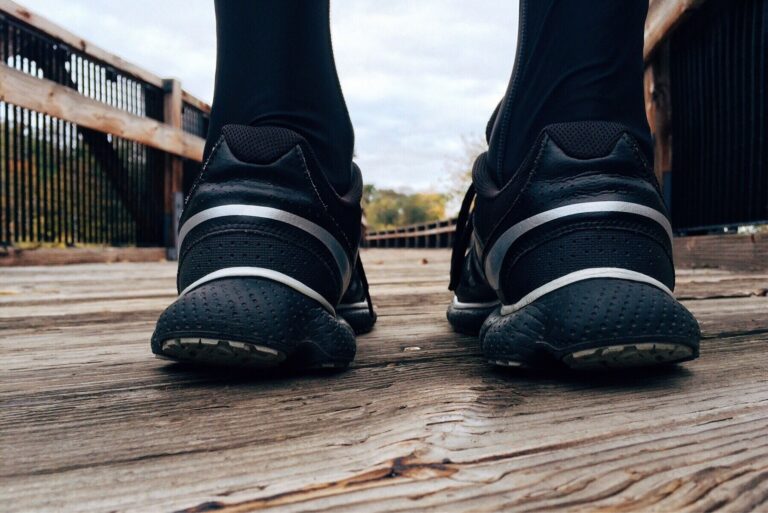
- **Invest in appropriate footwear.** Visit a specialty running store where staff can analyze your gait and recommend shoes suited to your foot type and running style. Proper footwear reduces injury risk significantly, particularly for new runners whose bodies haven’t yet adapted to running’s repetitive impact. Replace shoes every 300 to 500 miles or when cushioning noticeably degrades.
- **Establish baseline fitness through walking.** Before running, build a foundation of walking fitness over two to four weeks, gradually increasing to 30 to 45 minutes of continuous brisk walking. This prepares connective tissues, cardiovascular system, and muscles for the increased demands of running while establishing the habit of regular exercise.
- **Begin with a run-walk approach.** The Galloway method and similar programs alternate short running intervals with walking recovery periods, allowing cumulative running time while managing fatigue and impact stress. A typical starting pattern might involve running for 30 seconds followed by walking for two minutes, repeated for 20 to 30 minutes total.
- **Progress gradually using the 10 percent rule.** Increase total weekly running time by no more than 10 percent per week, allowing your body to adapt without accumulating excessive stress. Patience during this phase prevents the injuries that derail so many beginning runners and builds the foundation for decades of healthy running.
How to Apply This
- **Schedule running sessions as non-negotiable appointments.** Block specific times in your calendar for running, treating these commitments with the same respect you’d give a medical appointment or important meeting. Consistency depends on making running a structural part of your week rather than something you fit in when convenient.
- **Track metrics that matter for longevity.** Rather than obsessing over pace or distance, monitor resting heart rate, perceived exertion, recovery quality, and how you feel during daily activities. These indicators better reflect the cardiovascular adaptations that drive longevity benefits than performance metrics.
- **Build a support system.** Join a local running club, find a training partner, or participate in online running communities. Social connection increases adherence and makes running more enjoyable. For older runners, group running provides accountability and safety while combating the isolation that often accompanies aging.
- **Integrate complementary practices.** Add strength training, mobility work, and recovery practices like foam rolling or yoga to support your running. These activities reduce injury risk, improve running economy, and address the muscle loss and flexibility decline that occur with aging.
Expert Tips
- **Prioritize sleep as training.** The adaptations triggered by running occur during sleep, when growth hormone release peaks and tissue repair accelerates. Aim for seven to nine hours nightly, and consider running’s timing relative to sleep; morning runners often report better sleep quality than evening runners.
- **Learn to distinguish productive discomfort from warning signals.** Running should feel challenging during harder efforts and easy during recovery runs, but it should never produce sharp pain, unusual shortness of breath, or dizziness. Developing body awareness prevents both unnecessary worry and genuine injury.
- **Focus on time rather than distance.** Running for 30 minutes provides similar longevity benefits regardless of how much ground you cover. This approach removes performance pressure, accommodates varying daily energy levels, and makes running more accessible during periods of fatigue or recovery.
- **Embrace periodization at a macro level.** Plan for seasons of slightly higher and lower running volume throughout the year, allowing accumulated fatigue to dissipate while maintaining fitness. This prevents the gradual overload that often leads to injury or burnout.
- **Consider your running surface.** Softer surfaces like trails, grass, or tracks reduce impact stress compared to concrete sidewalks. Varying surfaces also challenges proprioception and strengthens stabilizing muscles, reducing injury risk while keeping running mentally engaging.
Conclusion
The evidence supporting running as a longevity intervention is robust, consistent, and remarkably encouraging for people of all ages. From the cellular level, where running preserves telomeres and enhances autophagy, to the systemic level, where it reduces cardiovascular disease risk by nearly half, the physiological case for running is compelling. Add the cognitive protection, mental health benefits, and improved quality of life that runners report, and the argument becomes overwhelming. The research consistently demonstrates that starting age matters far less than simply starting.
For those who have wondered whether they’ve missed their window for running’s benefits, the answer is unequivocally no. Studies of late starters show mortality reductions nearly as significant as lifelong runners, and the body’s capacity for positive adaptation persists well into the ninth decade of life. The best time to start running was twenty years ago; the second best time is today. Begin gradually, prioritize consistency over intensity, and approach running as a lifelong practice rather than a short-term fitness project. Your future self, whether that’s five years or thirty years from now, will thank you for every mile.
Frequently Asked Questions
How long does it typically take to see results?
Results vary depending on individual circumstances, but most people begin to see meaningful progress within 4-8 weeks of consistent effort. Patience and persistence are key factors in achieving lasting outcomes.
Is this approach suitable for beginners?
Yes, this approach works well for beginners when implemented gradually. Starting with the fundamentals and building up over time leads to better long-term results than trying to do everything at once.
What are the most common mistakes to avoid?
The most common mistakes include rushing the process, skipping foundational steps, and failing to track progress. Taking a methodical approach and learning from both successes and setbacks leads to better outcomes.
How can I measure my progress effectively?
Set specific, measurable goals at the outset and track relevant metrics regularly. Keep a journal or log to document your journey, and periodically review your progress against your initial objectives.
When should I seek professional help?
Consider consulting a professional if you encounter persistent challenges, need specialized expertise, or want to accelerate your progress. Professional guidance can provide valuable insights and help you avoid costly mistakes.
What resources do you recommend for further learning?
Look for reputable sources in the field, including industry publications, expert blogs, and educational courses. Joining communities of practitioners can also provide valuable peer support and knowledge sharing.
Related Reading
- Strength + Running: The Ultimate Cardio-Fitness Combo
- 5 Mistakes That Are Holding Back Your Cardio Progress
- How I Improved My Heart Health Running Just 4 Days a Week
- Weight Loss With Running: How to Burn Fat Without Injury
- How to Run Smarter – Not Harder – to Improve VO2 Max