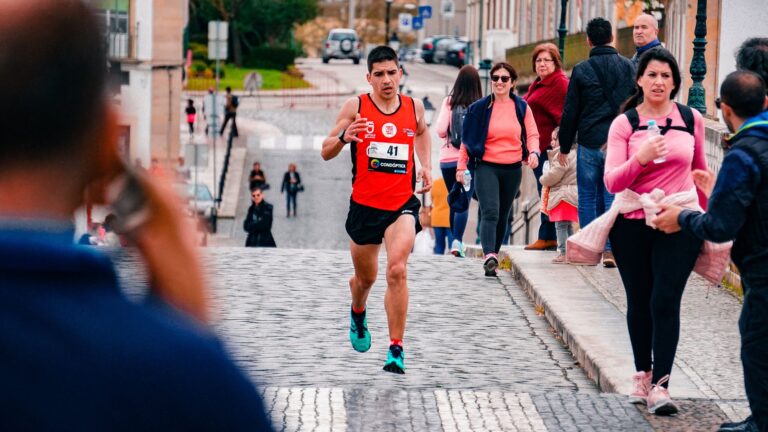
Understanding what your heart actually gains from running requires looking beyond the obvious calorie burn and examining the profound physiological transformations occurring within your cardiovascular system. Running represents one of the most thoroughly studied forms of exercise in medical literature, with decades of research documenting its remarkable effects on cardiac structure, function, and long-term health outcomes. The science behind these adaptations reveals a fascinating story of biological engineering, where consistent aerobic stress triggers your heart to remodel itself into a more efficient, resilient organ.
The questions surrounding running and heart health extend far beyond simple assumptions about “cardio being good for you.” Runners and fitness enthusiasts frequently wonder about specific mechanisms: How exactly does the heart muscle change? What happens to blood vessels over months and years of training? Are there measurable differences between a runner’s heart and a sedentary person’s heart? These questions matter because understanding the science empowers better training decisions and provides motivation grounded in biological reality rather than vague promises of wellness. By the end of this article, you will comprehend the concrete structural changes running produces in your heart, understand the timeline over which these adaptations occur, and grasp the scientific evidence connecting running to reduced cardiovascular disease risk. The information presented draws from peer-reviewed cardiology research, exercise physiology studies, and clinical observations spanning multiple decades. Whether you run five kilometers weekly or train for ultramarathons, the fundamental cardiac benefits operate through similar mechanisms, differing primarily in degree rather than kind.
Table of Contents
- How Does Running Actually Change Your Heart Muscle and Structure?
- The Science Behind Stroke Volume and Cardiac Efficiency in Runners
- Vascular Adaptations and Blood Vessel Health From Regular Running
- Running and Heart Disease Prevention – What the Research Shows
- Understanding Heart Rate Adaptations and Training Response
- Long-Term Cardiac Remodeling and the Reversibility of Running Adaptations
- How to Prepare
- How to Apply This
- Expert Tips
- Conclusion
- Frequently Asked Questions
How Does Running Actually Change Your Heart Muscle and Structure?
The heart responds to regular running through a process called cardiac remodeling, which involves measurable changes to chamber size, wall thickness, and overall mass. When you run, your heart must pump significantly more blood per minute to meet working muscle demands, sometimes increasing cardiac output from roughly 5 liters at rest to 20-25 liters during intense effort. This repeated demand acts as a training stimulus, prompting structural adaptations similar to how skeletal muscles grow in response to resistance training.
Research using echocardiography and cardiac MRI has documented that endurance runners typically develop what cardiologists call “athlete’s heart,” characterized by increased left ventricular cavity size and proportional wall thickening. A 2019 meta-analysis published in the British Journal of Sports Medicine found that endurance athletes demonstrate left ventricular end-diastolic volumes approximately 10-20% larger than sedentary controls. This expansion allows the heart to fill with more blood during each relaxation phase, ultimately enabling a greater stroke volume, the amount of blood ejected with each beat.
- **Increased left ventricular chamber size**: The primary pumping chamber expands to accommodate larger blood volumes, improving filling capacity during diastole
- **Enhanced myocardial compliance**: Heart muscle tissue becomes more elastic and pliable, allowing more efficient filling at lower pressures
- **Proportional wall thickening**: Unlike pathological hypertrophy seen in hypertension, exercise-induced growth maintains healthy wall-to-chamber ratios

The Science Behind Stroke Volume and Cardiac Efficiency in Runners
Stroke volume represents perhaps the most significant cardiac adaptation to running, explaining why trained runners can sustain high-intensity efforts while maintaining relatively moderate heart rates. An untrained adult might have a resting stroke volume around 70 milliliters, while elite endurance athletes often exceed 100-120 milliliters. This difference means that with each heartbeat, a trained heart delivers substantially more oxygen-carrying blood to working tissues. The efficiency gains compound dramatically during exercise.
Consider that cardiac output equals heart rate multiplied by stroke volume. A sedentary person reaching maximum heart rate of 180 beats per minute with 80ml stroke volume generates cardiac output of 14.4 liters per minute. A trained runner with the same maximum heart rate but 110ml stroke volume produces 19.8 liters per minute, representing a 37% improvement in oxygen delivery capacity without any change in heart rate. This mathematical relationship explains why VO2 max improvements closely track cardiac adaptations.
- **Resting bradycardia**: Runners commonly develop resting heart rates in the 40-60 beats per minute range because fewer beats are needed to circulate adequate blood volume at rest
- **Enhanced cardiac reserve**: The difference between resting and maximum cardiac output expands significantly, providing greater performance headroom
- **Improved mechanical efficiency**: The heart accomplishes more work per unit of myocardial oxygen consumption, reducing metabolic strain on cardiac tissue
Vascular Adaptations and Blood Vessel Health From Regular Running
Running transforms not just the heart itself but the entire vascular network responsible for blood distribution. Arteries, capillaries, and veins all undergo measurable adaptations that improve blood flow, reduce vascular resistance, and enhance nutrient delivery to tissues throughout the body. These changes occur through both structural remodeling and functional improvements in how blood vessels respond to physiological demands.
Arterial compliance, essentially how stretchy and responsive your arteries are, improves substantially with regular running. Studies measuring pulse wave velocity, a marker of arterial stiffness, consistently show that runners maintain younger vascular ages compared to sedentary peers. A landmark study from the University of Colorado found that 60-year-old runners demonstrated arterial compliance similar to 35-year-old non-runners. This preservation of vascular elasticity directly relates to blood pressure regulation and reduced cardiac workload.
- **Endothelial function improvement**: The inner lining of blood vessels becomes more responsive to nitric oxide signaling, promoting healthy vasodilation
- **Capillary density increases**: Working muscles develop expanded capillary networks, improving oxygen extraction and metabolic waste removal
- **Reduced peripheral resistance**: Healthier, more compliant blood vessels require less cardiac force to maintain adequate circulation
Running and Heart Disease Prevention – What the Research Shows
Epidemiological evidence linking running to cardiovascular disease prevention spans decades and includes millions of participants across numerous large-scale studies. The Copenhagen City Heart Study, tracking over 17,000 participants for 35 years, found that regular joggers demonstrated 44% lower risk of all-cause mortality compared to non-joggers. These findings have been replicated across diverse populations and study designs, establishing running as one of the most evidence-supported interventions for heart disease prevention. The protective mechanisms operate through multiple pathways simultaneously.
Running improves lipid profiles by raising HDL cholesterol while reducing triglycerides and, in some cases, LDL particle size. Blood pressure typically decreases by 5-10 mmHg in hypertensive individuals who begin regular running programs. Insulin sensitivity improves, reducing diabetes risk, which itself constitutes a major cardiovascular risk factor. Systemic inflammation, measured through markers like C-reactive protein, decreases with consistent aerobic training.
- **Risk reduction is dose-dependent to a point**: Benefits accumulate with running up to approximately 30-40 miles per week, beyond which additional protection plateaus
- **Even minimal running provides substantial benefit**: Running as little as 50 minutes weekly associates with significant mortality reduction
- **Benefits persist across age groups**: Studies confirm cardiovascular protection whether running begins in youth or later adulthood
Understanding Heart Rate Adaptations and Training Response
Heart rate adaptations to running reflect the underlying cardiac efficiency improvements and serve as accessible biomarkers for tracking fitness development. The reduction in resting heart rate that accompanies consistent training results from increased parasympathetic nervous system tone combined with the stroke volume improvements already discussed. These changes typically become noticeable within 4-8 weeks of beginning a regular running program.
Heart rate variability (HRV), the subtle beat-to-beat variation in cardiac rhythm, has emerged as a sophisticated marker of cardiovascular and autonomic nervous system health. Higher HRV generally indicates robust cardiac adaptability and correlates with better health outcomes. Runners consistently demonstrate elevated HRV compared to sedentary populations, and tracking this metric has become popular among serious athletes for monitoring recovery and readiness. Research published in the European Heart Journal established that low HRV independently predicts cardiovascular events, positioning this adaptation as clinically meaningful.
- **Recovery heart rate improves**: The speed at which heart rate drops after exercise intensifies with training, reflecting enhanced parasympathetic function
- **Submaximal heart rates decrease**: Running a given pace requires fewer beats per minute as fitness improves
- **Heart rate reserve expands**: The range between resting and maximum heart rate increases, providing more operational flexibility

Long-Term Cardiac Remodeling and the Reversibility of Running Adaptations
Cardiac adaptations from running develop progressively over months and years, with different structural changes occurring on different timescales. Functional improvements like enhanced stroke volume and reduced resting heart rate often appear within weeks, while substantial structural remodeling of chamber dimensions may require consistent training over 6-12 months to reach measurable significance. Elite athletes who have trained for decades demonstrate the most pronounced cardiac adaptations, suggesting continued though diminishing returns from long-term consistency.
Importantly, many running-induced cardiac adaptations demonstrate reversibility when training ceases. Detraining studies show that stroke volume begins declining within two weeks of stopping exercise, with significant regression toward baseline occurring over 2-3 months. However, some evidence suggests that individuals with decades of running history may retain partial adaptations even after extended periods of inactivity. This reversibility underscores the importance of viewing running as a long-term lifestyle practice rather than a temporary intervention for achieving specific health endpoints.
How to Prepare
- **Establish baseline cardiovascular status**: Before beginning any running program, understand your current heart health through appropriate medical screening. For adults over 40 or those with cardiovascular risk factors, this may include a physical examination, blood pressure measurement, and discussion with a healthcare provider about exercise readiness. Knowing your baseline resting heart rate and having recent lipid panel results provides useful reference points for tracking improvements.
- **Develop aerobic base through low-intensity activity**: Initial cardiac adaptations occur most safely when exercise intensity remains moderate. Begin with walking, then introduce brief running intervals as fitness allows. The heart responds to consistent, sustained aerobic demand, so frequency matters more than intensity during early phases. Aim for 3-4 sessions weekly of 20-30 minutes at conversational pace.
- **Implement progressive overload systematically**: Increase training volume by no more than 10% weekly to allow cardiac tissue adequate time for structural adaptation. This conservative progression minimizes injury risk while providing sufficient stimulus for continued improvement. Track weekly mileage and ensure recovery weeks with reduced volume every 3-4 weeks.
- **Monitor cardiovascular response markers**: Use resting heart rate measurements taken first thing in the morning to track adaptation. A declining resting heart rate over weeks indicates improving cardiac efficiency. Heart rate monitors during runs provide feedback on whether your aerobic base is developing appropriately, with lower heart rates at given paces signaling progress.
- **Prioritize recovery to allow adaptation**: Cardiac remodeling occurs during rest periods, not during the exercise itself. Adequate sleep, proper nutrition with emphasis on anti-inflammatory foods, and stress management all support the biological processes underlying heart adaptation. Overtraining without sufficient recovery can impair rather than enhance cardiovascular development.
How to Apply This
- **Maintain aerobic zone running for 80% of training volume**: Research on elite athletes reveals that approximately 80% of their training occurs at low to moderate intensity where cardiac adaptations develop most efficiently. Use the talk test or heart rate zones to ensure most runs fall below lactate threshold, allowing the heart to experience sustained but manageable demand.
- **Include weekly longer runs to maximize stroke volume stimulus**: Extended duration running at moderate intensity creates the prolonged cardiac output demands that drive chamber expansion and stroke volume improvements. One weekly run lasting 60-90 minutes provides substantial cardiac training stimulus even at conversational pace.
- **Incorporate running consistently across months and years**: Cardiac adaptations require sustained commitment measured in months and years rather than weeks. Establish running as a non-negotiable routine, accepting that the most significant heart benefits accumulate over extended timeframes. Three to four runs weekly for multiple years produces superior cardiac development compared to intense short-term training blocks.
- **Balance running with complementary cardiovascular activities**: Cross-training through cycling, swimming, or rowing provides cardiac stimulus while reducing musculoskeletal stress from running. These activities maintain aerobic training continuity during periods when running must be reduced due to injury, weather, or scheduling constraints.
Expert Tips
- **Track resting heart rate trends rather than single measurements**: Daily resting heart rate varies based on hydration, sleep quality, and numerous other factors. Recording values over 2-4 weeks reveals meaningful trends that single readings cannot, allowing you to observe genuine cardiac adaptation rather than noise.
- **Recognize that cardiac benefits occur below anaerobic threshold**: Many runners mistakenly believe harder always equals better for heart health. The reality is that moderate-intensity running produces robust cardiac adaptations while minimizing injury risk and training stress. Easy running is not wasted time; it is productive cardiac training.
- **Understand the timeline for different adaptations**: Expect functional improvements like reduced resting heart rate within 4-8 weeks, but recognize that substantial structural remodeling requires 6-12 months of consistent training. This timeline knowledge prevents discouragement during early training phases when changes are occurring but may not yet be measurable.
- **Pay attention to heart rate recovery as a fitness indicator**: After completing a run, note how quickly your heart rate drops in the first minute. Improvements in this recovery rate often precede other noticeable fitness gains and serve as early evidence that your cardiac training is working.
- **Consider the long-term picture over short-term performance**: The most profound cardiac benefits accrue to those who maintain running habits across decades rather than those who train intensely for brief periods. Prioritize sustainable, enjoyable running that you can maintain indefinitely over ambitious programs that lead to burnout or injury.
Conclusion
The cardiac adaptations produced by running represent genuine biological transformations with measurable impacts on structure, function, and disease risk. From increased stroke volume and enhanced vascular compliance to reduced resting heart rate and improved heart rate variability, the science documenting these changes draws from decades of rigorous research across cardiology, exercise physiology, and epidemiology. Understanding these mechanisms transforms running from a vague “healthy habit” into a targeted intervention with known effects on specific organ systems.
The path forward involves consistent, moderate-intensity running maintained across months and years, allowing your cardiovascular system adequate time to remodel in response to training demands. The evidence supports running as among the most accessible and effective strategies for building cardiac resilience and reducing long-term cardiovascular disease risk. Whether you are beginning your first running program or have logged thousands of miles over decades, the same fundamental adaptations continue operating, making each run an investment in the long-term health and efficiency of your heart.
Frequently Asked Questions
How long does it typically take to see results?
Results vary depending on individual circumstances, but most people begin to see meaningful progress within 4-8 weeks of consistent effort. Patience and persistence are key factors in achieving lasting outcomes.
Is this approach suitable for beginners?
Yes, this approach works well for beginners when implemented gradually. Starting with the fundamentals and building up over time leads to better long-term results than trying to do everything at once.
What are the most common mistakes to avoid?
The most common mistakes include rushing the process, skipping foundational steps, and failing to track progress. Taking a methodical approach and learning from both successes and setbacks leads to better outcomes.
How can I measure my progress effectively?
Set specific, measurable goals at the outset and track relevant metrics regularly. Keep a journal or log to document your journey, and periodically review your progress against your initial objectives.
When should I seek professional help?
Consider consulting a professional if you encounter persistent challenges, need specialized expertise, or want to accelerate your progress. Professional guidance can provide valuable insights and help you avoid costly mistakes.
What resources do you recommend for further learning?
Look for reputable sources in the field, including industry publications, expert blogs, and educational courses. Joining communities of practitioners can also provide valuable peer support and knowledge sharing.
Related Reading
- 7 Proven Cardio Running Plans for Every Level (Beginner to Advanced)
- 11. Protealpes Training Method: How Alpine Runners Build Superior Cardiovascular Fitness
- 8. Jason Bateman Runner Lifestyle: Balancing Fame, Family, and Fitness Through Running
- The Training Plan That Dropped My 5 Mile Run Time by 10 Minutes
- 5 Mile Run Average Time by Age: Where Do You Stack Up?