Protealpes Running represents one of the most challenging and rewarding trail running experiences in the French Alps, with the 9-15 category serving as a benchmark distance range that tests both endurance and technical skill across high-altitude terrain. This segment of alpine running has grown substantially in popularity over the past decade, drawing athletes from across Europe and beyond who seek to push their limits against some of the most demanding mountain landscapes on the continent. The combination of steep elevation gains, variable weather conditions, and technical trail surfaces makes Protealpes Running in the 9-15 kilometer range an ideal proving ground for intermediate to advanced trail runners. Understanding the nuances of Protealpes Running at distances between 9 and 15 kilometers addresses critical questions about preparation, pacing, equipment selection, and safety protocols that differ significantly from road running or lower-altitude trail events.
Runners frequently underestimate the demands of alpine terrain, where a 12-kilometer route can require the same energy expenditure as a 20-kilometer road race due to elevation profiles that commonly exceed 800 meters of vertical gain. The technical requirements, combined with rapidly changing mountain weather, create scenarios where proper knowledge becomes essential for both performance and safety. By the end of this comprehensive guide, readers will gain a thorough understanding of what Protealpes Running in the 9-15 kilometer category entails, including training methodologies specific to alpine conditions, equipment recommendations backed by experienced mountain runners, nutrition strategies for high-altitude performance, and risk management approaches that separate successful alpine runners from those who struggle. The information presented draws from established practices in the European trail running community and addresses the unique challenges that make this discipline both demanding and deeply satisfying.
Table of Contents
- What Makes Protealpes Running 9-15 Kilometers Different From Standard Trail Racing?
- Essential Training Principles for Protealpes Running Performance
- Equipment Selection for Alpine Trail Running Success
- How to Pace Protealpes Running Events Effectively
- Common Challenges and Injury Prevention in Alpine Trail Running
- Weather Considerations and Safety Protocols for Mountain Running
- How to Prepare
- How to Apply This
- Expert Tips
- Conclusion
- Frequently Asked Questions
What Makes Protealpes Running 9-15 Kilometers Different From Standard Trail Racing?
The fundamental distinction between Protealpes running in the 9-15 kilometer range and conventional trail racing lies in the concentration of technical and physiological challenges within a relatively compact distance. Alpine routes in this category typically feature elevation profiles that would seem extreme in other contexts, with average gradients exceeding 15% on climb sections and technical descents requiring constant attention to foot placement. A standard 12-kilometer Protealpes route might include 1,000 meters of positive elevation gain, meaning runners ascend and descend the equivalent of a significant mountain within a distance that road runners might consider moderate.
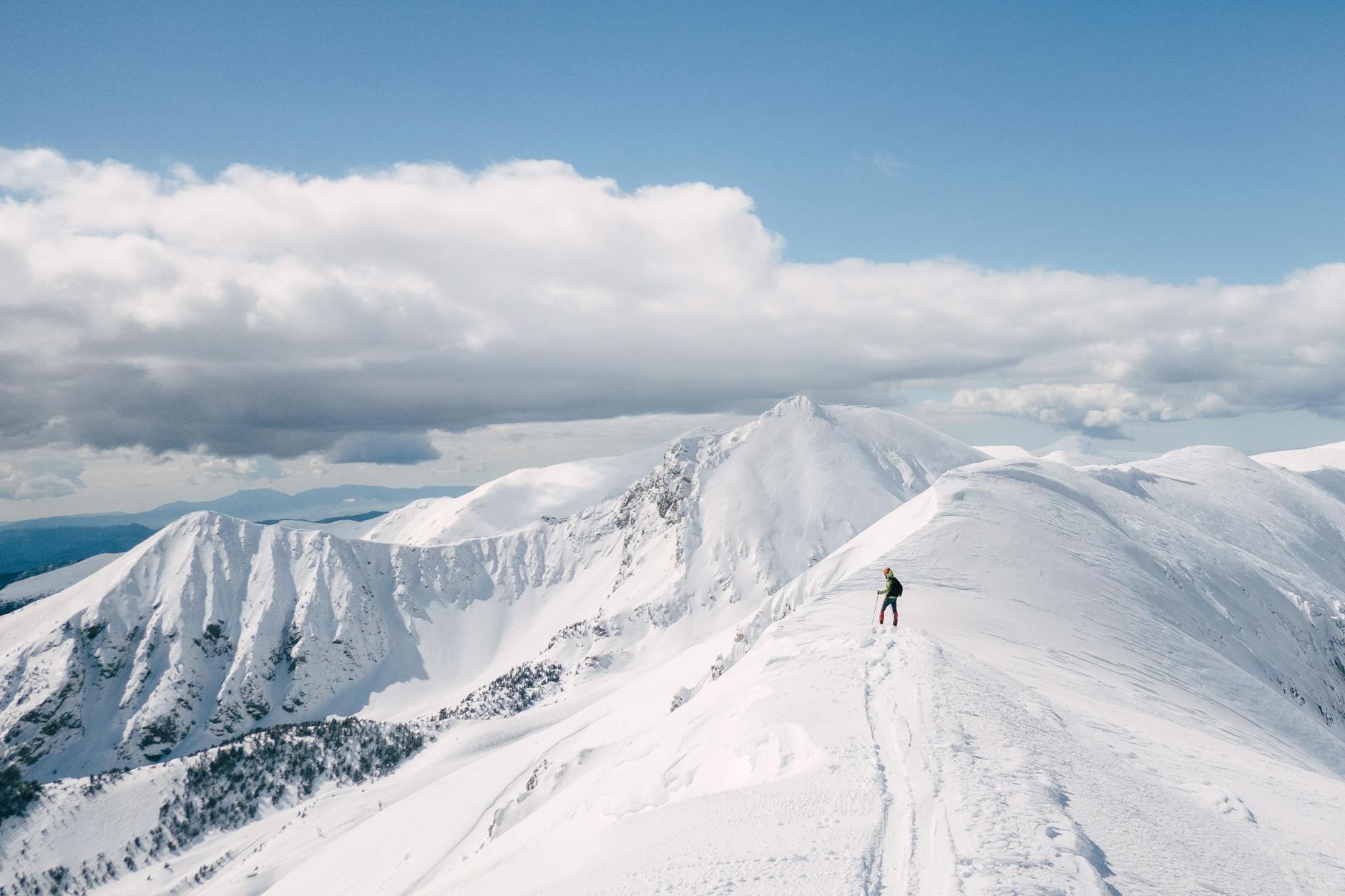
The terrain composition in Protealpes regions creates additional complexity that distinguishes these races from lower-altitude events. Runners encounter a mix of rocky single-track, exposed ridgelines, snow patches that persist well into summer, loose scree sections, and occasional scrambling passages that require hands-on technique. This variety demands a broader skill set than most trail races, combining the cardiovascular fitness of distance running with the technical proficiency of mountaineering. The surface instability alone can increase energy expenditure by 20-30% compared to groomed trails at lower elevations.
- **Altitude effects**: Routes commonly traverse between 1,500 and 2,800 meters elevation, where reduced oxygen availability impacts performance by approximately 3% per 300 meters above sea level
- **Weather exposure**: Alpine weather can shift from sunshine to thunderstorms within 30 minutes, requiring runners to carry mandatory safety equipment
- **Technical density**: The concentration of challenging terrain features per kilometer exceeds most trail races by a factor of three to five
Essential Training Principles for Protealpes Running Performance
Preparing for Protealpes Running events in the 9-15 kilometer category requires a time-by-10-minutes/” title=”The Training Plan That Dropped My 5 Mile Run Time by 10 Minutes”>training approach that addresses multiple physiological systems simultaneously rather than focusing primarily on aerobic base building. The vertical demands of alpine terrain mean that specific strength work targeting the quadriceps, glutes, and hip stabilizers becomes as important as weekly mileage accumulation. Successful Protealpes runners typically dedicate 25-30% of their training time to strength and power development, a significantly higher proportion than traditional endurance training programs recommend.
Altitude acclimatization presents a training challenge for athletes who live at lower elevations. Research indicates that a minimum of 10-14 days at altitude above 2,000 meters produces measurable adaptations in oxygen-carrying capacity, though meaningful benefits begin appearing after just 5-7 days. For runners unable to train at altitude, protocols involving repeated exposure to simulated altitude through masks or tent systems can provide partial adaptation. Heat training has also shown cross-adaptation benefits, improving plasma volume expansion that helps offset some altitude effects.
- **Vertical training ratio**: Aim for weekly vertical gain totaling 150-200% of race elevation during peak training blocks
- **Downhill specificity**: Include dedicated downhill running sessions twice weekly to condition muscles for eccentric loading and develop technical descent skills
- **Power hiking integration**: Practice sustained power hiking at grades exceeding 20%, as walking becomes more efficient than running above certain gradient thresholds
Equipment Selection for Alpine Trail Running Success
Selecting appropriate equipment for Protealpes Running in the 9-15 kilometer range requires balancing weight considerations against safety requirements and performance optimization. Footwear choice stands as the most critical equipment decision, with aggressive tread patterns and protective toe caps serving essential functions on rocky alpine terrain. Shoes with 4-6mm lugs in a multi-directional pattern provide the traction necessary for both ascent and descent on loose surfaces, while rock plates integrated into the midsole prevent stone bruising during extended technical sections.
Mandatory equipment lists for organized Protealpes events typically include items that might seem excessive for a sub-15 kilometer race but reflect the genuine risks of mountain environments. A waterproof jacket, emergency blanket, whistle, minimum food and water reserves, and often a GPS tracking device appear on standard requirement lists. These items can add 1-2 kilograms to pack weight, making vest-style hydration packs that distribute load across the torso preferable to handheld or waist-mounted systems. The integration of pole attachment systems on these packs acknowledges that many runners use trekking poles for steep alpine ascents.
- **Shoe selection criteria**: Prioritize stability and protection over cushioning; consider models with integrated gaiter attachments to prevent debris entry
- **Layering strategy**: Pack a lightweight wind shell even when forecast appears favorable; temperature can drop 10-15 degrees Celsius during rapid weather changes
- **Pole considerations**: Collapsible poles reduce weight and store efficiently but require practice to deploy quickly during transitions
How to Pace Protealpes Running Events Effectively
Pacing strategy for Protealpes Running events differs fundamentally from flat or rolling terrain races due to the discontinuous nature of alpine effort. Rather than maintaining consistent heart rate or pace, experienced alpine runners modulate effort based on terrain features, shifting between high-intensity climbing, recovery-focused ridgeline running, and technically demanding descents. This terrain-responsive approach requires runners to abandon rigid time goals in favor of effort-based execution that accounts for conditions encountered.
The concept of “time on feet” becomes more relevant than pace per kilometer in alpine contexts. A well-paced 12-kilometer Protealpes race might see kilometer splits ranging from 6 minutes on runnable descents to 20+ minutes on steep technical climbs, with heart rate remaining in similar zones despite the massive pace variation. Athletes who attempt to maintain road-running paces on climb sections typically experience premature fatigue and significantly slower overall times than those who accept walking as an appropriate tool for gradient management.
- **Climb efficiency threshold**: Most runners become more efficient walking rather than running at gradients exceeding 15-18%, though this varies with individual fitness and fatigue state
- **Descent pacing**: Resist the temptation to “make up time” on descents by running recklessly; quadriceps fatigue from excessive eccentric loading creates problems for subsequent climbs
- **Aid station strategy**: Keep aid station stops under 2 minutes while ensuring adequate refueling; the standing recovery can feel beneficial but extends overall race duration significantly
Common Challenges and Injury Prevention in Alpine Trail Running
The injury profile of Protealpes Running reflects the technical and physiological demands unique to alpine environments. Ankle sprains occur at rates 40-60% higher than in standard trail running due to the unstable surfaces and fatigue-induced loss of proprioceptive accuracy. Knee pain, particularly affecting the iliotibial band and patellofemoral joint, appears frequently among runners who increase vertical training volume too rapidly or neglect descent-specific conditioning. These overuse issues typically emerge during the final third of races or in the days following hard alpine efforts.
Acute mountain sickness presents a risk that road runners may not anticipate, particularly in events that spend extended time above 2,500 meters. Symptoms including headache, nausea, and impaired coordination can emerge within hours of ascending to altitude and significantly impact both performance and safety. Pre-race altitude exposure, adequate hydration, and conservative early pacing help mitigate these risks, though some individuals remain susceptible regardless of preparation. Race organizations generally establish protocols for identifying and managing altitude-related illness at aid stations.
- **Proprioceptive training**: Single-leg balance exercises on unstable surfaces improve ankle stability and reduce sprain risk by 30-50% according to research
- **Eccentric strengthening**: Step-down exercises and controlled descent walking build the muscle resilience needed for technical downhill running
- **Hydration awareness**: Altitude increases respiratory water loss; plan to consume 15-20% more fluid than similar-length races at lower elevations

Weather Considerations and Safety Protocols for Mountain Running
Weather literacy represents an underappreciated skill for Protealpes Running that directly impacts both performance and survival. Alpine weather patterns follow predictable daily cycles, with stable morning conditions often deteriorating into afternoon thunderstorms, particularly during summer months. Understanding these patterns allows runners to plan start times and pacing strategies that minimize exposure to dangerous conditions.
The speed of weather changes in mountain environments means that visible storm cells can arrive overhead within 15-20 minutes of first appearing on the horizon. Emergency protocols for alpine running extend beyond carrying required equipment to include decision-making frameworks for when conditions exceed acceptable risk thresholds. Turning back from an objective, seeking shelter in designated refuges, or descending rapidly when lightning approaches requires mental preparation as much as physical readiness. Organized events typically establish cut-off times at key checkpoints and may modify or cancel races when conditions warrant, decisions that protect participants even when they feel capable of continuing.
How to Prepare
- **Establish aerobic foundation over 8-12 weeks**: Begin with consistent running volume at conversational pace, accumulating 150-200 kilometers monthly before introducing significant vertical or technical work. This base period develops the cardiovascular infrastructure that supports harder training later.
- **Integrate vertical-specific training**: Add dedicated climbing sessions twice weekly, initially on moderate grades with progression to steeper terrain. Target 3,000-5,000 meters of monthly vertical gain during this phase, using either natural terrain or stair-climbing alternatives when necessary.
- **Develop technical skills through progressive exposure**: Practice running on increasingly challenging surfaces, starting with well-maintained trails and advancing to rocky, rooted, or loose terrain. Include both ascent and descent technical work, as these skills differ significantly.
- **Complete altitude-specific preparation**: If possible, spend 7-14 days training at elevations similar to race altitude within the final month before competition. Alternatively, include repeated efforts at the highest available local terrain to introduce altitude stress.
- **Execute a taper and race simulation**: Reduce training volume by 40-50% during the final 10-14 days while maintaining some intensity. Complete a dress rehearsal using all race equipment on challenging terrain to identify any gear issues before competition day.
How to Apply This
- **Create a periodized training calendar**: Map backward from race date, allocating specific weeks to base building, vertical development, technical refinement, altitude exposure, and taper phases. Include recovery weeks every third or fourth week to allow adaptation.
- **Practice race-specific nutrition and hydration**: Test all foods and fluids during training runs at race intensity, noting what works and what causes gastrointestinal distress. Develop a race-day plan that specifies quantities and timing for each aid station.
- **Study the course profile and key features**: Review elevation data, identify the major climbs and technical sections, and develop pacing strategies for each segment. Know the locations of aid stations, water sources, and potential shelter points.
- **Prepare mandatory equipment and test under load**: Assemble all required gear well before race day, wear and carry it during training runs, and make adjustments for comfort and accessibility. Ensure backup items are ready for last-minute replacements.
Expert Tips
- **Train on similar terrain whenever possible**: The neuromuscular patterns and proprioceptive demands of alpine running cannot be fully replicated on treadmills or groomed paths; seek out the rockiest, steepest local terrain for key sessions.
- **Learn to read your body at altitude**: Reduced oxygen availability can mask effort levels; train by perceived exertion rather than pace when above 2,000 meters to avoid premature fatigue.
- **Master efficient pole technique**: If poles are permitted and terrain warrants them, practice deploying, using, and stowing poles until the transitions become automatic; fumbling with equipment during a race wastes time and energy.
- **Develop a weather monitoring habit**: Check forecasts multiple times in the days before racing and establish personal decision thresholds for what conditions you will or will not run in regardless of race status.
- **Build mental strategies for difficult moments**: Alpine racing inevitably includes periods of suffering; rehearse cognitive techniques like segmenting the course, positive self-talk, and focusing on process over outcome during training.
Conclusion
Protealpes Running in the 9-15 kilometer category offers a distinct challenge that rewards thorough preparation and respect for mountain environments. The combination of technical terrain, significant elevation demands, altitude effects, and weather variability creates a multidimensional test that extends far beyond simple endurance. Runners who approach these events with appropriate training, equipment, and mental readiness discover a form of competition that delivers profound satisfaction through the successful navigation of genuine difficulty.
The skills and fitness developed for alpine trail running translate broadly to other endurance pursuits while providing access to landscapes and experiences unavailable to those who remain on paved surfaces. The investment required to compete successfully in Protealpes events builds not only physical capability but also judgment, self-reliance, and appreciation for mountain environments that persist well beyond any single race. Those willing to undertake the preparation journey find themselves transformed into more complete athletes and more confident wilderness travelers.
Frequently Asked Questions
How long does it typically take to see results?
Results vary depending on individual circumstances, but most people begin to see meaningful progress within 4-8 weeks of consistent effort. Patience and persistence are key factors in achieving lasting outcomes.
Is this approach suitable for beginners?
Yes, this approach works well for beginners when implemented gradually. Starting with the fundamentals and building up over time leads to better long-term results than trying to do everything at once.
What are the most common mistakes to avoid?
The most common mistakes include rushing the process, skipping foundational steps, and failing to track progress. Taking a methodical approach and learning from both successes and setbacks leads to better outcomes.
How can I measure my progress effectively?
Set specific, measurable goals at the outset and track relevant metrics regularly. Keep a journal or log to document your journey, and periodically review your progress against your initial objectives.
When should I seek professional help?
Consider consulting a professional if you encounter persistent challenges, need specialized expertise, or want to accelerate your progress. Professional guidance can provide valuable insights and help you avoid costly mistakes.
What resources do you recommend for further learning?
Look for reputable sources in the field, including industry publications, expert blogs, and educational courses. Joining communities of practitioners can also provide valuable peer support and knowledge sharing.