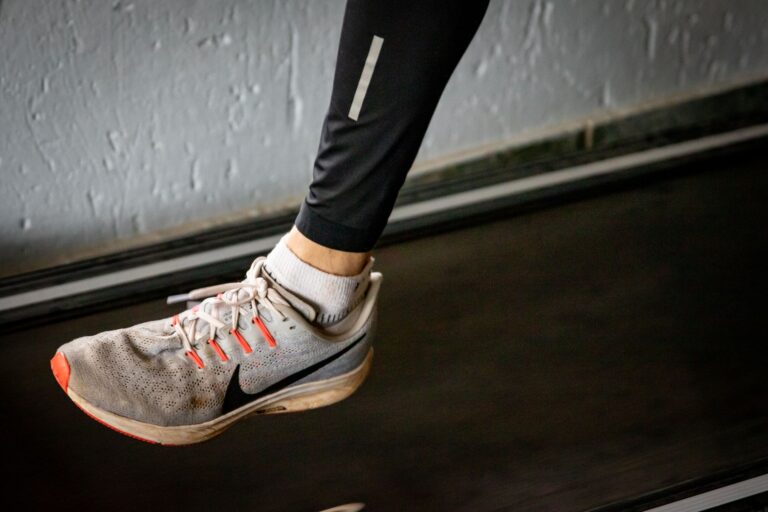
Incline on the treadmill boosts your intensity minutes by increasing the cardiovascular demand of your workout without requiring you to run faster. When you run on an incline, your body works harder to push uphill against gravity, elevating your heart rate and oxygen consumption to match the effort level of a faster run on flat ground. For example, running at 6 miles per hour on a 6 percent incline demands nearly the same physiological effort as running at 7.5 miles per hour on flat ground, yet the incline version is gentler on your joints while still qualifying those minutes toward intensity thresholds. The beauty of incline work is that it allows runners of any fitness level to accumulate meaningful intensity minutes without the injury risk that comes from simply running faster.
Whether you’re recovering from an injury, building back up to speed, or looking to increase training stimulus without additional speed work, incline running gives you a straightforward dial to turn up the intensity. Most fitness trackers and smartwatches recognize incline running as genuine intensity work, counting those elevated heart rate minutes toward your daily or weekly intensity goals. This approach has become increasingly popular among runners and coaches because it offers a middle path: more challenging than easy running, but more sustainable and lower-impact than speed work on flat ground. Understanding how to use incline strategically can unlock meaningful improvements in fitness without the toll that always comes from chasing faster paces.
Table of Contents
- Why Does Incline Make Your Heart Work Harder During a Treadmill Run?
- The Relationship Between Incline Grade and Caloric Expenditure
- How Incline Work Translates to Real-World Running Performance
- Practical Strategies for Using Incline to Build Intensity Minutes
- Common Mistakes That Reduce Incline’s Effectiveness
- Monitoring Intensity Minutes: What Counts and What Doesn’t
- Long-Term Incline Training and Injury Prevention
- Conclusion
- Frequently Asked Questions
Why Does Incline Make Your Heart Work Harder During a Treadmill Run?
Incline increases the muscular effort required during running because your legs must generate more force to propel your body upward and forward simultaneously. On flat ground, your primary job is moving forward; on an incline, gravity becomes a constant resistance you’re working against. Your cardiovascular system responds by increasing heart rate and blood flow to supply the extra oxygen those muscles need. A 5 percent incline increases oxygen consumption by roughly 50 percent compared to running at the same speed on flat ground—a substantial shift that your watch will detect.
This physiological response is why runners often feel a significant bump in difficulty even at modest inclines. Your glutes, hamstrings, and calf muscles engage more intensely, and your core works harder to maintain posture and stability. The cardiovascular system has to work harder not just because the muscles are more active, but because they’re working in a more challenging position—uphill. This is why a 6 mph run at a 6 percent grade feels roughly equivalent in effort to a much faster flat run, even though your leg turnover remains lower and the impact forces are actually reduced.

The Relationship Between Incline Grade and Caloric Expenditure
Incline significantly increases calories burned during treadmill running because your body must do more total work to move the same distance. Running up an incline increases caloric expenditure by approximately 50 percent at a 5 percent grade, and even higher as grades increase. This is why incline work is particularly effective for runners seeking to maximize training stimulus in a limited amount of time.
However, there’s a practical limitation: the treadmill incline can only go so high before the biomechanics become unnatural and injury risk increases. Most treadmills max out at 12-15 percent incline, and anything above 10 percent starts to feel awkward for many runners. Additionally, extremely high inclines shift the work away from your cardiovascular system and increasingly toward pure muscular effort in your lower body, which can leave you sore if you’re not accustomed to it. A 2-8 percent incline range generally offers the sweet spot for runners seeking intensity without excessive muscular fatigue or injury risk.
How Incline Work Translates to Real-World Running Performance
Incline training on the treadmill builds specific strength and power in the muscles used for hill running outdoors. If you live in a hilly area or plan to run a race with elevation, treadmill incline work is directly applicable training. The leg strength and aerobic fitness you develop on incline translates directly to faster pace on actual hills. Many runners find that incorporating regular incline work makes outdoor rolling terrain feel noticeably easier within just a few weeks.
The aerobic adaptations from incline running are also applicable to flat running. Your cardiovascular system doesn’t distinguish between intensity coming from speed or from incline—it simply responds to the elevated heart rate demand. A runner who accumulates intensity minutes through incline work will see improvements in VO2 max and lactate threshold just as much as a runner doing the same amount of speed work on flat ground. The advantage is that the incline approach distributes the strain more evenly across muscle groups and joints rather than concentrating it in the way that repeated fast running on pavement does.
Practical Strategies for Using Incline to Build Intensity Minutes
The simplest approach is to add incline during your easy runs rather than treating it as a separate, harder workout. A runner who typically does easy runs at 5.5 miles per hour on flat ground could run the same pace at a 4-6 percent incline instead. The workout still feels easy in terms of leg turnover, but the heart rate comes up into a moderate or even vigorous intensity zone—meaning more intensity minutes without feeling like a hard session. This approach is particularly useful on days when you’re tired or recovering from a hard workout but still want to accumulate training stimulus.
Alternatively, dedicated incline intervals provide a more structured approach. A session might include a warm-up, then four or five minutes of running at steady effort on a 5-8 percent incline, followed by equal recovery intervals on flat ground. These incline repeats build both aerobic capacity and lower body strength, delivering significant training effect in 20-30 minutes. One limitation is that very long incline efforts—anything over 10-15 minutes continuously—tend to accumulate muscular fatigue in the hip flexors and lower back, so most runners do best with shorter intervals separated by recovery.
Common Mistakes That Reduce Incline’s Effectiveness
Many runners lean forward on an incline, thinking they need to hunch over to “go uphill.” This is biomechanically incorrect and places excessive stress on your lower back while reducing the work done by your glutes and hamstrings—the very muscles that should be powering the effort. Proper incline running form requires staying upright, allowing your whole posterior chain to drive the motion. Warning: poor incline form creates back and hip pain that flat running doesn’t trigger, so correcting your posture on day one is essential. Another mistake is jumping to high inclines too quickly.
A runner accustomed to flat treadmill running will feel a dramatic difference at just a 2-3 percent incline. Increasing too aggressively—say, going from 0 to 10 percent incline on your next run—creates significant soreness and elevates injury risk. Most runners should add incline gradually over weeks, increasing by 1-2 percent at a time as their body adapts. Additionally, some runners ignore recovery after incline sessions, treating them as casually as easy runs despite the elevated muscular demand. Incline work needs adequate recovery between sessions, particularly in the first few weeks.
Monitoring Intensity Minutes: What Counts and What Doesn’t
Most fitness watches and running apps count intensity minutes based on heart rate zones rather than incline specifically. If your easy run on an incline puts you in a vigorous heart rate zone (typically 70-85 percent of max heart rate), those minutes count as intensity. If your pace is so slow that your heart rate stays in the moderate zone despite the incline, those minutes count less intensively.
Understanding your personal heart rate zones helps you dial in the right incline and pace combination to hit your intensity targets. One example: a runner targeting 150 intensity minutes per week might do three sessions: one 30-minute tempo run on flat ground, one 25-minute incline hill session, and one 20-minute speed work session. By rotating in incline work, that runner spreads the training stimulus across different modalities, reducing the cumulative joint impact while maintaining the same intensity volume. The watch counts these appropriately as long as the heart rate demand is there.
Long-Term Incline Training and Injury Prevention
Regular incline work can be a sustainable, low-injury approach to building and maintaining fitness over years. Runners who incorporate incline training experience fewer impact-related injuries compared to runners who rely solely on speed work on flat ground. The lower vertical impact forces of incline running—even though the overall effort is high—protect the joints in ways that fast flat running doesn’t.
Looking forward, many runners find that varying between flat speed work, incline steady effort, and outdoor hill running creates a robust, injury-resistant training approach. None of these modalities alone is perfect, but together they build comprehensive aerobic and strength adaptations without overloading any single system. As you progress in running, learning to use incline strategically becomes one of your most valuable tools for managing training intensity while protecting your long-term health.
Conclusion
Incline on the treadmill boosts your intensity minutes by dramatically increasing the physiological demands of running without requiring faster speeds or higher impact forces. Whether you use it as a gentle way to add intensity to easy runs or as a dedicated interval session, incline training delivers real training stimulus that your body recognizes and adapts to. The approach is accessible to runners at any fitness level and offers a natural alternative when speed work feels too stressful on your joints.
Start by experimenting with 2-4 percent incline on your next run, focusing on upright posture and steady effort. Increase gradually, and pay attention to how your body responds. Most runners find that incorporating incline work one or two times per week delivers noticeable improvements in fitness while actually reducing injury risk compared to always chasing faster paces on flat ground. This simple treadmill adjustment can be one of the most effective changes you make to your training.
Frequently Asked Questions
How much incline do I need to see benefits?
Even 2-3 percent incline meaningfully increases effort and counts toward intensity minutes. Most runners benefit from staying between 3-8 percent for regular training, with higher grades reserved for occasional intervals.
Does incline count toward intensity minutes on my smartwatch?
Yes, as long as the incline elevates your heart rate into the vigorous zone (typically 70-85 percent of max). Your watch counts intensity based on heart rate, not incline specifically.
Can I do incline running every day?
Most runners should limit incline work to once or twice per week, with at least one full recovery day between incline sessions. Doing it daily risks overuse injuries in the hip flexors and lower back.
Is treadmill incline the same as running outdoor hills?
Very similar, but not identical. Treadmill incline is more uniform and stable, while outdoor hills require more balance and variable terrain. Both build similar aerobic and strength adaptations.
Why do I feel so sore after incline running?
Your glutes, hamstrings, and lower back muscles engage intensely during incline work, especially if you’re new to it. This muscle soreness is normal and decreases as your body adapts over several sessions.
Should I lean forward on incline?
No. Maintain upright posture and let the incline create the challenge. Leaning forward reduces the work of your glutes and creates lower back strain.