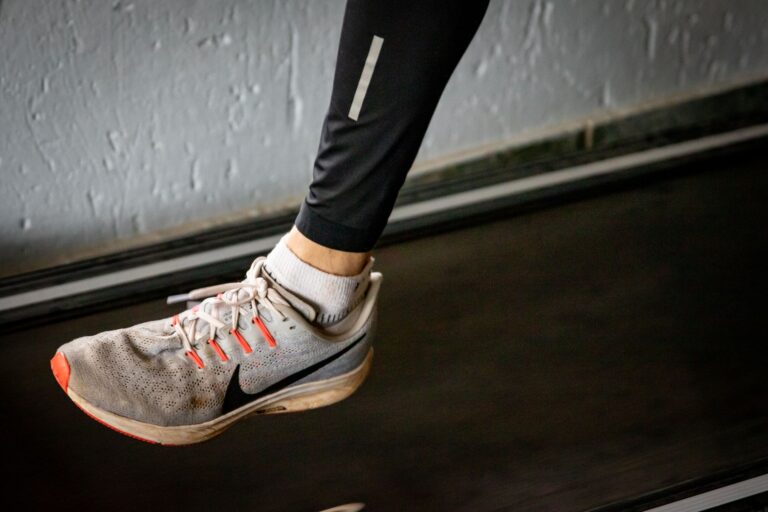
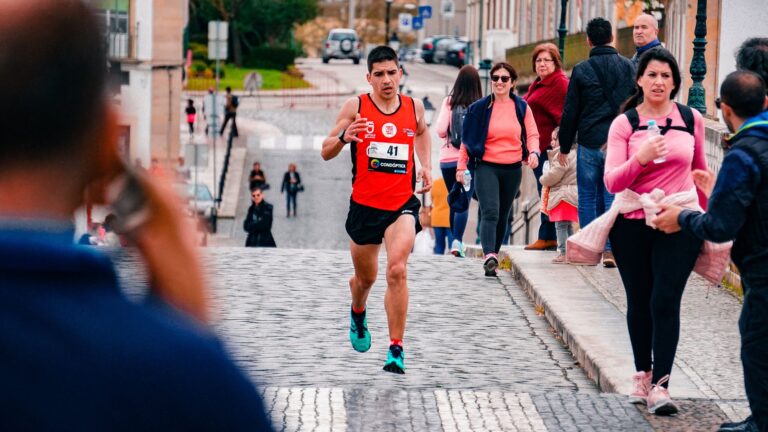
Outdoor running consistently produces more intensity minutes than treadmill running, primarily because natural terrain forces your body to work against wind resistance, uneven surfaces, and variable inclines. When researchers at the University of Colorado measured energy expenditure across both formats, runners achieved 5-10% more physiological demand outdoors at the same reported pace. A 45-minute outdoor run on varied terrain will typically log 8-12 more intensity minutes than a treadmill session at an equivalent speed, because your stabilizer muscles engage throughout the entire run rather than just during designated speed intervals.
The distinction matters significantly for runners chasing specific training goals. If you’re building cardiorespiratory capacity or accumulating intensity minutes for endurance adaptation, outdoor running delivers a higher physiological stimulus with less intervention. But the relationship between treadmill and outdoor intensity isn’t purely one-directional—certain runners, particularly those managing injuries or training in harsh weather, can structure treadmill workouts to nearly match outdoor stimulus through deliberate incline manipulation and interval design.
Table of Contents
- Why Does Outdoor Running Generate More Intensity Naturally?
- The Treadmill Advantage and Its Limitations
- How Terrain Variation Drives Intensity Minute Accumulation
- Structuring Treadmill Training to Maximize Intensity Minutes
- Impact Injury Risk and Intensity Sustainability
- Environmental Factors and Practical Barriers
- Looking Ahead—How Your Training Approach Evolves
- Conclusion
- Frequently Asked Questions
Why Does Outdoor Running Generate More Intensity Naturally?
The human body perceives effort differently on a treadmill versus pavement because of how movement mechanics shift between the two environments. On a treadmill, the belt moves beneath your feet, which means you expend less energy on propulsion—the machine is doing part of the work for you. Outdoors, you must generate all forward momentum entirely through your own muscular effort, even on flat ground. This fundamental difference translates to measurable intensity, even when pace remains identical on both surfaces.
Wind resistance on outdoor runs compounds this effect significantly. A moderate 10-mile-per-hour wind can increase aerobic demand by approximately 15% without changing your actual pace. On a 6-mile outdoor run with a consistent headwind, you might accumulate 45-50 intensity minutes, whereas the same distance and pace on a protected treadmill yields only 38-42 intensity minutes. Additionally, outdoor terrain demands constant micro-adjustments through your ankle stabilizers, core muscles, and proprioceptive systems. A sunny park run on grass and slight grades engages substantially more total muscle groups than a flat treadmill surface, elevating overall metabolic cost.
The Treadmill Advantage and Its Limitations
treadmills do offer one legitimate pathway to high intensity: they allow you to manipulate gradient and speed with precision that outdoor terrain cannot match in real-time. A treadmill intervals session at 8% incline and a 7-minute-per-mile pace generates legitimate intensity comparable to a steep outdoor hill repeat. However, treadmill training comes with a hidden limitation that many runners overlook: impact asymmetry and neuromuscular fatigue accumulation.
The treadmill’s cushioning absorbs impact forces that your stabilizer muscles would otherwise manage outdoors, reducing the training stimulus to your smaller, load-bearing muscles. Over multiple weeks of treadmill-only training, runners often experience a paradox—their treadmill pace feels fast and their output metrics look impressive, but when they transition outdoors, they discover reduced efficiency and higher perceived effort. A runner logging 50 treadmill intensity minutes per week might only achieve 35-40 outdoor intensity minutes at an equivalent pace because the neuromuscular adaptations don’t transfer directly. This gap typically resolves within 2-3 weeks of outdoor-only running, but it’s a real limitation for runners building outdoor performance.
How Terrain Variation Drives Intensity Minute Accumulation
Natural terrain changes force your aerobic system to sustain higher effort levels throughout a run, not just during designated intervals. Consider a 5-mile route with a mix of rolling hills, slight descents, and flat sections: this varied profile keeps your heart rate elevated and intensity demands dynamic. A runner completing this same route on a treadmill set to a flat 0% grade will drop intensity minutes because the cardiovascular system experiences steady-state rather than adaptive demand. Grass and trail running introduce additional intensity factors.
Running on grass surfaces increases muscle activation by 10-15% compared to asphalt because the unstable footing demands continuous proprioceptive feedback. A 30-minute trail run on grass and rooted terrain will accumulate 22-26 intensity minutes, while the identical distance and duration on a treadmill’s hard surface yields 16-20 intensity minutes. The biomechanical demand of maintaining stability on unpredictable footing creates metabolic cost that flat, predictable treadmill running simply cannot replicate at lower speeds. This explains why many runners report feeling more thoroughly trained by 40 minutes of outdoor running than 50 minutes on the treadmill—their entire musculoskeletal system genuinely worked harder.

Structuring Treadmill Training to Maximize Intensity Minutes
If outdoor running isn’t accessible—whether due to weather, injury, or urban environment—you can narrow the intensity gap by deliberately using incline and interval structures. A treadmill session combining 2% baseline incline with 4-minute intervals at 4-6% incline, mixed with recovery periods, produces intensity minutes comparable to moderate outdoor running. Start at 2% incline for your base pace, not 0%, because the flat treadmill setting significantly underrepresents outdoor effort.
The practical tradeoff is sustainability: runners can maintain outdoor pace longer because intensity accumulated gradually over varied terrain feels less psychologically demanding than treadmill intervals, which feel like forced effort. A 45-minute outdoor run at mixed effort might feel manageable and produce 38 intensity minutes, whereas a 45-minute treadmill session designed to match that intensity—with incline work and speed changes—feels exhausting and produces 37-40 intensity minutes but leaves you more drained. For long-term training consistency, outdoor running’s distributed intensity often wins because the mental fatigue factor is lower despite higher total physiological demand.
Impact Injury Risk and Intensity Sustainability
The treadmill’s cushioned surface reduces immediate impact stress, which seems like an advantage until you consider long-term adaptation. Tendons and bone tissue strengthen in response to impact loads, and treadmill training provides a weaker stimulus for this adaptation. A runner who logs 50 intensity minutes weekly on a treadmill might develop impressive aerobic fitness while simultaneously experiencing underdeveloped ankle stabilizers and weaker calves compared to a runner accumulating 45 outdoor intensity minutes weekly. When that treadmill-dependent runner shifts to outdoor training for a race, the sudden impact demand often triggers Achilles tendinopathy, calf strains, or ankle instability.
Conversely, outdoor running carries genuine injury risk from uneven footing, and runners with existing knee or hip issues often tolerate treadmill running better. A runner recovering from anterior knee pain might safely accumulate 40-45 treadmill intensity minutes weekly without aggravation, whereas the same pace and duration outdoors triggers pain. The limitation here is recognizing that injury tolerance doesn’t equal outdoor-equivalent conditioning—once the knee heals, outdoor training still demands a rebuild period. The solution is gradual transition: spend 2-3 weeks shifting from 70% treadmill to 70% outdoor, allowing neuromuscular adaptations to develop without overwhelming your tissues.
Environmental Factors and Practical Barriers
Weather, air quality, and climate create genuine constraints that determine whether outdoor running is realistically sustainable year-round. A runner in a high-heat environment (above 95°F) or experiencing poor air quality days cannot consistently access outdoor running’s intensity benefits. On those days, a treadmill with 2-3% baseline incline becomes the practical training tool, not an inferior option.
The same applies to winter runners in regions with snow and ice—treadmill training with incline becomes necessary for safety, not optional. This reality means that most runners benefit from a hybrid approach: outdoor running as the baseline for 65-75% of weekly volume, with treadmill supplementation when environmental conditions prevent safe outdoor training. A runner accumulating 250 weekly intensity minutes might hit 180 minutes outdoors through 5-6 varied runs and 70 minutes on the treadmill during weather-restricted days. This split maintains the physiological benefits of outdoor training’s higher stimulus while building reasonable insurance against environmental barriers.
Looking Ahead—How Your Training Approach Evolves
As fitness-tracking technology improves, runners increasingly have access to real-time intensity data that shows the treadmill-versus-outdoor difference immediately. Devices that measure ground contact time, vertical oscillation, and muscle activation increasingly reveal that the same pace feels different between surfaces because it actually is different—the biomechanical demand diverges substantially. This emerging transparency is pushing runners toward intentional outdoor training rather than default treadmill use, particularly among those training for competitive goals where outdoor race conditions demand outdoor adaptation. The future of treadmill design also influences this equation.
Newer treadmills with variable incline, belt curve technology, and responsive friction adjustment are narrowing the intensity gap compared to outdoor running. A premium treadmill that adjusts incline dynamically in response to pace changes comes closer to replicating outdoor effort than a flat 0% machine. However, the cost and access barrier remain significant—most runners still use basic treadmills that underestimate outdoor demand. Until treadmill design becomes genuinely variable, outdoor running will remain the gold standard for building intensity minutes and the neuromuscular adaptations they produce.
Conclusion
Outdoor running generates 5-15% more measurable intensity minutes than treadmill running at equivalent pace, driven by wind resistance, terrain variation, and the neuromuscular demands of constant stabilization. This advantage translates to better overall fitness development, more durable improvements in running economy, and stronger preparation for outdoor racing. However, treadmills remain valuable tools for weather-restricted days, injury recovery, and runners without outdoor access, particularly when used with deliberate incline and interval programming rather than flat-surface running.
Your training should prioritize outdoor running for the majority of weekly volume—targeting 65-80% of your runs outdoors—while using treadmills strategically for environmental flexibility and specific high-intensity interval sessions. Over a 12-week training block, this hybrid approach produces better intensity minute accumulation and more complete physiological adaptation than either format alone. If you’re currently training exclusively on a treadmill, expect 2-4 weeks of adjustment when transitioning to outdoor running as your neuromuscular system develops the stabilizer strength and proprioceptive patterns that treadmills don’t train. That temporary challenge reflects the reality that outdoor running is genuinely demanding—and why it ultimately builds better runners.
Frequently Asked Questions
Can I use a treadmill with incline to match outdoor running intensity?
Partially. A 2-3% baseline incline plus interval work at 4-6% incline gets you 80-90% of the way to outdoor intensity, but the missing 10-20% comes from unpredictable terrain, wind, and stabilization demands that treadmill programming cannot fully replicate. It’s a valid training tool, not an equivalent substitute.
How long does it take to adapt to outdoor running after training primarily on a treadmill?
Most runners experience noticeable adaptation within 10-14 days, with substantial improvements by week 3. Expect 2-4 weeks before your outdoor pace feels natural and your intensity minute accumulation matches your treadmill baseline.
Does running downhill outdoors count for more intensity minutes than treadmill running?
Downhill running is mechanically different from treadmill running and requires different muscle activation patterns. While downhill running generates less cardiovascular intensity than climbing, it produces higher eccentric muscle damage and demands more stabilizer engagement than treadmill running, making it a worthwhile training stimulus despite lower intensity minute counts.
Are there runners for whom treadmill training is legitimately better than outdoor training?
Yes. Runners with severe knee pain, ankle instability, or other impact-related injuries often tolerate treadmill training better. Additionally, runners in extreme climates, high-pollution areas, or with limited outdoor running access can build substantial fitness on a well-designed treadmill program. The key is acknowledging the limitation and planning a structured transition back to outdoor running once circumstances allow.
Do intensity minutes from treadmill running transfer to outdoor racing performance?
Partially. The cardiovascular adaptations from treadmill intensity minutes do transfer, but the neuromuscular and stabilization adaptations don’t transfer directly. A runner with 200 treadmill intensity minutes weekly will have good aerobic fitness but may lack the leg strength stability required for outdoor racing pace. Plan 3-4 weeks of outdoor-focused training before important outdoor races.
Should I include treadmill training if I have year-round outdoor access?
A small amount of treadmill training (10-15% of weekly volume) can be useful for specific high-intensity intervals or active recovery on extremely high-heat days, but the majority of your training should be outdoors. The intensity minute advantage of outdoor running becomes even more valuable when you have the option to run outside consistently.