Cleaning and caring for your indoor exercise bike is straightforward: wipe down the frame and seat with a damp cloth after each use, clean the flywheel and chain monthly, check bolts and bearings quarterly, and replace worn components like the belt or pedals as needed. Most people neglect regular cleaning and pay for it later—bikes that aren’t maintained develop rust, squeaks, and mechanical failures that could have been prevented with 10 minutes of basic care each week. Think of your exercise bike like a car: small preventive actions now prevent expensive repairs down the road.
The good news is that maintaining an indoor exercise bike doesn’t require special tools or expertise. You probably already own most of what you need—a damp cloth, a brush, and basic oil. The difference between a bike that lasts five years and one that lasts ten often comes down to consistency, not complexity. Regular maintenance also keeps the bike performing at its best, so your workouts stay smooth, quiet, and safe.
Table of Contents
- What Cleaning Supplies Do You Actually Need for Your Exercise Bike?
- The Weekly Cleaning Routine That Actually Prevents Rust and Corrosion
- How to Clean the Flywheel, Chain, and Resistance System
- Monthly Deep Cleaning and Lubrication Strategy
- Warning Signs Your Bike Needs Repair, Not Just Cleaning
- Protecting Your Bike from Environmental Damage
- Long-Term Component Replacement and Refresh Cycles
- Conclusion
- Frequently Asked Questions
What Cleaning Supplies Do You Actually Need for Your Exercise Bike?
you don’t need to buy a maintenance kit. Start with what you have: a microfiber cloth or old cotton t-shirt, warm water, and mild dish soap. For the chain and moving parts, a small bottle of lightweight machine oil (like 3-in-1 oil) works better than household oils, which attract dust and gum up over time. A soft-bristled brush—a toothbrush or old paintbrush—helps dislodge debris from crevices and around the flywheel. If your bike has a leather or synthetic seat, saddle soap or a leather conditioner prevents cracking, especially in dry climates.
Avoid harsh solvents, bleach, or abrasive scrubbers, which can damage plastic covers and degrade the frame finish. A small Allen wrench set is worth having for bolt checks, though many bikes come with one. For monthly deep cleaning, add a degreaser to your arsenal—something like Simple Green diluted with water works on stubborn grease without harming the bike’s components. The key limitation is knowing when to stop: over-cleaning with too many products can actually wear down finishes faster than occasional sweat would. Most people find that weekly wiping and monthly degreasing keep their bikes in excellent condition without overkill.

The Weekly Cleaning Routine That Actually Prevents Rust and Corrosion
Sweat is acidic and corrosive, especially if you’re working out indoors where humidity tends to linger. Wiping down your bike immediately after a workout—or at least the same day—is the single most important maintenance habit. Spray or dampen your cloth with water and go over the frame, seat, handlebars, and any exposed metal. Pay special attention to welds and joints where sweat pools.
This takes three to five minutes and prevents the salt and moisture from sitting on metal overnight. The warning here is that leaving sweat-soaked bikes uncleaned for days accelerates rust formation, especially on cheaper bikes with lower-grade steel or incomplete paint coverage. If you live in a humid climate or near the ocean, salt air makes this worse. A bike that’s wiped down weekly often never needs rust treatment, while one that’s ignored might develop surface rust within months. The electrical components—the display console and resistance mechanism—also benefit from this routine, as moisture can cause shorts or calibration issues over time.
How to Clean the Flywheel, Chain, and Resistance System
The flywheel is the heavy spinning wheel that creates resistance, and it collects dust and sweat residue over time. use your soft brush to gently remove dust from the rim and spokes while the bike is stationary—never stick anything into a spinning flywheel. For the chain (if your bike has one), wipe it with a cloth slightly dampened with machine oil, moving your cloth along the length of the chain. Don’t oversaturate; excess oil attracts dirt and defeats the purpose. Some bikes have belt drives instead of chains, which require even less maintenance—just brush off dust and leave them alone unless your manual says otherwise.
The resistance system varies by bike type. For magnetic resistance, you’re mostly concerned with keeping the flywheel clean since the magnets are sealed inside. For friction pads (found on some cheaper models), check the manual for replacement intervals; worn pads make the resistance feel inconsistent. For air bikes with fans, the fan blades and motor housing can get covered in dust and pet hair—use your brush carefully to clean around them. A comparison worth noting: magnetic and air bikes stay cleaner longer because they don’t have exposed friction surfaces that degrade, while belt-driven bikes with friction pads need more frequent inspection.

Monthly Deep Cleaning and Lubrication Strategy
Once a month, dedicate 20 minutes to deeper maintenance. Remove the bike from its normal spot if possible to clean underneath it—dust accumulation under the frame can trap moisture. Use your diluted degreaser and brush to clean the underside of the flywheel and the chain or belt area. Wipe everything down thoroughly with a dry cloth afterward. This is when you apply machine oil to the chain, pivot points on the seat adjustment, and any other areas your manual indicates.
A light touch is essential here; a thin coat of oil protects metal parts, while pooling oil collects dirt and looks messy. Check all bolts and connections at this point—handlebars, seat post, pedals, and base feet. Use an Allen wrench to tighten anything that’s loose. This inspection prevents accidents; a loose seat post mid-workout is dangerous. The tradeoff to note is that overly frequent deep cleaning can be counterproductive, stripping protective coatings and creating opportunities for moisture to seep in under newly exposed surfaces. Monthly is usually the sweet spot for most home exercisers; weekly wipers would only add benefit if you’re extremely heavy sweater or in an unusually humid environment.
Warning Signs Your Bike Needs Repair, Not Just Cleaning
Some problems look like they need cleaning but actually require replacement. A squeaking noise during pedaling, for example, might be the chain needing lubrication, but it could also be a worn pulley, worn bearings, or a cracked crank arm. Attempting to clean or oil your way past a real mechanical failure will waste time and risk injury. Similarly, if your bike develops rust spots that don’t wipe away, or if the resistance feels inconsistent or sticky, cleaning alone won’t fix it. Rust that’s eaten into the metal requires sanding and repainting or component replacement. Grinding or clicking sounds often indicate wear in the drivetrain, not dirt.
The limitation of home maintenance is knowing when to call it quits or consult the manufacturer. Some high-end bikes have proprietary systems that shouldn’t be disassembled without experience. If you’re not mechanically inclined, consider having a professional tune-up annually—it’s cheaper than replacing a damaged bike. A real example: a user noticed their bike’s resistance plateau was getting stuck, assumed it was dust, and spent an hour cleaning. The actual problem was a worn resistance cable that required professional replacement. The moral is to clean first, but if the problem persists after cleaning, move on to troubleshooting or professional help.
Protecting Your Bike from Environmental Damage
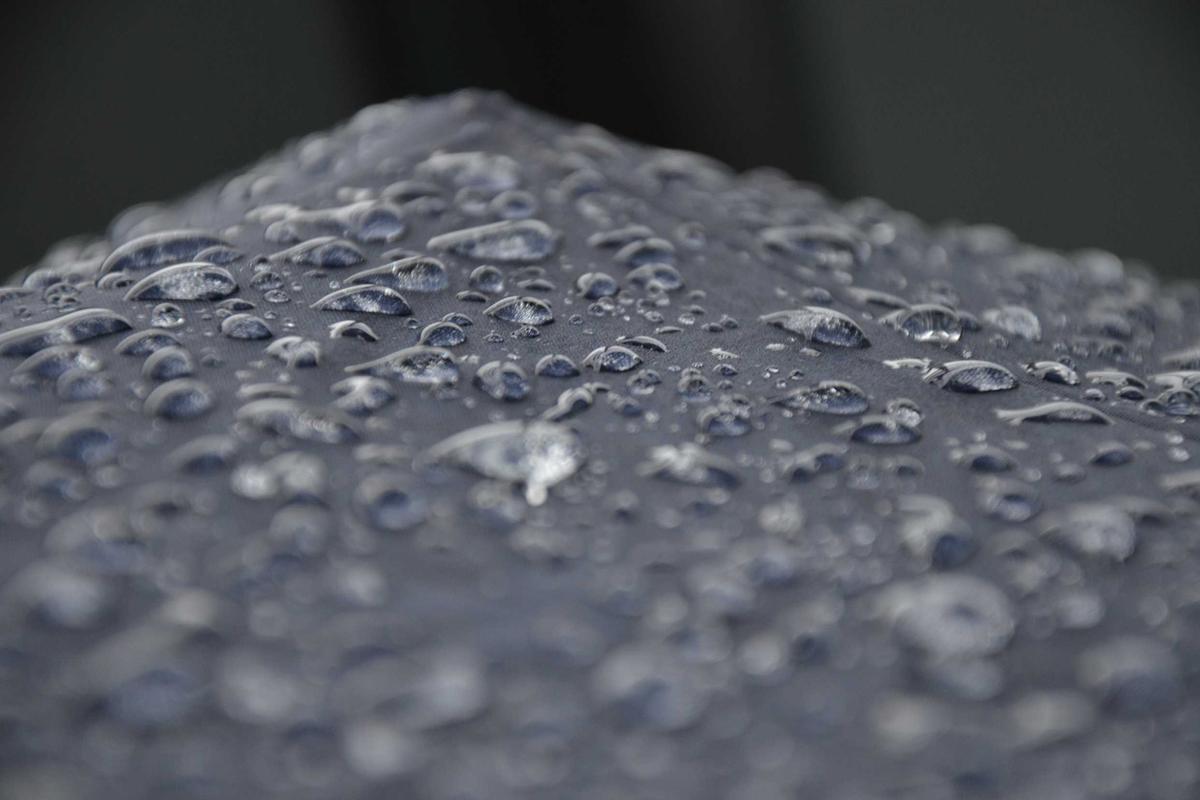
Where you place your exercise bike matters as much as how you clean it. Direct sunlight fades plastic covers and can warp synthetic materials over time. High humidity accelerates rust, especially if your bike is near a bathroom or humidifier. Temperature swings—like a bike kept in an unheated garage in winter—cause metal to expand and contract, loosening connections.
If possible, keep your bike in a climate-controlled room with moderate humidity. A simple cloth cover that’s breathable (not plastic, which traps moisture) protects against dust when the bike isn’t in use. For people with limited space, these constraints are real limitations. A bike in a humid basement, garage, or bedroom near an open window will require more frequent cleaning and maintenance than one in ideal conditions. The payoff is knowing what you’re working with; if your environment is harsh, increase cleaning frequency to monthly or bi-weekly, and inspect the bike more often for early signs of rust or degradation.
Long-Term Component Replacement and Refresh Cycles
Most exercise bikes last 7 to 10 years with consistent maintenance, but individual parts wear out on different schedules. Pedals and cleats typically need replacing after two to three years of regular use. Drive belts wear out every three to five years depending on usage intensity and bike quality. Seat cushions compress and degrade; some are replaceable, others mean buying a new seat.
Handlebars can crack, grips wear down, and the console display might develop pixel issues. Building a small replacement fund for these parts—instead of buying a new bike—extends the life of your equipment and is often more sustainable and cost-effective than cycling through new bikes every few years. The forward-looking insight is that better-built bikes (mid-range to high-end models) have readily available replacement parts, while cheaper bikes sometimes become orphaned as manufacturers discontinue stock. When buying an exercise bike, consider parts availability as part of the long-term value calculation. A well-maintained, mid-range bike that accepts common replacement parts often outlasts a disposable-feeling cheap bike by a decade or more.
Conclusion
Caring for your indoor exercise bike is about consistency and paying attention, not expertise. Weekly wiping, monthly degreasing and inspection, and seasonal component checks prevent most common failures and keep the bike performing smoothly. The investment of 10 minutes a week protects an asset that supports your health, and it’s far cheaper than replacing the bike prematurely due to neglect.
Start this week with one habit: wiping down your bike immediately after your next workout. Once that becomes automatic, add monthly deep cleaning. Most owners find that this routine keeps their bikes in excellent condition for years, and the habit becomes as natural as stretching after a run.
Frequently Asked Questions
How often should I oil the chain on my exercise bike?
Once a month during your deep cleaning is standard. If you use your bike daily in a very humid environment, you might do it bi-weekly. The goal is to keep the chain moving smoothly without excess oil that collects dirt.
Can I use WD-40 on my exercise bike?
Avoid it for chains and moving parts. WD-40 is a water displacer, not a lubricant, and it leaves a sticky residue that attracts dust. Stick to light machine oil or a dedicated bike chain oil.
What should I do if rust appears on my bike’s frame?
Light surface rust can be cleaned with a damp cloth and fine steel wool, then dried immediately and wiped with a light coat of oil. Deep rust pitting requires sanding and repainting or replacement of that component. Prevention through regular wiping is much easier than treating rust.
Is it okay to use a pressure washer on my exercise bike?
No. High-pressure water can force moisture into sealed bearings, electrical components, and joints, causing rust and electrical failures. Stick to damp cloths and gentle brushing.
How do I know if my bike’s resistance system is failing?
If the resistance feels inconsistent, jerky, or unresponsive after cleaning, or if you hear grinding sounds, the resistance system likely needs professional inspection or component replacement. This isn’t a cleaning issue.