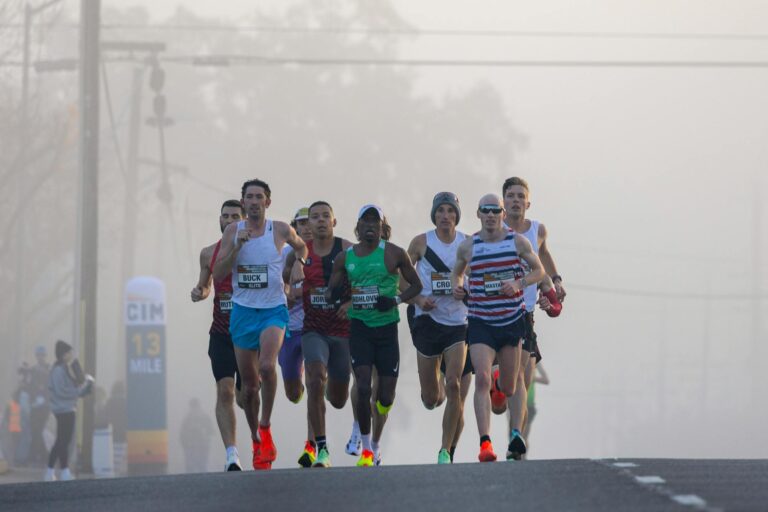
The time it takes to run 20 miles varies dramatically based on your fitness level, running experience, and training approach. For most recreational runners, completing a 20-mile run takes between 3.5 to 5 hours, assuming a pace of 10 to 12 minutes per mile. A competitive ultramarathoner might finish in 2.5 to 3 hours, while a beginner runner training toward their first ultra could take 5 to 6 hours or more.
The key factor isn’t just speed—it’s sustainable pacing that allows you to cover the distance without hitting a wall. Running 20 miles falls into ultramarathon territory, a distance that demands respect and preparation. Unlike a 5K or half-marathon where you might rely partly on adrenaline and high intensity, a 20-miler requires deliberate pacing, fuel management, and mental endurance. If you’re training for an ultramarathon, a 50K trail race, or pushing your limits, knowing realistic time expectations helps you structure your training and set achievable goals.
Table of Contents
- What Pace Should You Aim for Over 20 Miles?
- How Fitness Level Affects Your 20-Mile Time
- The Role of Elevation and Terrain
- Pacing Strategy for a Successful 20-Miler
- Hitting the Wall and Managing Energy Depletion
- Recovery After Running 20 Miles
- Progressive Training Toward 20 Miles
- Conclusion
- Frequently Asked Questions
What Pace Should You Aim for Over 20 Miles?
Your target pace for 20 miles depends on your running background and the terrain. Road runners typically aim for 9 to 11 minutes per mile for a solid 20-miler, which puts you at 3 to 3.5 hours. Trail runners should expect slower times—often 12 to 15 minutes per mile on technical terrain—because footing, elevation, and obstacles demand caution and energy management. A runner who completes a 10K in 50 minutes might target a 20-mile run at a 10-minute-per-mile pace, maintaining aerobic efficiency rather than racing.
The concept of “long run pace” is critical here. Many runners make the mistake of pushing too hard on their 20-miler, treating it like a tempo run instead of an endurance-building effort. Your long-run pace should feel conversational and sustainable—you should be able to speak in complete sentences without gasping for breath. For most recreational marathoners and ultramarathon trainees, this is typically 60 to 90 seconds slower than your 5K race pace.
How Fitness Level Affects Your 20-Mile Time
Your current fitness level is the primary determinant of how long 20 miles takes. A runner with consistent marathon training under their belt, running 30 to 40 miles per week, can reasonably complete 20 miles in 3 to 4 hours. In contrast, someone transitioning from casual jogging or training primarily for shorter distances might need 4.5 to 6 hours to safely complete the distance.
One critical limitation to understand: even if you can theoretically run 20 miles in under 3 hours based on your weekly mileage, that doesn’t mean it’s wise to do so every week. Running 20 miles at an aggressive pace accumulates fatigue, increases injury risk, and can lead to overtraining. Most running coaches recommend only one long run per week, and keeping the pace controlled allows for better recovery and adaptation. A runner who pushes too hard on their 20-miler might spend the next two weeks nursing joint pain instead of building endurance.
The Role of Elevation and Terrain
Road 20-milers and trail 20-milers are vastly different undertakings. A flat, measured 20-mile road course might take 3 hours for a strong runner, but add 3,000 feet of elevation gain on a trail, and that same runner could take 4.5 to 5.5 hours. Elevation doesn’t just slow you down—it taxes your glycogen stores faster, requires more mental fortitude, and demands superior descending technique to protect your knees and quadriceps.
A practical example: a runner tackling a 20-mile trail route with rolling hills and 2,000 feet of climbing should expect to run 25 to 50 percent slower than their road long-run pace. If your road 20-mile time is 3.5 hours, the same distance on mountains might legitimately take 5 hours or more. Understanding this upfront prevents the discouragement that comes when your trail time feels dramatically slower than expected. The slower pace on terrain isn’t a failure—it’s a reflection of the added demands.

Pacing Strategy for a Successful 20-Miler
The smartest approach to 20 miles is negative split pacing or even splits—finishing the second half faster or at the same speed as the first half. Many runners start energized and speed up early, only to crash hard at mile 16 when glycogen depletes and fatigue sets in. If you maintain a steady, sustainable effort from miles 1 to 20, you’re more likely to finish strong and retain the ability to run again soon. Break your 20-miler into manageable segments psychologically.
Instead of thinking about 20 miles, think about four 5-mile blocks or five 4-mile blocks. At mile 10, you’re halfway done. By mile 15, you’re in the home stretch. This mental framework helps some runners push through discomfort more effectively. Additionally, fuel and hydration schedules should align with your pacing plan—taking electrolytes every 45 minutes and consuming simple carbohydrates every 60 to 90 minutes helps sustain your effort and delays fatigue.
Hitting the Wall and Managing Energy Depletion
The “wall” at mile 18 or 19 is a real phenomenon many 20-mile runners experience, particularly those who haven’t trained their body to efficiently tap into fat stores. Your liver and muscles can store roughly 1,800 to 2,000 calories of glycogen, which translates to approximately 90 to 120 minutes of intense running. A 20-miler at moderate intensity depletes glycogen stores, especially if you haven’t fueled adequately during the run.
To avoid hitting the wall, consume 30 to 60 grams of carbohydrates per hour after the first hour of running. This might mean two gels, a sports drink, or real food like pretzels or dates. Many experienced ultramarathon runners find that the miles 15 to 20 are where discipline matters most—eating when you’re not hungry, hydrating even if you’re not thirsty, and maintaining effort when legs feel heavy. A warning: forcing nutrition when your stomach is tired is uncomfortable, but it’s far better than bonking entirely and walking the final miles in distress.

Recovery After Running 20 Miles
The 20-mile run isn’t complete once you cross the finish line—recovery is where the adaptation happens. Your legs, joints, and central nervous system need adequate rest. Most runners require 7 to 10 days of easy recovery running and cross-training before returning to quality workouts. Running hard just 3 days after a 20-miler significantly increases your injury risk.
Immediately after finishing, consume protein and carbohydrates within 30 minutes to begin muscle repair. Take an easy walk for 5 to 10 minutes to gradually lower your heart rate, and then spend 10 minutes on gentle stretching. Ice baths are optional but can reduce muscle soreness if you’re racing again soon. Sleep is non-negotiable—your body releases growth hormone during deep sleep, critical for tissue repair after such a demanding effort.
Progressive Training Toward 20 Miles
If you’re new to running 20 miles, you shouldn’t attempt it cold. A standard ultramarathon training plan spans 16 to 20 weeks and gradually builds long-run distance. Most programs start with a 10-mile base, add a mile or two each week, and include one to three 20-miler attempts before race day. This gradual progression allows your aerobic system, connective tissues, and digestive system to adapt.
Looking forward, many runners find that completing a 20-miler changes their perspective on what’s possible. What felt impossibly far at 15 miles suddenly becomes manageable once you’ve proven it to yourself. This confidence carries into 50K races, 100K efforts, and beyond. The time it takes matters less than the fact that you finished, learned about your capabilities, and can now pursue running adventures previously considered unreachable.
Conclusion
A realistic 20-mile run takes most recreational runners between 3.5 and 5 hours, depending on fitness, terrain, and pacing discipline. Rather than fixating on a specific time goal, focus on running the distance sustainably—maintaining an easy conversational pace, fueling consistently, and respecting the mental and physical demands of the distance. The difference between a great 20-miler and a miserable one often comes down to pacing strategy and in-run nutrition rather than raw speed.
As you prepare for your 20-mile adventure, start conservatively with your pace, practice your fueling plan in training, and trust that consistent long runs will prepare you for the distance. The time you achieve matters far less than the confidence and endurance you build. Once you’ve run 20 miles, you’ll understand that you’re capable of far more than you imagined.
Frequently Asked Questions
How much slower will I be on a trail 20-miler compared to a road 20-miler?
Expect to run 25 to 50 percent slower on trails, depending on elevation and technical difficulty. A runner who completes a road 20-miler in 3.5 hours might reasonably take 4.5 to 5.5 hours on a mountainous trail route.
What’s the best time of day to run 20 miles?
Early morning runs on cooler days reduce heat stress and allow you to fuel with normal meals beforehand. Many ultramarathon runners prefer starting their 20-milers at dawn to finish before peak afternoon heat.
Should I run 20 miles every week during training?
No. Most training plans call for one long run per week, and the 20-miler typically appears only once every two to three weeks. Running 20 miles every week increases overtraining and injury risk without additional benefits.
How much water should I drink during a 20-mile run?
Aim for 16 to 32 ounces of fluid per hour, depending on temperature and sweat rate. Drink to thirst rather than forcing excessive amounts, and balance hydration with electrolytes to maintain sodium balance.
Can a beginner runner complete a 20-miler?
Yes, but it requires 12 to 16 weeks of structured training. Start with a 10-mile long run and gradually increase distance by 1 to 2 miles each week, skipping the increase every 3 to 4 weeks for recovery.
What should I eat during my 20-mile run?
Consume 30 to 60 grams of carbohydrates per hour after the first hour, using gels, sports drinks, or real food. Most runners also benefit from electrolytes and a small amount of protein if running longer than 3 hours.