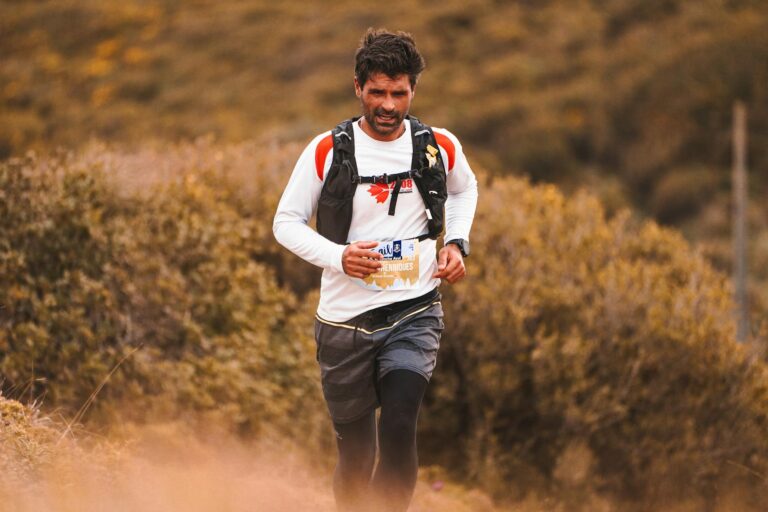
The best form cues to improve your running mid-stride are simple, actionable instructions you can focus on during a run—like “land mid-foot,” “drive your elbows back,” or “increase your cadence to 170 steps per minute.” These mental cues work because they bypass overthinking and directly trigger the adjustments your body needs in real time. A runner who focuses on “chest up” while running will automatically correct slouching, open their airways, and engage their core—all without consciously thinking about each movement separately. What makes a cue effective is that it addresses one element at a time and is something you can actually feel happening.
Running form isn’t a fixed checklist—it’s a fluid, adaptive system that changes based on speed, fatigue, terrain, and your body’s current state. The key to mid-stride improvement is learning which cues matter most for your body, your running style, and your goals. A beginner working on consistency needs different cues than a runner preparing for a faster 5K.
Table of Contents
- What Are Running Form Cues and Why Do They Work?
- The Science Behind Form Cues and Their Limitations
- Core Form Cues That Work During a Run
- Practical Methods for Applying Cues Mid-Run
- Form Breakdown and Warning Signs During Runs
- Cues for Different Running Paces and Distances
- Building Your Cue System Over Time
- Conclusion
- Frequently Asked Questions
What Are Running Form Cues and Why Do They Work?
A running form cue is a single instruction that tells your body to do one specific thing during your run. Unlike detailed biomechanical descriptions, cues are designed to be quick, memorable, and actionable. Instead of thinking “engage your gluteal muscles while extending your hip in the posterior plane,” a cue simply says “drive your knee up” or “push off the ground harder.” Your nervous system responds better to simple instructions, and cues bypass the paralysis that comes from overthinking mechanics. The reason cues work is rooted in motor learning.
Your brain has limited capacity for conscious attention while running. When you overload yourself with multiple form corrections, your running actually gets worse because you’re distracted and tense. A single, well-chosen cue narrows your focus and lets your motor system make the adjustment naturally. Research on running biomechanics shows that runners who use form cues improve their efficiency and reduce injury risk more effectively than those given detailed technical feedback. The comparison is striking: a runner told “shorten your stride” makes an immediate, measurable improvement within one run, while a runner given a five-minute explanation of cadence and ground contact time may never actually change their pattern.

The Science Behind Form Cues and Their Limitations
The effectiveness of a running form cue depends on whether it triggers the right muscle activation patterns without creating new problems elsewhere. this is where a major limitation appears: a cue that works brilliantly for one person can actually harm another. For example, “land on your midfoot” is excellent guidance for a heel striker with inefficient impact braking, but a runner who naturally forefoot strikes might injure their calf and Achilles tendon if they over-correct. Your individual anatomy—arch height, limb length, muscle composition, and movement history—means that the cue that transformed your friend’s running might not work for you. Another limitation is fatigue.
The cue that kept your form together for the first 3 miles of a 10K may completely disappear by mile 8 when your nervous system is depleted. This is why runners often report that their form falls apart in the final miles of a race despite feeling strong early on. The mental effort to maintain a cue uses up the same cognitive resources your brain needs for decision-making and movement coordination. Long-run training requires developing multiple backup cues so that when one fails, you have another ready. Relying on a single cue during high-fatigue situations is a warning sign that you haven’t built enough movement resilience.
Core Form Cues That Work During a Run
The most reliable cues fall into a few categories: cadence-based cues, postural cues, and propulsion cues. A cadence cue like “run at 170 steps per minute” directly controls a measurable variable—your step rate. This is powerful because you can count your footfalls, use a metronome app, or listen to music at that tempo. Increasing cadence by just 5-10% typically shortens your stride, reduces ground contact time, and lowers injury risk. The downside is that if your muscles aren’t conditioned for a faster cadence, you’ll tire quickly and it will feel unnatural.
This is why cadence changes take two to three weeks of practice to feel comfortable. Postural cues like “shoulders relaxed” or “lean from your ankles, not your waist” address what your upper body is doing. A runner who maintains an upright posture with relaxed shoulders breathes more efficiently and uses their core to stabilize the spine instead of overloading their quads. Compare this to a runner who slouches: the sloucher’s ribs close down, limiting breath volume, and their legs have to work harder to compensate for poor spinal stability. The example that illustrates this best is the difference between running on fresh legs after a sprint session versus mile 18 of a marathon, when posture typically collapses—that collapse is the body switching into a less efficient but more sustainable pattern.
Practical Methods for Applying Cues Mid-Run
The most reliable way to apply a cue mid-run is to dedicate specific sections of your run to it. Rather than trying to maintain perfect form the entire time, pick a 1-mile segment where you focus solely on one cue. For instance, miles 2-3 of a 5-mile run becomes your “cadence work” while miles 4-5 return to comfortable running. This strategy reduces the mental burden and lets you return to your default running pattern when you’re tired, which prevents compensation injuries. Many runners also pair cues with external markers—a cue you practice during repeats on a track, for example, is easier to maintain than one you’re trying to hold together during a treadmill run where there’s no feedback from terrain changes.
A practical comparison: video-based feedback versus cue-based feedback. Video feedback—watching a slow-motion recording of your running—is excellent for identifying problems, but it doesn’t help you fix them during a run. Cue-based feedback—like a coach yelling “drive your knee!” during a workout—works in real time because it’s immediate and actionable. The tradeoff is that a cue might oversimplify the issue. A runner with weak hip abductors might be told “run straighter” when the real issue is muscular imbalance, not awareness. The cue can mask a deeper problem until it becomes an injury.
Form Breakdown and Warning Signs During Runs
One of the most important warnings about mid-stride form improvement is recognizing when a cue has stopped working. Fatigue, dehydration, or muscle damage from previous training can make any form cue impossible to maintain. A runner trying to keep their cadence at 175 steps per minute while completely depleted is just fighting their body’s protective mechanisms. The legs get heavier, stride shortens involuntarily, and turnover slows—no amount of mental cuing will reverse this. This is why experienced runners listen to their body’s signals instead of rigidly following a form prescription.
A second warning: avoid stacking too many cues together. A runner trying to maintain high cadence, upright posture, and “push off harder” all at once will become tense and inefficient. The nervous system overloads and performance actually decreases. Fatigue from form corrections themselves is a real phenomenon—runners often report feeling more tired after a workout focused entirely on form than after one where they just ran relaxed. The limitation here is that there’s a tradeoff between form perfection and running economy. Perfect form at the cost of constant tension burns more calories and feels harder than slightly imperfect, relaxed running.

Cues for Different Running Paces and Distances
Your form cues should change based on what you’re doing. During a warm-up jog, cues like “relax your jaw” or “check your shoulders” address tension before it builds. During tempo running or intervals, cues shift to power production: “drive your elbows” or “land stronger.” During easy recovery runs, the cue might be “stay smooth and controlled—don’t accelerate.” The example here shows why: a runner using a “push off harder” cue during an easy 4-mile recovery run will end up running too fast, accumulate unnecessary fatigue, and compromise their recovery. The same runner using “push off harder” during a 400-meter repeat gets exactly the performance boost they need.
For long-distance running, cues become anchors for maintaining form when the body is fatigued. A marathoner’s cue at mile 20 should be something that’s deeply ingrained and requires minimal effort: “chest up” or “relax your arms.” This is why experienced distance runners develop a hierarchy of cues for different scenarios. They have their “everything feels great” cue, their “starting to struggle” cue, and their “barely holding on” cue. Each cue is designed to be maintainable at that level of fatigue.
Building Your Cue System Over Time
The most effective runners don’t rely on a single cue—they build a personalized system of three to five cues that work together. This system develops through experimentation and honest self-assessment. Start with one cue, practice it consistently for two to three weeks, and then honestly evaluate whether it actually improved your running or created problems. A cue that causes knee pain, hip tightness, or makes you feel clumsy should be abandoned, not pushed through.
The forward-looking insight here is that running form improvement is a gradual, individual process, not a universal fix. As you get stronger and build better body awareness, your cue system evolves. A beginner might need “run taller” and “lift your knees,” but after six months of training, those corrections happen automatically and you can focus on more advanced cues like “reduce ground contact time” or “stride in line.” This progression from basic postural awareness to refined neuromuscular control is how runners become more efficient and faster without adding volume or intensity. Your cue system is never finished—it’s a living tool that adapts to your changing body, goals, and running experience.
Conclusion
The best cues to improve your running form mid-stride are simple, actionable, and personalized to your body and running style. They work because they narrow your focus, trigger specific muscle activations, and allow your nervous system to make corrections without overthinking. The most effective approach is practicing one cue at a time during dedicated portions of your runs, building a small library of reliable cues, and being willing to abandon anything that doesn’t work or causes problems.
Your form will never be perfect, and that’s okay. The goal is to run efficiently enough to stay healthy, feel strong, and progress toward your goals. By using the right cues at the right time—and being honest about when they’re working—you’ll develop form habits that stick with you for years of running.
Frequently Asked Questions
How long does it take for a form cue to become automatic?
Most runners see improvement within one to two runs, but the cue needs three to four weeks of consistent practice to become truly automatic and require minimal conscious attention. If you’re still thinking hard about it after a month, it may not be the right cue for your body.
Can I use multiple form cues during the same run?
It’s better to focus on one cue per run or one cue per section of a run. Using multiple cues simultaneously overloads your nervous system and often makes form worse, not better. Save second and third cues for different workouts.
Should I use form cues during easy recovery runs?
Keep cues minimal during easy runs. Use one simple cue like “stay relaxed” if needed, but mostly let your body run naturally. Recovery runs are for building aerobic fitness, not form work—save intensive cue practice for harder efforts.
What’s the difference between running form cues and running drills?
Cues are mental instructions you use during regular running, while drills are exaggerated movements practiced separately (like high-knee drills or bounds). Both improve form, but cues are better for maintaining form during real runs, while drills are better for developing the strength and neuromuscular control behind good form.
How do I know if a form cue is working?
A good cue should feel easier to maintain after a few weeks, not harder. You should notice improvements like easier breathing, less knee or hip pain, or slightly better pacing. If a cue still feels forced after a month or causes new problems, it’s not right for you—try something different.
Can running form cues help prevent injuries?
Yes, cues can help when they address actual biomechanical issues, like a “land softer” cue for someone with a loud, heavy footfall. However, they’re not a substitute for strength training and proper recovery. An injury usually stems from multiple factors, and a cue alone won’t fix a chronic problem if underlying weakness or muscle imbalance exists.