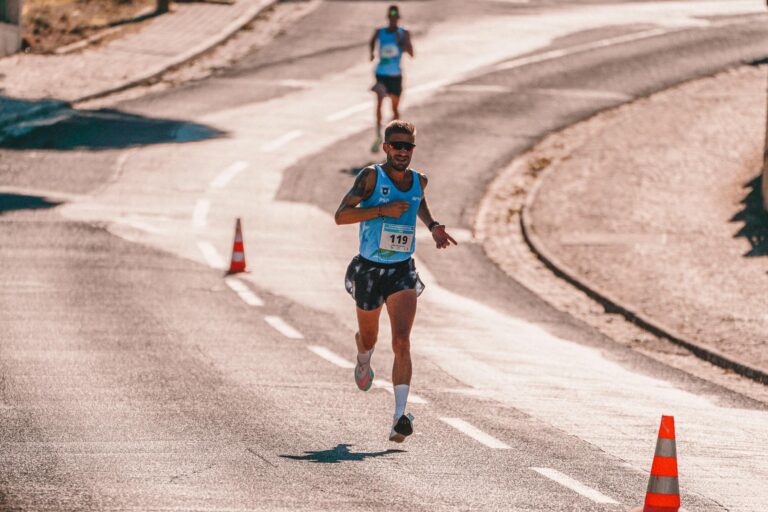
Running 5 miles without stopping is achievable for most people with consistent training, proper pacing, and a structured build-up over 8–12 weeks. The key is starting at a comfortable pace—one where you can hold a conversation—rather than pushing hard from the beginning. A person who can currently run 2 miles might begin with a week-one program of four 1-mile runs, then gradually extend one run by half a mile each week, allowing the body to adapt without injury.
The physiological adaptation required isn’t as extreme as many assume. Your cardiovascular system, leg muscles, and aerobic capacity will improve significantly within 4–6 weeks of consistent training. For example, a 35-year-old office worker with no running experience who starts with three 20-minute sessions per week (mixing walking and running intervals) typically reaches continuous 5-mile runs by week 10, provided they don’t skip workouts or increase distance too rapidly.
Table of Contents
- What Does It Take to Build Endurance for 5 Miles?
- The Critical Role of Pacing in Continuous Running
- Building a Weekly Training Structure
- Smart Nutrition and Hydration Strategy
- Injury Prevention and the Recovery Imperative
- Mental Training and the Psychological Wall
- The Next Step Beyond 5 Miles
- Conclusion
- Frequently Asked Questions
What Does It Take to Build Endurance for 5 Miles?
Endurance running depends on three interconnected systems: cardiovascular fitness, muscular endurance, and aerobic metabolism. Your heart needs to pump oxygen-rich blood efficiently to your muscles, your leg muscles need to sustain effort over extended periods, and your body needs to burn fat and glycogen efficiently. These don’t develop at the same rate, which is why sudden increases in distance often lead to injury rather than improvement.
The rule of thumb is the 10-percent rule: increase your weekly running distance by no more than 10 percent each week. Someone running 10 miles per week can safely move to 11 miles the following week. Exceeding this threshold doubles your injury risk, particularly for conditions like shin splints, runner’s knee, and stress fractures. A comparison shows this clearly—a runner who increases from 3 miles to 5 miles in one week is far more likely to experience pain than one who takes 4–5 weeks to make the same progression, even if both end up at the same distance.

The Critical Role of Pacing in Continuous Running
Most new runners fail at 5-mile distance because they run the first mile too fast, burning through glycogen reserves and entering oxygen debt before mile three. The correct approach is counterintuitive: your first 5-mile run should feel easy, almost disappointingly slow. A sustainable 5-mile pace is typically 90–120 seconds per mile slower than your maximum speed for one mile.
If you can run a mile in 10 minutes at maximum effort, your comfortable 5-mile pace should be around 11:30–12:00 per mile. This feels manageable because you’re relying on aerobic metabolism (fat burning with oxygen) rather than anaerobic metabolism (burning glucose without oxygen). The limitation here is psychological—many runners feel they’re “not going fast enough” and unconsciously speed up, which undermines the entire training approach. Intentionally running slower, whether through a watch, a running app, or simply staying within conversational pace, is non-negotiable.
Building a Weekly Training Structure
A typical week for 5-mile progression includes three running sessions: one longer run (building distance), one steady-pace run, and one shorter, slightly faster run. The long run increases by roughly 0.5 miles per week, the steady run stays constant at a comfortable pace, and the shorter run works on leg turnover and mental toughness. Rest days between runs allow your muscles to repair and adapt, which is where actual fitness gains happen.
For example, Week 1 might look like: Monday (2 miles easy), Wednesday (2 miles steady), Friday (1.5 miles with four 30-second pickups), and Saturday (2-mile long run). By Week 8, it becomes: Monday (3 miles easy), Wednesday (3 miles steady), Friday (2 miles with six 60-second pickups), and Saturday (5-mile long run). This structure works because each session serves a specific purpose rather than just adding volume.

Smart Nutrition and Hydration Strategy
Your body depletes glycogen stores (stored carbohydrates) after about 90 minutes of steady running, which typically corresponds to 7–9 miles depending on pace and fitness. For a 5-mile run at easy pace, you’re unlikely to hit full depletion, but you’ll notice performance benefits from eating carbohydrates 2–3 hours before running. A comparison: runners who eat a banana and toast before a morning 5-miler often feel stronger at miles 3–4 compared to those who run on an empty stomach, even though both might finish.
Hydration needs are similarly practical—for runs under 60 minutes, plain water is sufficient, though some runners prefer a sports drink with electrolytes and carbohydrates. The tradeoff is that carrying water (in a handheld bottle or hydration pack) adds weight and can feel cumbersome early on, while dehydration can cause cramping and reduced performance. Most runners find they don’t need water for a 5-mile run at easy pace, but individual sweat rates vary significantly.
Injury Prevention and the Recovery Imperative
The most common injuries in new distance runners are overuse injuries—shin splints, IT band syndrome, and runner’s knee—which develop gradually from cumulative stress rather than a single event. These injuries thrive when training volume increases too quickly, when form degrades from fatigue, or when muscles and tendons aren’t given adequate recovery. A warning: pain that emerges during week two or three of training often worsens silently, and by week six, what started as mild discomfort becomes limiting enough to halt training entirely.
The solution is proactive: invest in rest days (at least two per week), incorporate strength work like squats and lunges twice weekly, and address minor aches immediately with a day off or reduced volume. Cross-training—cycling, swimming, or rowing—on off-days maintains fitness while giving running muscles a break. The limitation is that this requires discipline; it’s tempting to push through mild pain or skip strength work to save time.

Mental Training and the Psychological Wall
Running 5 miles continuously triggers a psychological challenge around mile 3 or 4 for many new runners. At this point, you’ve used roughly half your glycogen, early-run adrenaline has faded, and your mind starts questioning why you’re doing this.
Runners who prepare mentally—by breaking the run into segments (run to the next mailbox, run 10 more minutes, run to the park entrance) rather than focusing on the full 5 miles—succeed more often. For example, a runner who thinks “I’ll run 2.5 miles out, then turn around” manages the perceived distance better than one fixating on “5 miles total.” Listening to music, running with a partner, or simply knowing your route well reduces the mental burden. Some runners thrive on the solitude and simplicity of running, while others need distraction; neither is wrong, but knowing your preference beforehand helps you set yourself up for success.
The Next Step Beyond 5 Miles
Once you’ve run 5 miles continuously several times, your body has adapted to the fundamental demands of distance running. At this point, you can either maintain 5 miles as your regular distance (which is enough for strong aerobic fitness and takes 45–60 minutes per week) or gradually extend further. The jump from 5 miles to 10 miles follows the same 10-percent rule and typically takes 8–10 additional weeks.
The insight here is that reaching 5 miles represents a genuine threshold. Below 5 miles, you’re still building basic endurance; above it, you’re pursuing longer distance running or simply maintaining excellent cardiovascular fitness. Both paths are valuable, and many runners find 5 miles is the sweet spot for consistent, sustainable training that doesn’t require major life adjustments.
Conclusion
Running 5 miles without stopping is primarily a matter of consistent training, proper pacing, and patience. The process usually takes 8–12 weeks of steady work, following a structured plan that increases distance no faster than 10 percent per week, and respecting the importance of rest and recovery. The single biggest mistake new runners make is running too fast too soon, which depletes energy reserves and invites injury.
Start where you are—whether that’s walk-run intervals, 1-mile continuous runs, or somewhere in between—and commit to a plan that feels achievable. The 5-mile mark isn’t an arbitrary target; it’s the distance where most people experience a genuine shift in fitness, confidence, and aerobic capacity. Once you’ve reached it consistently, maintaining the habit becomes far easier, and further progression becomes a choice rather than a struggle.
Frequently Asked Questions
How long does it realistically take to run 5 miles without stopping?
For someone with no running experience, typically 8–12 weeks of consistent training (3 runs per week). Someone who has a base of running 2–3 miles can reach 5 miles in 4–6 weeks.
What if I have pain during my runs?
Minor muscle soreness is normal, but sharp pain in joints (knees, ankles, shins) is a warning sign. Take a rest day or reduce distance, and don’t resume running until pain-free. Pushing through joint pain typically makes injuries worse.
Should I run the same pace every day?
No. Your long run should be easy and slow, your steady run should be moderate, and your short run can include faster segments. Varying intensity reduces injury risk and builds different fitness qualities.
What’s the best time of day to run?
Whatever time you’ll actually do it consistently. Morning runners avoid afternoon heat and distractions, but evening runners may feel stronger since they’ve eaten during the day. Consistency matters far more than timing.
Can I jump from 2 miles to 5 miles quickly?
Not safely. Going from 2 to 5 miles in two weeks increases injury risk dramatically. A 4–5 week progression allows your connective tissues and muscles to adapt.
Do I need expensive running shoes to run 5 miles?
Proper shoes for your foot type (neutral, stability, or motion control) matter, but expensive doesn’t mean better. Many runners have success with $100–150 shoes from specialty running stores that assess your gait.