
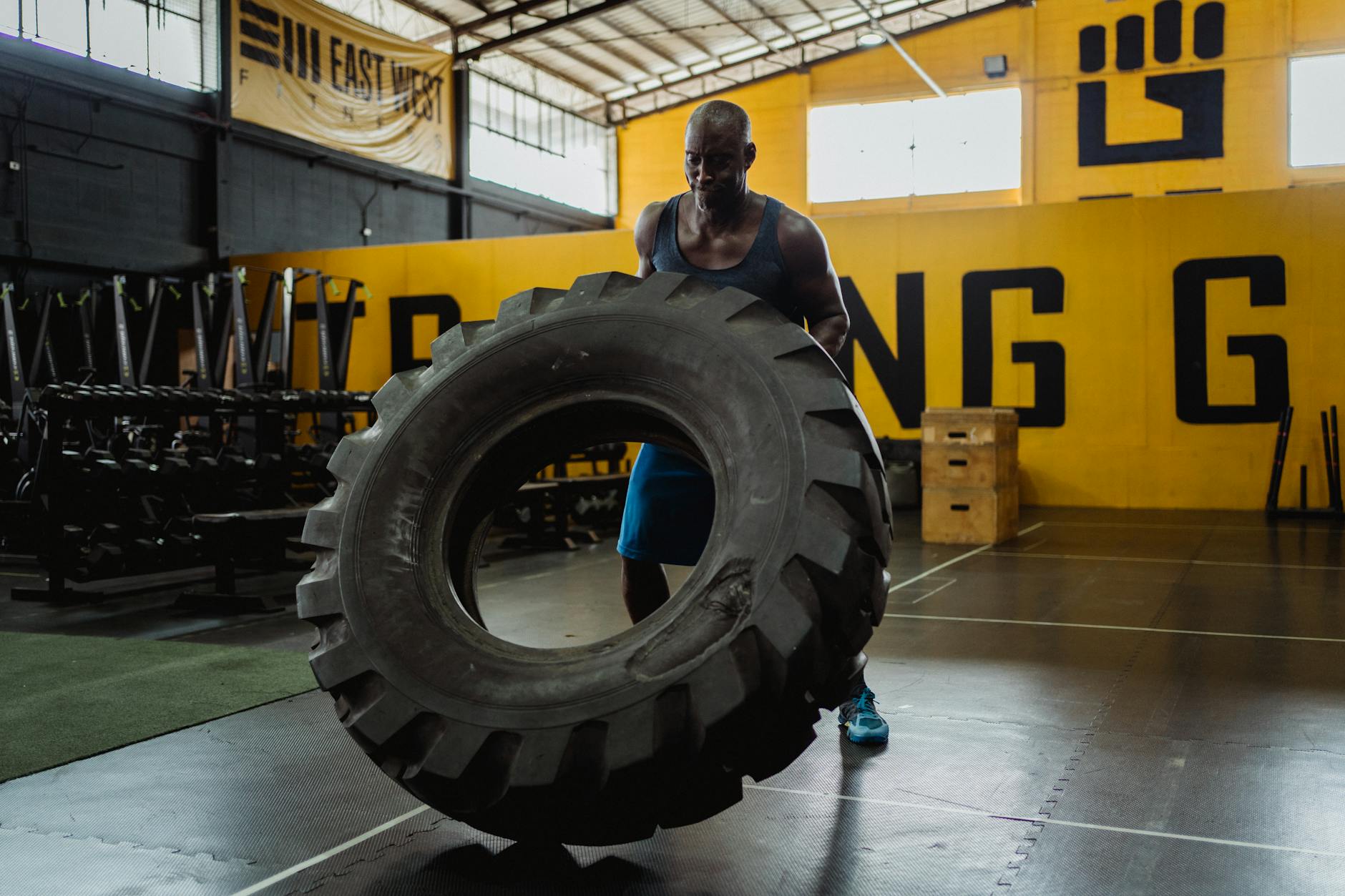
Hybrid training is the combination of strength and endurance disciplines within a single, intelligently programmed fitness plan—a systematic approach that merges resistance work, cardiovascular conditioning, and mobility drills into one cohesive program. Rather than treating running and weightlifting as separate endeavors, hybrid training recognizes that runners can become stronger athletes and lifters can build superior aerobic capacity when both disciplines are pursued strategically within the same training cycle. For a runner who spends three days a week on the road, adding two structured strength sessions doesn’t mean abandoning your running goals; instead, it means running smarter while building the muscular foundation that keeps you injury-free and faster over time.
The explosive growth of hybrid training in 2026 reflects a fundamental shift in how athletes think about performance and longevity. What was once a niche approach confined to CrossFit and functional fitness circles has become one of the dominant fitness trends worldwide. The numbers tell the story: over 550,000 people entered a Hyrox race in 2025, a hybrid fitness competition that tests both endurance and strength capacity, compared to just 600 participants in 2018. That’s not incremental growth—it’s a revolution in how people train.
Table of Contents
- What Makes Hybrid Training Different From Traditional Run Training?
- The Science Behind Hybrid Training’s Effectiveness
- How Hybrid Training Fits Into Running Performance
- Designing Your Hybrid Training Program Structure
- Common Mistakes That Undermine Hybrid Training Results
- Nutrition and Recovery for Hybrid Athletes
- The Evolution of Hybrid Training and What’s Next
- Conclusion
What Makes Hybrid Training Different From Traditional Run Training?
Traditional running training follows a linear progression: easy runs, tempo runs, speed work, and the occasional long run. It’s effective for building aerobic fitness and logging miles, but it often leaves gaps in strength development and structural integrity. A pure endurance approach can lead to strength imbalances, weak glutes and hip stabilizers, and a body that’s optimized for forward motion at the expense of lateral stability and explosive power. hybrid training fills these gaps by adding purposeful strength and power work that complements rather than competes with your running. When you incorporate strength training into a runner’s program, the benefits extend far beyond bigger muscles. A 2022 systematic review published in AHA Journals analyzed 81 randomized controlled trials involving 4,331 individuals and found that combined training—mixing strength and endurance—was the most effective modality for improving cardiometabolic health outcomes.
The research was clear: runners who add strength work see measurable improvements in VO2max (8% to 15% gains are commonly reported), strength gains in major lifts (10% to 20%), and improved local muscular endurance and power output. These aren’t marginal returns; they’re substantial improvements that translate to faster times and greater resilience. The joint health advantage is perhaps the most underrated benefit of hybrid training. Runners who incorporate strength training develop stronger joints and fewer injuries, while lifters who add cardio recover faster and improve their heart health. It’s a reciprocal relationship: the strength work protects your joints during the pounding of running, and the aerobic work enhances recovery and systemic health. This combination is why hybrid-trained athletes often report fewer nagging injuries and a greater capacity to sustain training intensity over years rather than months.

The Science Behind Hybrid Training’s Effectiveness
The physiological adaptations that occur during hybrid training are simultaneous and synergistic. When you stress your body with both strength and endurance stimuli within a structured program, your cardiovascular system, muscular system, and nervous system all adapt in ways that wouldn’t occur if you trained these qualities separately. Your heart becomes more efficient at delivering oxygen, your muscles become more metabolically flexible, and your body learns to recruit muscle fibers more effectively under fatigue—the exact conditions you face in a demanding run or race. A critical consideration is the risk of underrecovery. Hybrid training is demanding, and trying to maximize both strength and endurance improvements simultaneously requires careful programming and adequate recovery. If you add heavy strength sessions to your running without accounting for the cumulative fatigue, you’ll either compromise one discipline or burn out entirely.
The research supports a time-efficient approach: hybrid training protocols can deliver meaningful results using approximately 100 minutes per week, which is achievable for most people. But those 100 minutes need to be programmed with intention. Random combinations of hard running and heavy lifting won’t produce the same benefits as strategically sequenced sessions that account for interference effects and recovery demands. Body composition changes are one of the most tangible results of hybrid training. Over a six-week period, participants in hybrid training programs showed reductions in body fat while simultaneously increasing muscle mass. This is the training approach that actually delivers the “athletic” physique rather than the “endurance-only” frame (which often lacks upper body and lower body strength definition) or the “strength-only” physique (which can carry excess weight and compromise aerobic performance).
How Hybrid Training Fits Into Running Performance
For the competitive runner, hybrid training is no longer optional—it’s necessary. The performance improvements from hybrid training aren’t theoretical; they’re measured in VO2max increases and strength gains that directly translate to race performance. A runner with strong quads, glutes, and core muscles maintains better running form when fatigued, maintains power output over longer distances, and resists the neuromuscular fatigue that typically sets in during the final miles of a race. Think of a marathon runner: the first 20 kilometers feel manageable, but miles 18-26 are where form breaks down, stride shortens, and pace drops. Much of that decline is neural fatigue compounded by strength deficits—your muscles lose the ability to generate force, and your running form suffers.
A hybrid-trained runner doesn’t eliminate this challenge entirely, but they reduce it significantly. The strength work maintains neuromuscular efficiency even under fatigue, meaning the runner maintains better form, a longer stride, and more consistent pacing through the difficult final kilometers. hyrox races represent the apex of hybrid training demands: participants run 8 kilometers while completing eight functional fitness stations (sled push, rowing, burpee broad jump, and others). The athletes who excel at Hyrox are invariably those who trained both endurance and strength specifically. You can’t wing a Hyrox race on running fitness alone, nor can you handle the running component if you’ve only trained strength. This is why Hyrox participation has skyrocketed—it appeals to athletes who want the challenge of being well-rounded rather than specialized.

Designing Your Hybrid Training Program Structure
Building a hybrid training program requires balancing competing demands: you can’t maximize strength gains if you’re running hard every day, and you can’t build serious aerobic capacity if recovery is consumed by heavy lifting. The typical weekly structure involves 2-3 running sessions, 2-3 strength sessions, and adequate recovery days. A common approach is to separate hard running and hard strength work: if Monday is a strength day with heavy lifts, then the running that day should be easy or a short mobility session. If Wednesday is a high-intensity running workout (tempo run or intervals), the strength work that day should be lighter or focus on movement quality rather than heavy loads. One tradeoff you’ll face is specificity versus variety. A pure runner might argue that extra running volume would produce better running-specific fitness; a pure lifter might argue that more strength work would produce better strength gains.
Hybrid training sacrifices some of these discipline-specific maximums in exchange for overall athletic capability and reduced injury risk. You’ll get stronger and faster, but you might not achieve the peak in each discipline that a specialist would. For most people, this is an excellent tradeoff—you become a more resilient, more capable athlete rather than a specialist who excels in one area while being vulnerable in others. Time efficiency makes hybrid training accessible. Unlike traditional periodized running training (which often requires 50-80 minutes per week of dedicated running) plus separate strength training, hybrid training can be accomplished in roughly 100 minutes per week of focused work. This means runners can maintain significant training stimulus while adding strength and mobility work, all within a realistic schedule.
Common Mistakes That Undermine Hybrid Training Results
The most common mistake is treating strength work as an afterthought—squeezing in some light dumbbell work after a hard run. This approach won’t deliver strength gains because the central nervous system is already fatigued from the run, and you’re trying to develop strength in a state of acute fatigue. If strength is part of your hybrid program, it deserves its own dedicated session with adequate recovery before intense running. Similarly, trying to do a maximum strength session (heavy squats, deadlifts) and then immediately run hard is a recipe for injury or dramatically compromised performance in one or both activities. Another pitfall is poor program continuity. Hybrid training requires progressively increasing demands over weeks and months.
If you jump from one random program to another every few weeks, you won’t accumulate the adaptations that produce real performance gains. The research showing 8% to 15% VO2max improvements and 10% to 20% strength gains came from structured, progressive programs lasting at least 6-8 weeks, not from random variety. Consistency and progression matter more than complexity. Inadequate recovery is the silent killer of hybrid training. Your body makes adaptations during rest, not during training. If you’re constantly running hard, lifting hard, and neglecting sleep and nutrition, you’ll accumulate fatigue and see plateaus or declines in performance. The 2026 fitness trends emphasize “training for longevity, not just aesthetics”—and that longevity perspective means respecting recovery as much as training stimulus.

Nutrition and Recovery for Hybrid Athletes
Hybrid training demands increase your caloric expenditure and nutrient demands substantially. You’re no longer just a runner concerned with carbohydrate loading and light protein intake; you’re an athlete with simultaneous demands for muscle repair (from strength training), endurance fuel (from running), and recovery capacity. This typically means higher overall caloric intake, sufficient protein (1.2-2.0 grams per kilogram of body weight depending on training intensity), and consistent carbohydrate availability to fuel both hard running and strength sessions.
Sleep becomes non-negotiable. The performance gains from hybrid training—the VO2max improvements, strength gains, and body composition changes—happen during recovery, not during the training session. Athletes who train hybrid protocols but shortchange sleep will be disappointed by their results. Seven to nine hours nightly isn’t a luxury; it’s a training requirement.
The Evolution of Hybrid Training and What’s Next
Hybrid training is no longer fringe or experimental; it’s become mainstream fitness. The growth of platforms like Hyrox, the integration of hybrid principles into commercial gym programming, and the research validation backing the approach all indicate that this is how athletes will continue to train.
The emerging focus on longevity and durability rather than peak performance in a single discipline means hybrid training aligns perfectly with contemporary fitness priorities. Looking forward, hybrid training will likely become more personalized through wearable technology and data analysis, allowing athletes to fine-tune the balance between strength and endurance work based on individual response to training. The 2026 fitness trends show wearable technology as the top priority among fitness professionals, suggesting that hybrid athletes will increasingly use data to optimize their programming rather than relying solely on intuition or generic templates.
Conclusion
Hybrid training is the combination of strength and endurance work within a coherent program designed to build faster, stronger, more durable runners. It’s not a trend that will fade; it’s a fundamental shift in how serious athletes approach training. The science is clear: combined training is the most effective approach for improving cardiometabolic health and performance, and the numbers—from Hyrox participation to performance studies—demonstrate that athletes across the world are embracing this approach because it works.
If you’re a runner who has focused purely on running fitness, adding intelligent strength and mobility work through a hybrid program will make you faster, stronger, and less injury-prone. Start with approximately 100 minutes per week of focused hybrid training, prioritize recovery and consistency, and give the program at least 6-8 weeks to demonstrate results. The investment pays dividends in performance, resilience, and the ability to sustain your training over years rather than months.
1 thought on “The Hybrid Training Explained: Complete Guide”
Comments are closed.