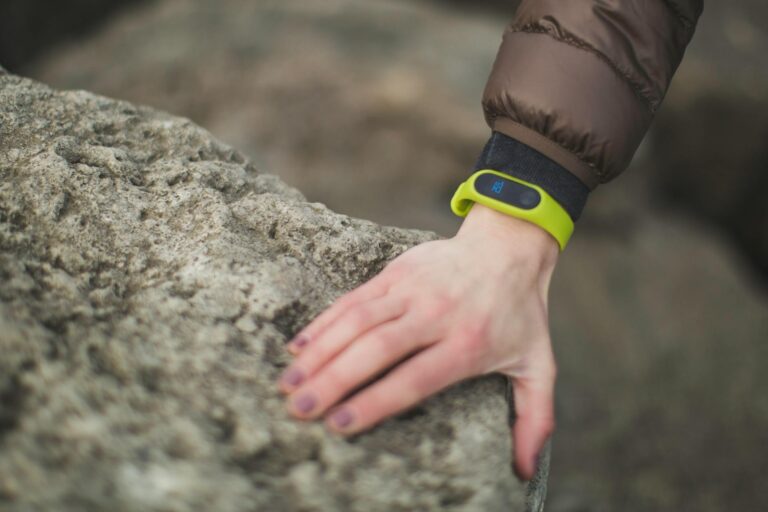
Your fitness tracker overestimates intensity minutes because it relies on indirect signals—primarily heart rate and movement patterns—that don’t always reflect actual exercise intensity. When your heart rate climbs for reasons unrelated to hard effort, like stress, caffeine consumption, or even sitting in a warm room, your tracker often interprets those elevated beats as vigorous activity and credits them as intensity minutes. The algorithms inside most popular trackers use simplified models that work reasonably well in controlled conditions but fail to distinguish between genuine cardiovascular exertion and the dozens of other physiological stressors that elevate your pulse throughout the day. Consider a common scenario: you wake up groggy, drink a strong coffee, and climb the stairs to your second-floor bedroom.
Your heart rate spikes to 110 beats per minute—partly from caffeine, partly from the stairs—and your tracker records this as two minutes of intensity. You haven’t really done vigorous exercise, but the device dutifully logs the episode. Multiply this by stress spikes during work calls, a heated argument, or standing in direct sunlight, and your weekly intensity minutes can be inflated by 20 to 40 percent depending on the tracker model and your lifestyle. Understanding why this happens is the first step toward using your device as a training tool rather than a misleading scorekeeper.
Table of Contents
- How Do Fitness Trackers Actually Measure Intensity?
- The Heart Rate Zone Trap and Non-Exercise Stressors
- Why Accelerometer Data Misses the Full Picture
- Practical Approaches to Calibrating Your Tracker for Better Accuracy
- Algorithm Differences Across Brands and the Variability Problem
- How Personal Factors Shape Intensity Detection Errors
- Moving Forward: Using Trackers as One Tool, Not the Only Metric
- Conclusion
How Do Fitness Trackers Actually Measure Intensity?
Most fitness trackers don’t measure intensity directly. Instead, they estimate it using a combination of heart rate data and accelerometer readings (movement detection). The typical algorithm defines intensity using heart rate zones—usually calculated as a percentage of your maximum heart rate or, in more sophisticated models, based on estimated VO2 max reserve. When your detected heart rate exceeds a certain zone threshold (often labeled as “vigorous” or “intense”), the tracker counts those minutes. Accelerometers add a secondary signal, flagging rapid or consistent movement patterns that the algorithm associates with exercise.
The problem is that heart rate zones were originally developed in laboratory settings with specific athletes exercising in controlled environments. They translate poorly to real-world complexity. A person climbing stairs with heavy groceries, a person in acute anxiety, and a person running at moderate tempo might all hit the same heart rate, but only one is truly exercising at high intensity. Your tracker cannot tell the difference because it lacks the context. The accelerometer helps distinguish between sustained movement (like running) and isolated spikes (like standing up quickly), but it remains a coarse proxy for metabolic effort, especially for activities that demand high intensity with minimal movement—like weightlifting or swimming, which many trackers handle poorly.
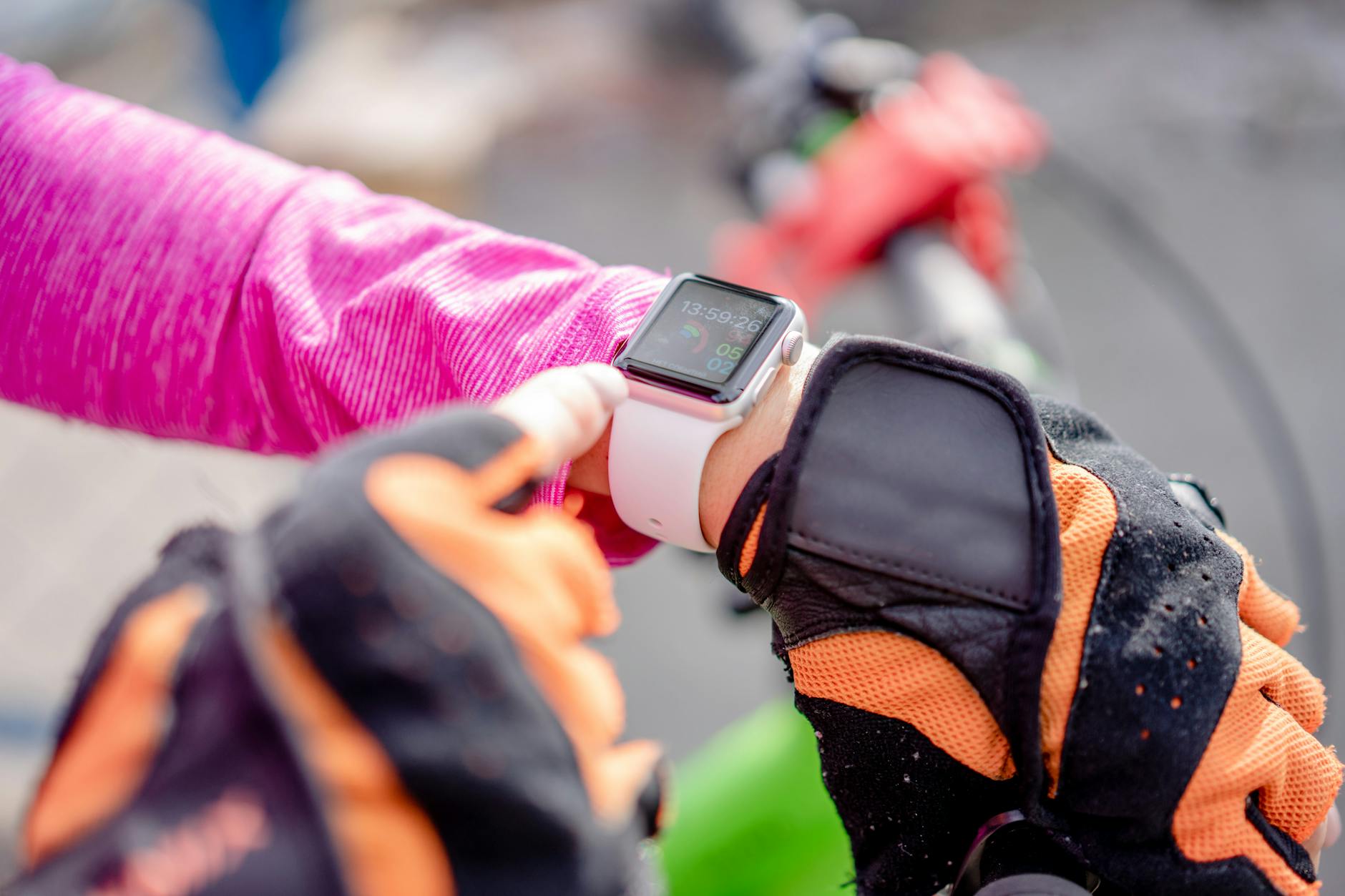
The Heart Rate Zone Trap and Non-Exercise Stressors
Heart rate responds to far more than exercise intensity. Caffeine is a potent sympathomimetic—it directly stimulates heart rate elevation independent of physical activity. A single cup of strong coffee can increase your resting heart rate by 5 to 10 beats per minute for several hours, and peak increases of 15 to 20 beats are common. If you’re wearing a tracker and you work out within two hours of a caffeinated beverage, the combined effect can push your average heart rate into a zone your device interprets as vigorous, even if the actual exertion is moderate. Emotional stress and mental effort spike heart rate just as surely as exercise does.
During a high-stakes work call, your sympathetic nervous system activates, releasing cortisol and adrenaline. Your heart rate can jump to 100 beats per minute or higher while you’re sitting at a desk. Seasonal or ambient heat also elevates resting and active heart rate; on a hot 85-degree day, your cardiovascular system works harder just to maintain body temperature, and your recorded heart rate for a given effort level can be 5 to 15 beats higher than on a 65-degree day. A warning worth noting: if you’re tracking intensity minutes to validate training volume or progress, awareness of these confounders is critical. Over-relying on a tracker’s intensity minutes without cross-referencing perceived exertion, pacing data, or actual training structure can lead to false confidence in your conditioning and poor decision-making about rest and recovery.
Why Accelerometer Data Misses the Full Picture
Fitness trackers also use accelerometers—tiny motion sensors that measure the speed and direction of your wrist or wrist-worn device. These sensors excel at detecting repetitive, consistent movement like running or cycling because those activities produce characteristic acceleration patterns. Accelerometers are poor at detecting intensity when movement is intermittent, explosive, or isometric. A sprinter doing short bursts with walking recovery might accumulate fewer accelerometer counts than someone doing a steady 6-mile-per-hour jog, yet the sprinting session is far more intense.
Swimming is the classic problem case. Many wrist-worn trackers struggle to track swimming accurately because the wrist moves in ways that confuse the accelerometer; the device might underestimate intensity or lose tracking entirely. Conversely, activities involving fine motor control—like rock climbing or weightlifting—can register misleadingly high intensity because the accelerometer detects arm movement, even though the actual cardiovascular load might be moderate. A person spending 20 minutes on a stair climber with arms crossed will show lower movement counts and possibly lower recorded intensity than someone doing light aerobic dancing, despite the stair climber session being far more demanding on the cardiovascular system. These examples illustrate why trackers work best for steady-state, repetitive activities like running or cycling and become unreliable for everything else.

Practical Approaches to Calibrating Your Tracker for Better Accuracy
If you want your tracker to more accurately reflect actual intensity, start by ensuring it has your correct fitness level input and, if applicable, your resting heart rate and VO2 max estimation. Many trackers allow you to manually input or update these values. A more accurate resting heart rate baseline—measured first thing in the morning before getting out of bed—helps the device better distinguish between baseline elevation and true exertion. Some trackers also let you adjust intensity thresholds or define custom heart rate zones. If your device supports it, creating zones based on your lactate threshold or anaerobic threshold (estimated through a simple field test or wearable assessment) produces more meaningful results than the generic age-based formulas many trackers use.
One effective strategy is to cross-reference tracker data with external validation. If you use a separate device for specific workouts—like a chest-strap heart rate monitor during runs, which is more accurate than wrist detection—you can compare the data and spot patterns where your primary tracker diverges. A chest-strap monitor and a wrist tracker might show the same average heart rate for a run, but the wrist device sometimes misreads peaks due to arm movement. Another practical step is to keep a simple training log noting perceived effort, workout duration, and activity type, then compare it against your tracker’s recorded intensity. Over time, you’ll develop intuition for when your tracker is reliable and when it’s exaggerating. The tradeoff is that this requires more effort, but it yields better insight into actual training load and progress.
Algorithm Differences Across Brands and the Variability Problem
Different companies use different algorithms, and the variation is significant. A popular multisport tracker might define intensity as heart rate above 70 percent of max, while another brand uses 75 percent, and a third uses a combination of heart rate and accelerometer-derived “training effect” metrics. The same 30-minute run can generate anywhere from 5 to 15 recorded intensity minutes depending on which device you’re wearing. This variability is rarely communicated to users, leading to frustration and misplaced trust in a single metric. Proprietary algorithms also change with firmware updates.
A tracker that accurately recorded your intensity in 2023 might produce different numbers in 2024 after the manufacturer tweaks the algorithm. Some brands prioritize maximizing the intensity minutes users see (whether explicitly or because the algorithm drifts that way), since higher intensity numbers feel rewarding and encourage users to believe they’re improving. This subtle misalignment between what the device counts and what actually happened in your body is worth understanding. A clear warning: avoid comparing intensity minutes between devices or judging progress year-over-year if you’ve switched trackers. The numbers may be incompatible, and what looks like a decline in your fitness might simply reflect a stricter algorithm on a new device.

How Personal Factors Shape Intensity Detection Errors
Your individual physiology, fitness level, and life circumstances all influence how much your tracker over- or underestimates intensity. A person with a high aerobic fitness level has a lower heart rate for any given running pace than a person with lower aerobic fitness. The fit runner might hit moderate intensity (70-85% max HR) at a 7-minute-mile pace, while the less-fit runner might hit the same zone at a 10-minute-mile pace. Trackers that estimate your VO2 max based on early runs or initial setup can be off by a meaningful margin, and if that estimate is wrong, all subsequent zone calculations are skewed.
Age is another factor; your maximum heart rate naturally declines with age, and while trackers typically use the formula 220-age, individual variation is substantial. Some 50-year-olds have a true max HR of 165, while others might be 180 or higher. If your tracker’s estimate is off, every zone-based calculation is off too. Hormonal factors, menstrual cycle phase in people who menstruate, sleep debt, dehydration, and whether you’re coming down with an illness all elevate resting and active heart rate. A person sleeping poorly will likely see inflated intensity minutes for the same workouts, simply because their baseline heart rate is elevated and their cardiovascular system is more reactive.
Moving Forward: Using Trackers as One Tool, Not the Only Metric
Fitness trackers are evolving. Some newer models incorporate additional sensors—like skin temperature, blood oxygen saturation, and electrocardiogram data—that provide richer context for assessing intensity. Trackers that integrate with external power meters (for cycling) or that can import data from traditional sports watches can cross-validate their estimates, reducing errors. However, even with these advances, no wrist-worn tracker will ever perfectly capture the nuance of human exercise physiology.
The technology has fundamental limitations because it measures proxies rather than direct metabolic indicators. Looking ahead, the most honest approach is to treat your tracker as one data point among many. Intensity minutes are useful for tracking training consistency and noticing trends over weeks or months, but they should not be your sole judge of fitness progress or training adequacy. Pair tracker data with perceived exertion (how hard did that session feel?), performance metrics (did you run faster, lift heavier, or recover better?), and structured training principles (progressive overload, variety, adequate recovery). The tracker can answer the question “Was I active today?” reasonably well, but the deeper questions—”Am I improving?” and “Is my training well-designed?”—require your own judgment and, ideally, input from a coach or training program with a thoughtful structure.
Conclusion
Fitness tracker overestimation of intensity minutes stems from fundamental limitations in how the devices measure effort. They rely on heart rate and movement signals that conflate true exercise intensity with caffeine, stress, heat, and dozens of other physiological stressors. No wrist-worn device can distinguish between a genuine sprinting interval and a rapid heart rate spike caused by bad news on your phone. Understanding these limitations doesn’t make your tracker useless; it makes it honest.
The device is a useful trend tool, a motivator for daily movement, and a reasonable estimator of steady-state aerobic activity like jogging or cycling. To get meaningful use from your tracker, take time to validate its measurements against your own perception of effort and performance data. Recognize that intensity minutes are inflated and discount them accordingly. Use your tracker as part of a broader view of your fitness that includes how you feel, how you perform in actual training, and whether you’re progressing on the metrics that matter most to you—speed, strength, endurance, or simple consistency. The tracker’s job is to gather data; your job is to interpret it wisely.