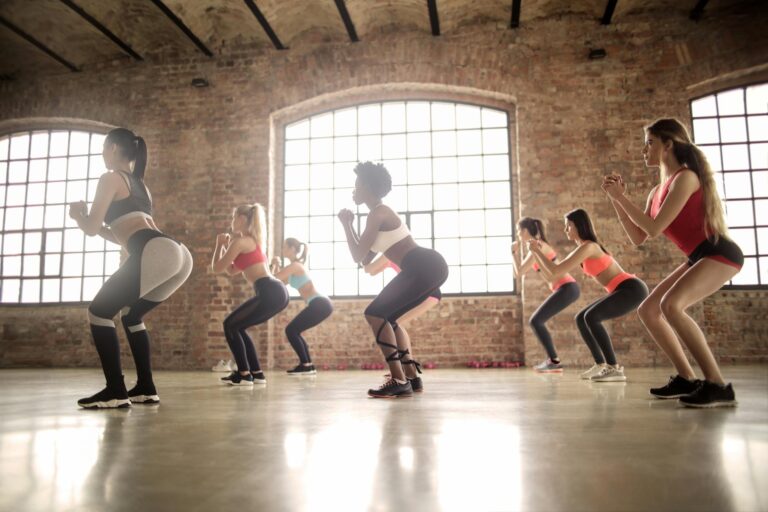
Zumba burns a significant number of calories because it functions as a disguised interval training workout, alternating between high and low intensity dance sequences that keep your heart rate elevated across a wide range of effort zones. A 2012 study conducted at the University of Wisconsin found that participants burned an average of 369 calories in just 39 minutes of Zumba, which works out to roughly 9.5 calories per minute. Over a full 60-minute session, most people burn between 400 and 550 calories, though the range can stretch from 300 to 900 depending on body weight, effort level, and class intensity.
Those numbers put Zumba ahead of several popular group fitness formats, including cardio kickboxing, step aerobics, hooping, and power yoga. What makes Zumba particularly effective is not just the raw calorie burn but the way it keeps people coming back. Exercise adherence is one of the most underrated factors in long-term fitness outcomes, and the enjoyment factor built into Zumba classes gives it a real edge over workouts that feel like a chore. This article breaks down the science behind Zumba’s calorie-burning power, examines what heart rate data reveals about its intensity, explores who benefits most, and offers practical advice for getting the most out of every class.
Table of Contents
- How Many Calories Does Zumba Actually Burn Compared to Other Workouts?
- What Heart Rate Data Reveals About Zumba’s Intensity
- How Zumba’s Interval Training Effect Drives Greater Calorie Burn
- Maximizing Your Calorie Burn During a Zumba Class
- Why Adherence Is Zumba’s Biggest Advantage for Weight Loss
- Who Gets the Most Out of Zumba for Calorie Burning
- The Future of Dance-Based Fitness for Cardiovascular Health
- Conclusion
- Frequently Asked Questions
How Many Calories Does Zumba Actually Burn Compared to Other Workouts?
The calorie burn during a Zumba class is competitive with many workouts that people perceive as more intense. A typical hour-long session lands most participants in the 400 to 550 calorie range, which is comparable to running at a moderate pace for the same duration. Research has shown that Zumba burns more calories per session than cardio kickboxing, step aerobics, hooping, and power yoga when measured over equivalent time periods. For someone weighing around 155 pounds, a 45-minute Zumba class often delivers a calorie burn that would require roughly 30 to 35 minutes of steady-state jogging to match. The reason Zumba outperforms several traditional cardio formats comes down to its structure. Unlike a steady jog where your heart rate stays in a relatively narrow band, Zumba naturally cycles between bursts of high-energy movement and lower-intensity recovery periods.
Heart rate monitor analysis shows this pattern closely mimics interval training, which research has consistently shown burns more calories than steady-state exercise. A person who jogs at the same pace for 40 minutes will typically burn fewer calories than someone doing 40 minutes of Zumba at genuine effort, because the repeated spikes and recoveries in Zumba create a greater overall metabolic demand. That said, the range of 300 to 900 calories is wide for a reason. A 130-pound participant who takes it easy and skips the arm movements will land near the lower end. A 200-pound participant who commits fully to every jump, squat, and directional change will push toward the upper range. Body weight is the single largest variable, followed closely by how much effort you actually put in. Simply showing up and going through the motions will not deliver the same results as pushing yourself into the higher heart rate zones.
What Heart Rate Data Reveals About Zumba’s Intensity
One of the more compelling findings from exercise science research is that zumba keeps participants working at 64 to 94 percent of their maximum heart rate. That range is significant because fitness industry guidelines recommend exercising at 64 to 76 percent of HRmax for moderate-intensity cardiovascular improvement and 77 to 95 percent for vigorous-intensity training. Zumba spans nearly the entire spectrum, which means participants are consistently working in zones that produce real cardiovascular adaptations. What makes this particularly noteworthy is that it happens regardless of fitness level. Research has confirmed that both beginners and experienced participants tend to work out in heart rate zones recommended for cardiovascular improvement.
The self-pacing nature of Zumba allows newcomers to modify movements and still reach beneficial heart rate ranges, while advanced participants can add jumps, deeper squats, and more aggressive arm movements to push into higher zones. This scalability is unusual for a group fitness class, where beginners often either under-perform or burn out trying to keep up. However, if you have a heart condition or are taking beta-blockers or other medications that affect heart rate, these numbers may not apply to you in the same way. Beta-blockers artificially suppress heart rate, which means your perceived exertion could be high even though your heart rate monitor shows moderate numbers. In that case, using a rate of perceived exertion scale rather than heart rate data is a more reliable way to gauge your intensity. Always consult your physician before starting a Zumba program if you have cardiovascular concerns.
How Zumba’s Interval Training Effect Drives Greater Calorie Burn
The interval training effect embedded in Zumba is not a marketing claim. It is a measurable physiological phenomenon. During a typical class, a merengue or reggaeton track might push your heart rate to 85 or 90 percent of maximum, followed by a cumbia or bachata track that brings it back down to 65 or 70 percent. This alternation between work and recovery phases is the defining characteristic of interval training, and it is one of the most efficient methods for burning calories that exercise science has identified. Faster music tempos naturally increase movement speed and heart rate, boosting calorie expenditure by 15 to 20 percent compared to slower tracks. Experienced Zumba instructors use this deliberately, structuring their playlists to create peaks and valleys throughout the class.
A well-designed playlist might start with a moderate warm-up track at around 120 beats per minute, build to high-intensity songs at 140 to 160 beats per minute in the middle of the class, and taper down during the cooldown. The calorie burn difference between a class with thoughtful tempo programming and one with randomly selected songs is substantial. Beyond the cardiovascular demand, Zumba also engages muscles across the entire body. The frequent hip and midsection movements provide core strengthening that you do not get from running or cycling. The lateral movements, turns, and direction changes recruit stabilizer muscles in the ankles, knees, and hips. This total-body engagement means the metabolic cost of a Zumba class is distributed across more muscle groups than a workout that primarily targets the legs, contributing to a higher overall calorie burn.
Maximizing Your Calorie Burn During a Zumba Class
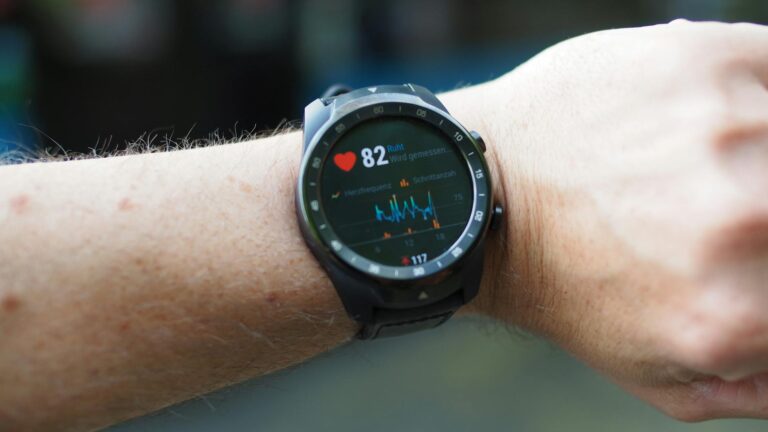
If your goal is to burn the most calories possible during Zumba, your effort level matters more than any other variable within your control. The difference between going through the motions and fully committing to every movement can easily be 150 to 200 calories over the course of a single class. Engage your arms even when the instructor’s cues are focused on footwork. Drop lower in your squats. Add small jumps where the choreography allows it. These adjustments push your heart rate into higher zones and increase calorie expenditure without requiring any additional time. Wearing a heart rate monitor provides useful feedback, but you need to understand the tradeoff.
Constantly checking your wrist pulls your attention away from the choreography, which can reduce your movement quality and actually lower your calorie burn. A better approach is to glance at your monitor during transition periods between songs and aim to keep your average heart rate above 70 percent of your maximum for the duration of the class. If you consistently average below that threshold, it is a signal that you need to push harder or find a more intense instructor. Class selection also matters. Not all Zumba formats deliver the same intensity. Zumba Toning classes incorporate light weights and focus more on muscle conditioning, while Zumba Step adds a platform for additional lower-body engagement. Standard Zumba and Zumba HIIT classes tend to produce the highest calorie burns. If maximizing calorie expenditure is your primary objective, seek out classes explicitly marketed as high-intensity or ask the instructor about the average intensity level before committing.
Why Adherence Is Zumba’s Biggest Advantage for Weight Loss
A 2016 study published in the Journal of Sports Science and Health found that subjects who participated in Zumba for eight weeks lost weight, lowered their BMI, and improved their endurance. Those results are meaningful, but they only happened because the participants kept showing up. The most effective workout for calorie burning is not the one with the highest per-minute burn rate on paper. It is the one you actually do consistently, week after week, month after month. This is where Zumba has a genuine and research-supported advantage over many alternatives. The entertainment and enjoyment factor built into the format leads to higher exercise adherence compared to traditional cardio workouts. People who dread their workouts skip sessions.
People who enjoy their workouts show up even on days when motivation is low. Over the course of several months, the person who attends three Zumba classes per week because they genuinely enjoy it will burn far more total calories than the person who plans to run four times a week but only manages two because running feels like a punishment. The limitation here is that enjoyment alone does not guarantee results. If you attend Zumba three times a week but compensate by eating more afterward because you feel you have earned it, the calorie deficit disappears. Exercise-induced hunger is real, and Zumba is not exempt from it. Pairing consistent attendance with mindful eating habits is what actually produces sustained weight loss. The workout creates the opportunity. Your behavior outside the studio determines whether you capitalize on it.

Who Gets the Most Out of Zumba for Calorie Burning
Zumba tends to deliver the greatest calorie-burning benefit to people who are relatively new to structured exercise. Someone transitioning from a sedentary lifestyle to three Zumba classes per week will experience a dramatic increase in weekly calorie expenditure and is likely to see noticeable changes in body composition within the first two months. For this population, Zumba offers an accessible entry point that does not require learning complex equipment, memorizing rep schemes, or building a base level of fitness before the workout becomes productive.
Experienced athletes and highly fit individuals may find that Zumba eventually becomes insufficient as a primary calorie-burning tool. As cardiovascular fitness improves, the same movements produce a lower heart rate response and fewer calories burned. At that point, you can either increase your effort within Zumba by adding more explosive movements, or supplement with other training modalities like running, cycling, or strength training. Treating Zumba as one component of a broader fitness program rather than the sole source of exercise is a practical approach for long-term progression.
The Future of Dance-Based Fitness for Cardiovascular Health
The growing body of research supporting Zumba’s effectiveness has prompted the broader fitness industry to take dance-based cardio more seriously as a legitimate training modality. What was once dismissed as a trend has now accumulated enough peer-reviewed evidence to stand alongside established formats like cycling, rowing, and group running programs. As heart rate monitoring technology becomes more accessible and integrated into fitness platforms, participants will have even more precise data on how Zumba compares to their other workouts in real time.
The next frontier is personalization. Instructors who tailor their playlists and choreography based on the aggregate heart rate data of their class can optimize the interval training effect and push average calorie burns higher. Some studios have already begun displaying live class heart rate data on screens, creating a feedback loop that motivates participants to push harder. For people who want an effective calorie-burning workout without the monotony of traditional cardio, Zumba is positioned to remain a strong option, provided they bring genuine effort to every class.
Conclusion
Zumba earns its reputation as an effective calorie-burning workout through measurable physiological mechanisms, not just enthusiasm. The interval training effect created by alternating music tempos keeps heart rates between 64 and 94 percent of maximum, the total-body movement patterns engage more muscle groups than most traditional cardio, and the research consistently shows calorie burns of 400 to 550 per hour for most participants. These numbers hold up favorably against cardio kickboxing, step aerobics, and power yoga, making Zumba a legitimate cardiovascular training option. The practical takeaway is straightforward.
If you enjoy Zumba and you push yourself during class, it will burn enough calories to support weight loss and cardiovascular improvement. Pair it with sensible eating habits, attend consistently, and track your heart rate occasionally to ensure you are working in productive zones. The workout that you enjoy enough to do three times a week will always outperform the workout you dread and skip. For many people, Zumba fills that role better than anything else available.
Frequently Asked Questions
How many calories does a typical Zumba class burn?
Most participants burn between 400 and 550 calories during a 60-minute Zumba class. The full range extends from 300 to 900 calories depending on body weight, effort level, and class intensity. A University of Wisconsin study recorded an average of 369 calories burned in just 39 minutes, which translates to about 9.5 calories per minute.
Is Zumba better than running for burning calories?
Zumba and running produce comparable calorie burns per hour for most people. Zumba’s advantage is its interval training structure, which alternates high and low intensity automatically through the music. Running at a steady pace burns fewer calories than interval-style exercise over the same duration, but running at high intensity or doing sprint intervals can match or exceed Zumba’s burn rate.
Can beginners burn as many calories as experienced Zumba participants?
Beginners typically burn fewer calories initially because they are learning the choreography and may not move as explosively. However, research shows that regardless of fitness level, Zumba participants tend to exercise in heart rate zones recommended for cardiovascular improvement. As coordination improves over the first few weeks, calorie burn increases significantly.
How often should I do Zumba to lose weight?
A 2016 study found measurable weight loss, reduced BMI, and improved endurance after eight weeks of regular Zumba participation. Most fitness guidelines recommend at least 150 minutes of moderate-intensity or 75 minutes of vigorous-intensity cardio per week. Three Zumba classes per week meets or exceeds those thresholds for most people.
Does the speed of the music affect how many calories I burn?
Yes. Faster music tempos naturally increase movement speed and heart rate, boosting calorie expenditure by 15 to 20 percent compared to slower tracks. Classes with well-programmed playlists that alternate between fast and moderate tempos tend to produce higher total calorie burns.